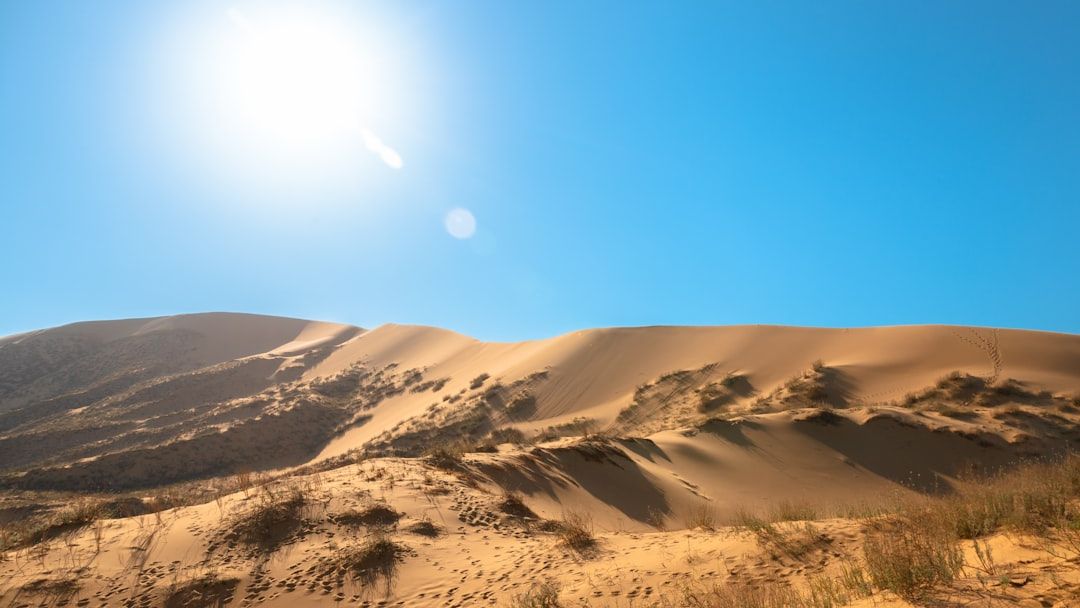

There is something seductive about the idea of a tiny home in the desert. Sun-bleached skies, minimalist living, a kind of romantic self-sufficiency that looks incredible on Instagram. I get it. Honestly, I really do. Walking through these communities, I felt it too, that pull toward simplicity, toward owning less and breathing more. But then summer showed up. And the romance started sweating.
What I found across three desert tiny home communities was a collision between aspiration and physics. Beautiful design choices that buckle under triple-digit temperatures. Off-grid dreams running up against the hard math of energy storage. Water plans built on a reservoir system that the federal government is increasingly nervous about. The picture is more complicated, and more urgent, than most developers want you to know. Let’s dive in.
The Desert Is Getting Hotter, and the Data Is Not Subtle
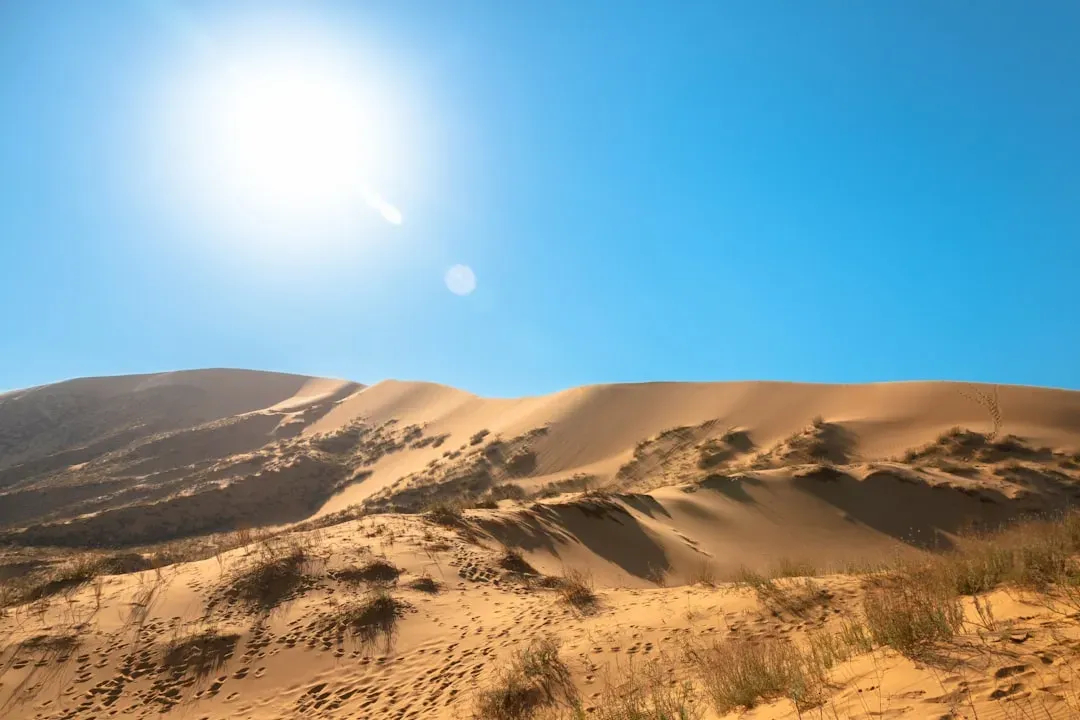
Let’s be real about what we’re dealing with here. In recent years, Phoenix has become emblematic of the challenges posed by extreme heat, earning the title of the “hottest large city in America,” experiencing a record-breaking summer in 2023 with temperatures soaring above 110 degrees Fahrenheit for 31 consecutive days. That’s not a heat wave. That’s a climate condition.
Despite logging the hottest summer on record, Maricopa County saw fewer heat-related deaths in 2024 compared to 2023, with county health officials citing 602 heat-related deaths in 2024, down from 645 in 2023. Even the “good news” here is sobering. Hundreds of people are still dying. In the desert, heat is not a background inconvenience, it is a public health emergency, and any housing placed into that environment needs to take that seriously from day one.
Tiny Homes Were Not Designed With Desert Summers in Mind
Here’s the thing about tiny homes: their greatest selling point is also their greatest liability in extreme heat. The small footprint that makes them affordable and easy to move also means there is barely any wall space to pack with proper insulation. Living in a desert climate comes with unique challenges, especially when designing a tiny home, as the intense heat, dry air, and limited water supply demand careful thought about how to stay cool without wasting resources.
Designing a tiny home for the desert demands careful attention to materials and methods that handle heat, dryness, and sun exposure, with experience showing that focusing on insulation, ventilation, materials, and shade makes a big difference in comfort and efficiency, since proper insulation keeps indoor temperatures stable despite desert heat swings. The communities I toured? Most of them were cutting corners on exactly these things, using thin-walled prefab structures that would likely become ovens by July. I’m not exaggerating. I checked the walls myself.
The Insulation Problem Nobody Talks About
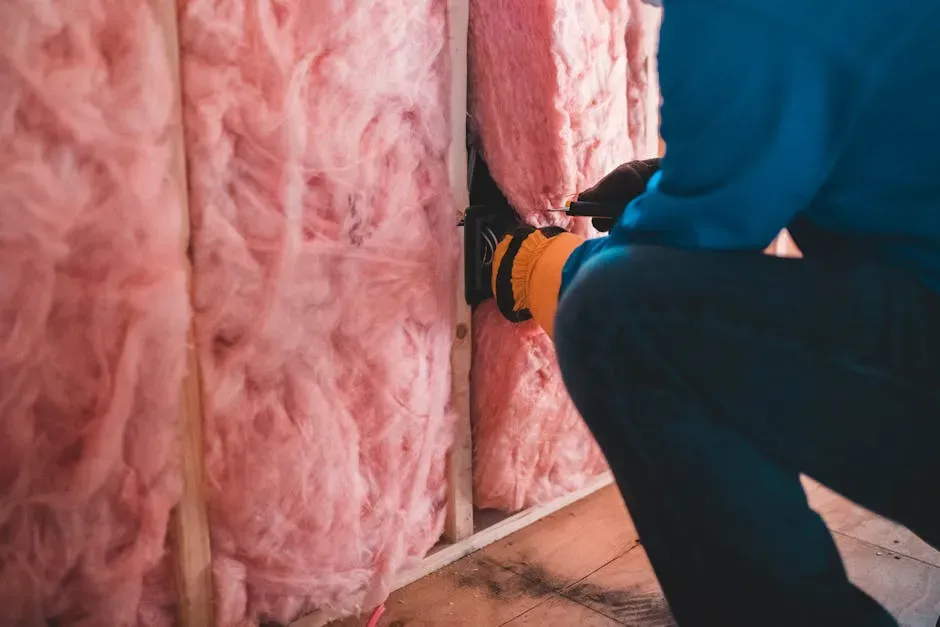
Walk through most of these communities and the homes look charming. Light wood paneling, clever storage solutions, little patios with cactus planters. But peer a little closer at what’s inside those walls, and the picture changes. Research from Lawrence Berkeley National Laboratory shows that poor insulation and air leakage can increase cooling energy demand by roughly a fifth to nearly a third more in hot environments. That’s a massive number when you’re already struggling to keep a 200-square-foot space livable at 115 degrees.
A study from the National Renewable Energy Laboratory uses a computer model to examine methods that increase occupant safety, defined by how many hours it took for the indoor temperature to reach a certain threshold, with a heat wave safety threshold set below 91 degrees Fahrenheit. A baseline scenario in which no action was taken to mitigate temperature extremes during a power outage determined that the safety of occupants would be compromised in just 12 hours during a heat wave. Twelve hours. Not days. Hours. Think about that when you’re touring one of these communities and picturing your summer.
Off-Grid Solar Sounds Great Until the AC Kicks In
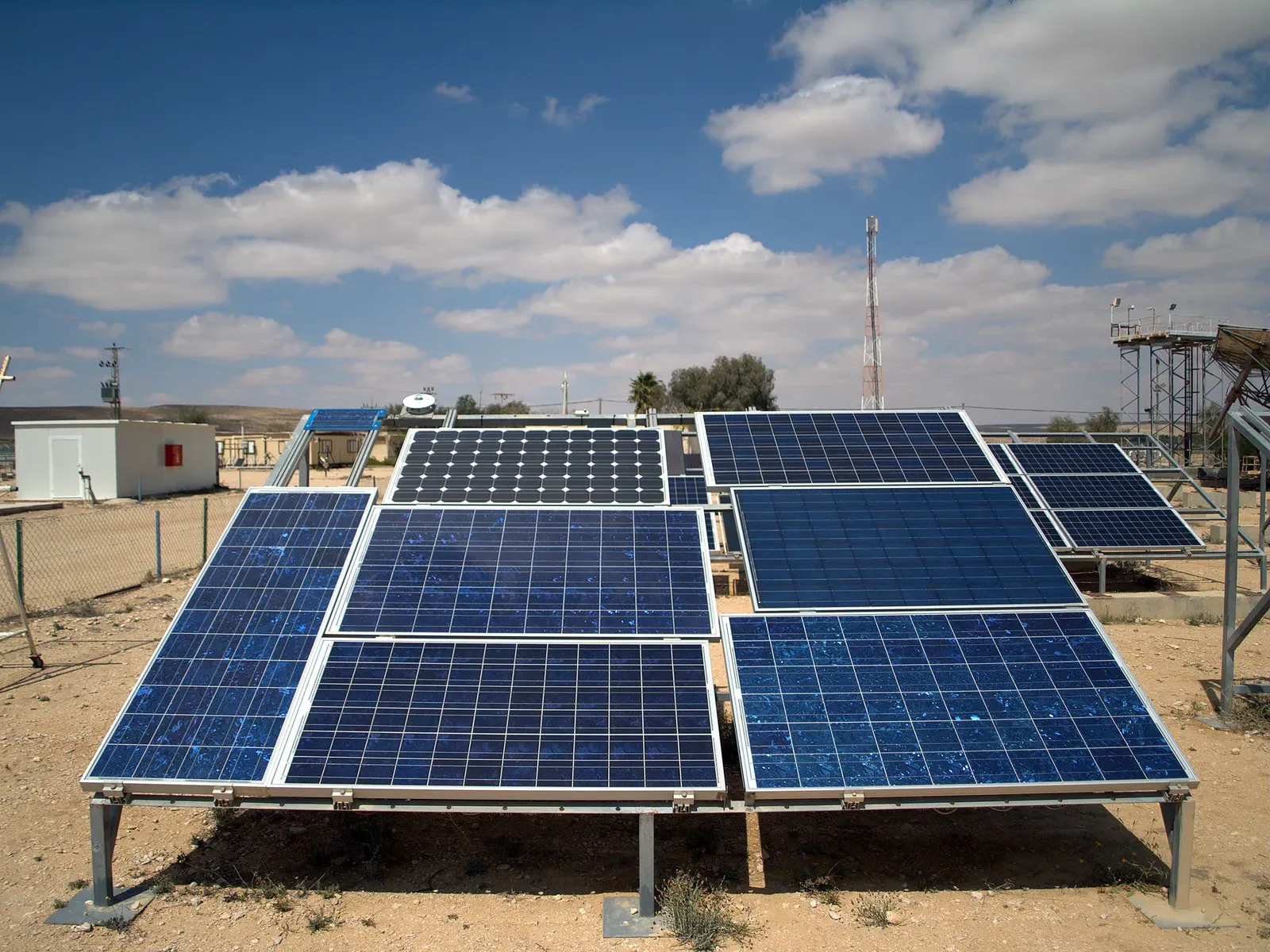
Nearly every community I visited was pitching solar as their energy salvation. And look, I want to believe in solar. It is genuinely exciting technology. But there is a gap between the brochure and the battery bank when July hits the Sonoran Desert. Increasing frequency of extreme heat events are adding to the challenge of serving summer peak demand, while an evolving generation mix with increasing renewables and storage is changing how grid operators maintain reliable electricity supply through these events.
A heat wave that triggers a higher grid load from the use of fans and air conditioning often coincides with sunny days that enable high levels of solar generation. That sounds promising at first. The catch is that tiny off-grid battery systems are designed for modest daily use, not sustained all-day air conditioning in extreme heat. According to the U.S. Department of Energy, air conditioning can account for up to roughly one in eight units of total home energy use nationally, and that number climbs dramatically in hot desert climates. When the battery runs dry at 3 p.m. and it is 112 degrees outside, those panels on the roof can only do so much.
Water Is Running Out Beneath the Very Ground These Homes Are Built On
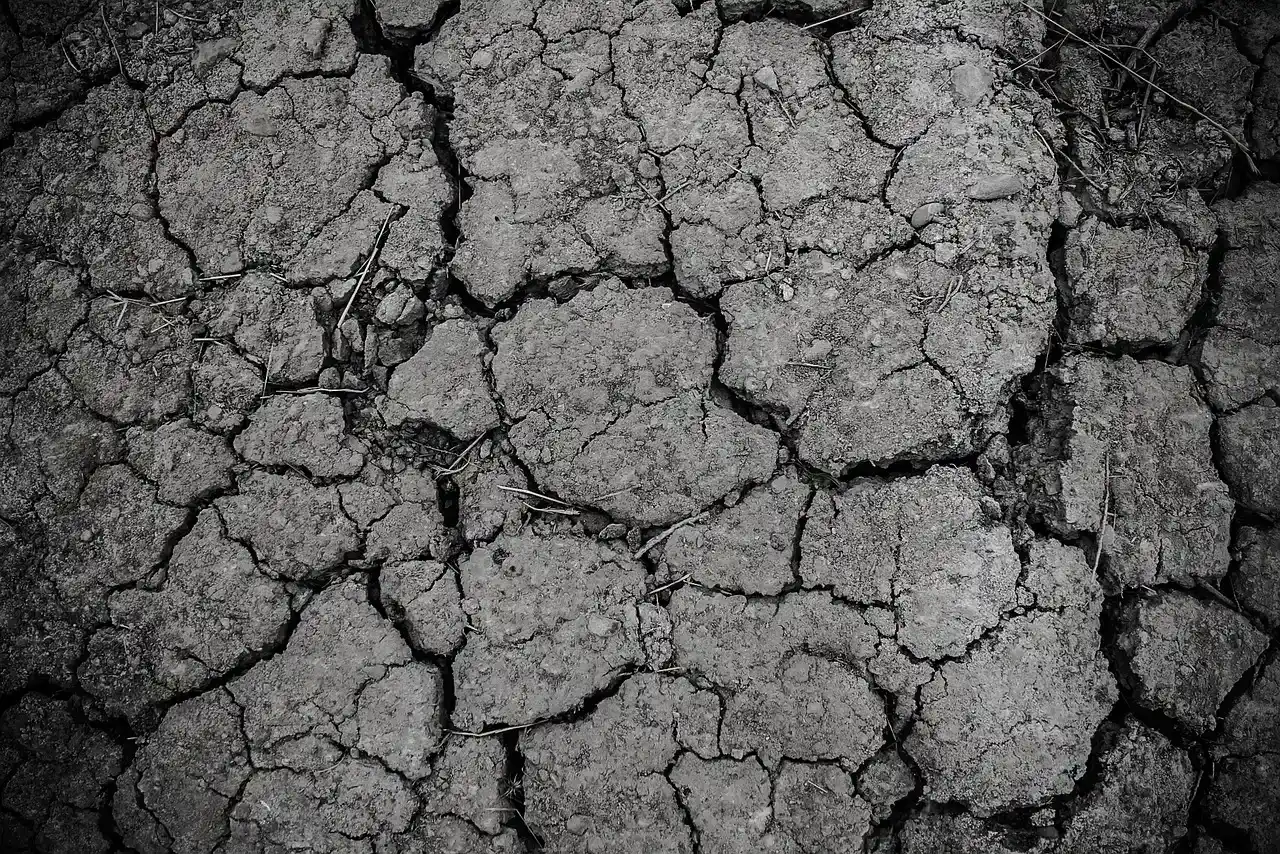
Of every problem I observed on these tours, this one kept me up at night. Water. The communities I visited relied on various off-grid or semi-connected water sources, and some were banking on wells. Meanwhile, the reservoir that supplies much of the Southwest is in serious trouble. One hundred percent of the Colorado River Basin is currently in drought, including large areas of Extreme or Exceptional Drought in the Upper Basin where most of the water supply comes from, and this basin includes all of Arizona and parts of Colorado, California, Wyoming, Utah, New Mexico, and Nevada.
Nevada is facing another year of reduced Colorado River water allocations as prolonged drought conditions persist across the West, with the Bureau of Reclamation’s 2025 study indicating Lake Mead will remain in a Level 1 Shortage Condition, and this shortfall will impose significant water reductions across the Southwest. The cuts hit Arizona hardest, with an 18 percent reduction requiring the state to forfeit 512,000 acre-feet of its annual river allocation. Off-grid communities can’t wish that reality away with a rainwater catchment barrel.
The Real Cost of Keeping Cool in the Desert
Nobody in the sales materials talks about the energy bills. Or, in the case of off-grid communities, the cost of the systems required to keep people from suffering heat-related illness. A 2024 report from McKinsey highlights that housing structures in extreme climates require significant energy investment for cooling, which can sharply increase costs for small, off-grid communities. The math gets brutal fast. You need a bigger solar array, more battery storage, better insulation, and backup systems. Suddenly your affordable tiny home is carrying a very expensive infrastructure tab.
Heatwaves pose considerable challenges to the real estate market in Phoenix and many heat-prone cities across the United States, as prolonged exposure to extreme heat, often resulting in droughts, can lead to increased energy consumption, higher utility bills, and greater wear and tear on buildings. Now imagine all of that compressed into a 300-square-foot structure with a roof that gets direct sun from sunrise to sunset. Some of the communities I visited were selling units without even mentioning summer electricity costs. I found that troubling, to put it gently.
Heat-Related Deaths Are Rising, and Vulnerable Housing Is Part of the Story
This is not an abstract policy problem. People are dying, and inadequate housing is a contributing factor. The Centers for Disease Control and Prevention reported over 1,700 heat-related deaths across the U.S. in 2023. Mortality from environmental heat is a significant challenge in Maricopa County, and the county government, which serves as the local public health authority, shares data reflecting the complexity of addressing the threat of extreme heat, with housing insecurity and behavioral health challenges as significant risk factors.
As heat becomes the most deadly natural disaster, more people are being evicted into it, and during July 2023, when Phoenix logged the hottest month on record for any U.S. city, 7,000 renters were evicted across Maricopa County. Tiny home communities often market themselves as affordable alternatives to traditional housing. That is a genuinely worthy goal. Still, affordability becomes meaningless if the structure itself becomes a health hazard by mid-July. The intersection of poverty and poor thermal protection is deadly.
A Few Communities Are Getting It Right, but They Are the Minority
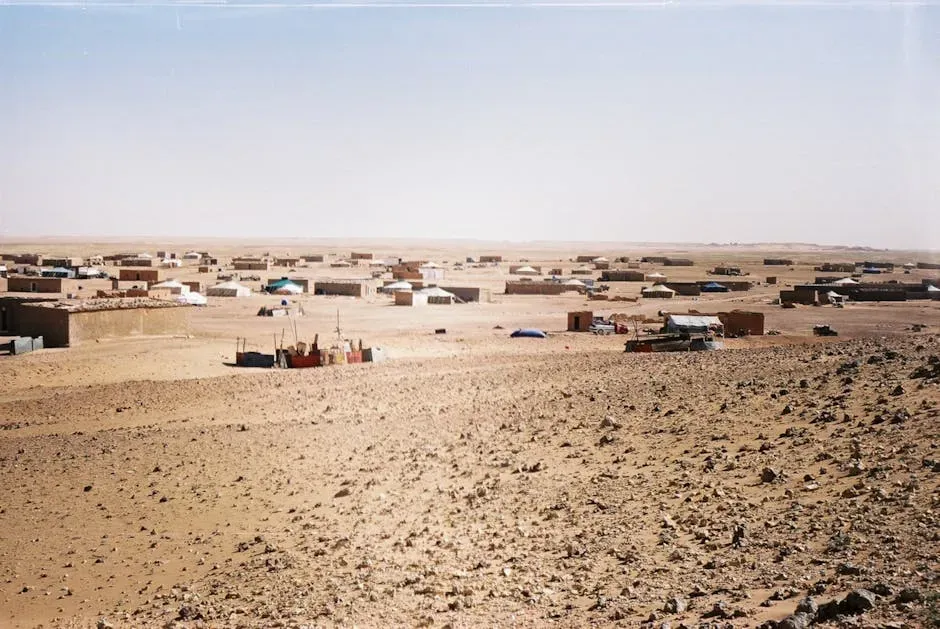
I want to be fair here, because not everything I saw was a disaster waiting to happen. Some developers are doing the work. Certain desert tiny home communities have shown commitment to sustainable living, designing eco-conscious infrastructure that includes solar panels, greywater systems, and native landscaping that reduces water use. These are the places that actually stood out to me. Thoughtful design, serious insulation, and honest conversations about what summer really means out here.
Materials that absorb less heat and resist wear suit desert tiny homes best, with light-colored reflective roofing materials such as metal or white TPO membranes helping to reflect sunlight, while insulated panels with an outer stucco or adobe finish provide both thermal mass and insulation. The communities using these materials were noticeably cooler inside, even on a warm spring morning. The gap between the thoughtful ones and the underprepared ones was striking. It was not subtle. It was the difference between a livable space and a slow cooker.
Conclusion: The Desert Doesn’t Care About Your Vision Board
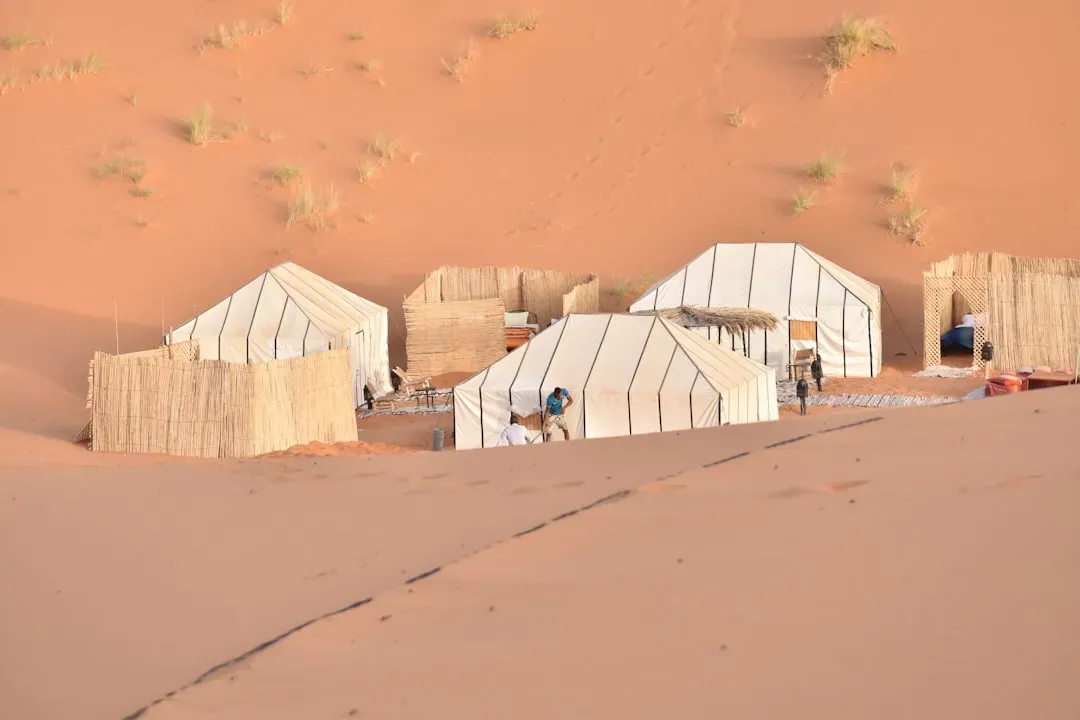
The tiny home movement in the desert is not inherently doomed. It can work. There are people doing it responsibly, with real engineering behind the walls and genuine respect for what the climate demands. But the majority of what I toured felt like optimism dressed up as architecture, beautiful, aspirational, and dangerously underprepared for the reality of a desert summer.
The data from NOAA, the CDC, the Bureau of Reclamation, and NREL all tell the same story: the desert is hotter, drier, and more resource-strained than it has ever been in recorded history. Building small homes in that environment without confronting those facts head-on is not minimalism. It is wishful thinking with a mortgage attached.
If you are considering joining one of these communities, ask the hard questions. Ask about the R-value of the insulation. Ask what happens to the battery bank at 3 p.m. in August. Ask where the water comes from when Lake Mead is sitting at half capacity. The desert is a stunning, profound place to live. It just demands honesty in return. What would you have asked before signing the lease?