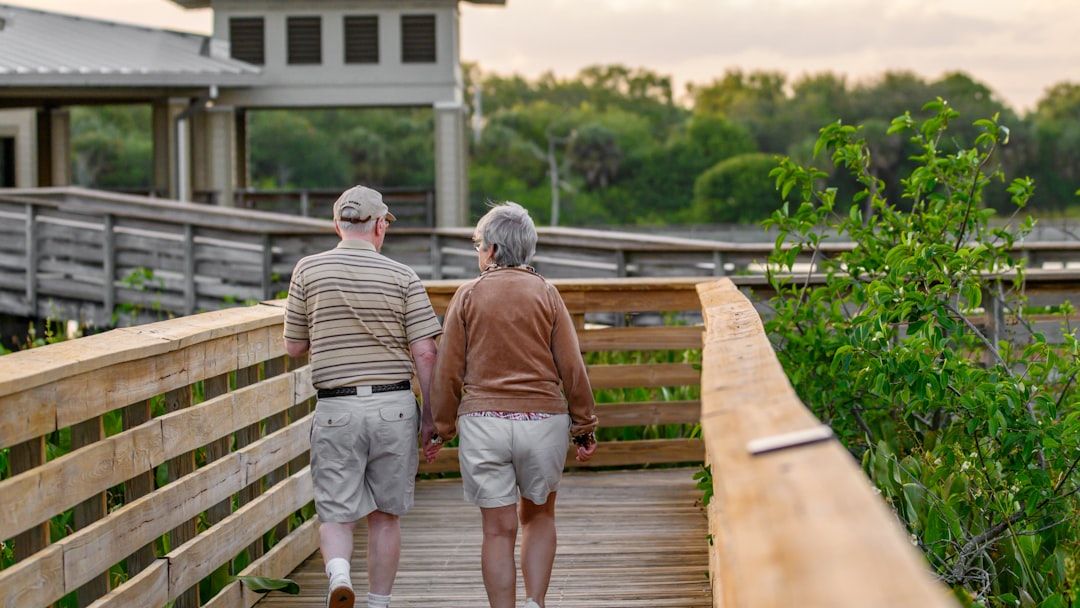

Florida. Just the word conjures up images of sunshine, palm trees, and happy retirees gliding around on golf carts without a care in the world. It’s practically the default setting for the American retirement dream. So when my parents started dropping hints about “making the move,” I did what any concerned adult child would do – I booked flights, rented a car, and spent two weeks touring five different retirement communities across the state.
Honestly, I went in expecting to be impressed. I came out with a completely different story. What I saw wasn’t a nightmare, but it wasn’t the paradise being sold in the brochures either. Some things genuinely shocked me. Let’s dive in.
1. Florida Has More Seniors Than Anywhere Else in America – and the System Is Straining Under That Weight
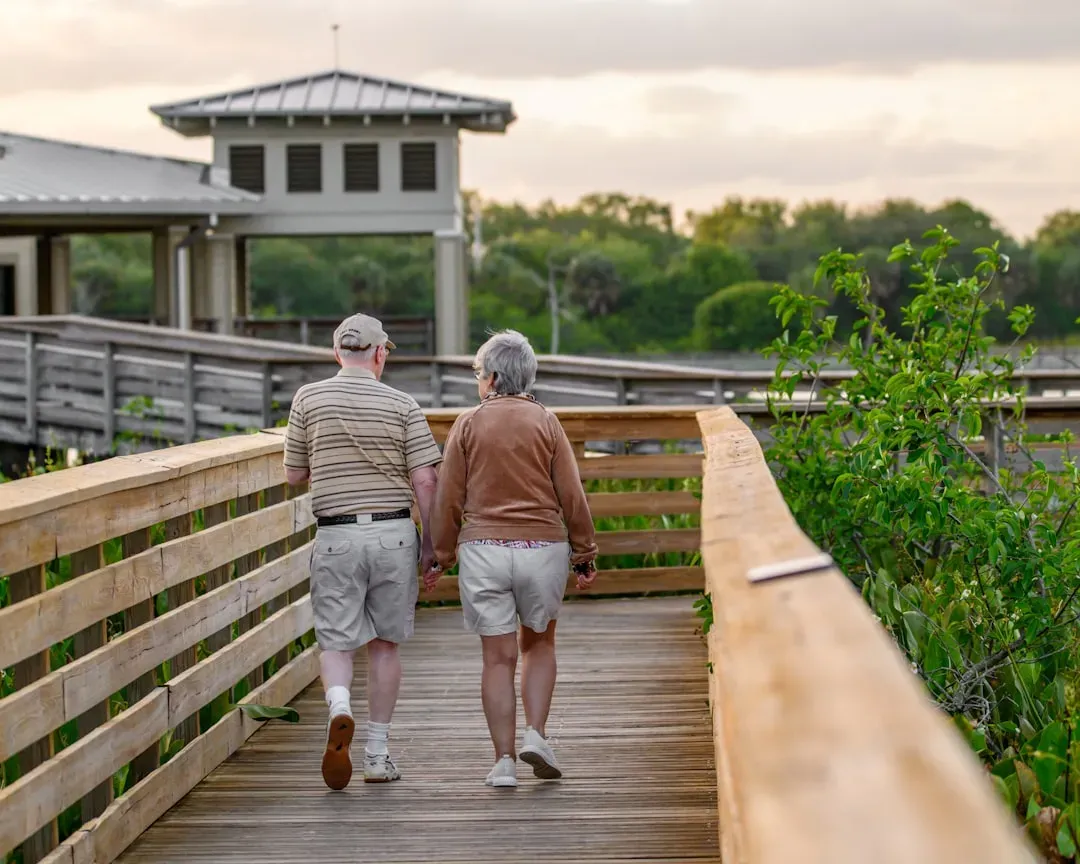
Before I even stepped foot inside a single facility, I started looking at the numbers. Florida has the highest share of residents age 65 and older in the nation, nearly 22 percent, according to a 2025 Florida Health Justice Project report that cites U.S. Census QuickFacts and Florida’s State Plan on Aging. That’s roughly one in five people in the entire state.
The same analysis notes that Florida’s age wave means more people will need help with daily living, memory care, and medical support in the years ahead. Think about that. The demand is enormous and growing fast. When I visited facilities in both the Tampa Bay area and the Gulf Coast, every single staff member I spoke with mentioned being stretched thin.
An August 2025 analysis of Census figures found that Florida ranked first for net migration among people 60 and older in 2023, with more than 143,000 retirees moving in and a net gain of over 44,000 older residents. That is a lot of people all competing for the same beds, the same staff, and the same quality care. It’s like everyone trying to squeeze through the same revolving door at once.
2. The Cost Will Hit You Like a Wall

Let me be real with you: the sticker shock is severe. Long-term care financial company Genworth reported in 2024 that the average cost of assisted living in Florida is $4,750 per month – and that cost has increased by nearly 19 percent since the last report in 2021. That’s almost $57,000 a year, before any add-ons.
The national annual median cost of a semi-private room in a nursing home rose to $111,325 in 2024, an increase of 7 percent, while the cost of a private room in a nursing home increased 9 percent to $127,750. Florida often costs more than the national median, depending on the location. When I toured a memory care wing at one facility near Sarasota, the monthly fee for a private room clocked in around $12,000. Per month.
Inflation was the top factor contributing to cost increases for assisted living communities, nursing homes, and adult day care centers – while for home care services, labor costs were the top contributing factor. The math is brutal, and it’s only going one direction. Many families I spoke with in waiting rooms and lobbies had no idea what they were walking into financially until they were already in.
3. Costs Are Rising Far Faster Than Inflation

Here is the thing that bothered me most when I sat down and really studied the numbers. The annual median cost for assisted living care jumped 10 percent, from $64,200 in 2023 to $70,800 in 2024. That is not a modest uptick. That is a significant leap in a single year.
The 2024 Cost of Care Survey conducted by Genworth and CareScout found that costs increased across all care types, and while homemaker and assisted living community costs increased the most at 10 percent, the increase for most care types continued to outpace inflation. Your parents’ retirement savings are not likely growing at that same rate.
Sticker shock is often the moment families realize they waited too long to plan. I watched this play out in real time on one of my tours. A daughter was crying quietly in the hallway of a facility because she’d just been handed the pricing sheet. Plan early. Plan aggressively. Do not assume Medicare covers most of this – it largely does not.
4. Staffing Shortages Are Everywhere, and the Problem Just Got Worse

Every single facility I toured had staffing challenges. You could feel it. Call lights blinking unanswered. Staff who looked genuinely exhausted. One aide at a facility in the Orlando area told me quietly that they were consistently short two or three people per shift. Industry commenters have stated that staffing in nursing homes has not rebounded as well as it has in other care settings, and recruiting remains a challenge – raising concerns that some facilities will have to close because they are unable to meet minimum staffing levels.
Nursing staff in Florida, including aides and assistants, provided an average of 3.86 hours of care per resident per day – a 30-minute reduction from 2021, with a 16-minute reduction following the enactment of new and reduced staffing standards, according to an AARP report. Less time per resident means more corners cut and more risks taken.
Making matters significantly worse: on December 3, 2025, the Trump administration published an Interim Final Rule withdrawing Biden-era standards that established minimum staffing requirements for nursing homes under Medicare and Medicaid. The agency is also removing the requirement for nursing homes to have 24/7 onsite RN services and is reinstating its prior policy requiring facilities to use the services of an RN for at least eight consecutive hours a day, seven days a week. That’s a massive rollback for resident safety.
5. Quality Deficiencies Are More Common Than You’d Think

I went into this process trusting the star ratings on the CMS Care Compare website. I came out considerably more skeptical. Nursing facilities receive an average of 9.5 deficiencies over the course of a survey cycle, and 27 percent of facilities receive deficiencies for actual harm or jeopardy. That is more than one in four facilities doing something that put residents in genuine danger.
Both the average number of deficiencies and the share of facilities with serious deficiencies have increased over time, which could reflect increased oversight and low staffing levels that lead to staffing-related deficiencies – and between 2015 and 2025, the average count of deficiencies per nursing facility increased from 6.8 to 9.5, an increase of roughly 40 percent.
Commonly cited deficiencies include a failure to provide necessary care, failure to report abuse or neglect, and violation of infection control requirements. These are not minor paperwork issues. These are things that directly affect whether your parent is safe, clean, and cared for on a Tuesday afternoon when no one is visiting.
6. Private Equity Ownership Is Quietly Reshaping These Facilities
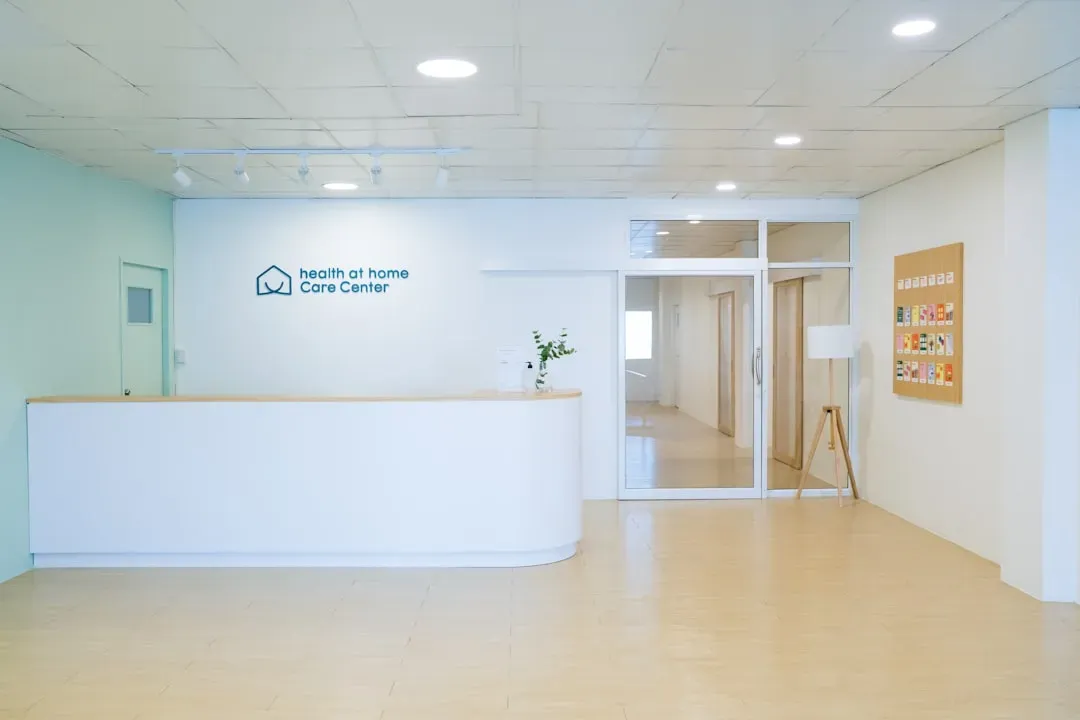
This one caught me completely off guard. I knew private equity was involved in hospitals. I had no idea just how deeply it had penetrated the senior care world in Florida. AARP’s latest report on nursing home staffing standards reveals troubling trends in Florida nursing homes following a wave of private investor acquisitions – with facilities purchased by private equity groups seeing their average federal quality ratings drop from 3.4 to 2.9 stars, while direct care staffing fell by 13 percent, cutting 33 minutes of care per resident per day.
Complex ownership structures make accountability difficult, and more than 60 percent of Florida’s nursing homes have changed hands in the past five years. Let that sink in. More than half the nursing homes in the state have new owners within the last five years. The shiny lobby and the friendly tour guide can hide a lot about who actually controls the place.
Research shows that private equity investment resulted in a 7 percent relative decline in RN hours per resident day and a 14 percent relative increase in deficiency score index. The incentives of profit-driven ownership do not always align with the goal of excellent elder care. That’s not an opinion – it’s what the data shows.
7. Extreme Heat Is a Real and Underestimated Threat

Nobody in the glossy brochures mentions what July feels like in Florida when you’re 82 years old and the power goes out. Extreme heat causes more weather-related deaths in the United States than hurricanes, flooding and tornadoes combined, and Florida has been known to break several heat records. This is not abstract risk – it’s a documented pattern.
A cluster of regions stands out as “hotspots” distinguished both by high levels of heat exposure and older populations – and these hotspots are concentrated in Florida’s coastal regions that are retirement destinations. The very places retirees are flocking to are the most heat-exposed communities in the country.
The multiple heat-related deaths of Florida nursing home residents following an extensive power outage during Hurricane Irma in 2017 starkly reveal how climate change-driven increases in ambient temperatures threaten older adults. After Irma, Florida did mandate generator requirements for facilities, but power outages can still last longer than any backup system was designed to handle.
8. Hurricane Risk Is Not Equally Distributed – and Seniors Are the Most Vulnerable
I toured a beautiful facility about a mile from the coast near Fort Myers. It looked stunning. It also sits in one of the most hurricane-vulnerable stretches of the entire United States. Florida is one of the most vulnerable states to natural disasters, especially hurricanes, due to its tropical climate, exposure to oceans from three sides, and low sea-level elevation.
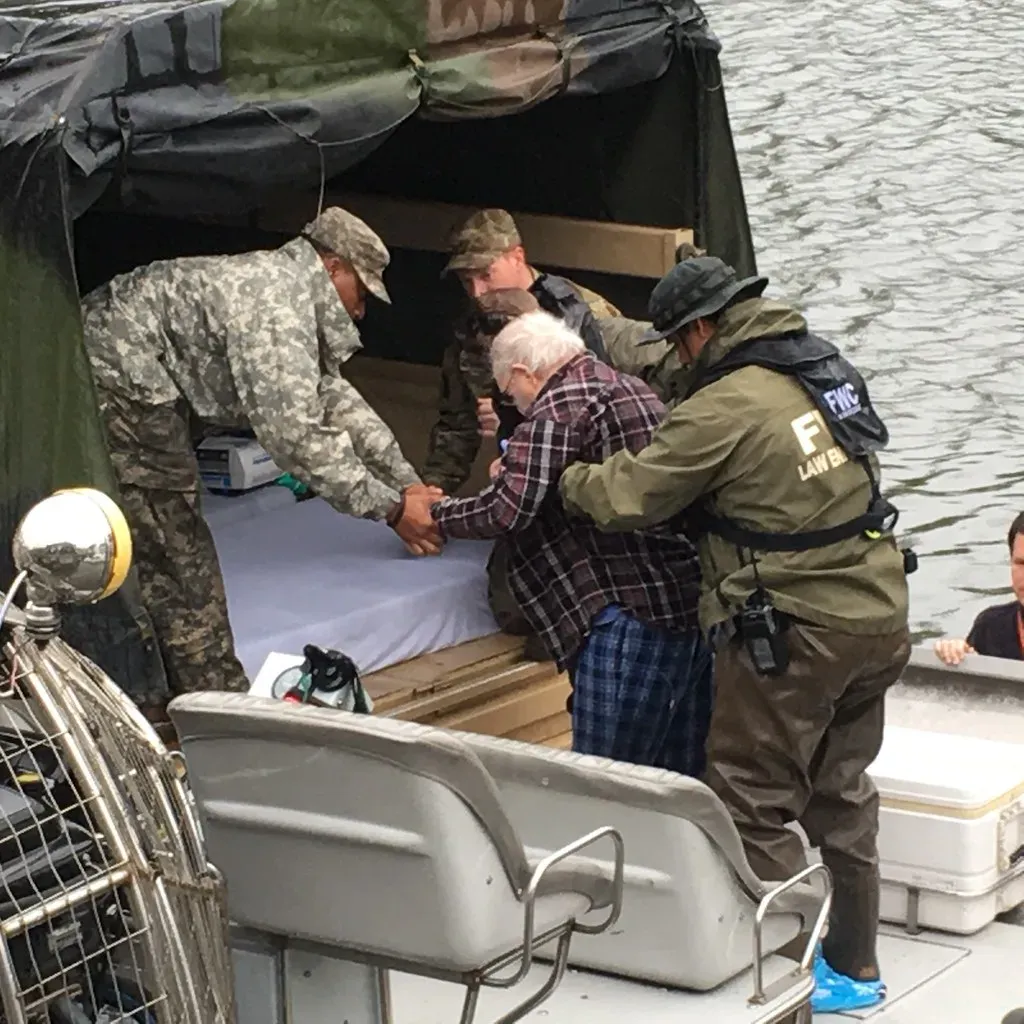
During Florida’s Hurricane Ian in 2022, two thirds of deaths were people age 65 and older. Ian caused catastrophic damage, and many of those deaths occurred in retirement communities and nursing facilities that were simply not equipped for a storm of that magnitude. Hurricane Ian, a Category 4 hurricane, struck on September 28, 2022, resulting in 156 casualties, with two thirds of them being seniors.
The recurring hurricanes, coupled with a high percentage of seniors and newly moved retirees lacking hurricane experience, pose a complex challenge for effective evacuation planning. If your parent has mobility issues, dementia, or requires medical equipment, evacuation during a major storm is not just hard – it can be genuinely life-threatening in its own right.
9. The Retirement Migration Tide Is Actually Turning

Here’s something the Florida tourism board definitely doesn’t want you to know. A 2024 AARP Florida brief on migration trends reported that Florida’s net in-migration fell by about half between 2022 and 2023, even as the state still gained more people than it lost. The slowdown is real, and the reasons are becoming clearer.
Climate concerns are also playing a role in this geographic shift, with the 2024 hurricane season leading many retirees in the Southeast to reconsider their proximity to the coast and seek more stable climates where their Social Security checks can stretch further. I spoke with three families during my tours who were actively reconsidering the move.
North Carolina and Tennessee have emerged as the primary beneficiaries of the Florida exodus, with cities like Asheville and Knoxville attracting thousands of retirees seeking four distinct seasons without the brutal winters of the deep North. It’s a quiet shift happening largely below the radar, but the data is starting to confirm it.
10. What You Should Actually Do Before Signing Anything
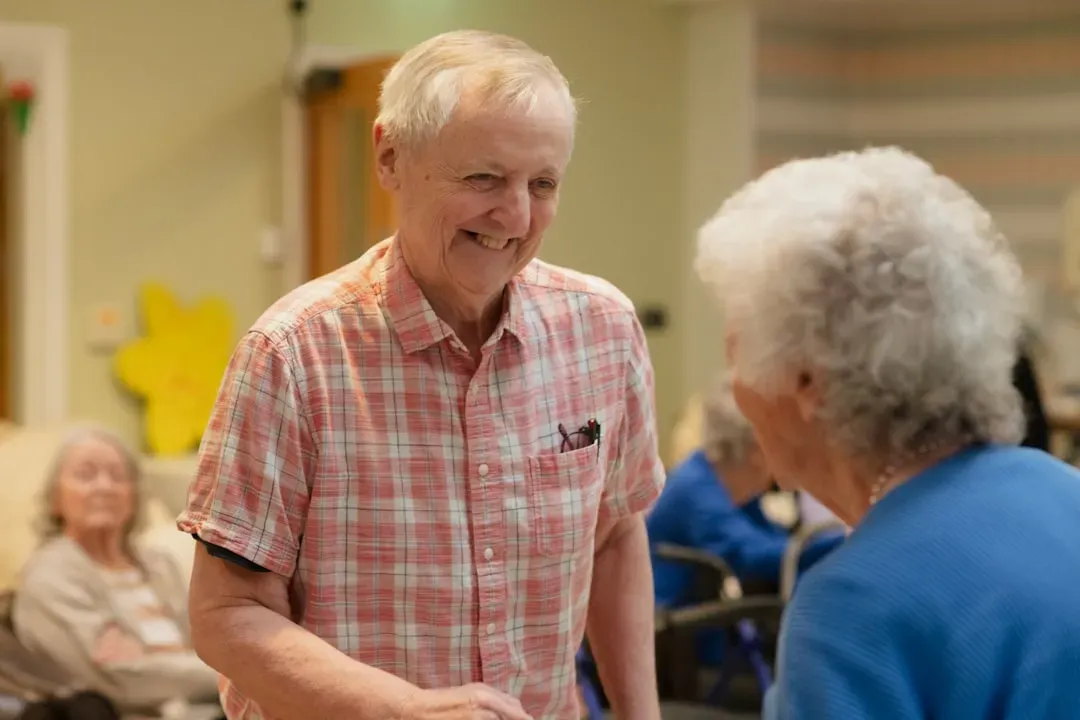
Look, I’m not saying Florida is universally terrible for retirees. There are genuinely excellent facilities in the state, and some families have had wonderful experiences. But the gap between the best and worst options is enormous, and the marketing materials will not help you tell the difference. That density of options gives you choices, but it also creates wide price and quality differences between communities and agencies.
Visit unannounced if you can. Talk to actual residents, not just staff. Check the CMS Care Compare website for deficiency histories and staffing data. Ask specifically who owns the facility and whether it has changed hands in the last five years. And for any coastal location, pull up FEMA flood zone maps and evacuation zone designations before you fall in love with the lobby.
Most importantly, understand the true cost before you commit. Every day until 2030, 10,000 Baby Boomers will turn 65, and 7 out of 10 people will require long-term care in their lifetime. This decision is not just about where your parents want to spend their days – it’s about financial planning, safety, and quality of life for potentially a decade or more. Get it right the first time.
The Bottom Line

After two weeks, five tours, and more conversations than I can count, I sat my parents down and gave them my honest assessment. Florida isn’t off the table permanently, but it needs to be approached with open eyes, rigorous research, and a serious financial plan. The dream sold in the brochures is real for some people. For others, it becomes a very expensive and stressful surprise.
The sunshine is real. The palm trees are real. The costs, the staffing gaps, the heat risks, and the hurricane vulnerability are also very real. Don’t let the marketing make the decision for you.
What would you want your own kids to know before choosing a place for you? That question might be the best place to start.