
I live in a sleepy small town where the water comes straight from nearby lakes and rivers. Folks here swear by the tap, calling it crisp and clean after our local treatment plant does its job. Lately though, headlines about invisible plastics everywhere started nagging at me.
One evening, staring at my glass, I wondered if those tiny invaders had reached us too. Honestly, it felt ridiculous at first, like chasing ghosts. Yet curiosity won, so I rolled up my sleeves to find out for myself. Stick around, because the truth shook me more than I expected.
Why I Finally Took the Plunge
News stories kept popping up about microplastics sneaking into everyday water supplies. A 2023 study in Environmental Science & Technology revealed that 83 percent of global tap water samples contain these particles, proving no place stays untouched. Living far from big cities, I figured our rural setup might dodge the worst.
Still, reports from the U.S. Geological Survey showed microplastics in over 90 percent of sampled American water sources, including groundwater that feeds small towns like mine. That hit close to home. I couldn’t shake the thought of swallowing unseen plastic with every sip, so testing became my mission.
Picking a Reliable Home Test Kit
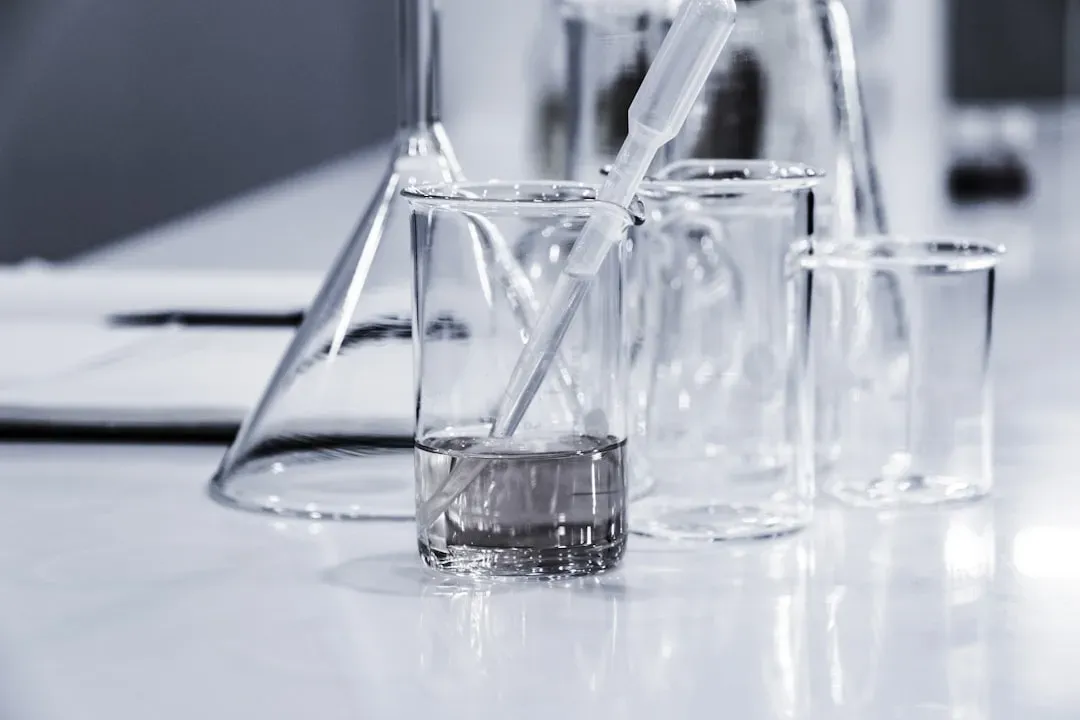
Home test kits for microplastics have exploded in popularity since 2023, with brands like Tap Score offering lab-accurate results sent right to your door. These kits use filtration and microscopy to spot particles down to tiny sizes, far better than guesswork. I chose one after reading reviews praising their precision over basic DIY filters.
No fancy lab needed, just collect, filter, and ship. Experts note these methods match EPA guidelines for measuring microplastics in water. For about a hundred bucks, it felt worth every penny to uncover the facts in my own pipes.
Collecting My First Water Samples
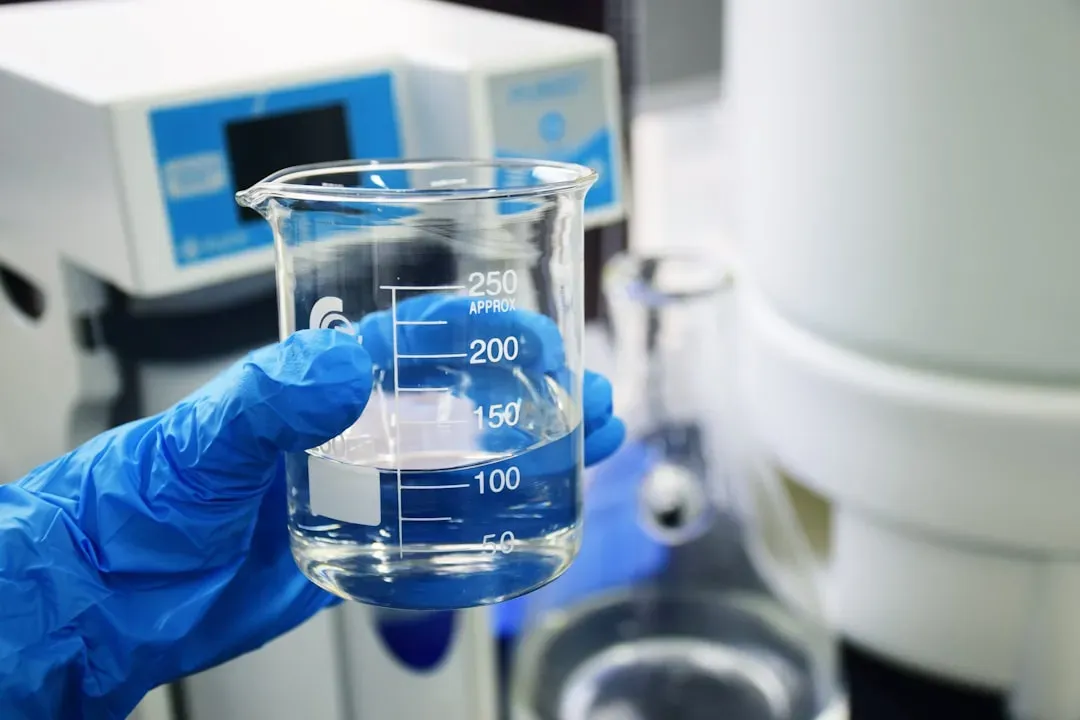
I started simple, filling sterile bottles from the cold tap first thing in the morning, before any pipes flushed out overnight buildup. Guidelines from environmental groups stress avoiding contamination, so glassware and gloves became my new best friends. Multiple samples from kitchen, bathroom, even outside hose ensured a full picture.
Filtering at home caught visible bits right away, but the real work waited at the lab. This step mirrored protocols from a 2026 guide by Environment America for testing local waters. Seeing specks on the filter already creeped me out, hinting at worse to come.
The Anxious Wait for Lab Results
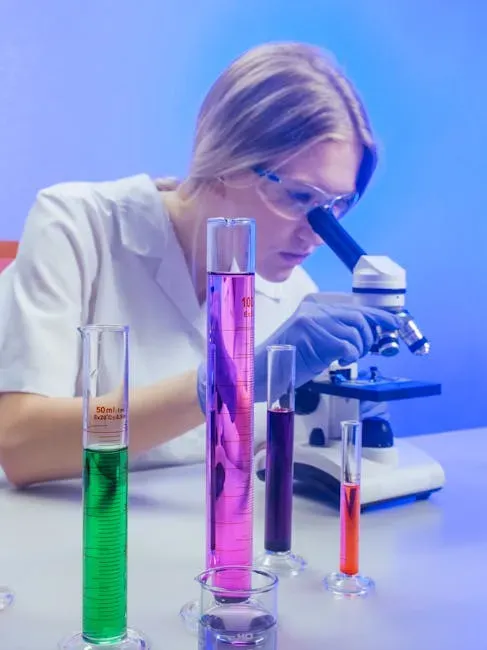
Days dragged as I shipped samples to the certified lab, second-guessing every step. Turnaround promised a week, packed with optical and polarized light microscopy for accurate counts. Meanwhile, I dug into stats, learning water treatment plants often let particles slip through despite best efforts.
Patience tested, I avoided bottled water too, recalling a 2024 Columbia University study finding 240,000 plastic particles per liter in bottles, mostly invisible nanoplastics. Tap seemed safer in comparison, yet doubt lingered. Finally, the email arrived, and my stomach dropped.
Shocking Findings from My Tap
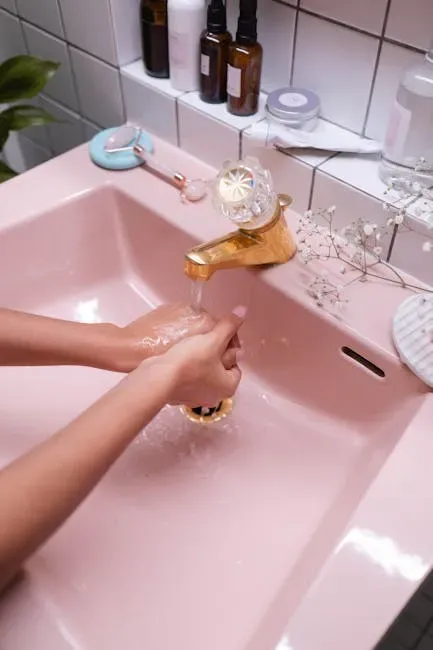
Results confirmed microplastics in every sample, with counts rivaling urban averages despite our small-town source. Particles ranged from fibers to fragments, many under 10 microns, per the lab’s detailed report. This matched widespread U.S. data where 94 percent of tap samples test positive.
No safe haven here, even with our pristine lakes nearby. The sheer number terrified me, like finding intruders in my daily routine. Honestly, I stared at the faucet differently from that moment on.
Unpacking What Microplastics Actually Are
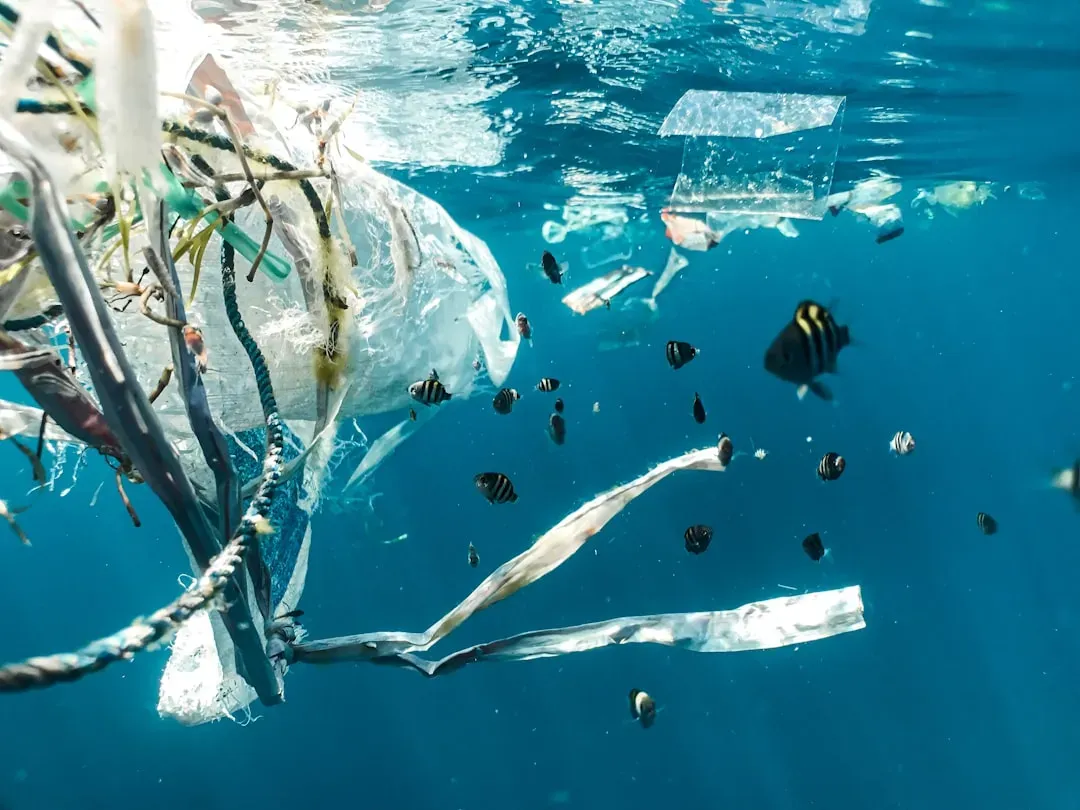
These invaders measure under five millimeters, breaking down from larger plastics via weathering and wear. Nanoplastics, even tinier, slip past filters easily, as a 2024 review in Nature Reviews Earth & Environment detailed. They hitch rides in rivers, air, even our treatment systems.
In my case, fibers likely came from synthetic clothes washing downstream, fragments from degrading waste. The World Health Organization confirms their presence in drinking water globally. Knowledge like this turns ignorance into real worry.
The Bigger Picture of Contamination
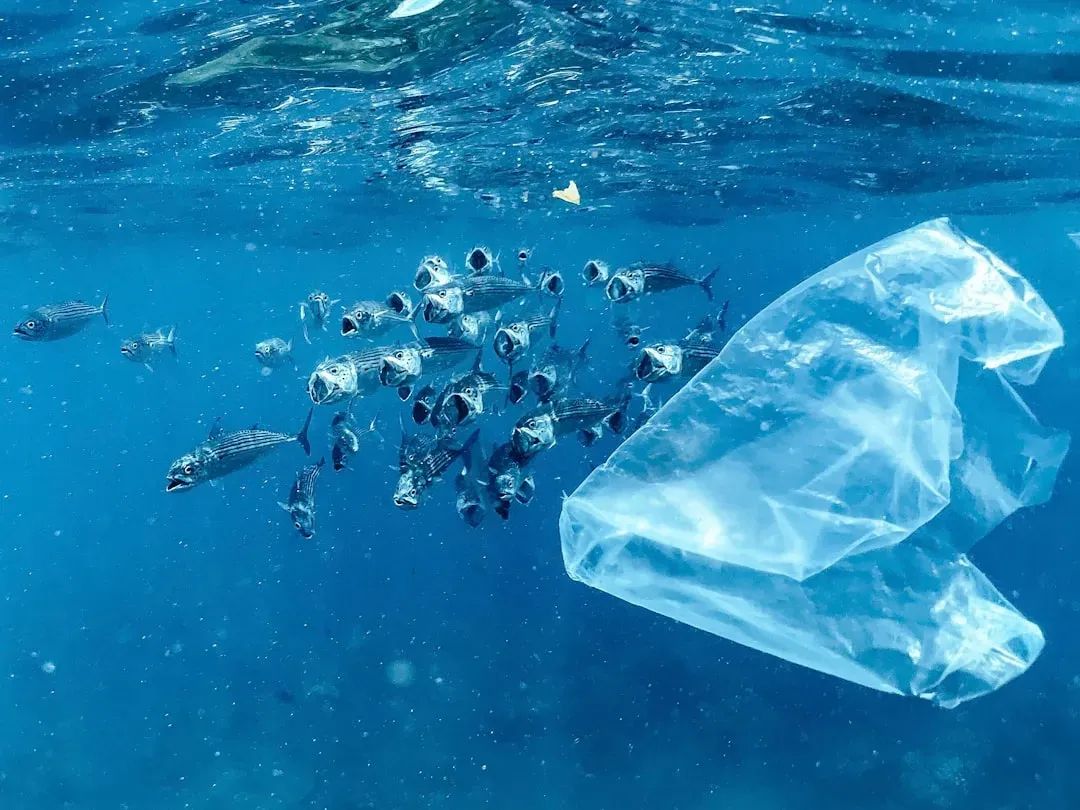
A 2023 United Nations Environment Programme report warned plastic pollution could triple by 2040 without action, flooding more water sources. U.S. surveys echo this, with microplastics in rural taps just as common as city ones. Bottled water often fares worse, holding three times more nanoplastics than treated tap per recent Ohio State findings.
Our small town’s plant tries, but studies show standard filtration misses most. USGS data backs this ubiquity across America. No escaping it feels like the harsh reality now.
Health Shadows Looming Large
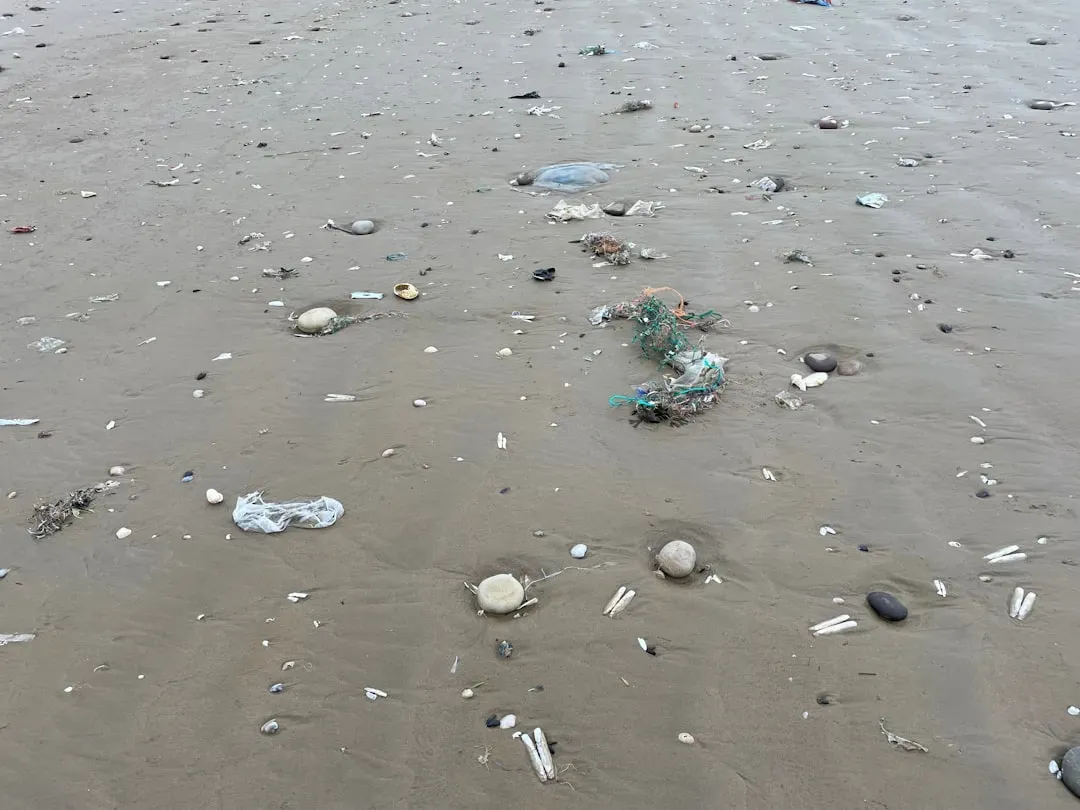
Microplastics turn up in human blood, lungs, and placenta, per that 2024 Nature review, sparking fears of deeper harm. A 2025 analysis links long-term exposure to inflammation and oxidative stress, though full impacts need more study. University of Newcastle estimates we ingest credit-card weight in plastic weekly via food and water.
Nanoplastics penetrate cells readily, heightening risks. This keeps me up, wondering about buildup over years. Science urges caution, and my results scream it’s personal.