There’s something almost mythological about the idea of packing up your city life, buying a patch of rural land, and learning to grow your own food. Social media makes it look poetic. The chicken coops are always picturesque. The gardens never fail. Honestly, it sounds like the ultimate escape from the noise, the rent, the commute, and the relentless pressure of modern urban life.
I bought into it completely. For twelve months, I tried homesteading in Missouri. I planted, I raised animals, I fixed fences in the rain, I woke up before the sun every single day. Some of it was genuinely beautiful. Some of it nearly broke me. Here’s everything I learned, including the three real reasons I’m packing up again. Let’s dive in.
Why Missouri Seemed Like the Perfect Place to Start
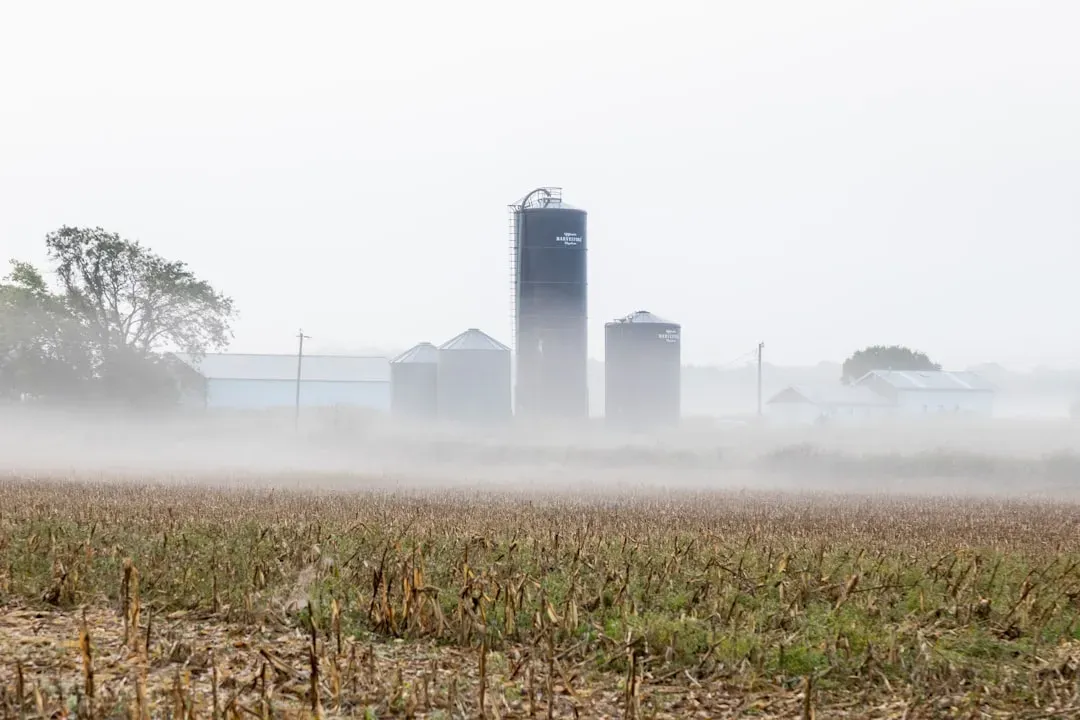
Let’s be honest – Missouri looks great on paper for anyone dreaming of homesteading. Missouri has the seventh lowest cost of living out of all fifty states, with the seventh lowest median cost per acre. That combination is rare, and it’s exactly what drew me in. Affordable land in a geographically diverse state felt like winning the lottery before even planting a single seed.
With its diverse landscape, fertile soil, and affordable land prices, Missouri has become an attractive destination for both novice and experienced homesteaders. From the rolling hills of the Ozarks to the rich farmland in the northern regions, it provides an ideal environment to cultivate crops, raise livestock, and establish a self-sufficient homestead. I visited in spring. Everything was green. The air smelled incredible. I signed the papers on a small rural property within sixty days of that first visit.
The region’s culture is known to be quite open and friendly, with many parts of the state already occupied by homesteaders, so communities are available. That was reassuring to read. Meeting established homesteaders locally, I thought, would be my safety net. What I didn’t fully account for was how far apart those communities actually are in practice.
The Reality of Missouri’s Agricultural Climate
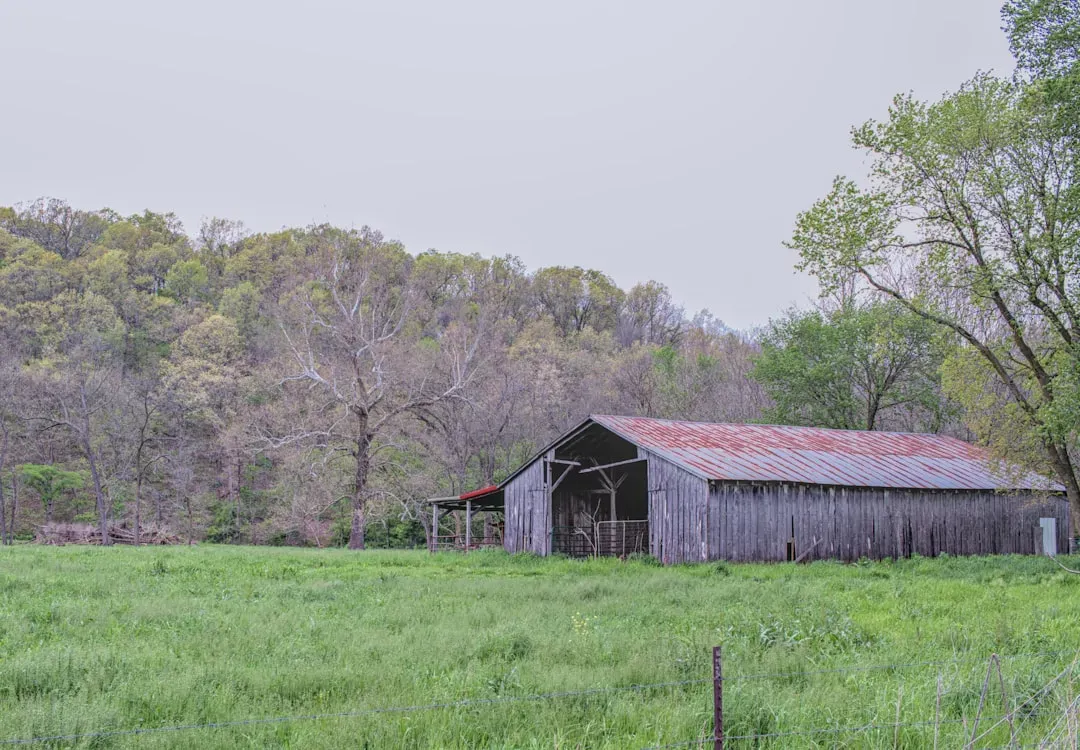
Growing food sounds romantic until the weather decides otherwise. Missouri’s climate is genuinely unpredictable, and that unpredictability has serious consequences for anyone trying to be self-sufficient. Agricultural producers have faced significant challenges, including one of the worst droughts in years, record-high commodity prices for some and catastrophically low prices for others. I experienced this firsthand during my second planting season.
In 2023, state corn yields were estimated to be sixteen bushels below trend yields, with much of the state experiencing extreme drought conditions. You can do everything right and still lose crops to forces completely outside your control. That’s a hard lesson. Farming is humbling in a way that no book or YouTube channel can adequately prepare you for.
Missouri’s growing season can be abundant, but winter comes fast, making food preservation a cornerstone of homestead life. Missouri’s humid summers can sometimes challenge drying projects. In short, the climate gives and it takes, often without warning and rarely on your schedule.
The Urban-to-Rural Migration Wave Nobody Talks About Honestly
I wasn’t alone in making this move, not by a long shot. The increase in remote work that followed the COVID-19 pandemic contributed to a major shift in migration patterns. Millions of people suddenly realized they didn’t need to be tied to a city anymore. The dream of rural life exploded across every platform.
Rural communities in the United States grew for a fourth straight year, according to Census estimates. Nonmetropolitan counties grew by 134,000 residents between 2023 and 2024, reversing a decade-long trend of population decline that happened between 2010 and 2020. That’s an enormous number of people making the same leap of faith that I made.
Here’s the thing, though. Even though rural America had an overall population gain between 2020 and 2023, just forty-five percent of all rural counties gained population. Most of the recent increase accrued to high amenity recreational and retirement areas. In other words, the growth was clustered and uneven. Many places people romanticize on social media don’t reflect that broader, messier reality.
Wildlife, Pests, and the Garden That Fought Back
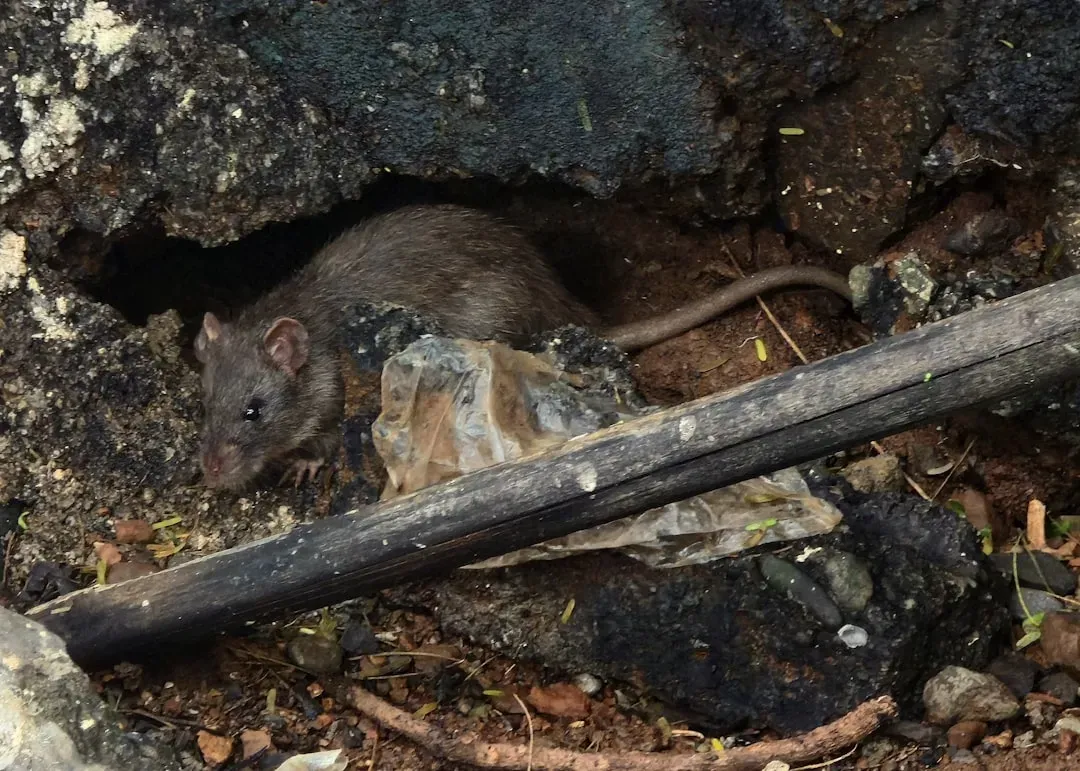
I planted a beautiful garden. I really did. I was proud of it. Then the deer found it. Then the raccoons. Then what I can only describe as an organized criminal enterprise of groundhogs. Missouri’s abundant wildlife is both a blessing and a challenge. You’ll encounter deer, raccoons, rabbits, and groundhogs that see your garden as an open buffet. Add in pests like squash bugs, Japanese beetles, and ticks, and you’ve got a full-time management job.
I know it sounds crazy, but I genuinely underestimated ticks. Removing ticks became a daily ritual. Missouri is also home to invasive species that creep in from neighboring states. External influences from nearby states can impact a homesteader’s experience in Missouri. Invasive plant species, pests, and animals can originate from neighboring states and make their way onto small acreage. Homesteaders should be prepared to address these potential issues to prevent further harm to their land.
The soil itself requires attention too. It’s crucial for homesteaders in Missouri to be aware of the potential for chemicals in the soil, water, and air. Ensuring that your small acreage is free of harmful substances is essential for healthy crops, animals, and people. I had my soil tested three times in the first year alone. That’s a cost and a time commitment most beginner homesteaders don’t factor into their romantic vision.
Reason 1: The Healthcare Crisis in Rural Missouri Is Not Hypothetical

This is the one that genuinely scared me. Not the snakes, not the storms, not the crop failures. The healthcare situation in rural Missouri is a real and documented emergency. Over the past decade, rural Missouri has lost thirteen percent of its hospitals, and nearly half of those still operating are running at a loss. As a result, many residents must travel an additional thirty to forty miles for emergency care.
Rural patient cancer mortality is thirteen percent higher than that of urban patients; rural maternal mortality is twice as high as urban maternal mortality; and rural mortality overall is forty-three percent higher than urban mortality across natural causes. Those are not small statistical differences. Those are life-and-death gaps. Living thirty or forty miles from the nearest emergency room with unreliable roads in winter is not an abstraction.
Workforce shortages, limited transportation options, inadequate broadband access, unstable housing, and persistent rural poverty restrict access to care across entire regions. These pressures disproportionately affect rural residents and are especially concentrated in southeast Missouri. I had a health scare in month eight. The drive to the nearest equipped facility took over an hour. That experience shifted something fundamental in how I thought about staying.
Reason 2: The Loneliness Nobody Warned Me About
I am not an introvert. That matters here. Some people are introverts, energized by being alone, and some are extroverts, energized by being with people. Some people are project-motivated and perfectly happy spending hours alone working on the next big thing, while others are people-motivated and require human connection to feel healthy and valued. I needed people. Rural Missouri, for all its charm, made that incredibly hard to get consistently.
Social isolation and loneliness are widespread problems in the United States, posing a serious threat to mental and physical health. About one in three adults in the United States report feeling lonely. That number is already alarming in a national context. In rural environments, the structural barriers make it significantly worse. Transportation challenges, built environments that are not conducive to social interaction, more limited economic resources, and less access to broadband internet and cellular connectivity all compound the problem.
Loneliness among rural populations, who consistently experience disproportionately higher rates of suicide and other forms of premature mortality, is often understudied. Honestly, this surprised me when I looked it up. The cultural expectation is that rural communities are tight-knit and warm. Sometimes they are. Still, geographic distance between neighbors is real, and driving twenty minutes to have coffee with someone is not the same as walking across the street.
Reason 3: The Financial Math Simply Doesn’t Add Up
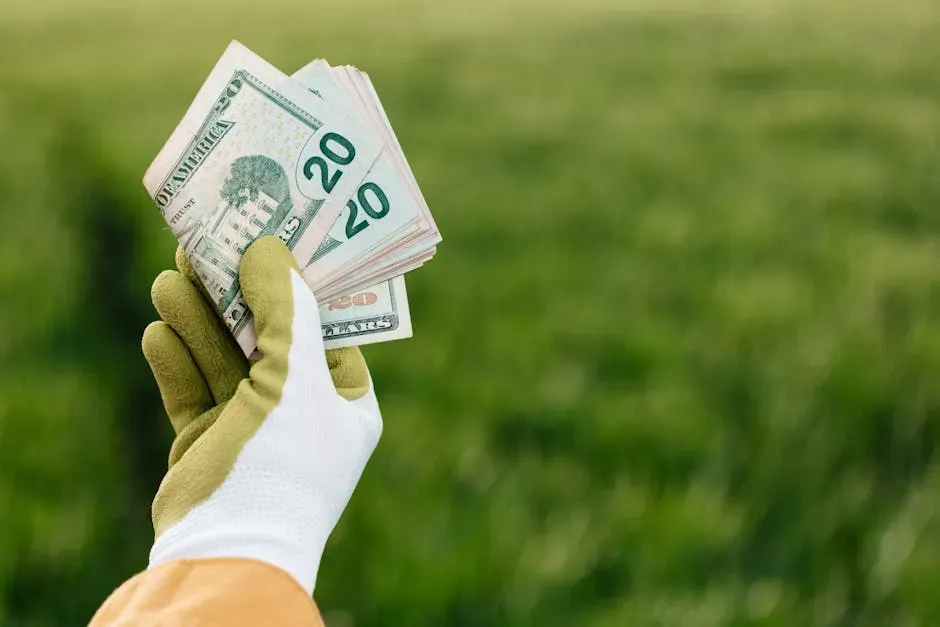
I went in thinking homesteading would save me money. It is, after all, positioned as a path to self-sufficiency and financial freedom. The reality is more complicated, especially in the early years. Setting up a functional homestead requires enormous upfront investment in tools, fencing, seeds, animal stock, water systems, and infrastructure repairs that previous owners never bothered with.
Lower farm income is expected to continue, with cash receipts forecasted to be lower than previous year levels. Even experienced Missouri farmers faced shrinking margins during my time there. For a first-year homesteader with no established systems and no backup income stream, that financial pressure is genuinely crushing. Think of it like starting a restaurant without ever having cooked professionally, and also the restaurant is in the middle of a drought.
Those living in rural Missouri earn less than those in urban areas and have higher rates of poverty. Rural Missourians are also more apt to drop out of high school and have higher unemployment rates. These are structural economic realities that don’t disappear just because someone moves in with big dreams and a sourdough starter. Remote work helped me financially, but the infrastructure for reliable internet in truly rural parts of Missouri was patchy at best.
The Ozarks Dream vs. the Ozarks Reality
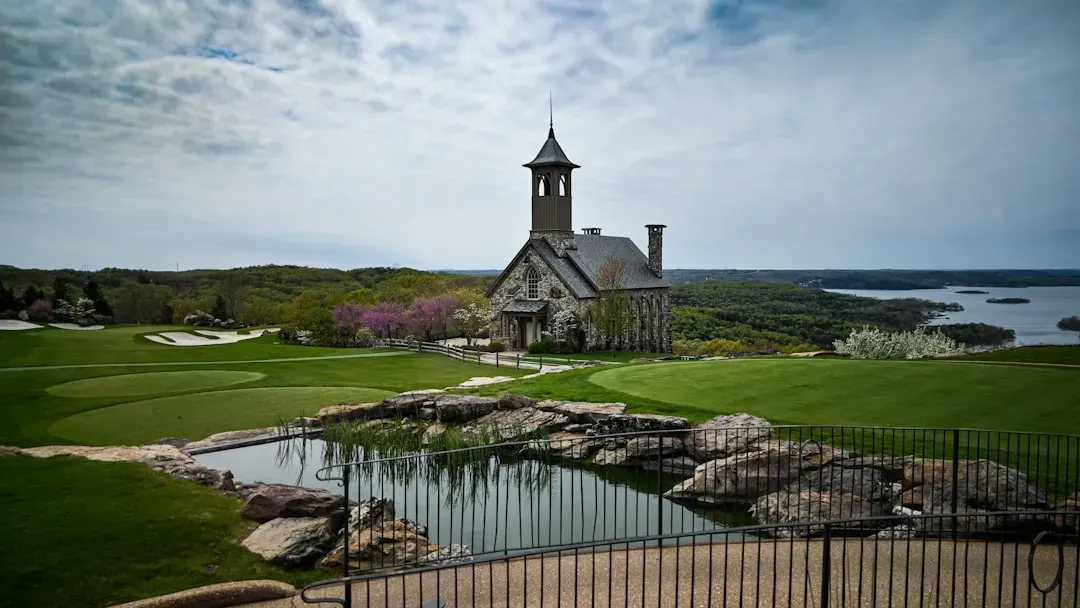
The Missouri Ozarks in particular carry a mythic reputation in homesteading circles. And I get it. The landscape is genuinely stunning. Population growth was common in nonmetro counties across the Missouri Ozarks, which tells you something about how many people are chasing the same dream I was chasing. Where people flow, so do the complications of inflated land demand and shifting community dynamics.
The Ozarks terrain is not forgiving for farming beginners. Missouri’s terrain varies significantly, featuring hills, river bottoms, and plateaus. Those gorgeous rolling hills that look amazing in photographs are genuinely difficult to farm efficiently. Flat, fertile land for crops is not as abundant as Instagram would have you believe.
When considering negative impacts on Missouri’s farmland market, respondents cited crop prices, interest rates, and exports as primary factors applying downward pressure. Land values are shifting. Timberland had the largest statewide value increase, at nearly fifteen percent, with an average value exceeding five thousand dollars per acre. The cheapest viable farmland is becoming less cheap, fast.
What Homesteading Did Teach Me
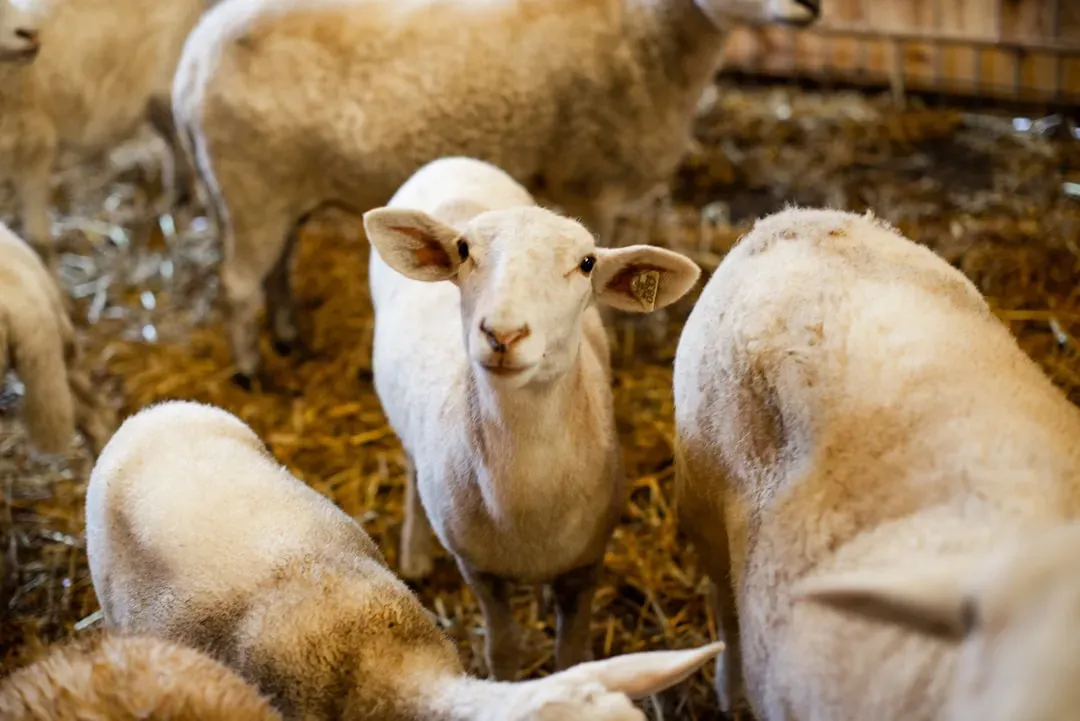
I don’t want this article to read as purely negative, because that would be dishonest. Homesteading in Missouri gave me things I genuinely could not have gotten elsewhere. I learned to fix things with my hands. I learned patience in a way that no meditation app could teach. I understood for the first time, in a visceral and meaningful way, where food actually comes from and how fragile that supply chain really is.
The “rat race” has become overwhelming to many, and they are looking for alternatives with long-term rewards. The most common reason for transitioning to homesteading is wanting to be independent. That impulse is completely valid and I share it. The problem isn’t the impulse. It’s the gap between what homesteading looks like online and what it actually demands of a real human body and mind, day after day, month after month.
While homesteading in Missouri offers freedom, fulfillment, and the joys of self-reliance, it also comes with real challenges. Knowing how to handle these ups and downs can make the difference between thriving and feeling overwhelmed. Honestly, that sentence does a lot of work. Knowing how to handle things is the entire difference. And that knowledge takes years, not months, to build.
Coming Back to the City: An Honest Reckoning
Moving back felt like admitting defeat for about the first two weeks. Then it started feeling like something else entirely: wisdom. The common thread running through the stories of formerly lonely homesteaders is that the initial transition period to country living is the hardest. For some people, that initial period leads to a permanent, deeply rewarding new life. For others, it’s a year-long education with an honest conclusion at the end.
I’m not anti-homesteading. I’m pro-reality. The movement is real and it matters, and the people who make it work long-term are tougher, more patient, and more prepared than I was. As society and technology progress, people are turning back to the basics and finding the best of both worlds in homesteading. Homesteading is a lifestyle committed to self-sufficiency and can be used for many different purposes. That’s genuinely beautiful. It’s also not for everyone, and saying so out loud is not a failure.
If you’re considering making the same leap, I’d say this: go in with eyes wide open about healthcare access, financial runway, and your own honest personality type. Do not underestimate isolation. Do not over-romanticize the land. Visit for a full winter before you buy anything. Missouri is a remarkable place. It just asked more of me than I had to give right now. What would you have done differently? Tell us in the comments.