
There are places in this world so extreme, so almost impossible, that they feel like something out of a science fiction novel. Death Valley is one of them. The hottest place on earth, a landscape that tries to kill you at every turn, a landscape so far outside the comfort zone of most living things that you start to wonder how anything survives here at all.
Yet something does. Something tiny. Something ancient. And honestly, seeing it with your own eyes is one of the strangest, most humbling experiences nature has to offer. Let’s dive in.
The Drive Out There Is Not for the Faint of Heart
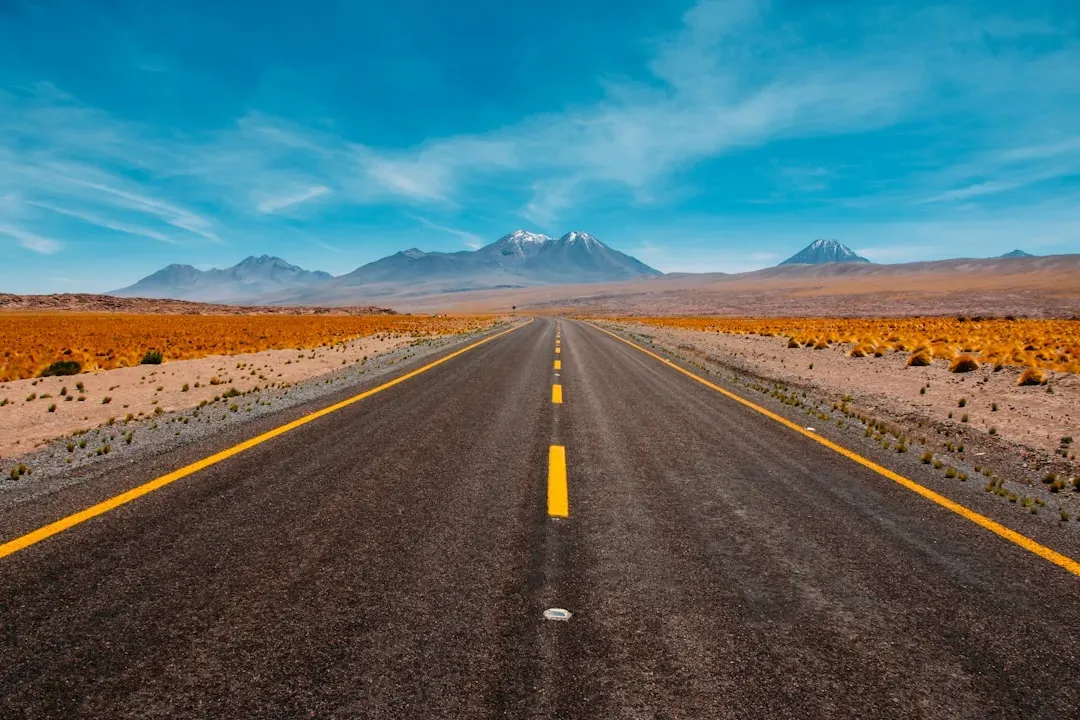
Getting to Devils Hole is not like driving to a regular national park attraction. It sits in a detached section of Death Valley National Park, tucked inside the Ash Meadows National Wildlife Refuge in southern Nevada’s Amargosa Valley, over 40 miles from the park’s main visitor areas. The refuge and Devils Hole are accessed via Spring Meadows Road, and refuge roads are dirt and gravel, where higher clearance or four-wheel drive vehicles may be required depending on conditions. You really do need to prepare.
The road out there is desolate in the most beautiful, eerie way. Nothing but scrubland, dry hills, and a blinding Nevada sun. I kept thinking: why would any creature choose to live out here? Then I remembered it didn’t choose. It just survived. That’s the whole point.
What You’re Actually Looking At When You Arrive
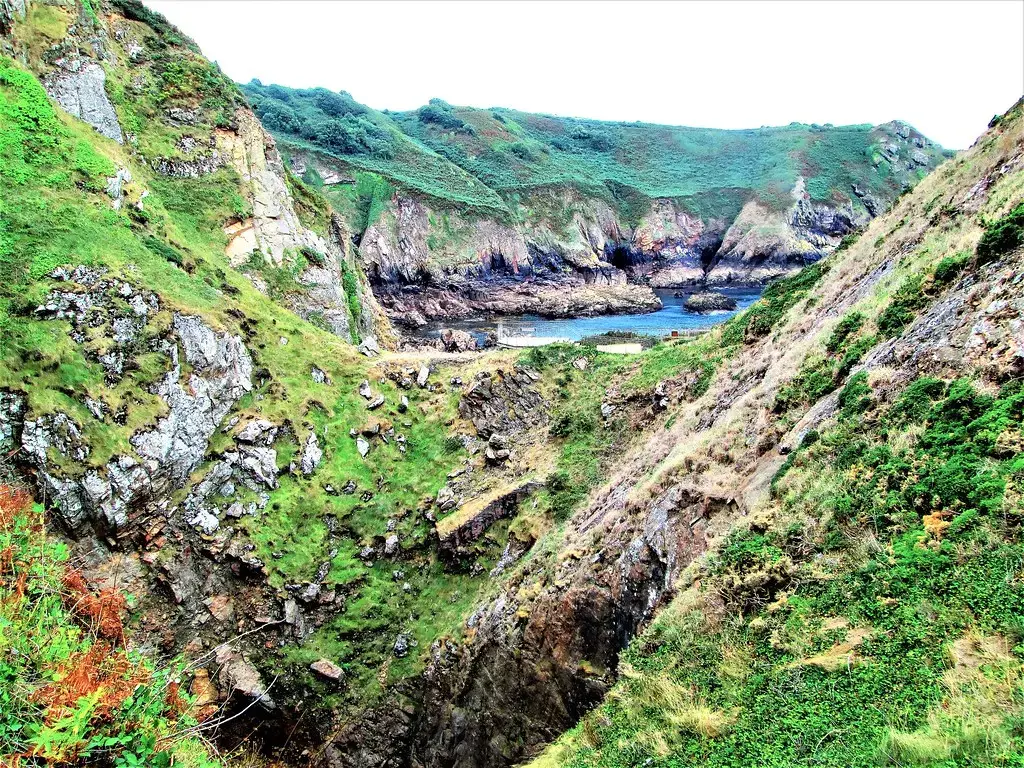
Located in the Ash Meadows National Wildlife Refuge in the Amargosa Desert in Nevada, Devils Hole cannot be witnessed directly by visitors. The entire area around the cavern has been fenced off and is locked. Instead, there is an observation deck where the clear water can be seen, and it is recommended to bring binoculars to see if there is anything swimming around in the water.
Although you cannot reach the water, you can learn about the interesting life of the Devils Hole pupfish from the informational signs and view it from above. Honestly, the fencing makes total sense when you understand what’s at stake here. This is not an attraction. It’s a lifeline for something irreplaceable.
Meet the Devils Hole Pupfish: Earth’s Rarest Fish
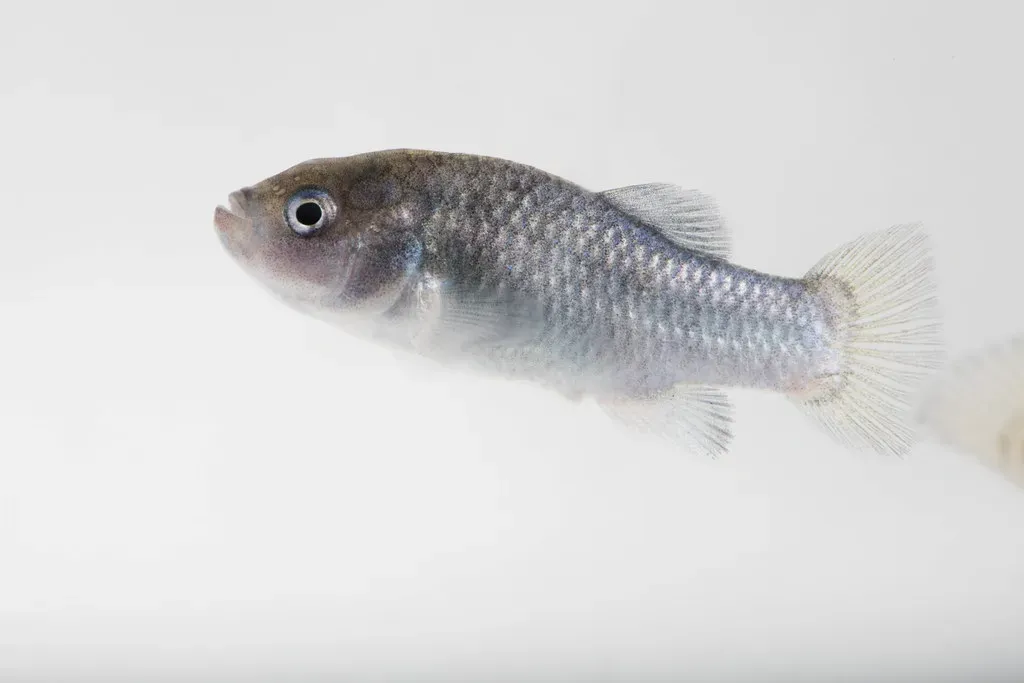
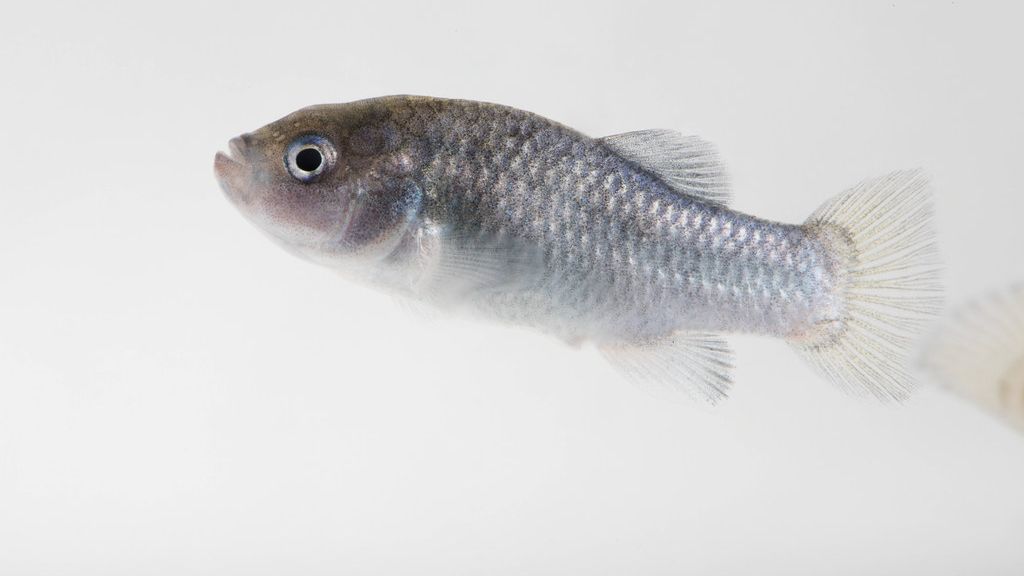
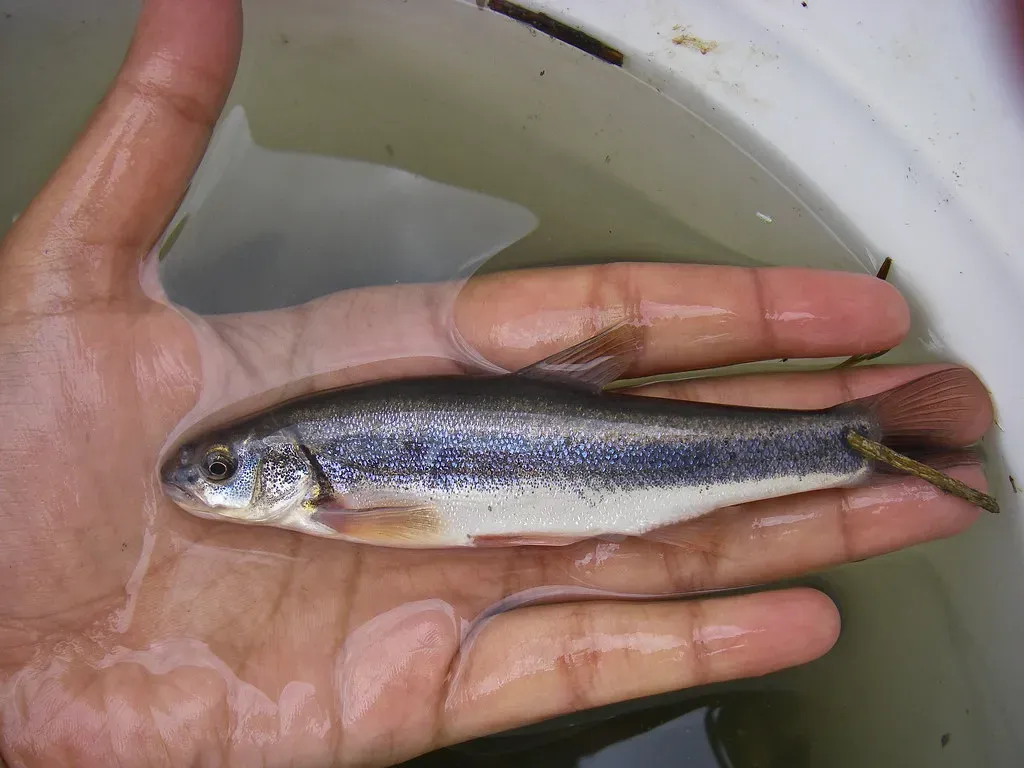
The Devils Hole pupfish (Cyprinodon diabolis) is a critically endangered species of the family Cyprinodontidae, found only in Devils Hole, a water-filled cavern in the US state of Nevada. Let that sink in for a second. The entire global wild population of this species lives in one hole in the ground. Officials say Devils Hole is the smallest habitat of any vertebrate species on the planet.
It is a small fish, with maximum lengths of up to 30 mm. Individuals vary in coloration based on age and sex, with males being bright metallic blue while females and juveniles are more yellow. A defining trait of this species is its lack of pelvic fins. It looks almost cartoonishly small for something carrying this much ecological significance.
A “Living Fossil” Born From Thousands of Years of Isolation
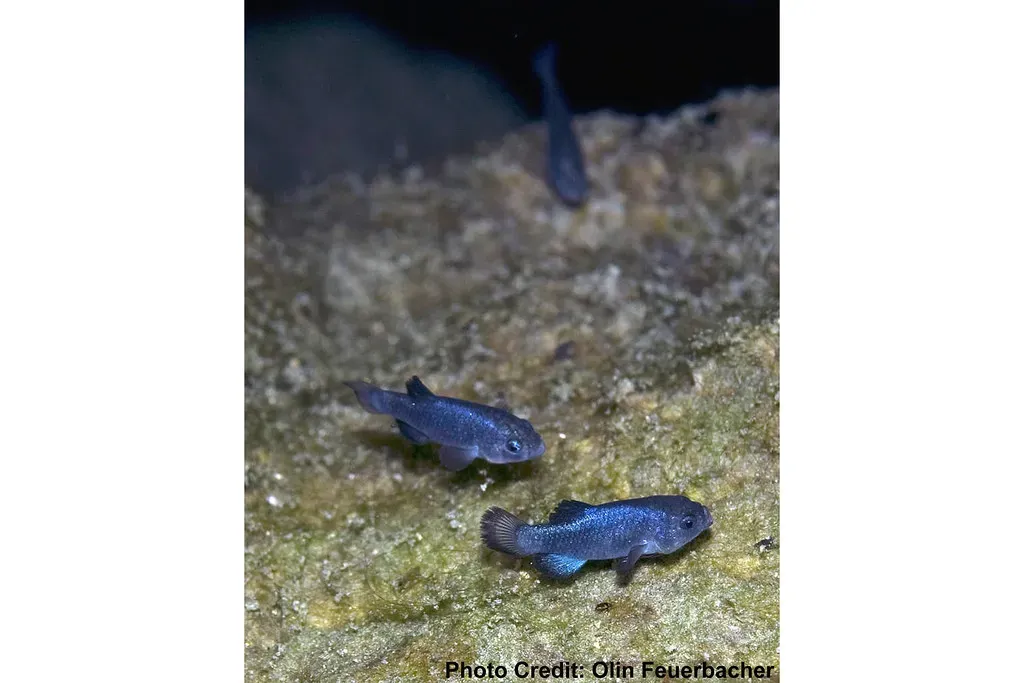
The tiny fish, averaging less than 1 inch in length, lived in relative isolation for between 10,000 and 20,000 years after periods of flooding and dryness created the cavern they call home, the park service said. Scientists often call the pupfish a “living fossil” for exactly this reason. It’s a creature that adapted to one of the most extreme, unchanging environments on earth and just… stayed there.
Scientists have long believed that this unique group of pupfish has been isolated from Death Valley’s other pupfish populations for about 10,000 to 20,000 years. However, recent research suggests that the first pupfish species in Death Valley arrived just 10,000 years ago and that the Devils Hole pupfish only became isolated much more recently than originally believed. The mystery of exactly how they got there remains surprisingly unresolved, which I think makes them even more fascinating.
The Cavern Itself: A World Unlike Anything Else
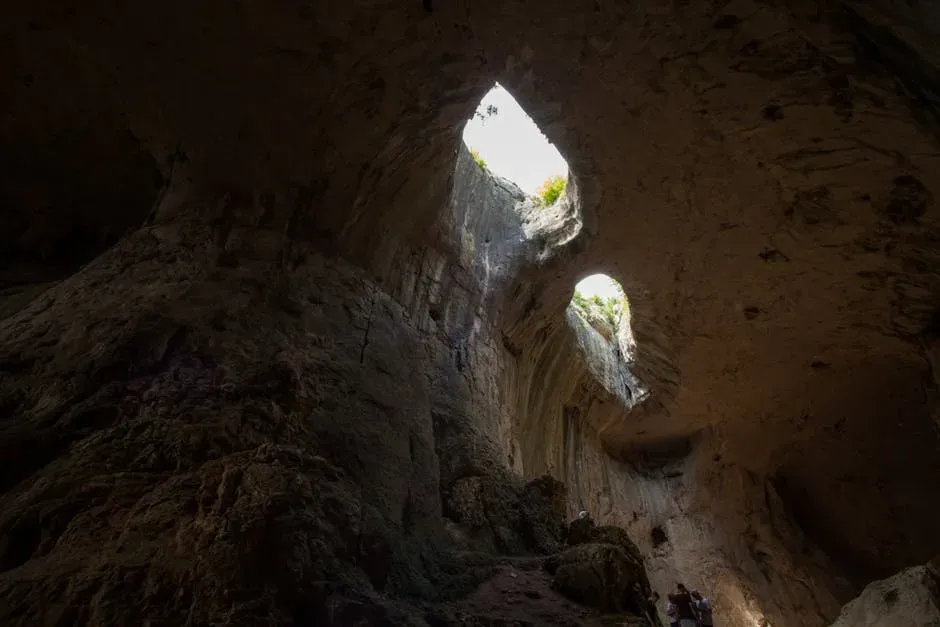
The calm, carbonate-rich and oxygen-poor water of Devils Hole is a constant 33.5 to 34 degrees Celsius (93°F) in the deeper reaches of the cave and is often even warmer in the shallows, creating a challenging environment for the tiny blue Devils Hole pupfish. Picture swimming permanently in a warm, barely-oxygenated bath. That’s home for this fish.
The surface area of Devils Hole is about 22 meters long by 3.5 meters wide. Its depth is at least 130 meters. Devils Hole “may be the smallest habitat in the world containing the entire population of a vertebrate species.” Approximately 0.3 meters deep on one end of Devils Hole is a small rock shelf of 3.5 by 5 meters. This is where virtually all feeding and spawning happens. An area roughly the size of a large living room, sustaining an entire species.
A Population Comeback That Gave Scientists Real Hope
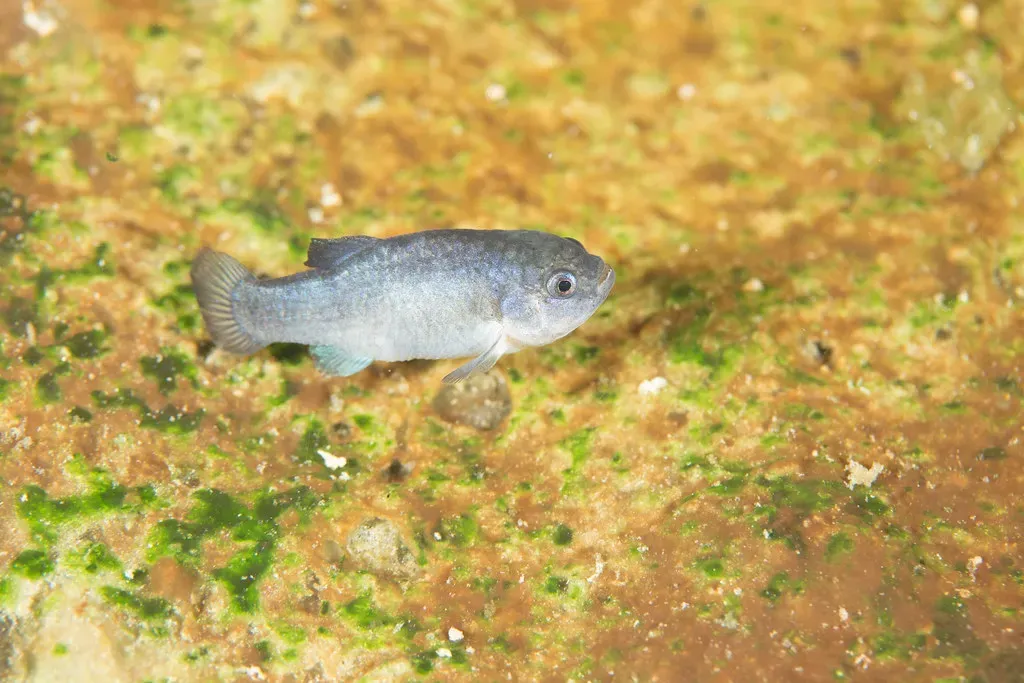
Before the mid-1990s, scientists counted about 200 to 250 Devils Hole pupfish each spring. For about 20 years, the population dropped to an average of around 90 fish, with an all-time low of 35 fish in 2013. That 2013 number is the one that haunts conservationists. Thirty-five fish. The entire species down to a number smaller than many people’s social media following.
Scientists counted 191 Devils Hole pupfish in spring 2024, which is the most fish observed during annual spring season counts in 25 years. This was good news for the critically endangered fish living in Death Valley National Park. Flooding from Hurricane Hilary in the summer of 2023 was actually a benefit to the fish’s ecosystem, adding nutrients that washed off the surrounding land surface in a fine layer of clay and silt. Nature, occasionally, works in surprisingly helpful ways.
Then the Earthquakes Hit – and Everything Changed Again
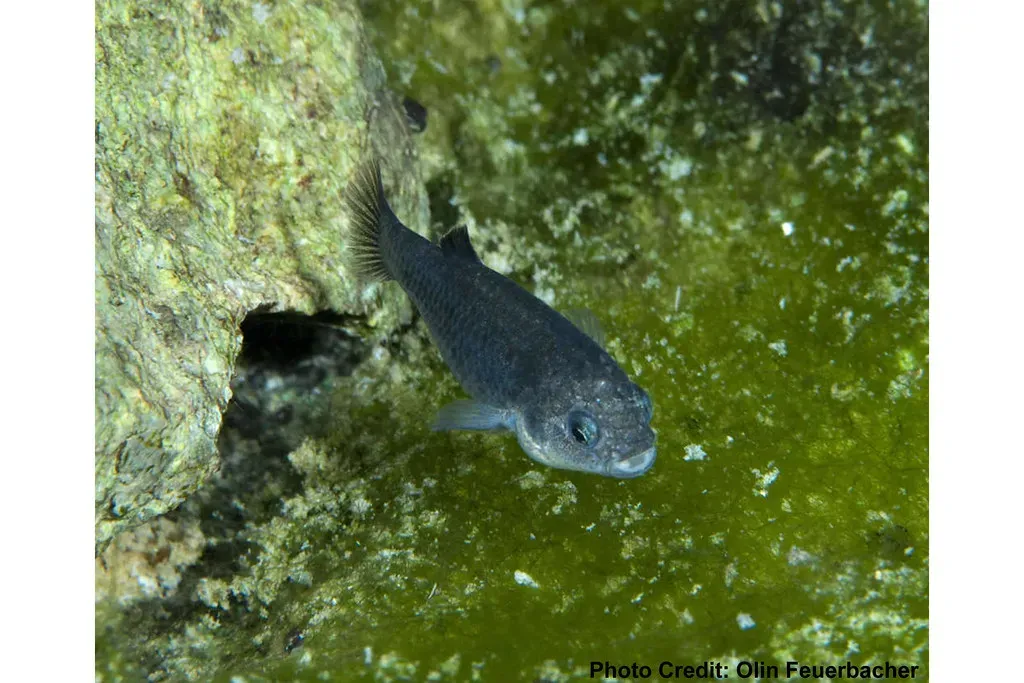
Following a sudden population decline caused by two recent earthquakes, one of the world’s rarest fish, the Devils Hole pupfish, is on the path to recovery, according to a multi-agency team of biologists. Park officials believe two earthquakes, one in December and the other in February, triggered waves in the waters that moved algae and fish eggs off a shallow shelf. Think about that. Two earthquakes, hundreds of miles away, and a shelf the size of a living room just got swept clean.
The National Park Service says officials recently counted just 38 Devils Hole pupfish during a semiannual survey in Death Valley National Park this spring, down from the 191 fish recorded a year earlier. It’s hard to overstate how alarming a drop that is. From near-record highs to near-record lows, in the span of a single winter.
The Backup Plan: How Scientists Are Fighting Back
Pupfish eggs from Devils Hole have been collected regularly to establish the captive population at the Ash Meadows Fish Conservation Facility. The purposes of this population are to ensure that the species does not become extinct and to serve as a source of fish for Devils Hole should that become necessary. That day came in 2025.
In spring 2025, the population suddenly declined to only 38 individuals due to two earthquakes in December 2024 and February 2025, prompting the introduction, for the first time, of 19 captive-bred fish. Biologists added 19 captive-raised fish to the wild population and supplemented the fish’s diet until algae can regrow. It was a historic moment. The first time captive-raised pupfish had ever been introduced into the wild hole. A last resort that, thankfully, had been prepared for years in advance.
Conservation Tourism and the Pressure of 1.1 Million Eyes
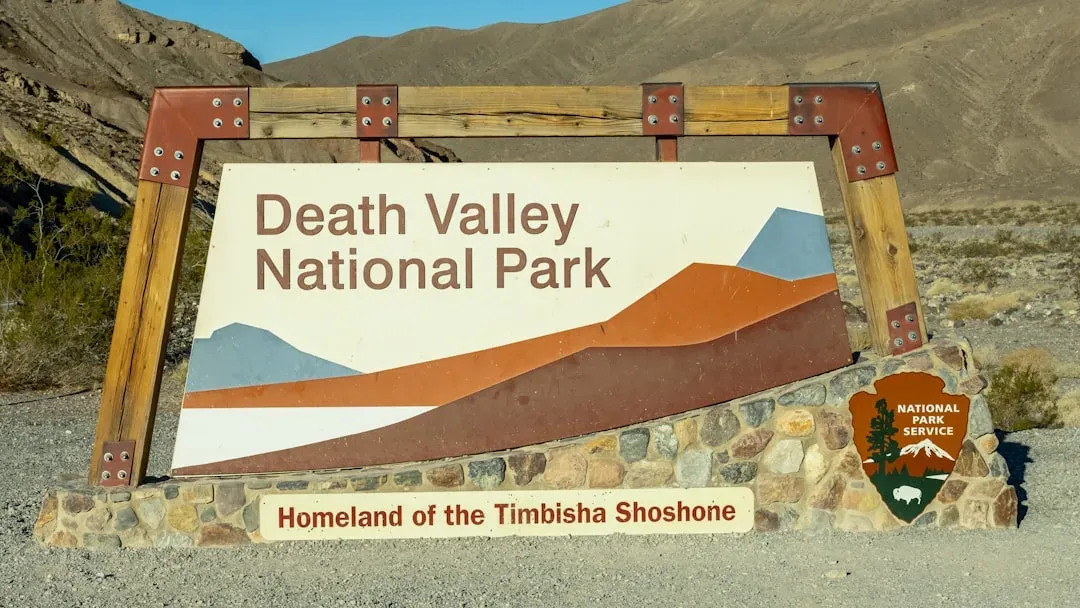
About 1.1 million people visited Death Valley National Park in 2023. That’s a staggering number for one of the harshest places on the planet. Despite recent success, the pupfish remains threatened by climate change impacts on the delicate desert ecosystem, as well as growing human demand for water resources in the region. The irony is uncomfortable: more visitors means more awareness, but also more pressure on a system that is already running on the edge.
Due to the sensitive nature of Devils Hole, the pool is fenced and must be viewed from afar. The controlled viewing area is genuinely thoughtful design. You get close enough to feel the weight of what you’re seeing, but never close enough to disturb it. Efforts to conserve the wild population have included removing sediment from the shallow shelf, adding supplemental food, and installing fences and security cameras to keep thieves and vandals away. Yes, vandals. People have actually tried to harm this place.
What It Feels Like to Stand There, Honestly
I’ll be real with you. When you’re standing at the observation area, squinting through binoculars at a small, dark pool of water in the Nevada desert, trying to spot a fish barely the size of your finger, it doesn’t immediately feel like a profound experience. Then it hits you.
The fish was officially listed as an endangered species in 1967, making it one of the first species protected under the Endangered Species Act. In 1976, the Supreme Court ruled that the federal government had the right to protect the water level in Devils Hole, limiting groundwater pumping in the region. The ruling was based on the scientific understanding that the pupfish depended on a stable water level to survive. A Supreme Court case. For a fish you could hold in the palm of your hand. Suddenly the whole thing becomes a story about what we decide matters.
Conclusion: A Tiny Fish Carrying an Enormous Weight
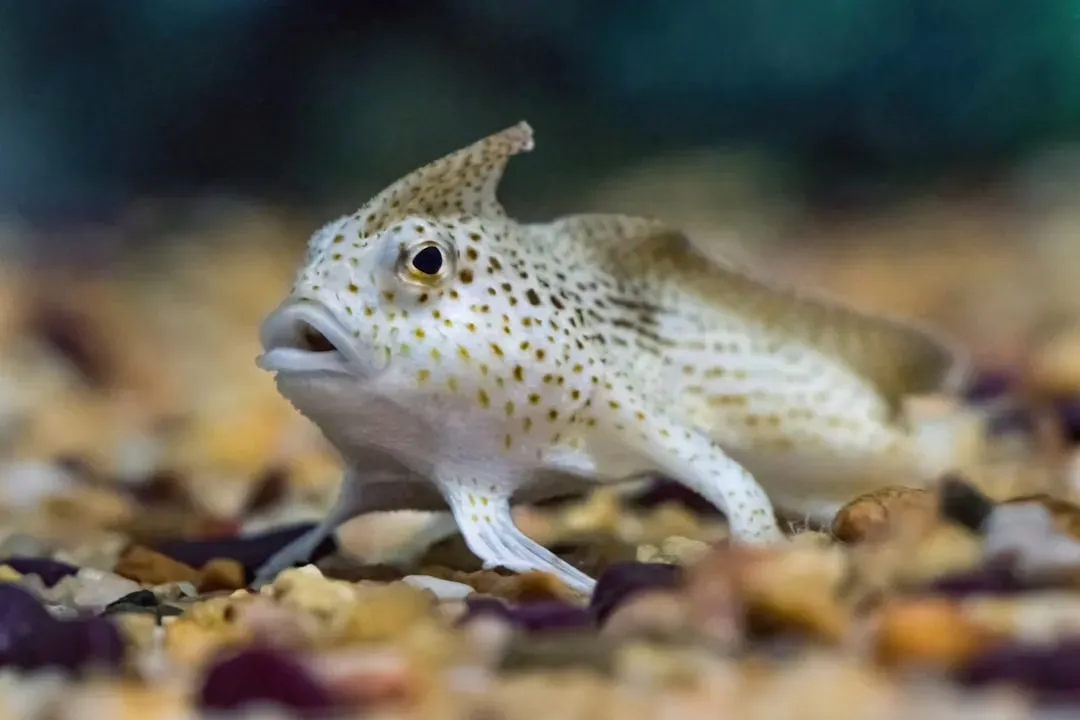
There is something deeply strange and deeply moving about a creature this small carrying this much history, this much scientific attention, and this much conservation effort on its miniature back. The Devils Hole pupfish is not majestic in the conventional sense. It doesn’t have the sweep of an eagle or the gravity of a whale. It’s a centimeter-long, pelvic-fin-free, metallic-blue speck living in a hole in the desert floor.
A 2024 five-year status review states that the pupfish cannot expand geographically in the wild and is unusually exposed to both chronic stressors and sudden catastrophic events, making it a species of great concern. That vulnerability is real, and it’s ongoing. Biologists are optimistic about the future of Devils Hole pupfish because spawning behavior, viable eggs, and larval fish are at normal-to-high levels during the current spring breeding season. Ecosystem monitoring suggests that habitat conditions are improving, and most importantly, natural food sources are recovering as sunlight returns with spring.
It’s hard to say for sure what the future holds for this species. What I do know is that standing at that fence, watching a dark pool of warm water in the middle of a desert, you feel the full absurdity and the full beauty of life on this planet. A fish that survived 10,000 years of desert isolation could still disappear because of a distant earthquake or a poorly drilled water well. What does that say about how we treat the fragile things? Tell us what you think in the comments.