
There is something deeply unsettling about standing at the edge of a field, staring at mounds of earth that shouldn’t be there, knowing that the people who live nearby have been quietly asked not to talk about it. Not warned. Not threatened. Just… asked. And most of them comply.
That was my experience visiting an undisclosed ancient settlement site within the United States, one of a growing number of locations being flagged by researchers, catalogued by state archaeological agencies, and then almost immediately wrapped in a kind of unofficial silence. What is buried here? Who knew it existed? The answers are more complicated, and more fascinating, than you might expect. Let’s dive in.
The Site Nobody Is Supposed to Know About
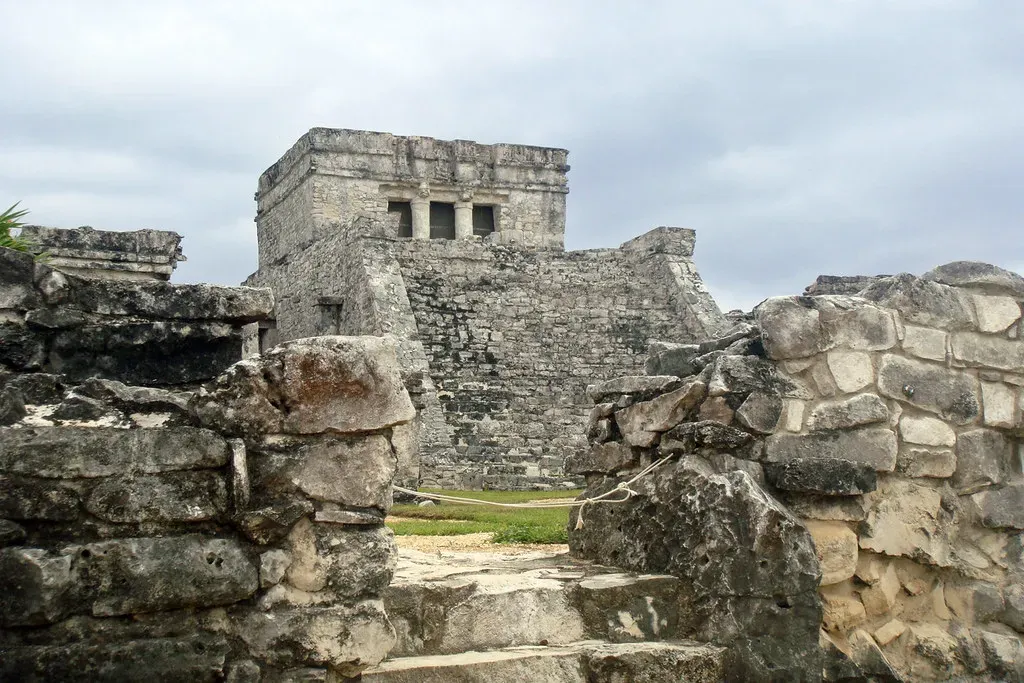
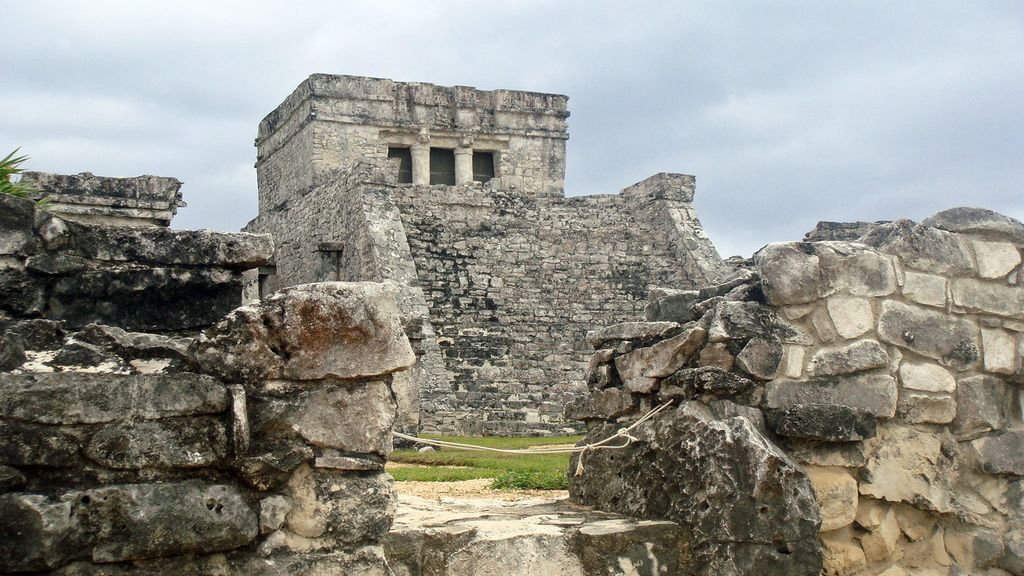
I’ll be honest: the site itself looks like nothing at first glance. A slightly elevated ridge of earth, some unusual soil discoloration, a scattering of what could easily be dismissed as random rocks. It takes a trained eye, or frankly a piece of paper from an archaeologist, to understand that you are standing inside the ghost of an ancient community.
What made this visit genuinely strange was the reaction of the locals. A few people I spoke to near the area were friendly but guarded. One older resident told me, almost in passing, that authorities had asked them not to post anything on social media about the place. No dramatic warnings, just a quiet request backed by an unspoken weight.
This kind of controlled communication is actually more common than people realize. Experts emphasize that collaboration with local communities is crucial, but what is often described as “controlled communication” is routinely used to balance cultural pride with preservation and security concerns. It sounds bureaucratic. In practice, it feels like something stranger.
How Laser Technology Is Blowing the Lid Off Ancient America
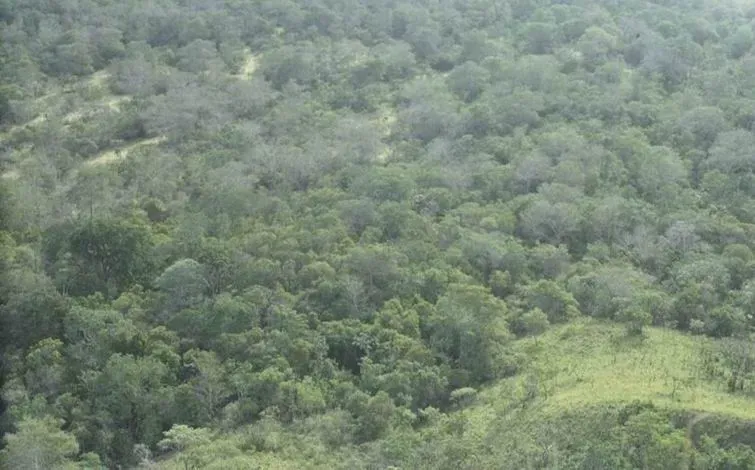
Here is the thing that most people do not know: discoveries like this one are happening at a pace that genuinely has archaeologists scrambling. Some of the most dramatic recent discoveries have come via LiDAR, which stands for light detection and ranging. By airplane, helicopter, or drone, a LiDAR system aims rapid pulses of laser light at the surface, and the reflections are processed to create a three-dimensional map. Advances in LiDAR have improved its ability to penetrate tree canopies and create precise images of the terrain below, revealing features that suggest past human activity.
Laser scans unveiled the earliest and largest known urban complex in the Amazon. Beneath the trees in Ecuador’s Upano Valley lie thousands of mounds that were once homes and community spaces, along with remnants of roads and farms. This was announced in early 2024. The scale of the finding stunned researchers worldwide.
Archaeologists employed advanced LiDAR technology to unveil an ancient civilization hidden beneath the dense vegetation of the Upano Valley in eastern Ecuador. The findings showcase a complex network of interconnected cities, roads, and agricultural structures dating back 2,500 years, making it the oldest and largest example of an agricultural civilization in South America’s Amazon rainforest. Think about that for a moment. Hidden in plain sight, for millennia.
The Scale of What We Are Still Missing
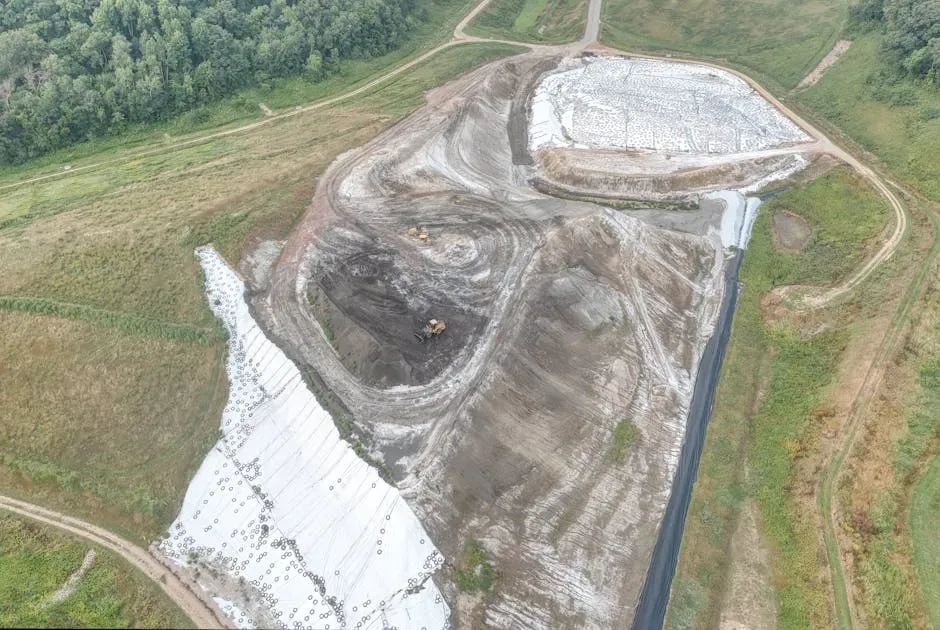
By scrutinizing LiDAR data, one research team has uncovered evidence suggesting that somewhere between 10,000 and 24,000 pre-Columbian earthworks exist throughout the Amazon basin. That is not a typo. Tens of thousands of structures, potentially, still waiting to be formally documented. It rewrites everything we thought we knew about who lived here before European contact.
The extent of landscape modification in the Upano Valley rivals other ancient civilizations such as the Classic Maya. Despite the impressive findings, many questions remain unanswered, including the population size, trade networks, and governance structures of the Upano people. The honest answer is that we are barely scratching the surface.
LiDAR technology has revealed over 12 previously unknown structures hidden beneath centuries of dense jungle growth at Machu Picchu alone, fundamentally changing how archaeologists view this UNESCO World Heritage site. If that is true at one of the world’s most studied sites, imagine what is under the forests and fields of your own state.
Why the Silence? The Looting Threat Is Very Real
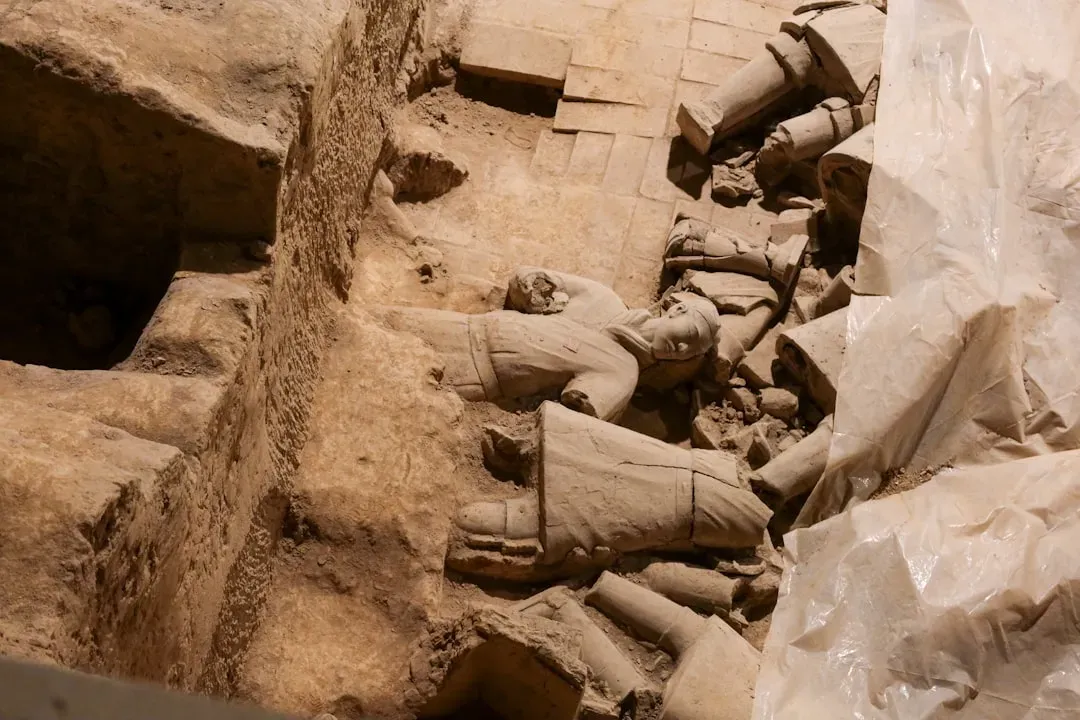
Here is where the story takes a darker turn. The reason locals are asked to stay quiet is not bureaucratic arrogance. It is, in the most direct sense, about survival. Archaeological sites, the material remnants of our human past, are finite and nonrenewable cultural resources that are under constant threat from environmental forces, development activities, warfare, vandalism, and looting. Site looting is the destructive removal of archaeological objects to supply the art market.
Every year, thousands of artifacts disappear from museums, churches, private collections, public institutions, or archaeological sites. From antique weapons to paintings, from coins to watches, from religious objects to archaeological finds, tens of thousands of specimens forming part of the world’s archaeological and cultural heritage are stolen or looted. This is a multibillion-dollar global criminal enterprise, and newly announced sites are like fresh targets painted on a map.
In a recent worldwide study on the nature, scope, and frequency of archaeological site looting, the vast majority of field archaeologists reported having had multiple encounters with archaeological site looters both on- and off-site. Despite the criminalization of looting in most countries’ domestic statutory schemes, nearly half of surveyed field archaeologists do not report looting activity to external law enforcement or archaeological authorities when they encounter it. That second fact is jaw-dropping. The people on the front lines are often fighting this battle alone.
When the News Gets Out, the Looters Show Up Fast
What happens after a public announcement of a discovery? The pattern is deeply discouraging. From 1997 to September 2023, researchers documented 210 illegally excavated pits at one West Bank site. Yet in just the war’s first 9 months, researchers uncovered 157 new pits at the same site, some as large as 10 meters wide and 7 meters deep. The speed at which organized looters can mobilize is genuinely alarming.
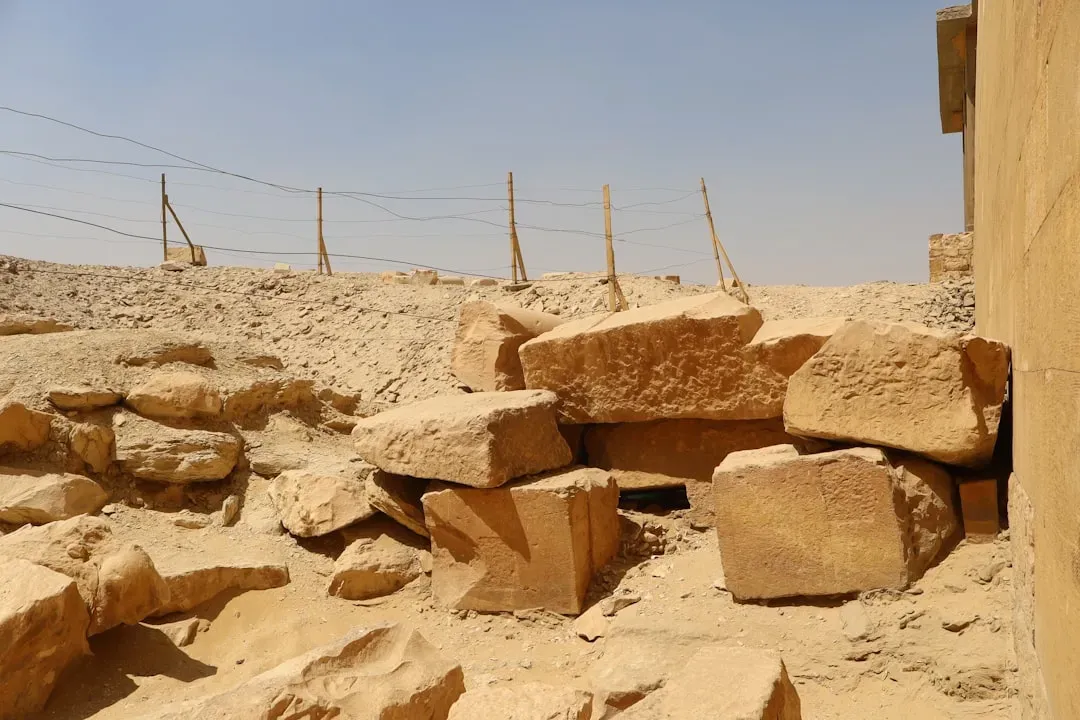
Three regions in Egypt have been especially hit hard since the revolution, with some estimates citing a five-hundred percent increase in looting in the sites of Saqqara, Lisht, and el Hibeh. Many sites are often left unguarded and unmonitored due to a lack of funding. Five hundred percent. That is not a manageable spike, that is a collapse of protection.
Even when looted goods are rediscovered, their improper excavation reduces their worth to archaeologists. “Without the archaeological context, an object’s historical value is drastically diminished.” This is the real tragedy. A stolen pot is not just a stolen pot. It is a stolen chapter of human history, ripped permanently from its context.
Tourism: The Well-Meaning Threat Nobody Talks About Enough

Looting gets the headlines. Tourism rarely does. But it may be the quieter, slower, equally destructive force. The World Monuments Fund has found that the most widespread threats to heritage sites include climate change and rapid urbanization. Tourism follows close behind, particularly at newly discovered or underpublicized sites that lack infrastructure for managed visitation.
World Heritage Sites such as Maijishan are increasingly threatened by the impact of mass tourism. Around one million people visit Maijishan each year, with as many as 13,000 per day during peak season, putting immense strain on the cantilevered walkways. Both sites need improved visitation and preservation strategies to help balance accessibility and protection. Translate that pressure to a newly discovered and unprotected site, and the damage can happen within months.
The City of Havana, inscribed on the UNESCO Danger List in 2023, cites unregulated tourism among its hazards. Honestly, this is the tension that nobody in local preservation circles knows how to solve gracefully. People want to visit these places because they feel a genuine connection to history. That impulse is good. The unmanaged footfall is not.
The Legal Framework Behind the Quiet Requests
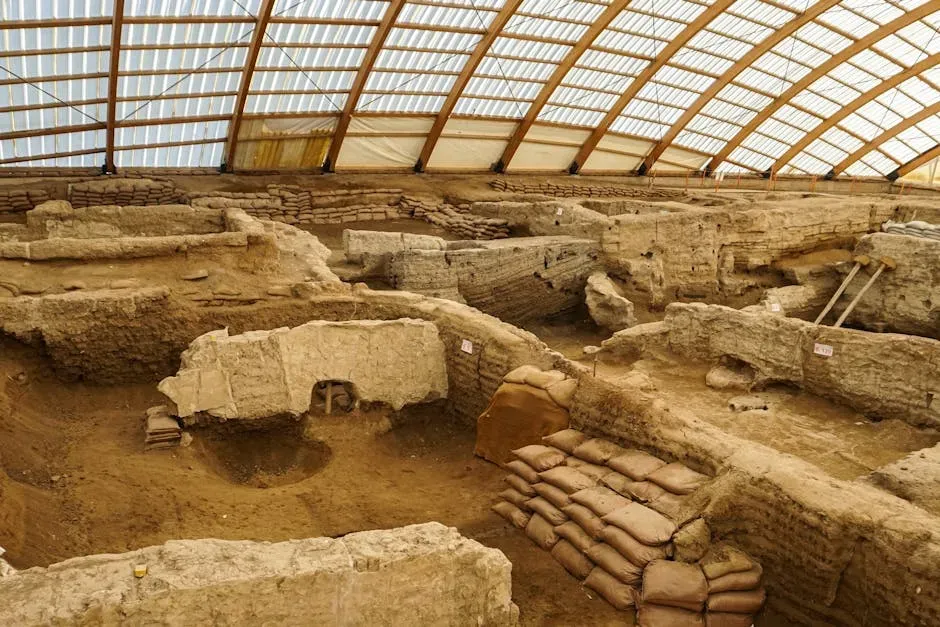
When a local official asks residents not to publicize a site, it is not always legal overreach. Federal laws protect archaeological resources on National Park Service and other federal lands. These laws may include civil and criminal penalties for disturbing, looting, or vandalizing archaeological sites. The early excavation phase is particularly sensitive because sites are at their most vulnerable before documentation and protection measures are fully in place.
There are over 1,100 UNESCO Heritage Sites across the globe, encompassing both cultural and natural categories. Cultural Heritage Sites include monuments, groups of buildings, and archaeological sites. The ones most protected are those already formally designated. The ones most endangered are those caught in the limbo between discovery and designation, which is exactly where many domestic sites currently sit.
It’s hard to say for sure, but I think the legal tools exist precisely because authorities have watched, repeatedly, what happens when a site becomes publicly known too early. The laws are not the problem. The gap between discovery and enforceable protection is. And locals, whether they know it or not, are often the first and most reliable line of defense during that gap.
The Bigger Picture: Community, Secrecy, and What We Owe the Past
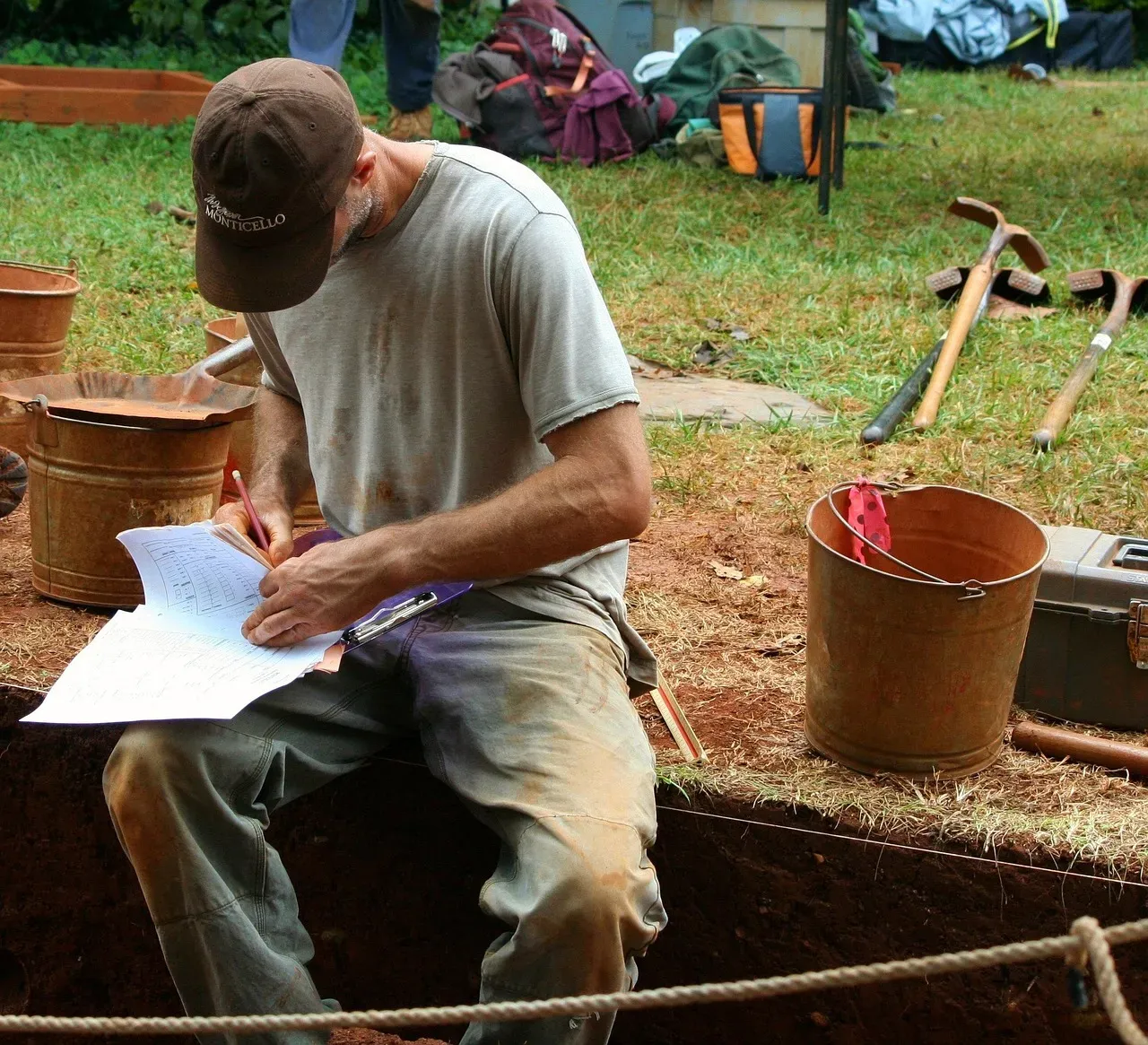
This kind of discovery adds to growing evidence that people in the Amazon built sophisticated communities long before European contact. It also matches what some colonial-era chronicles hinted at: organized and populated settlements existed in the region, but many later disappeared under forest regrowth and time. The same story plays out everywhere, including right here in the United States.
Every year brings a treasure trove of archaeological discoveries that capture our imagination and deepen our understanding of the past. The period spanning 2024 to 2025 proved exceptionally rich, revealing everything from opulent royal burials to humble Stone Age tools, from legendary battlegrounds to sacred sanctuaries. We are, genuinely, living through a golden age of archaeological revelation. The technology is that powerful.
Let’s be real though: none of that matters if everything gets looted, trampled, or bulldozed before it can be properly studied. The locals near the site I visited are not complicit in a cover-up. They are, quietly and without much credit, helping preserve something that belongs to all of us. If parts of the landscape include ancient human settlements, protecting a site can mean protecting both nature and archaeological heritage. LiDAR and new technology highlight where to dig and what patterns to study next, saving time and making fieldwork smarter. The science is ready. The only question is whether the protection can keep up.
The next time you hear that locals near a discovery site are being asked to stay quiet, try not to assume the worst. There is a real, documented, global crisis of heritage destruction running in the background of every announcement, every headline, and every excited social media post. What you call suppression, the people on the ground often call survival. What do you think: does the public have a right to know immediately, or is patience the real act of respect for history? Tell us in the comments.