
Picture this: headlines blaring about cartel wars, sky-high murder rates, and travel warnings that make your stomach drop. I decided to head straight into Tijuana, often ranked among Mexico’s deadliest spots, just to see for myself. Friends called me crazy, but curiosity won out.
What I experienced flipped the script on everything I’d read. Stick around as I unpack the reality from my trip.[1]
Why Tijuana Earns Its “Most Dangerous” Label
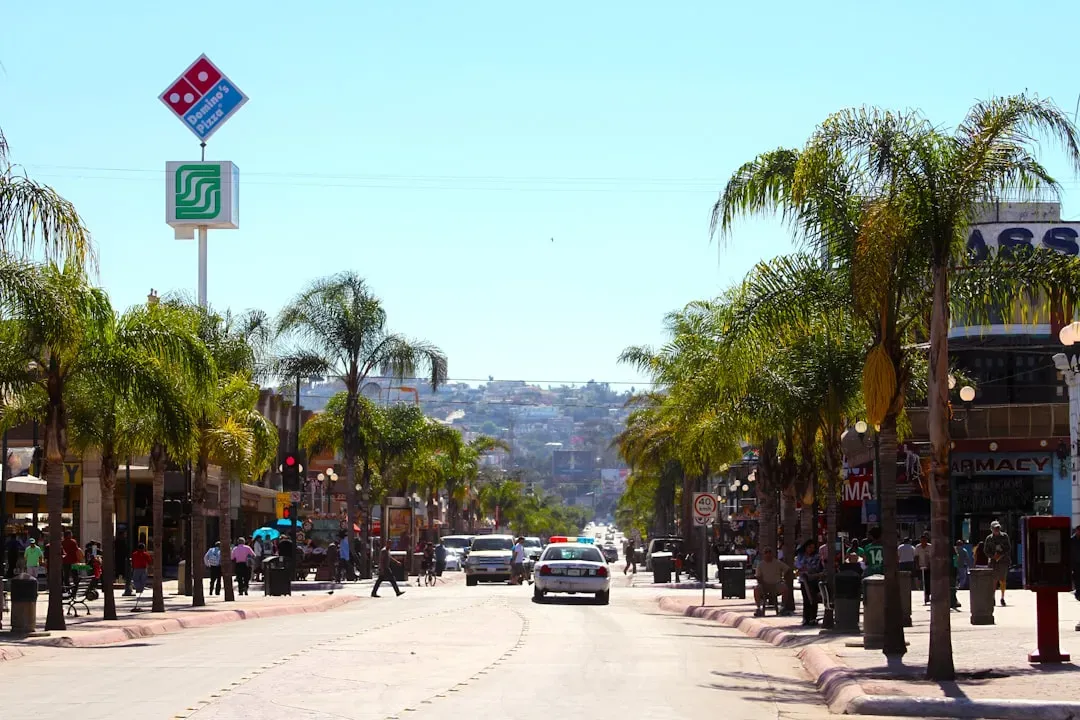
Tijuana frequently lands in global lists of violent cities, thanks to raw numbers from cartel clashes. In 2025, Baja California state, home to Tijuana, saw 1,714 homicides, though that’s down over a quarter from the year before.[2][1] The Citizen Council’s rankings put multiple Mexican cities, including ones near Tijuana, in the world’s top 50 deadliest.[3]
Here’s the thing. Most violence targets locals tangled in drug turf wars, not passersby like me. I felt the weight of those stats, yet prepared to navigate smartly.
Crossing the Border: Tense but Routine
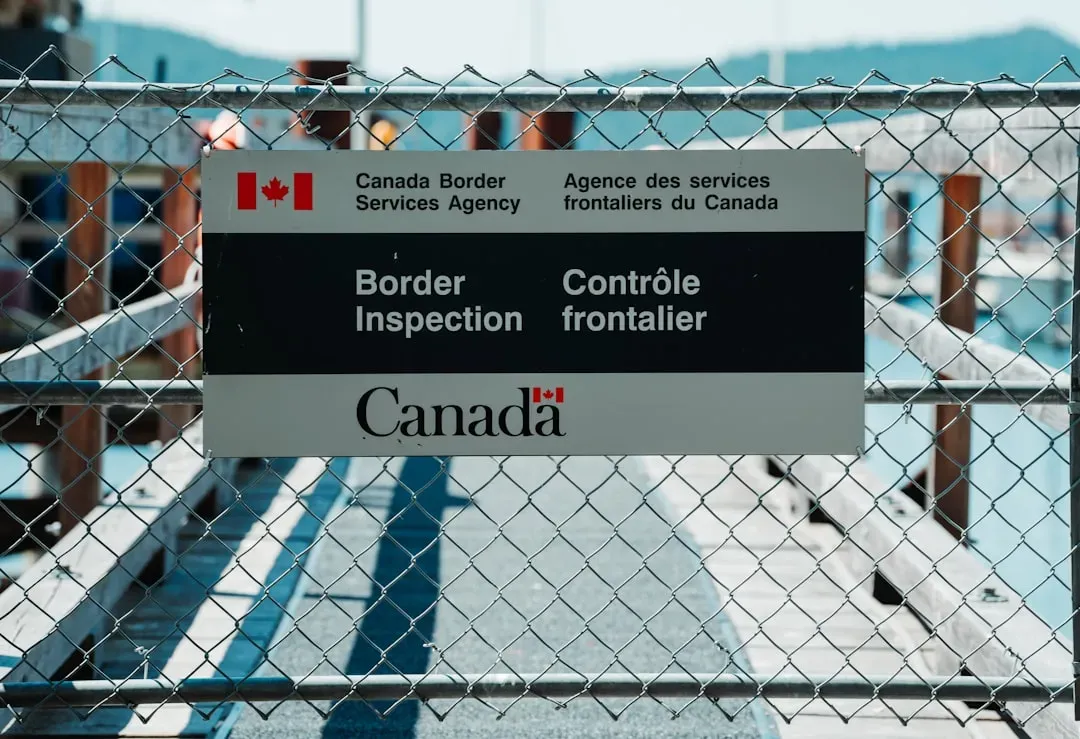
Stepping off the San Ysidro trolley, the line snaked long under the glaring sun. Mexican federales eyed everyone, rifles slung casually. Heart pounding a bit, I flashed my passport and walked through – no drama, just another day for border hoppers.
Locals zipped by on scooters, chatting away. No chaos, no standoffs. It hit me: this gateway buzzes with everyday commerce, not apocalypse.
Uber grabbed me quick, heading to my Zona Rio hotel. Smooth ride, driver sharing traffic tips like anywhere else.
Daytime Vibes in the Heart of It All
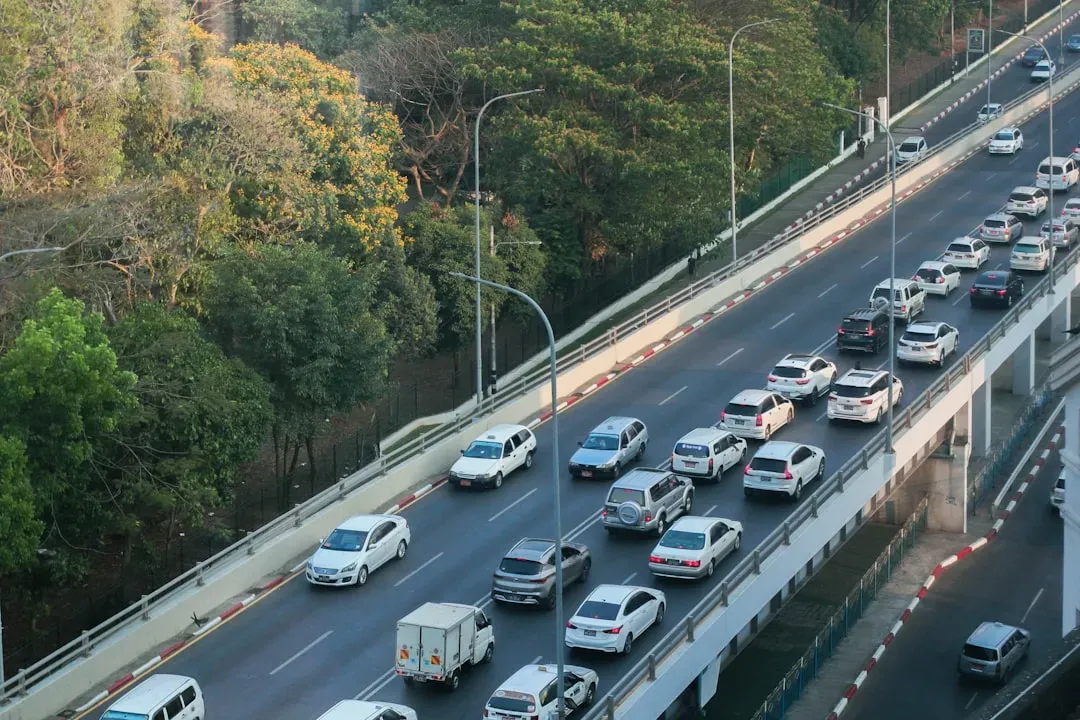
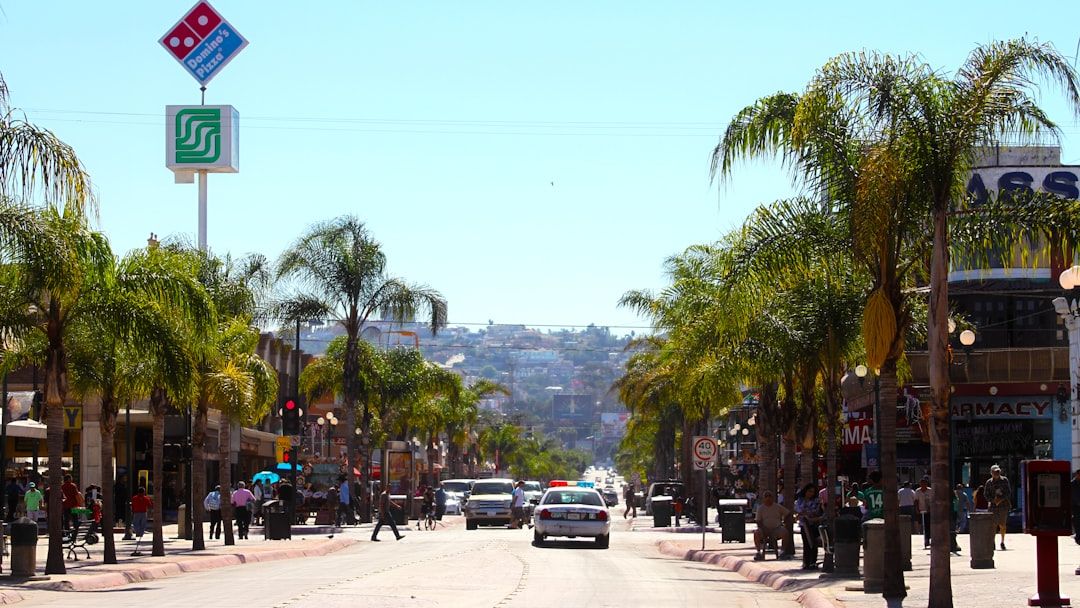
Zona Rio pulsed with office workers grabbing coffee, street vendors hawking fresh juices. Families strolled sidewalks lined with murals and taquerias. I wandered for hours, snapping pics of vibrant markets – no side eyes, no tension.
Sun high, crowds thick, it felt alive, not lethal. Pickpockets? Sure, watch your bag, but that’s city smarts worldwide.
Tourist Zones: A Parallel Universe

Avenida Revolución, the classic strip, teemed with bars, shops, and mariachi echoes. Tourists from San Diego mingled with locals, laughing over cervezas. I hit a craft beer spot, chatting up expats who’ve lived here years.
These pockets shield visitors from rougher edges. US State Department notes high killings stay in non-tourist zones.[1] Smart stays here keep risks low.
The Cartel Reality Up Close
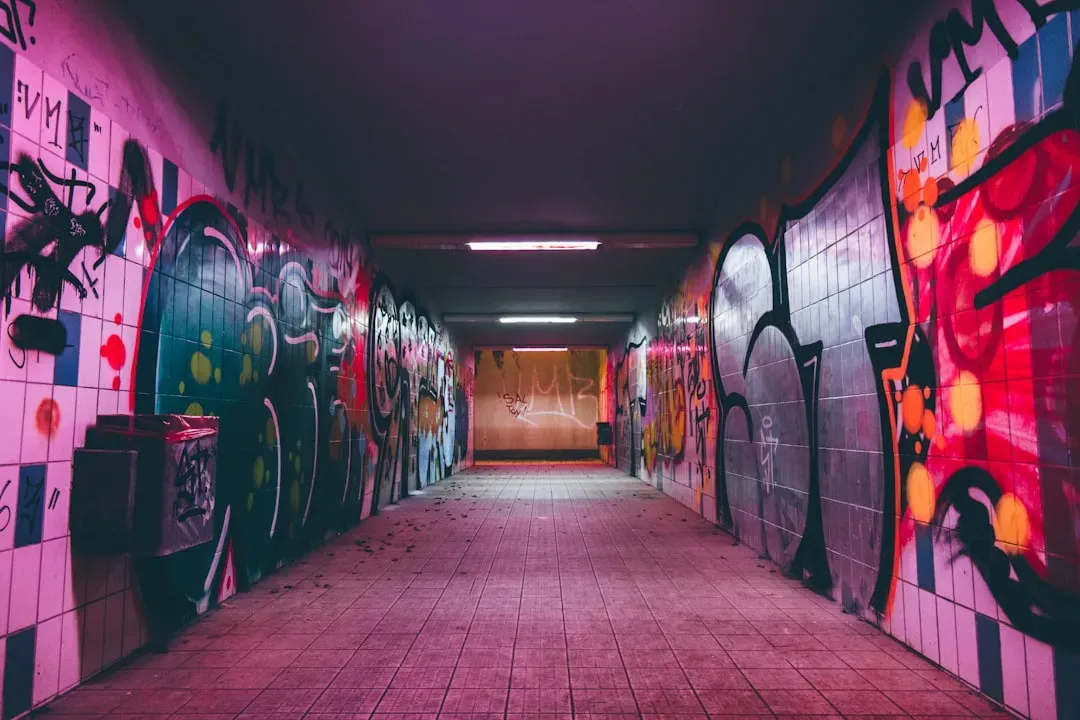
Overheard whispers of “plazas” and rival crews, but blocks away from my path. Graffiti tags marked territories, yet no shootouts erupted. Violence simmers in outskirts, per reports, sparing central drags.[1]
Locals shrugged it off, like New Yorkers ignore subway rats. I stuck to lit paths, heeding that inner voice. No heroics needed.
Tacos and Talks with Everyday Folks

Best al pastor ever at a corner stand, sauce dripping, owner joking about gringos. He waved off danger tales, saying tourists rarely catch strays. Multiple chats echoed that: welcoming, weary of hype.
One guy, a teacher, noted Tijuana’s drop in murders last year.[4] Pride in progress shone through. Felt genuine, not forced.
Nightlife That Surprised Me
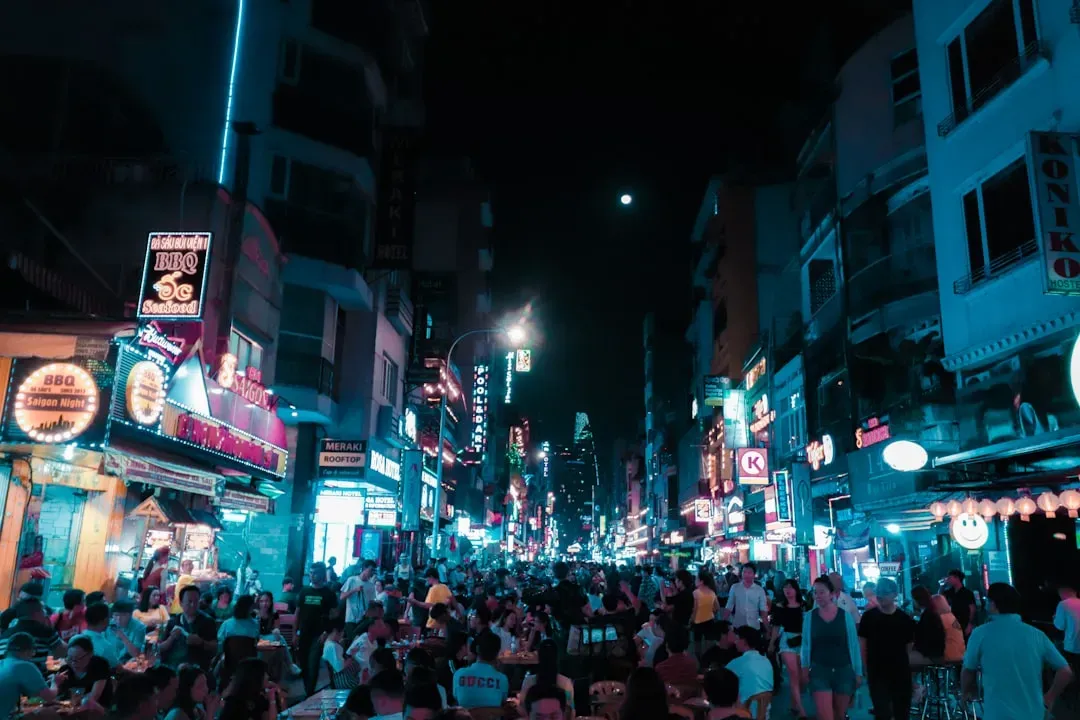
Neon glowed on craft brew hops, live bands thumping salsa. Crowds danced till midnight, no sketchy vibes. Used Uber every time, avoided alleys – basic rules.
One bar packed with mixed groups, safe as any US dive. Energy electric, not edgy.
Honestly, more fun than feared. Dawn broke calm.
Police and Protections in Action
Patrols cruised main avenues, tourism cops in crisp uniforms. Checkpoints dotted highways, keeping flow steady. Calls grow for reviving dedicated tourist police.[5]
They nodded hellos, presence reassuring. Not perfect, but functional for visitors.
Numbers vs. What I Lived
National homicides plunged 30% in 2025 to 17.5 per 100,000, lowest in a decade.[2] Tijuana mirrored that trend, violent crime dipping sharply.[4] Per capita still high, but context matters – cartel hits, not random.
My days passed incident-free. Stats scare, streets deliver nuance.
The Media Gap That’s Hard to Ignore
Sensational clips loop bodies, skipping safe enclaves thriving nearby. Outlets amplify outliers, bury declines. I saw resilience, reinvention – beer boom, art scenes exploding.
Truth? Stick to tourist hubs, blend in, use apps. Danger exists, but overhyped for clicks. My takeaway: visit informed, leave impressed.
Next time headlines scream, remember this. What’s your Mexico story?