
There is something deeply unsettling about walking through a space that was once alive. Perfume counters with nothing to sell. Food court tables bolted to floors nobody eats from anymore. Escalators frozen mid-step, like a mechanical animal caught mid-stride and then simply stopped. A dead mall is not just an empty building. It is a graveyard of rituals, weekends, and first dates.
Ohio, perhaps more than almost any other state, knows this feeling intimately. The Buckeye State has lived through some of the most dramatic retail collapses in American history, and standing inside one of its hollowed-out shopping centers, you do not just feel nostalgia. You feel the full weight of how completely the world has changed. There is a lot more to unpack here than cracked tiles and boarded-up storefronts. Let’s dive in.
The Numbers Behind the Silence
Walking those empty corridors, you start to wonder: is this just Ohio, or is this everywhere? Honestly, it is everywhere. Shopping malls are more than twice as likely to be vacant as the average retail space, with malls reaching an 8.7% vacancy rate at the end of 2024. That number sounds abstract until you are actually standing in a corridor where roughly one in ten storefronts has dark windows and a dusty gate pulled shut.
In 2024, there was a negative net retail mall absorption of 3.3 million square feet across the country. Think about that for a second. More space was abandoned than occupied. The retail landscape shifted rapidly in 2024 and into 2025, with closures outpacing openings, as major retailers like Walgreens, Sears, and JCPenney continued cutting locations nationwide.
There are around 1,150 shopping malls in the United States as of 2024, and nearly four out of ten Americans no longer visit shopping malls at all. That is not a slow fade. That is a cultural severance.
Ohio as Ground Zero for Retail Collapse
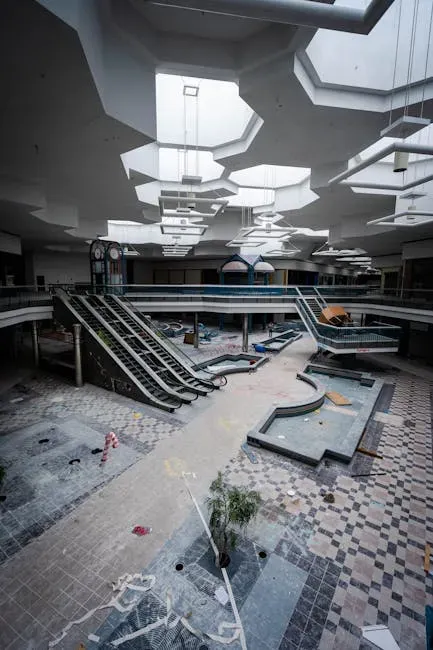
If you want to understand the dead mall phenomenon in its most complete form, Ohio is honestly the place to start. Randall Park Mall was the largest mall in America when it opened in 1976, located in North Randall, Ohio, where the town had a population of just 1,500, yet around 5,000 members of staff worked at the shopping center. The contrast is almost surreal. A town of 1,500 people hosting 5,000 employees at one building.
After the recession drove the mall further into the ground, Randall Park shut its doors for good in 2009, and five years later demolition work began, with just a single store still open. That lone holdout store feels like a metaphor for every struggling mall across the country.
Forest Fair Village in the Cincinnati area became a dead mall after years of losing tenants, eventually closing to the public in December 2022. Demolition of the entire complex began in September 2025. Ohio keeps losing these once-grand structures, one demolished footprint at a time.
The E-Commerce Tidal Wave Nobody Could Hold Back

Here is the thing most people already suspect but rarely see quantified so starkly. A retail consultancy found that in 2018, only about one in five people preferred to shop online, but today that number has soared to roughly seventy percent, with one expert noting that the pandemic was like letting the genie out of the bottle for online shopping. That shift happened in just a few years. Imagine any industry losing seven out of ten of its core customers to a competitor in under a decade.
Malls, once the centerpiece of shopping culture, are now struggling with declining foot traffic, shrinking tenant lists, and rising real estate costs, with many being forced to downsize, repurpose, or even shut down altogether. The timing was brutal. Just as the internet matured into a frictionless shopping machine, malls were locked into long leases and enormous physical footprints with no exit strategy.
What Class C Malls Look Like Up Close
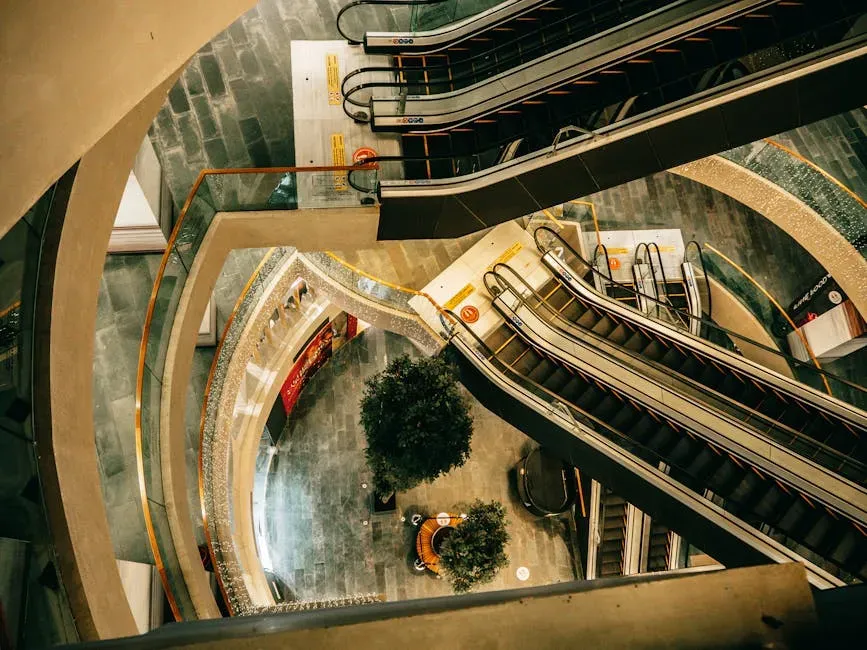
Not every mall is dying at the same rate. There is a genuine hierarchy of survival, and the lower you go, the grimmer the picture. Class C malls with less than $300 in annual sales per square foot have a vacancy rate of 13.3%, while Class B malls show about 9% vacancy, and top-tier Class A malls sit at a comparably healthy 5.6%.
The malls you walk through in Ohio’s smaller cities tend to be Class C or approaching it. The stores that remain are often dollar stores, phone repair kiosks, or cell phone plan booths. Everything else is a pulled-down gate and a faded sign. Dying shopping malls have become points of cultural fascination in the United States, and content about the death of the American mall generates intense nostalgia among Americans who grew up enjoying these cultural destinations. That nostalgia is palpable inside every dark corridor.
The E-Commerce Shift and What It Took With It
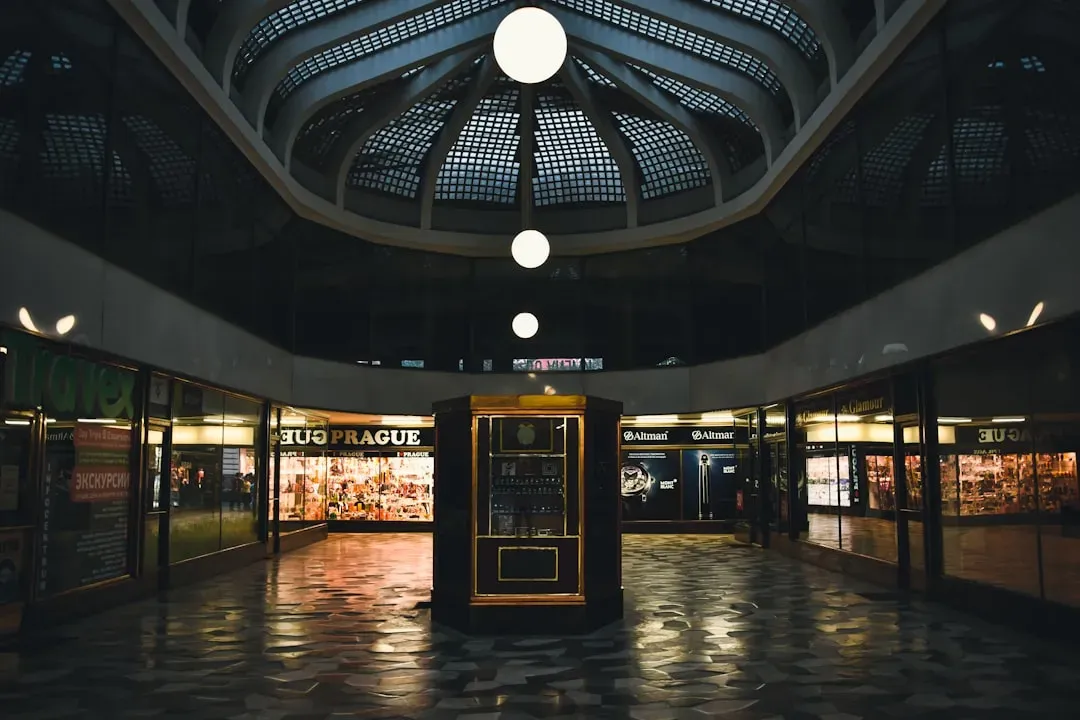
The rise of e-commerce has left mall owners with more empty storefronts than viable tenants, a pressure that intensified as the first quarter of 2025 marked the weakest period for retail leasing since the pandemic, according to Cushman and Wakefield. The malls that depended on anchor department stores suffered most. When Sears and JCPenney pulled out, smaller tenants often followed like dominoes.
Nearly six million more square feet were vacated in the first six months of 2025 than were occupied, and vacancy rates in indoor malls now stand at roughly nine percent, compared to just five percent in 2024. The acceleration is real. It is not a gradual slide anymore. It is a structural unraveling happening in real time.
Gen Z: The Generation That Was Supposed to Bury Malls

You might assume that younger shoppers sealed the mall’s fate. The reality is far more complicated and, I think, genuinely surprising. About two-thirds of Gen Zers prefer shopping in-store to online, with 39% saying they are constantly in a shopping and browsing mode, and 92% doing research before they make a purchase. These are not the mall-hating screens-only consumers the headlines describe.
Gen Z consumers, despite growing up as digital natives, shop in stores about as much as their baby boomer grandparents do, and up-and-coming spenders in this generation are seeking social connection, instant gratification, and moments to post on social media. The mall as a social “third space” is still resonant. The problem is that the dead malls in Ohio are not offering that kind of experience anymore.
About thirty percent of Gen Zers said they prefer in-store shopping for the ability to get products immediately, and many once again see the mall as a social hub, whether it be for hanging out, enjoying an aesthetic experience, or meeting new people. The desire is there. The supply of compelling mall environments, especially in struggling Ohio towns, simply is not.
Ohio Cities Fighting Back With Reinvention

The story does not end with boarded storefronts. Ohio communities have been pushing hard to reimagine what these vast empty structures can become. A plan was approved to redevelop the former Tri-County Mall into apartments, hotels, and a medical office building. That is a full pivot from retail to residential and healthcare, a transformation as striking as the original mall’s construction once was.
At the former Woodville Mall site in Northwood, Ohio, planned developments include professional offices such as dental and medical practices, clinics, and law offices, and in October 2025, a senior living community broke ground at the site. These are not glamorous rebirths. They are practical ones. But in towns where the mall was once the social anchor, a senior living facility or a medical clinic is genuinely meaningful for residents.
Empty malls are often repurposed into sports centers, flex spaces, restaurants, and self-storage facilities, with nearly half of all mall redevelopments being mixed-use projects that still feature some share of retail space. The bones of the building often survive even when the retail soul does not.
The Cultural Weight of a Space Nobody Shops In Anymore
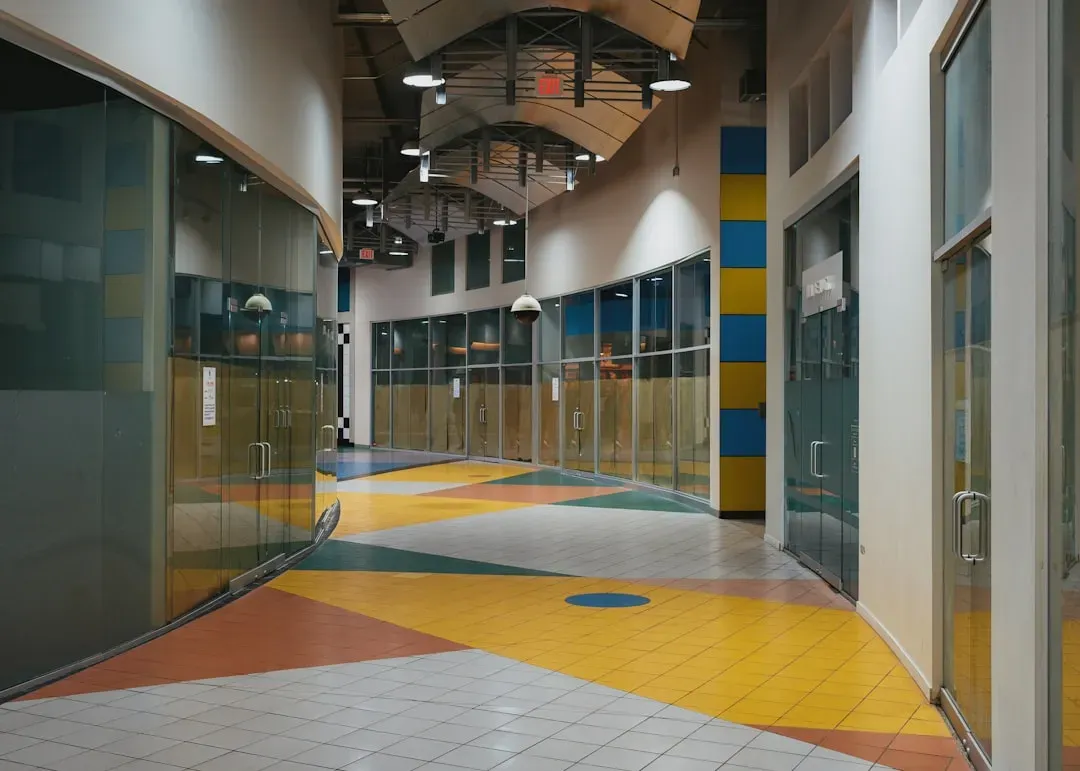
Here is what I kept thinking about as I walked through one of these Ohio ghosts. These places were not just stores. They were where teenagers figured out who they were. Where elderly couples did laps for exercise every morning. Where parents took kids to see Santa and meant it. The loss of that shared geography is something that no economic report can fully measure.
The Dayton Mall has been a shopping staple for Ohio residents since 1970, but like many, it has faced hard times with increased vacancies, exacerbated by the closing of anchor stores Sears and Bon Ton in 2018, eventually landing the mall in receivership. Even the malls that are still technically open carry the scars of that kind of loss on every empty anchor facade.
Some are finding unlikely paths forward. At the Dayton Mall, the 162,000-square-foot former Sears space was sold to a local church, Crossroads, which transformed 90,000 square feet of it into a house of worship and community hub. You could call that ironic. Or you could call it the most honest thing a mall has done in years: admit that what people really came for was each other.
Conclusion: Echoes in the Atrium
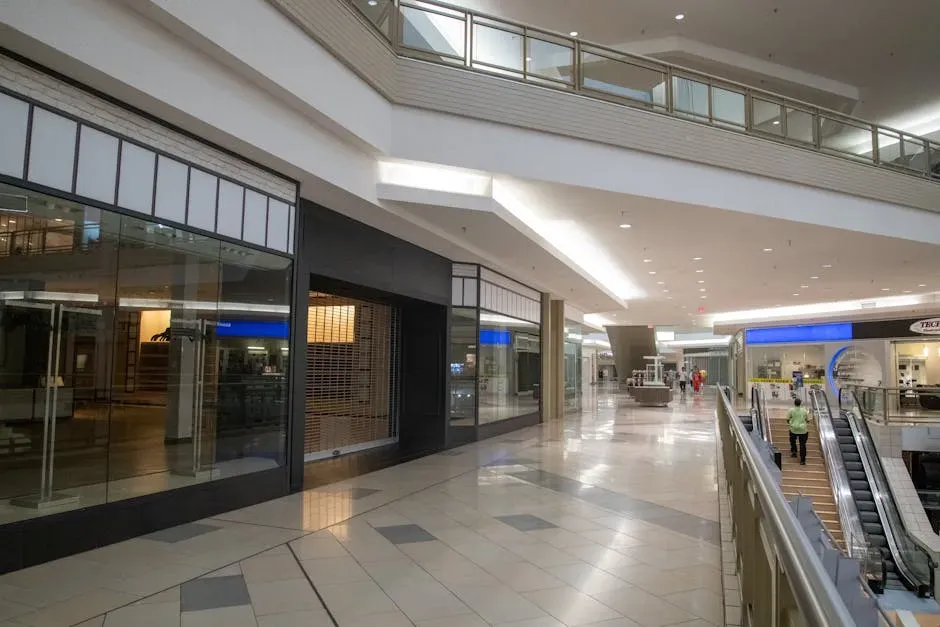
Walking out of a dead Ohio mall, the feeling is hard to name cleanly. It is part sadness, part awe, part something that feels like a reckoning. These buildings were confident declarations about how Americans would live and shop and socialize, built on the assumption that nothing would ever really change.
The numbers confirm what the silence already tells you. A net total of nearly 14,000 mall stores closed between 2016 and 2025. That is not a trend. That is a transformation. And Ohio, with its demolished giants like Randall Park and its half-empty plazas, is one of the clearest mirrors of it in the entire country.
The malls that survive will likely do so by becoming something else entirely, a church, a clinic, a seniors’ residence, an entertainment hub. The ones that do not adapt will continue to stand as enormous, oddly beautiful ruins. Either way, something that shaped a generation of American life is quietly, undeniably over. What memory do you carry from the last mall you visited as a kid?