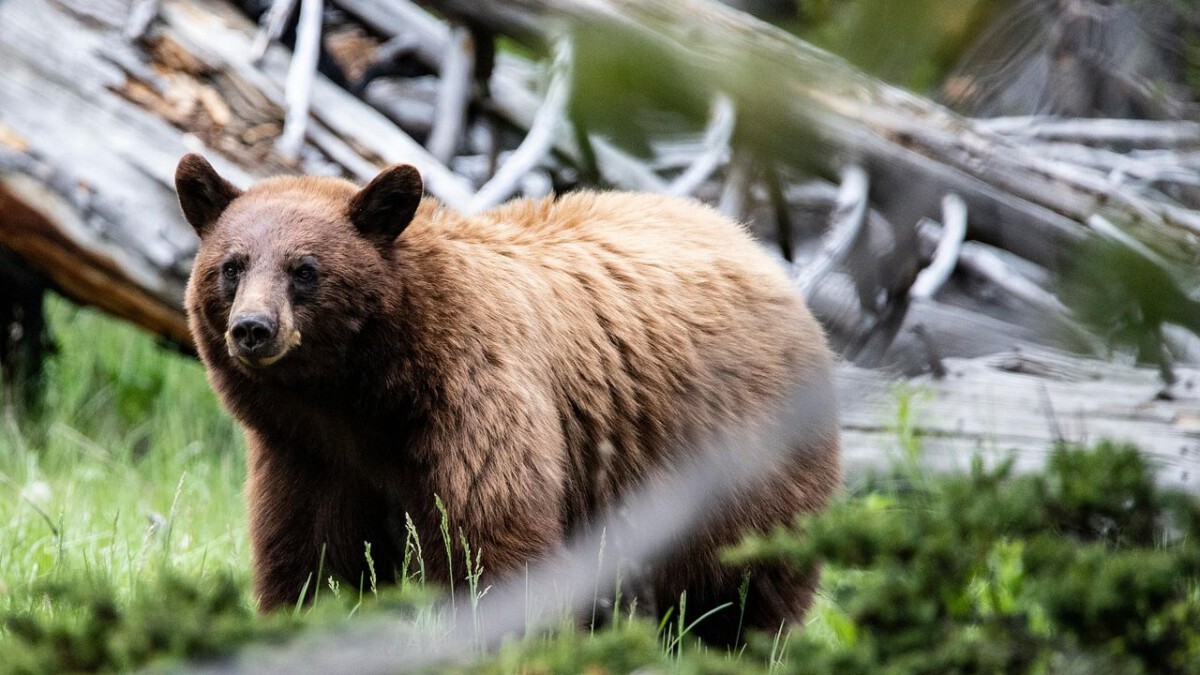

Standing in the early March cold near Yellowstone’s northern backcountry, I had no idea I was about to witness one of the most significant moments in the park’s seasonal calendar. There was a stillness in the air, the kind that only exists before something big breaks. Then the radio crackled among the biologists nearby, and the word spread fast: a grizzly had been confirmed on a bison carcass in the northern backcountry. Spring had truly arrived. But behind the excitement of that moment is a far more complicated story, one involving record bear deaths, a shrinking food supply, millions of tourists, and a park service stretched between wonder and warning. Be surprised by what’s really going on beneath the surface.
The Moment the 2026 Season Officially Began
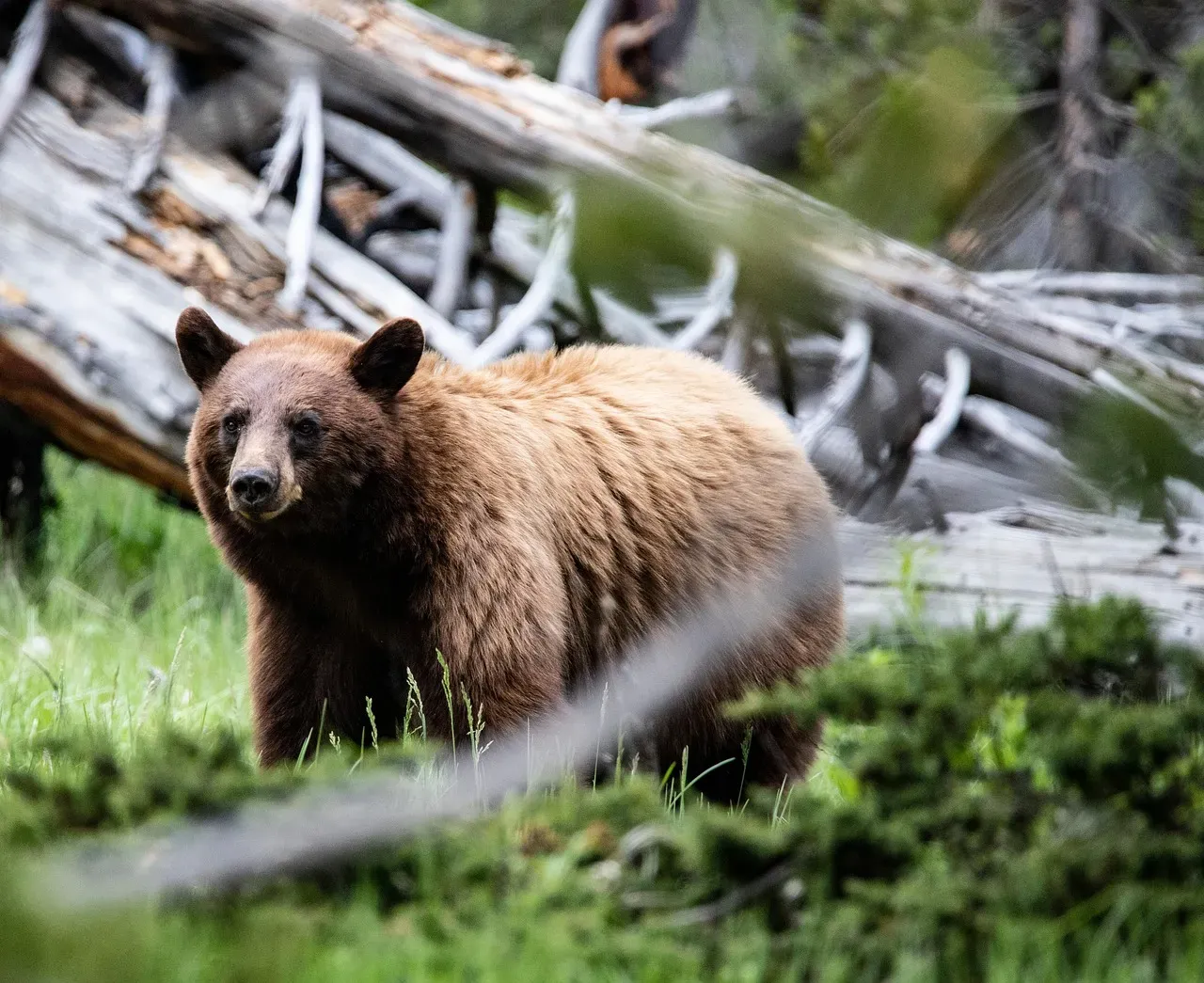
On March 9, Yellowstone biologists working in the northern part of the park reported seeing the first grizzly bear of the spring season. It was a male, which is no surprise to anyone who follows bear behavior. According to the National Park Service, biologists witnessed the grizzly in the backcountry feeding on the remains of a bull bison carcass, a common tactic among bears emerging from hibernation, with many seeking elk or bison that died over the winter.
Even though a grizzly was seen wandering through Yellowstone in late January, the March 9 sighting was declared the first official grizzly sighting of 2026. Despite an abnormally warm winter across Wyoming, the sighting isn’t considered abnormally early. It came five days earlier than the first sighting of last year, which occurred March 14. In 2024, the first sighting was March 3, and in both 2022 and 2023, it was March 7. So we’re right in the thick of what biologists call “normal,” but normal at Yellowstone can shift very fast.
Why Males Always Go First
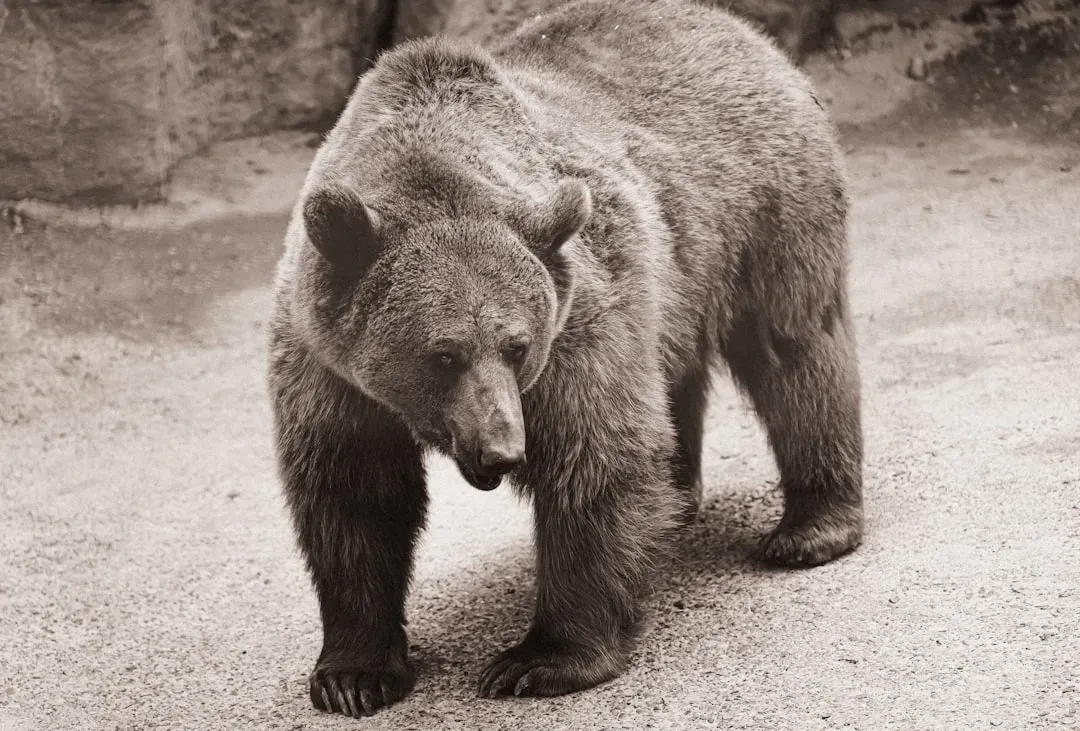
Male grizzlies typically emerge from hibernation in early March, while females with cubs usually appear later in April or early May. Think of it like this: the boars are the scouts, heading out first into a still-frozen landscape with one singular mission. Finding food. After months of low activity and scarce food, they emerge from their dens with incredible appetites, making them more dangerous than ever.
Carcasses can often be sources of contention between grizzlies, especially when they emerge from hibernation. Many bison and elk die during the winter, succumbing to cold temperatures, disease, or a lack of food. As temperatures gradually rise and the snow melts, their carcasses begin to thaw. The smell of rotting flesh is a magnet for grizzlies emerging from hibernation. It is, honestly, both grim and magnificent at the same time.
A Population That Has Grown Dramatically
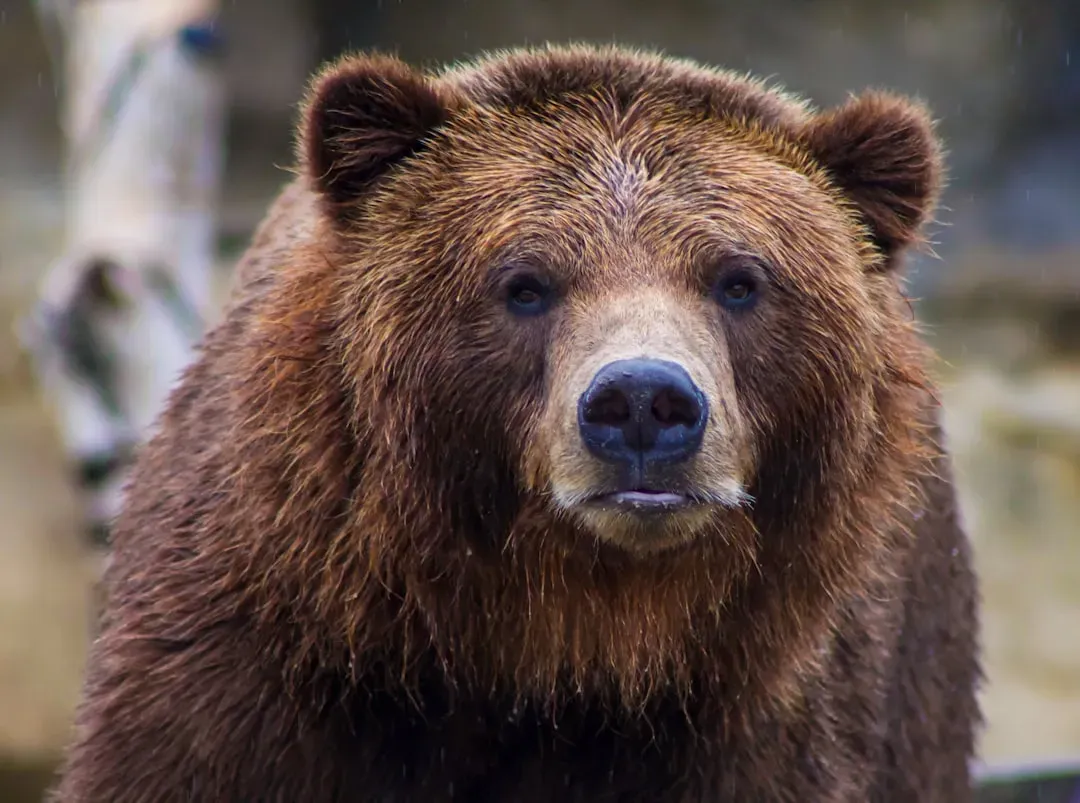
Grizzly bears living in the lower 48 states were listed as a threatened species under the Endangered Species Act in 1975, when only 130 bears were living in and around Yellowstone. Today, between 950 and 1,000 grizzly bears roam Greater Yellowstone. That is one of the great conservation success stories in American wildlife history. Abundance increased threefold from an estimated 270 individuals in 1984 to 1,030 individuals in 2023, according to research published in a peer-reviewed study using decades of USGS monitoring data.
The Greater Yellowstone Ecosystem is a 22-million-acre region encompassing portions of Wyoming, Montana and Idaho, including Yellowstone and Grand Teton National Parks, and is home to one of the largest grizzly bear populations in the contiguous United States. More bears means more encounters, more complexity, and more pressure on park management. The record-high grizzly population, along with Yellowstone drawing record crowds in recent years, creates a high probability of those two entities meeting.
Record Bear Deaths and the Alarming 2024–2025 Trend
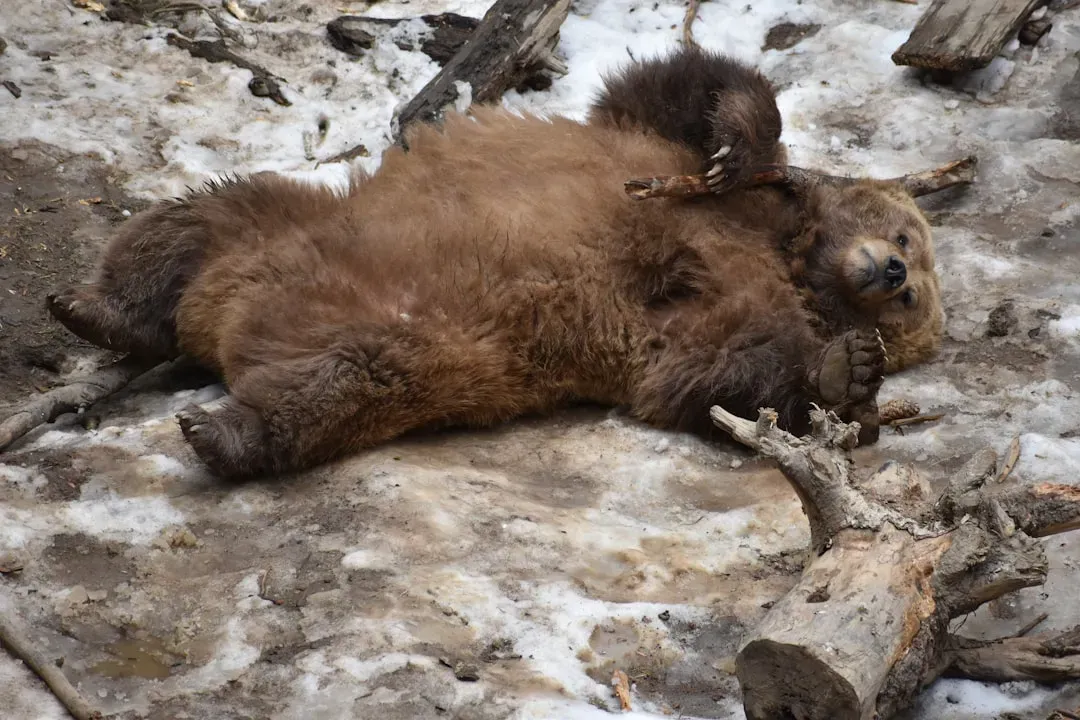
Here’s the thing. More bears surviving to adulthood sounds great on paper, but the data coming out of 2024 and 2025 is genuinely alarming. At least 74 grizzly bears died in the Greater Yellowstone Ecosystem in 2025. More than half of these deaths were caused by humans. The year 2025 recorded the highest number of grizzly bear deaths ever documented.
The leading causes of death were livestock conflict (21 grizzlies killed as a result), followed by site conflicts with humans (16 grizzlies), self-defense killings (12 grizzlies), accidental deaths (nine grizzlies) and natural causes like predation (six grizzlies). The 2025 death toll of 71 was about 35% greater than the 10-year average of 54 mortalities. That gap is not a blip. That is a trend.
Climate Change Is Reshaping What Bears Eat
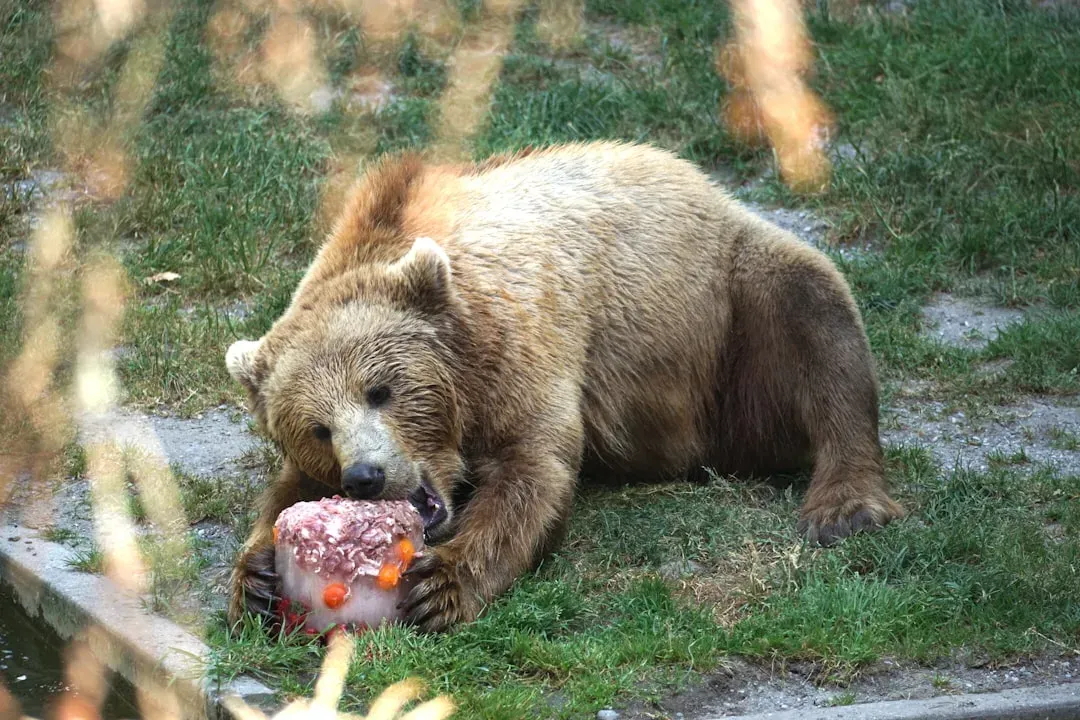
In recent decades, several high-calorie foods for grizzly bears in the Greater Yellowstone Ecosystem have declined, most notably cutthroat trout and seeds of the now federally threatened whitebark pine, as well as some elk herds in and near Yellowstone National Park. Whitebark pine seeds are like nature’s energy bar for grizzlies, rich in fat and protein, and absolutely critical before hibernation. Climate change has reduced the annual crop of whitebark pine nuts as warmer temperatures have allowed insects to ravage stands of what was once a keystone grizzly food.
Whitebark pine, also a threatened species, is expected to see its suitable landscape decline by roughly 80% by the middle of this century, according to a paper published in Environmental Research Letters. When that food source disappears from high elevations, bears are forced to roam further into lower terrain. When seeds are abundant, grizzlies are more likely to forage in high-elevation areas where they face fewer human-bear conflicts and have better survival rates. Less food up top means more bears coming down toward people.
Millions of Visitors, Razor-Thin Safety Margins
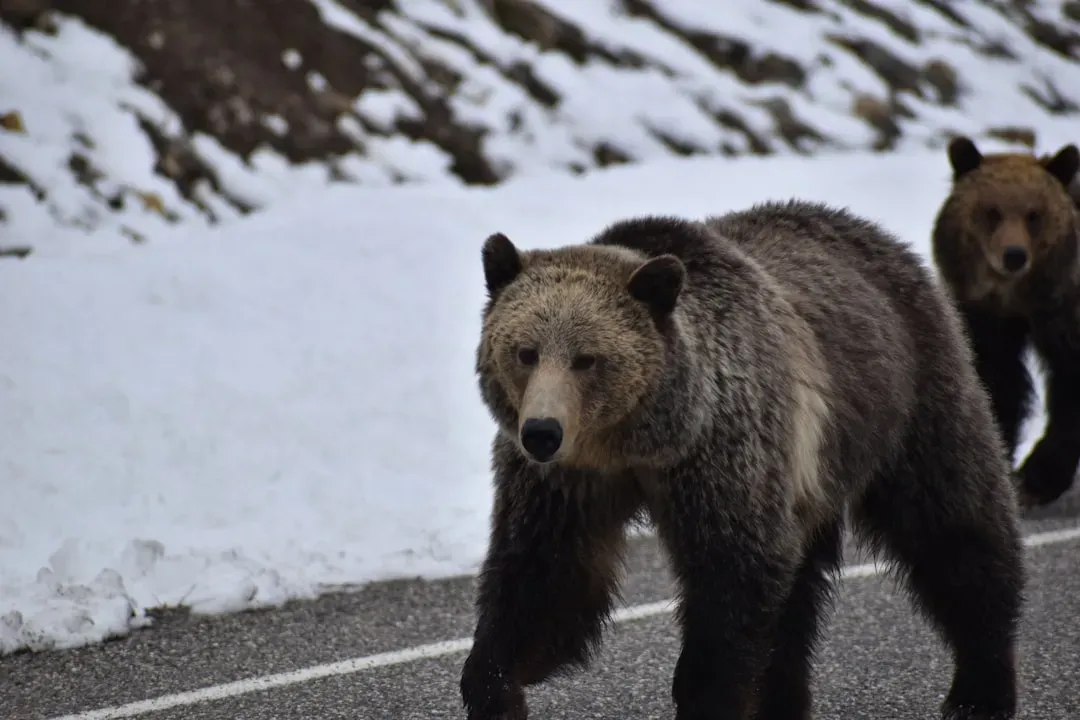
Yellowstone National Park is a popular tourist destination with sympatric populations of grizzly bears and American black bears. It receives more than 4 million recreational visits annually, and bear-human interactions are common. That is a staggering number of people sharing space with an apex predator that can weigh up to 700 pounds. Some excited tourists unwisely approach as close to the large predators as possible to snap a photo, despite regulations requiring them to stay 100 yards away, and ignoring that an adult male grizzly can run at bursts up to 35 mph.
In 2024, Yellowstone recorded 499 grizzly bear jams and another 760 black bear gridlocks. Bear jams, as they are called, are traffic standstills caused by tourists jumping out of cars to photograph a bear from dangerously short distances. Staff hazed bears to push them away from developed areas 101 times last year, and park staff haul an average of about 100 animal carcasses a year away from developed areas to avoid attracting bears and other predators to places where there are people. Let’s be real: that is an enormous operational burden just to keep things from going badly wrong.
How Dangerous Is It, Really?
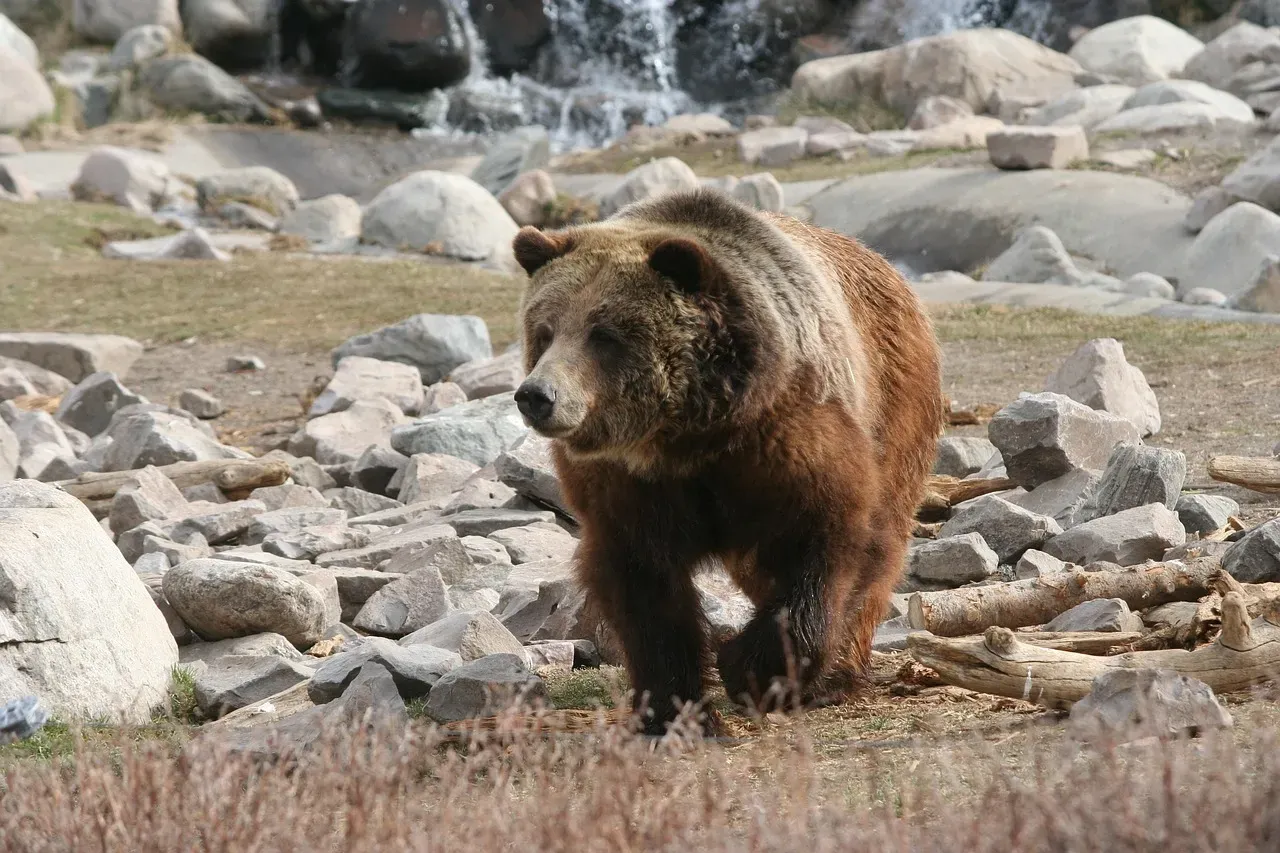
People always want to know the odds. The honest answer is that it’s far safer than the headlines suggest. Yellowstone’s bear management biologist has calculated there is only about one chance in 3.6 million visits of being injured by a grizzly bear. For those who stay in a campground, that climbs to one in 29.2 million. You are, to put it bluntly, more likely to be struck by lightning than mauled by a grizzly on a typical Yellowstone visit.
Since Yellowstone’s founding, grizzlies have killed just eight people out of 207 million recreational visits. From the 1980s to the present, most years see at least three or four people injured by bison but only an average of one person per year injured by bears. The bigger risk, then, is not the bear lunging at you. It is complacency. Park officials warn that bears feeding on carcasses can be aggressive toward people, and the spring season is precisely when that risk peaks, when a hungry, fresh-from-hibernation bear is defending the only meal it has found in months.
Why the Park Service Is Watching Spring 2026 So Closely
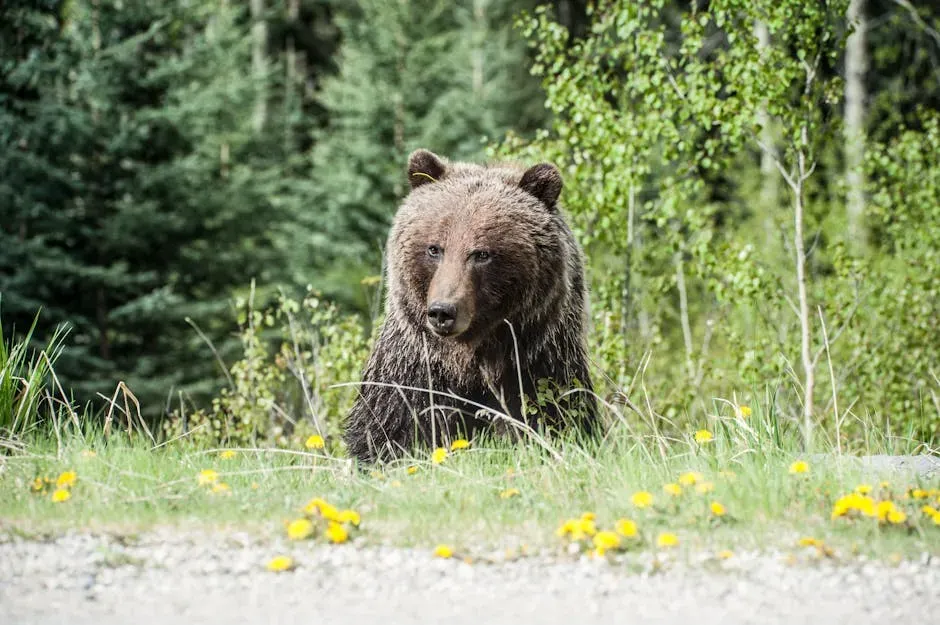
Now that the first grizzly has been seen on a carcass, more of the over 1,000 grizzlies will start waking up in the coming days and weeks. Rangers are already increasing patrols, posting warnings, and reminding every visitor that bear country starts the moment you park your car. All of Yellowstone is bear country, from the backcountry to the boardwalks around Old Faithful.
The Greater Yellowstone Ecosystem is a large, well-protected landscape, which has facilitated bears’ shifting diets and allowed them to expand to new areas, although that increasingly comes at the cost of more human-bear conflicts. With record mortality numbers from recent years still fresh in biologists’ minds, and climate-driven food stress pushing bears into lower elevations, a growing population and distribution of grizzly bears combined with an increasing human footprint in the ecosystem means that when those two elements meet, conflict follows. The park service is not being alarmist. They are being honest.
Seeing that first grizzly of 2026 emerge from the dormancy of winter and plant itself on a frozen bison carcass was, without question, one of the most raw and powerful things I have ever witnessed in a national park. It reminded me that Yellowstone is not a zoo. It is a living, breathing, sometimes brutal ecosystem. The bears are back. The crowds will come soon. The question is whether we, the visitors, will be smart enough to meet both on their own terms. Will you be ready for bear country when you arrive?