#22 — Times Square, New York City
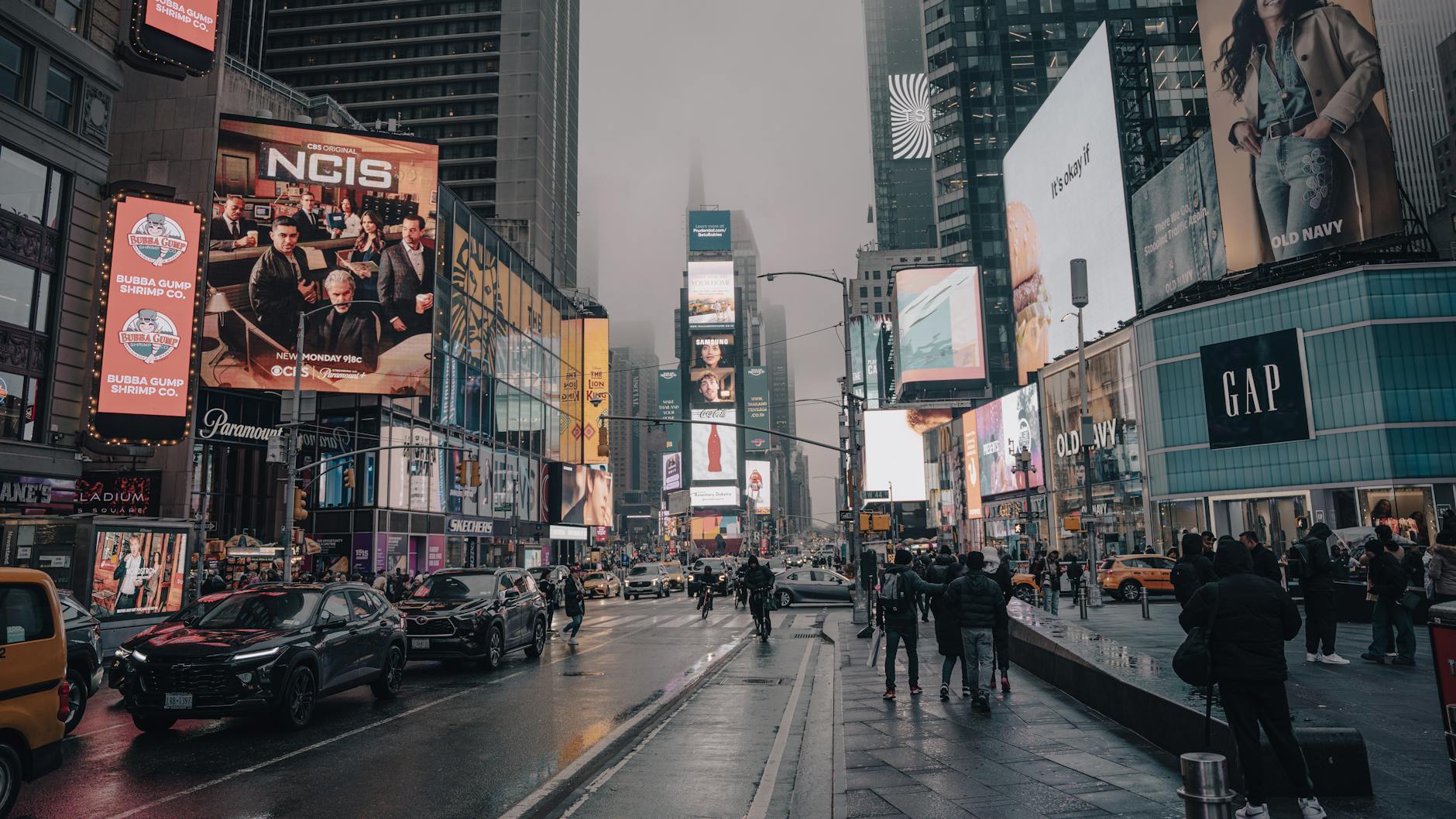
You’ve seen it in every movie, but standing in the middle of this neon jungle is a primary reason tourists leave NYC feeling exhausted and robbed.
While it’s famous for its lights, Times Square is essentially a high-traffic lobby for chain restaurants and overpriced retail stores you can find in any local mall. Local New Yorkers actively avoid this area like the plague because of the aggressive costumed characters who demand money for photos and the sheer density of “pedestrian traffic jams.”
Experts argue that you’ll spend more on a mediocre burger here than a five-course meal in Queens or Brooklyn. The sensory overload wears off in exactly five minutes, leaving you with nothing but sore feet and a lighter wallet. Many travelers rank this as their #1 regret because it lacks any authentic “New York” culture.
But the crowds here are manageable compared to the chaotic nightmare waiting for you at #21…
#21 — The Hollywood Walk of Fame, California

Most first-time visitors expect glamour and movie-star energy, but what they actually find is a dirty sidewalk in a high-crime area.
The “Magic of Hollywood” is a marketing myth that falls apart the moment you step onto the cracked pavement of Hollywood Boulevard. Recent surveys show that this is consistently rated as one of the most underwhelming landmarks in the United States due to the smell, the aggressive street performers, and the lack of actual celebrities.
You aren’t walking onto a red carpet; you are walking through a gauntlet of tourists staring at the floor while dodging scammers handed out “free” CDs. The area is notoriously gritty, and unless you enjoy looking at nameplates while being hassled to buy a bus tour, it’s a waste of an afternoon.
If you think a sidewalk is disappointing, wait until you see the “Natural Wonder” at #20…
#19 — The Blarney Stone, Ireland

Travelers fly across the Atlantic just to wait in a two-hour line to hang upside down and kiss a piece of limestone.
While the castle grounds are admittedly beautiful, the act of kissing the stone is frequently cited as the “most unhygienic tourist tradition” in the world. Locals have long joked about the various ways they “defile” the stone at night, and while the staff cleans it, the sheer volume of human contact is staggering.
You spend $20 and half your day for a three-second interaction that usually results in a blurry photo. Most experts suggest skipping the line and walking the gardens instead, as the “gift of gab” isn’t worth a potential case of the flu.
But at least this stone is outdoors; the claustrophobia at #18 is on another level…
#18 — The Mona Lisa, France
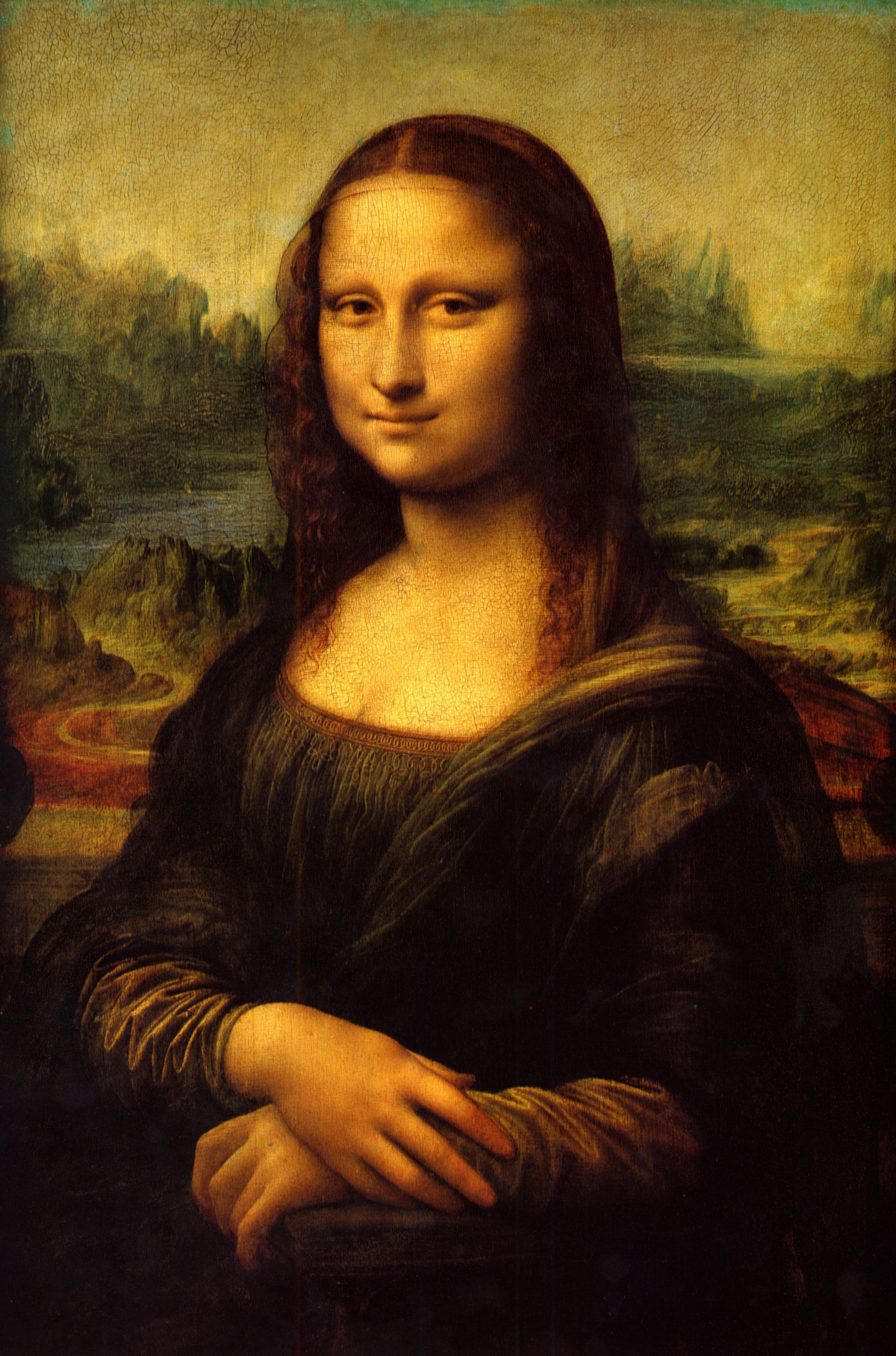
The Louvre is the world’s greatest museum, but its most famous resident is the reason thousands of tourists leave disappointed every single day.
Most people don’t realize that the Mona Lisa is only 30 inches tall and is protected by bulletproof glass, a heavy wooden frame, and a permanent crowd of 200 people waving their iPhones. You are forced to stand behind a wooden barricade several feet away, making it nearly impossible to actually “see” the brushwork or the famous smile.
Security guards shuffle you along within seconds, giving you no time to appreciate the art. It’s a box-ticking exercise that takes hours of wait time for a view that is better captured on a high-definition postcard.
Wait until you hear about the massive letdown waiting at the top of the stairs in #17…
#17 — The Spanish Steps, Italy

Hollywood made these steps look like the height of Roman romance, but modern local laws have turned them into a “look but don’t touch” monument.
As of 2019, it is strictly illegal to sit on the Spanish Steps, with fines ranging up to 400 Euros for anyone caught resting their legs. This means the primary activity—sitting and enjoying the Roman atmosphere—is now a punishable offense.
Tourists often find themselves being whistled at by police officers the moment they try to take a photo. Without the ability to sit, it’s just a staircase crowded with people trying to sell you “invisible” selfie sticks and overpriced roses.
Speaking of stairs, the landmark at #16 involves a lot of climbing for a very small payoff…
#16 — The Empire State Building, New York City
![View of the Empire State Building in New York City from the Top of the Rock at 30 Rockefeller Plaza during sunset. The tower was illuminated in green in honor of Climate Week NYC.[1]](https://upload.wikimedia.org/wikipedia/commons/0/05/View_of_Empire_State_Building_from_Rockefeller_Center_New_York_City_dllu.jpg)
For $40 to $80 per person, you get to wait in multiple lines to see a view of New York that is missing the city’s most iconic building: the Empire State Building itself.
The “Classic” NYC experience is a logistical nightmare of security checks and elevator queues. Savvy travelers now recommend the Top of the Rock or the Edge instead, because from those vantage points, you can actually see the Empire State Building in your photos.
Standing on the 86th floor often means fighting for a sliver of space at the railing while the wind whips your hair into a mess. It’s a high-priced trap that burns three hours of your vacation for a photo you could get better elsewhere.
But that’s nothing compared to the “Old World” disappointment at #15…
#15 — Checkpoint Charlie, Germany
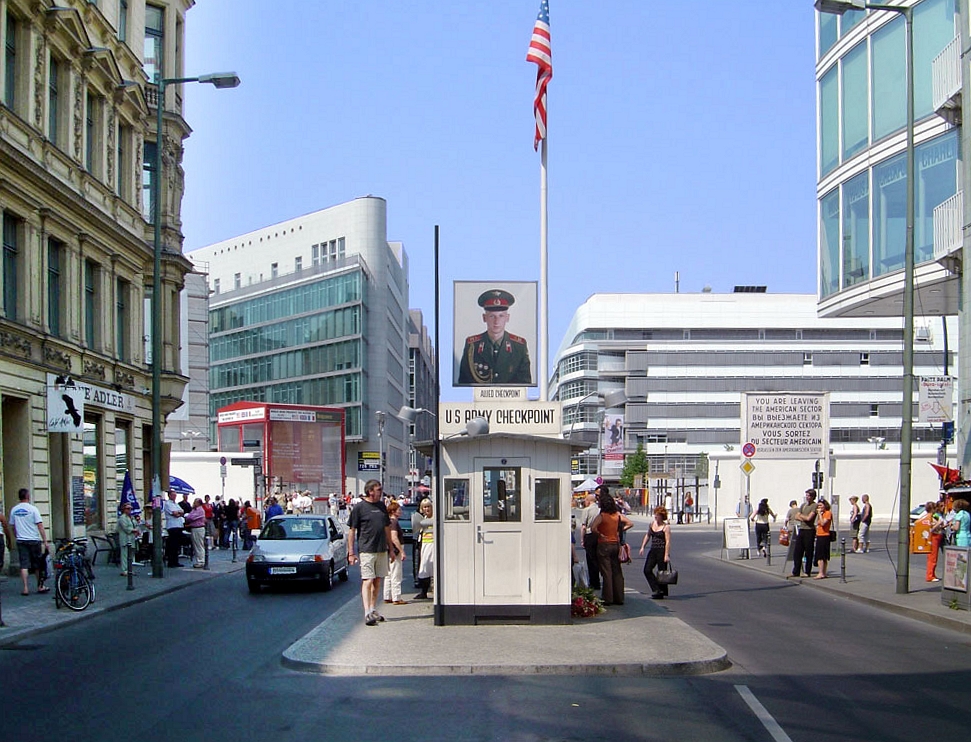
Once a symbol of the Cold War and global tension, this site has devolved into a kitschy, commercialized photo-op that feels disrespectful to history.
The “shack” you see today is a replica, and the men dressed as soldiers are actors who charge money for a picture. The site is surrounded by a KFC, a McDonald’s, and a museum that many historians criticize for being sensationalist and overpriced.
Most travelers describe it as a “tourist circus” that lacks any of the gravity or educational value found at the nearby Topography of Terror or the Berlin Wall Memorial. It is the ultimate example of a historic site being “Disney-fied” for profit.
The commercialization is bad, but the sheer “nothingness” of #14 is even worse…
#14 — Plymouth Rock, Massachusetts
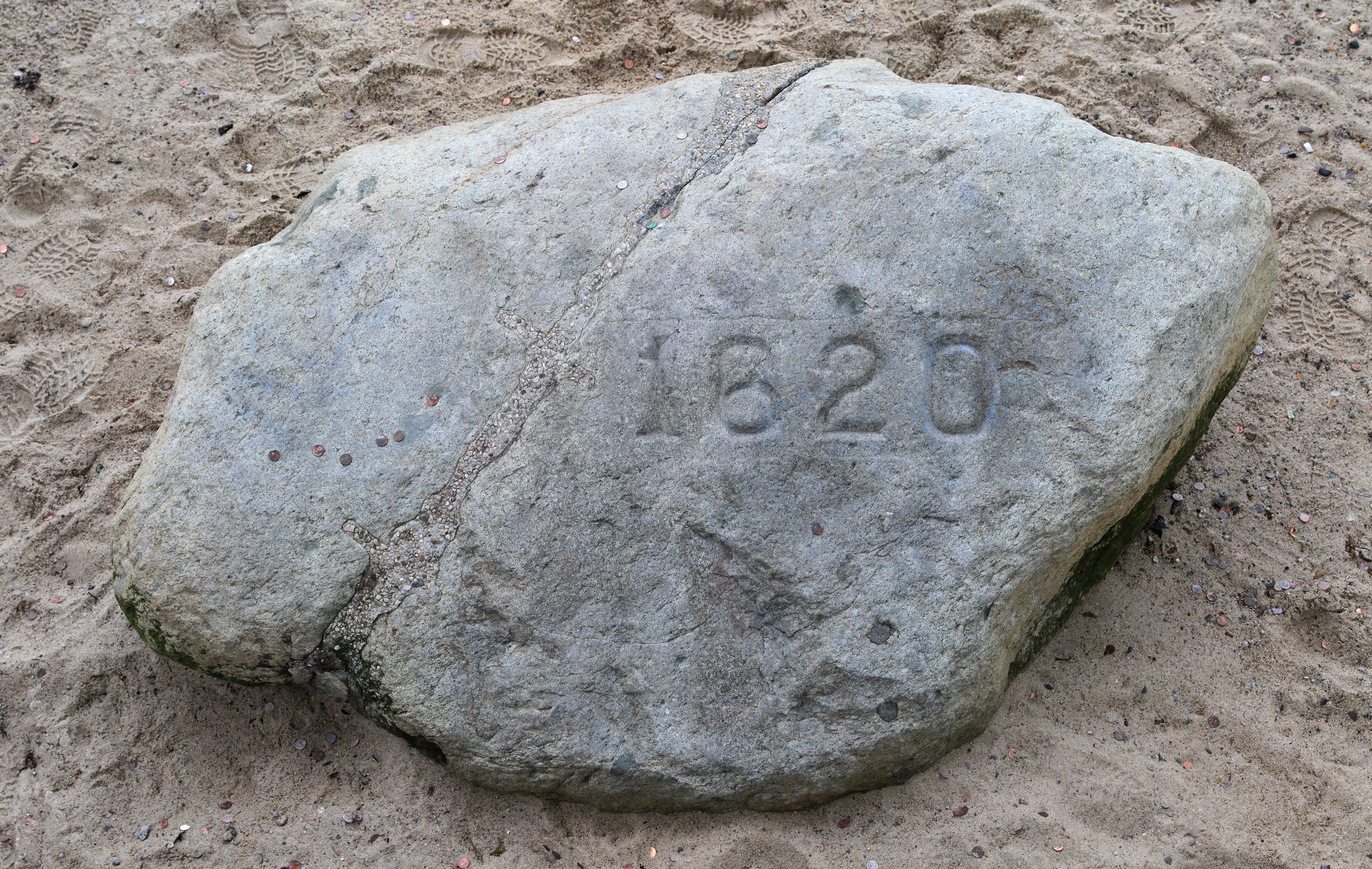
Imagine traveling to the birthplace of American history only to find a medium-sized rock sitting in a pit behind bars.
The “Rock” is arguably the most underwhelming physical object in the United States. It is significantly smaller than most people expect, having been broken and moved multiple times, and is now housed in a granite portico that looks like a prison cell for a stone.
There is no evidence that the Pilgrims ever even stepped on this specific rock, making the entire pilgrimage feel like a historical fabrication. Tourists often spend 30 seconds looking at it before asking, “Is that really it?”
If you think a rock is a letdown, wait until you see the “scenic” disappointment at #13…
#13 — The Little Mermaid Statue, Denmark

Copenhagen is a stunning city, but its most famous icon is a tiny bronze statue that is constantly surrounded by hundreds of shouting tourists.
The statue is only about four feet tall and sits on a rock right near a busy industrial harbor. Many visitors are shocked to find that the backdrop for their photos includes a massive power plant directly across the water.
It’s an incredibly long walk from the city center for a very small reward. Travelers often joke that the statue is “The Little Disappointment” because of its diminutive size and the aggressive elbowing required to get a clear shot.
But at least you can see the statue; at #12, you’re mostly just looking at other people’s heads…
#12 — Stonehenge, England

It’s one of the wonders of the ancient world, but for the average tourist, it’s a pile of rocks you aren’t allowed to get anywhere near.
Unless you pay for a special “Inner Circle” private tour months in advance, you are restricted to a roped-off path that keeps you about 30 to 50 yards away from the stones. The site is located right next to a busy highway, so the “mystical” atmosphere is frequently ruined by the sound of passing semi-trucks.
The visitor center is a mile away from the actual site, requiring a shuttle bus ride that strips away any sense of discovery. For the steep entry price, many feel they are just paying to see something they’ve already seen better in a documentary.
The “Grandeur” trap hits even harder at #11…
#11 — The Leaning Tower of Pisa, Italy

You’ve seen the photo: someone “holding up” the tower. Now imagine 2,000 other people doing the exact same thing in the same 50-yard radius.
The “Field of Miracles” is anything but miraculous for those who dislike crowds. The tower itself is surrounded by tourist-trap restaurants with some of the worst-rated food in Italy. Beyond the tower, there is very little to do in Pisa, leading many to feel that the three-hour round trip from Florence was a waste of a day.
The tower is beautiful, but the environment is so saturated with “influencer” culture that it feels more like a movie set than a historic cathedral square.
But the most expensive mistake you can make in Europe is #10…
#10 — Gondola Rides in Venice, Italy

It looks like the peak of romance, but it’s actually a regulated monopoly that will cost you nearly $100 for a 30-minute float through smelly canals.
The prices for a gondola are fixed by the city, and they are astronomical. You are often stuck in “gondola traffic jams” where you are inches away from other boats, listening to other tourists talk rather than enjoying a serene moment.
If you want the gondolier to sing, that usually costs extra. Most locals recommend taking the Vaporetto (water bus) for a fraction of the price, which offers the same views without the cliché.
The price is high, but the “Smallness” factor at #9 is the real shocker…
#9 — The Manneken Pis, Belgium

Brussels is famous for chocolate and beer, but its most famous landmark is a tiny statue of a boy urinating.
Travelers are consistently baffled by the fame of this statue, which stands at only 24 inches tall. It is tucked away on a random street corner and is remarkably easy to miss if you aren’t looking for the crowd of confused tourists.
While the statue is often dressed in costumes, the novelty wears off in seconds. It’s a perfect example of a “must-see” that offers zero actual substance.
Wait until you see how they’ve ruined the history at #8…
#8 — The Alamo, Texas

“Remember the Alamo” is a famous rallying cry, but visitors often forget that the site is now located in the middle of a chaotic downtown business district.
Instead of a sprawling battlefield, the Alamo is a small chapel squeezed between a souvenir shop and a Ripley’s Believe It or Not! museum. The juxtaposition of sacred history and commercial “museums of oddities” is jarring for many visitors.
The interior is small, and while the history is profound, the physical experience often feels overshadowed by the neon lights of the surrounding tourist traps.
But the “Natural Wonder” at #7 is the most crowded place on earth…
#7 — Niagara Falls (The New York Side), USA

While the falls themselves are magnificent, most travelers agree that the American side is a depressing shadow of the Canadian experience.
The New York side is widely considered the “ugly sibling” of the region, centered around a state park that feels dated and lacking the panoramic views found across the border. Most of the famous “Niagara” photos you see are actually taken from the Canadian side.
The town of Niagara Falls, NY, is often cited as being run-down, with very little to do once you’ve finished the Maid of the Mist boat tour.
If you hate being a “captured audience,” you’ll want to avoid #6…
#6 — The Blue Lagoon, Iceland

It is the most Instagrammed spot in Iceland, but it is actually a man-made “geothermal” pool using runoff from a nearby power plant.
While the water is mineral-rich, the Blue Lagoon is essentially a very expensive, very crowded outdoor spa that requires expensive pre-booked tickets. It is located far from the actual “nature” of Iceland’s Golden Circle.
Travelers who want an authentic experience are now flocking to the Sky Lagoon or Myvatn Nature Baths, which offer better views for half the price. The Blue Lagoon has become a factory-line of tourists wearing mud masks and holding plastic cups of beer.
But the “Mystery” at #5 is even more of a marketing gimmick…
#5 — Loch Ness, Scotland

Millions of people travel to this dark lake in the Highlands hoping for a glimpse of “Nessie,” but they usually leave with nothing but a wet raincoat.
The lake is just… a lake. Because the water is filled with high levels of peat, visibility is nearly zero, meaning you can’t even see the bottom, let alone a monster. The surrounding area is heavily commercialized with “Nessie” museums that look like they haven’t been updated since 1985.
Unless you are a massive fan of gloom and 1970s-era cryptozoology, the Highlands offer much more spectacular scenery elsewhere.
The disappointment at #4 is a literal “Gold” mine for scammers…
#4 — The Grand Bazaar, Turkey

One of the largest and oldest covered markets in the world is now a high-pressure gauntlet of counterfeit goods and aggressive sales tactics.
While the architecture is historic, most of the items for sale today are mass-produced in factories, despite being sold as “authentic handicrafts.” If you don’t know how to haggle aggressively, you will be significantly overcharged for “saffron” that is actually dyed corn silk.
It is loud, claustrophobic, and many tourists find the constant shouting from shopkeepers to be stressful rather than “cultural.”
But the “Nature” trap at #3 is the biggest logistical nightmare in the US…
#3 — Four Corners Monument, USA

The idea of being in four states at once (Utah, Arizona, New Mexico, and Colorado) sounds like a great photo op, but the reality is bleak.
The monument is located in a remote desert area, miles from any other major attractions. Once you arrive, you have to pay an entry fee to stand in a line on a flat concrete slab just to take a picture of your feet.
There is zero shade, very few facilities, and the “states” are marked by simple lines on the ground. Most people spend three hours driving there, five minutes taking the photo, and then realize they have to drive three hours back.
The “Historic” disappointment at #2 is much smaller than you think…
#2 — The Liberty Bell, Pennsylvania

It is a symbol of American freedom, but the experience of seeing it is remarkably sterile and brief.
You have to go through a full TSA-style security screening just to enter the glass pavilion. Once inside, you see a medium-sized bell with a crack in it, and you are moved along by the crowd almost instantly.
You can actually see the bell perfectly through the glass windows from the outside sidewalk for free, without the security line. Most tourists feel that the 45-minute wait for a 2-minute look is one of the worst trades in Philly.
And the #1 most disappointing spot for American tourists? It’s a place everyone thinks is “Luxury” but is actually a “Mall”…
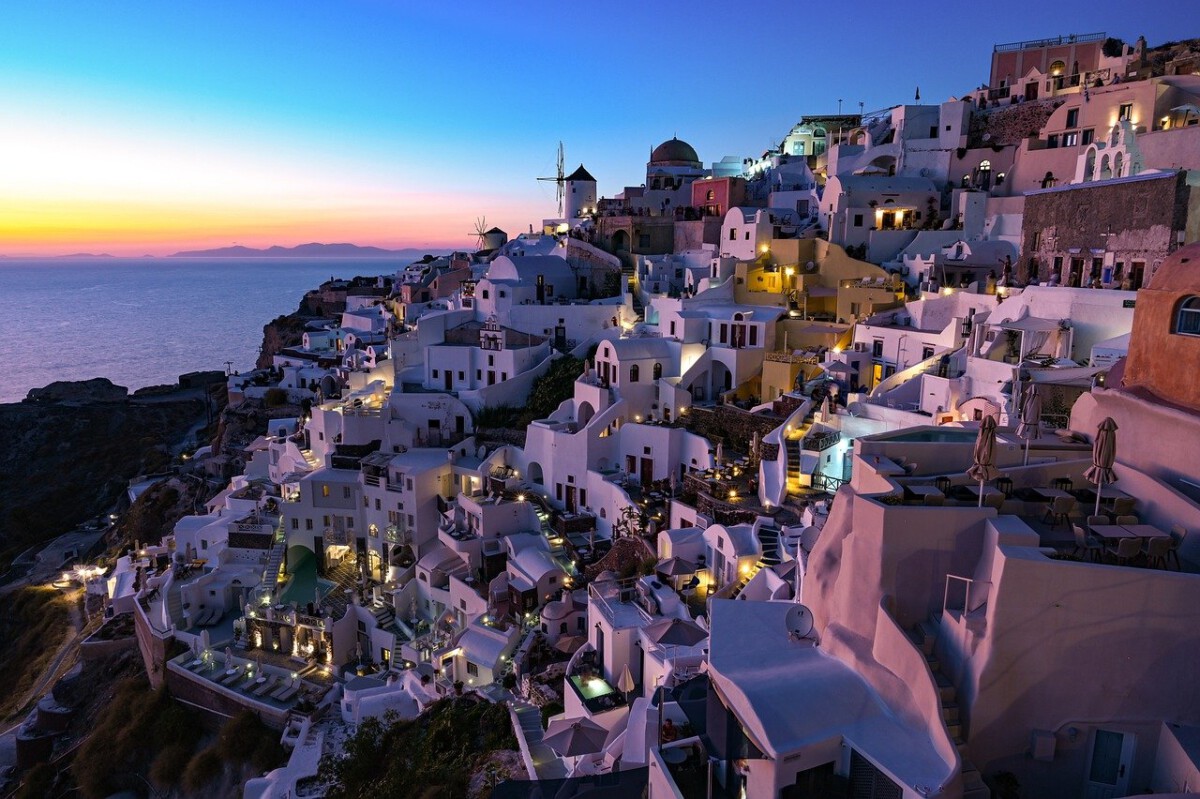
#1 — Santonrini, Greece (In July/August)

It is the “Postcard of Greece,” but during the peak summer months, it is a logistical and physical nightmare that many travelers say they regret.
The famous blue-domed churches and white-washed streets are so packed with cruise ship passengers that it can take 40 minutes just to walk 100 yards through the narrow alleys of Oia. Prices for even a basic bottle of water are tripled, and the “romantic” sunset is viewed alongside 5,000 other people shoving their phones in your face.
Many visitors describe the experience as “Disney World on a cliff,” where the local culture has been entirely replaced by boutiques and Instagram photo-ops. Experts say that if you don’t visit in the “off-season,” you are paying for a luxury experience but receiving a crowded commute.
The Bottom Line
The truth about travel is that fame rarely equals quality. Many of the world’s most iconic “must-see” spots have become victims of their own success, transforming from historic or natural wonders into high-priced, overcrowded factories designed to part you from your money. Whether it’s the tiny Manneken Pis or the “illegal” Spanish Steps, these locations often prioritize profit over the visitor experience. Does this mean you should stay home? No—it just means you should look past the “top 10” lists and find the hidden gems that haven’t been ruined by the crowds yet. Did we miss a spot that let you down? Drop it in the comments and warn your fellow travelers!