
New Mexico is a place full of red desert, turquoise skies, and silence. Lots of silence. Most people passing through think of it as a land of green chile and adobe houses. They don’t think about the fact that beneath all that quiet, some of the most consequential science in human history has been conducted, continues to be conducted right now, and is accelerating at a pace that would genuinely surprise you.
I spent years working at one of New Mexico’s national laboratory facilities. There’s a lot I still can’t say. But there’s also plenty the public record has confirmed in recent years, and honestly, some of it deserves more attention than it gets. Let’s dive in.
1. The Place Was Built on a Secret – and That Secret Never Really Ended
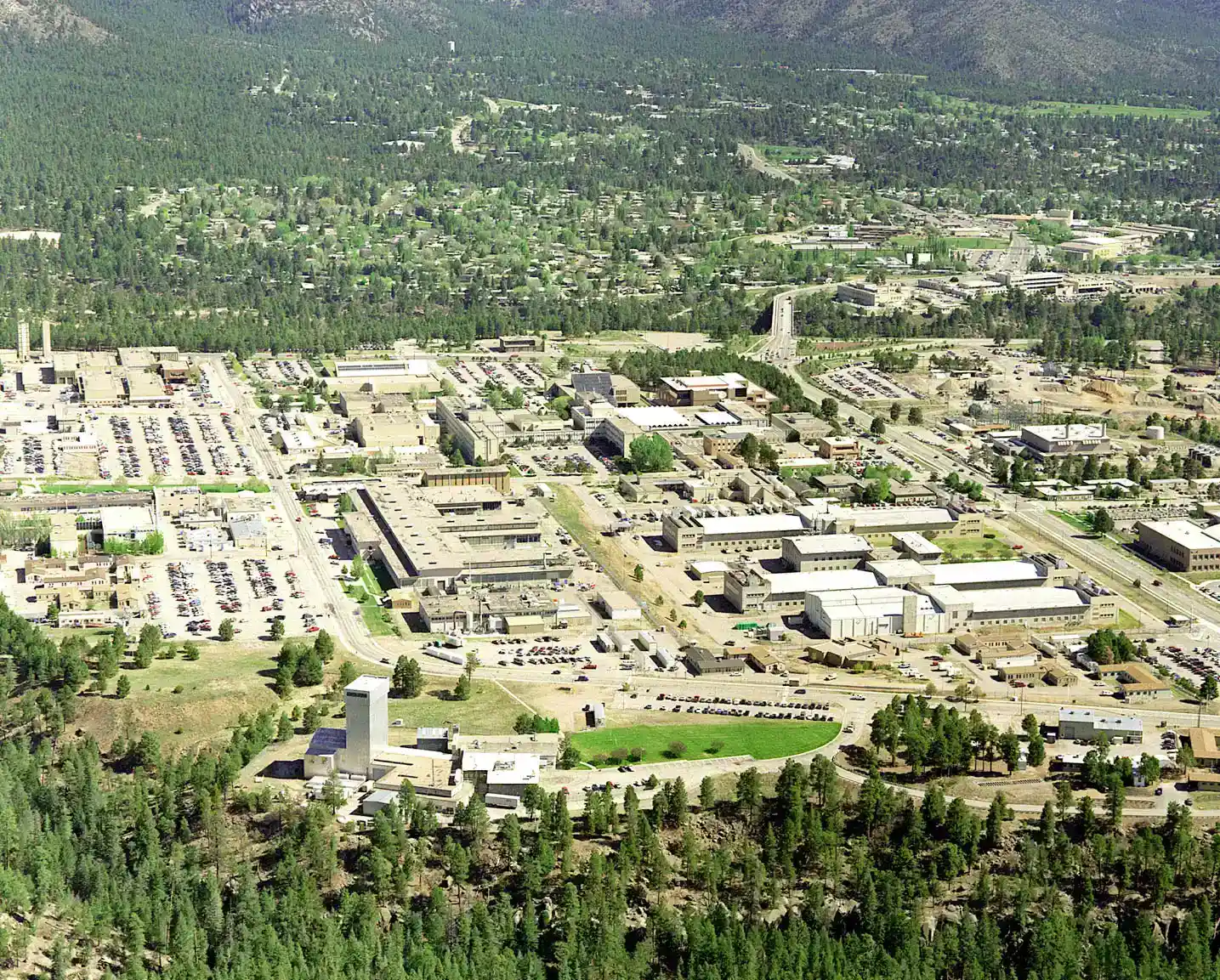
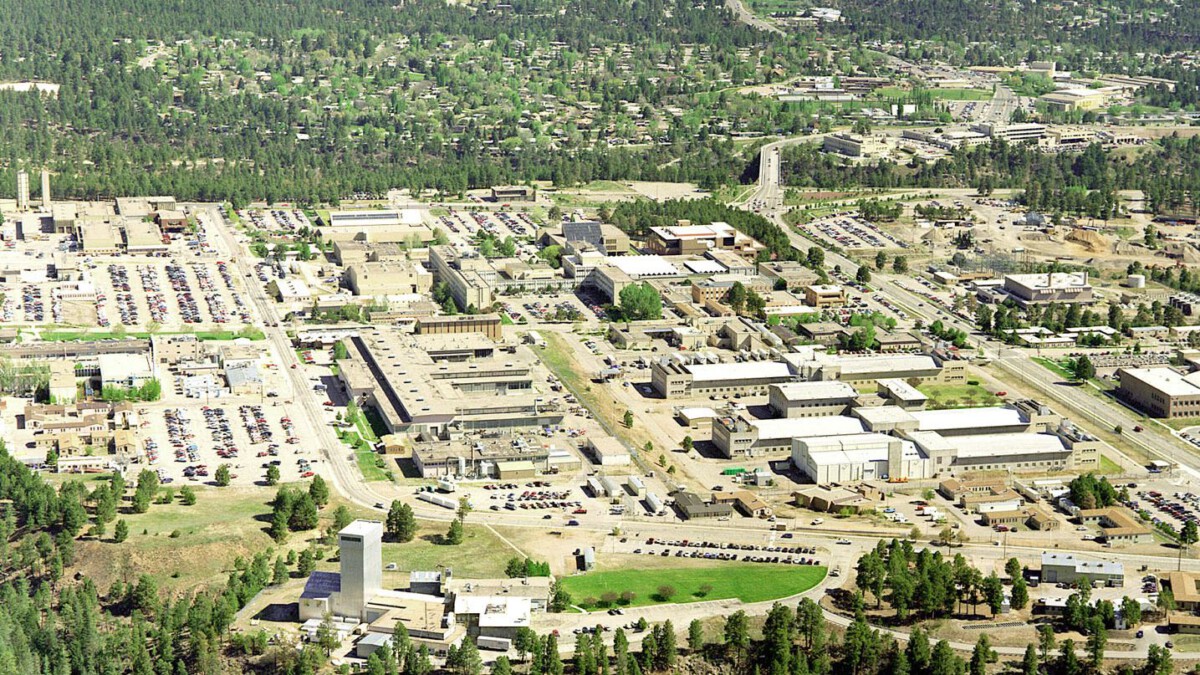
Most people know the name Los Alamos in the abstract, as a relic of World War II, something from a history textbook. Here’s the thing: it never stopped being classified. Los Alamos was established in 1943 as Project Y, a top-secret site for designing nuclear weapons under the Manhattan Project during World War II. The whole town was essentially walled off from the outside world, names were removed from maps, and the scientists living there weren’t allowed to use their real identities on official documents.
Best known for its central role in helping develop the first atomic bomb, LANL is one of the world’s largest and most advanced scientific institutions. That legacy didn’t fade. The secrecy embedded in the culture from day one is still there, woven into everything from the badge you carry to the way you talk about your work at dinner. LANL’s primary mission is to provide scientific and engineering support to national security programs, including research, design, maintenance, and testing in support of the nuclear weapons stockpile.
What struck me most wasn’t the big dramatic secrets. It was the small ones. The hallway you couldn’t walk down. The colleague whose project you’d never hear a word about. Energy Department labs are “increasingly targeted by adversarial nations” to exploit technologies for their militaries or economies, which explains, at least in part, why the walls stay up. As recently as early 2025, new federal law banned citizens of China, Iran, North Korea, and Russia from even entering the facility. Citizens of those four countries became unable to enter Los Alamos National Laboratory and other national labs due to new federal requirements, with the prohibition expected to affect about 70 employees at Los Alamos alone.
2. The Scale of the Operation Would Blow Your Mind
People imagine a government lab as some modest building with a few guys in white coats. Let’s be real: Los Alamos is closer to a small city with a classified inner core. In 2024, the Lab employed 16,547 workers who earned $1.96 billion in salaries, according to LANL’s annual Economic Impact Report. Add in contractors, and the total workforce climbs even higher. While the number of regular Laboratory employees reached 16,547 in 2024, the Lab also employed 1,378 contractors, bringing the total to 17,925.
With an annual budget of $5.24 billion, the Laboratory is a major economic driver in the state. That’s not a research center. That’s an institution. For context, that kind of annual spend is bigger than the entire GDP of several small countries. Over at Sandia National Laboratories in Albuquerque, the numbers are similarly staggering: Sandia’s budget including operations, equipment, and construction from DOE and non-DOE funding was $5,767.5 million in FY 2025, and it employs more than 16,300.
The economic ripple effect across New Mexico is hard to overstate. The lab spent more than $1 billion on local businesses and the laboratory paid $138 million in gross receipts tax to the state of New Mexico, with those taxes going toward vital services like healthcare, education, and infrastructure. Meanwhile, Sandia reported about $5.1 billion in revenue for fiscal year 2024, with roughly 63 to 64 percent of that work supporting nuclear deterrence programs.
3. The AI Revolution Is Happening Inside Classified Walls Right Now
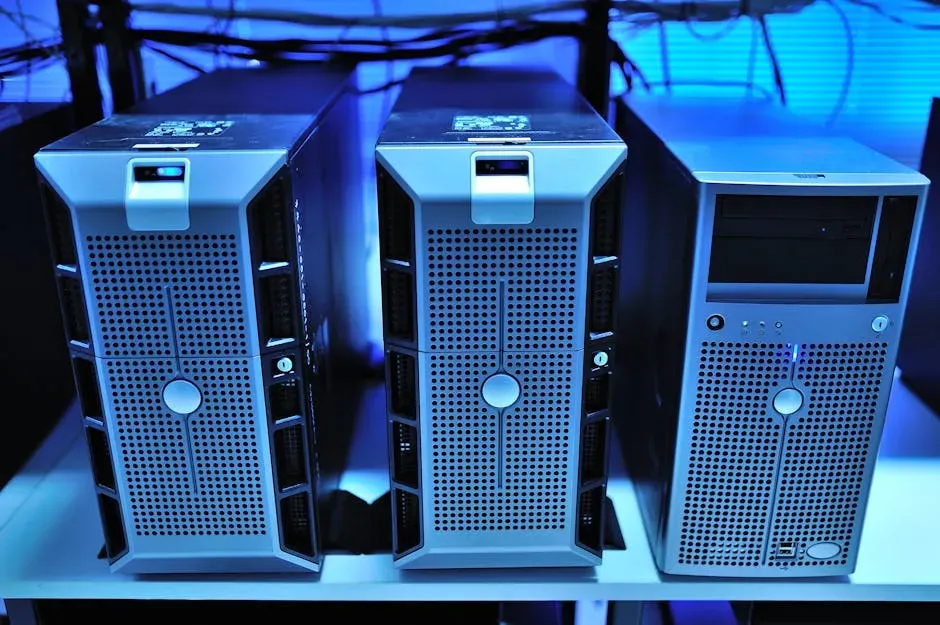
This is the thing people least expect to hear. When most of us picture a nuclear weapons lab, we picture Cold War machinery and dusty physics textbooks. The reality in 2025 and 2026 looks nothing like that. After moving to a classified network in 2025, the Venado supercomputer at Los Alamos National Laboratory is now running OpenAI’s latest o-series reasoning models to accelerate national security research. That’s not a future plan. That happened.
Venado, which uses NVIDIA GH200 Grace Hopper Superchips, is the 19th-fastest supercomputer in the world and serves as a shared resource for researchers at the National Nuclear Security Administration laboratories. It was built in 2024 with 2,560 direct, liquid-cooled NVIDIA Grace Hopper Superchips in an exascale-class HPE Cray EX supercomputer, and at the time of installation it was the first large-scale system with NVIDIA Grace CPU superchips deployed in the United States. I know it sounds crazy, but America’s nuclear labs are now deeply partnered with the same AI companies powering your smartphone.
It doesn’t stop there. Mission and Vision, two new supercomputers announced for Los Alamos, are part of the DOE’s $370 million investment to accelerate scientific discovery, advance AI initiatives, and strengthen national security. Meanwhile, Sandia has been just as aggressive: Sandia, Los Alamos, and Lawrence Livermore national laboratories developed a federated machine-learning model prototype to advance AI for national security, using a technique for training AI models on decentralized data, allowing collaboration while protecting sensitive datasets held by each laboratory. The AI revolution isn’t coming to these facilities. It’s already there, running on classified networks.
Conclusion: The Secrets That Matter Aren’t Always the Ones You Expect
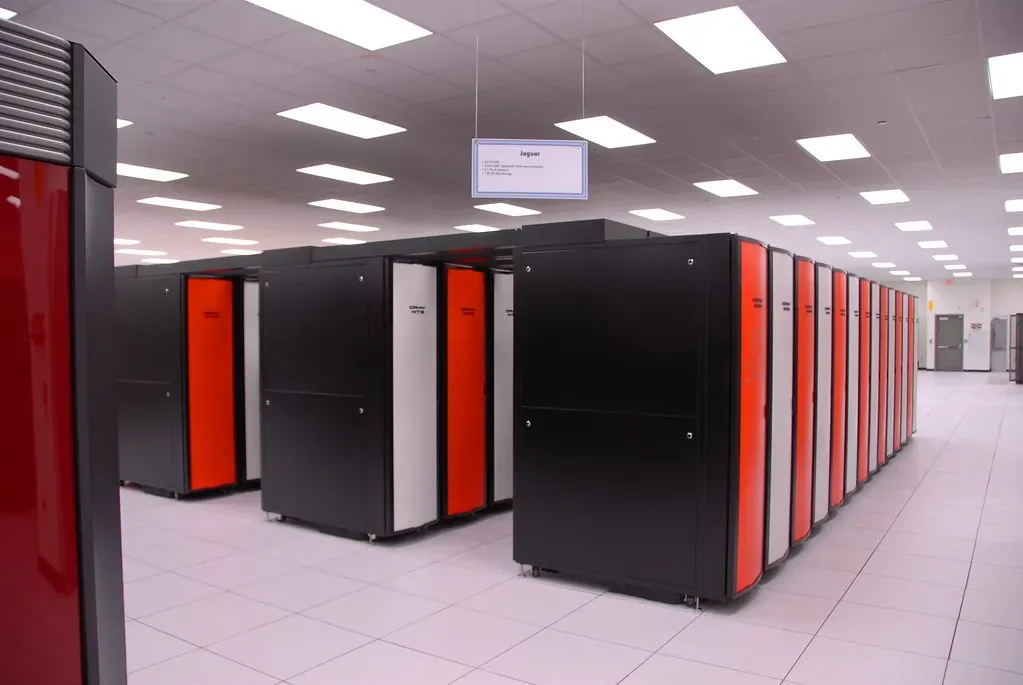
Working inside a place like this changes how you think about national security, about science, and honestly about secrecy itself. The surprising truth isn’t the aliens or the hidden bunkers that pop culture keeps selling. It’s the sheer, grinding, enormous scale of legitimate work that goes on every single day, work funded by public money, carried out by tens of thousands of ordinary people who go home to their families in Albuquerque and Santa Fe each evening.
As NNSA’s first exascale supercomputer, El Capitan is a premier resource for the NNSA Tri-Labs to advance nuclear weapon science, providing the vast computational power necessary to ensure the safety, security, and reliability of the nation’s nuclear deterrent without nuclear testing. The U.S. is now maintaining and evolving its entire nuclear posture through simulation, AI modeling, and computing power rather than underground explosions. That, to me, is the most remarkable open secret of all.
The desert doesn’t give much away. Neither do the people who work in it. But every now and then, a budget report, a press release, or a declassified assessment pulls back the curtain just enough. What it reveals is something far bigger, far more modern, and far more consequential than most Americans realize. What would you have guessed?