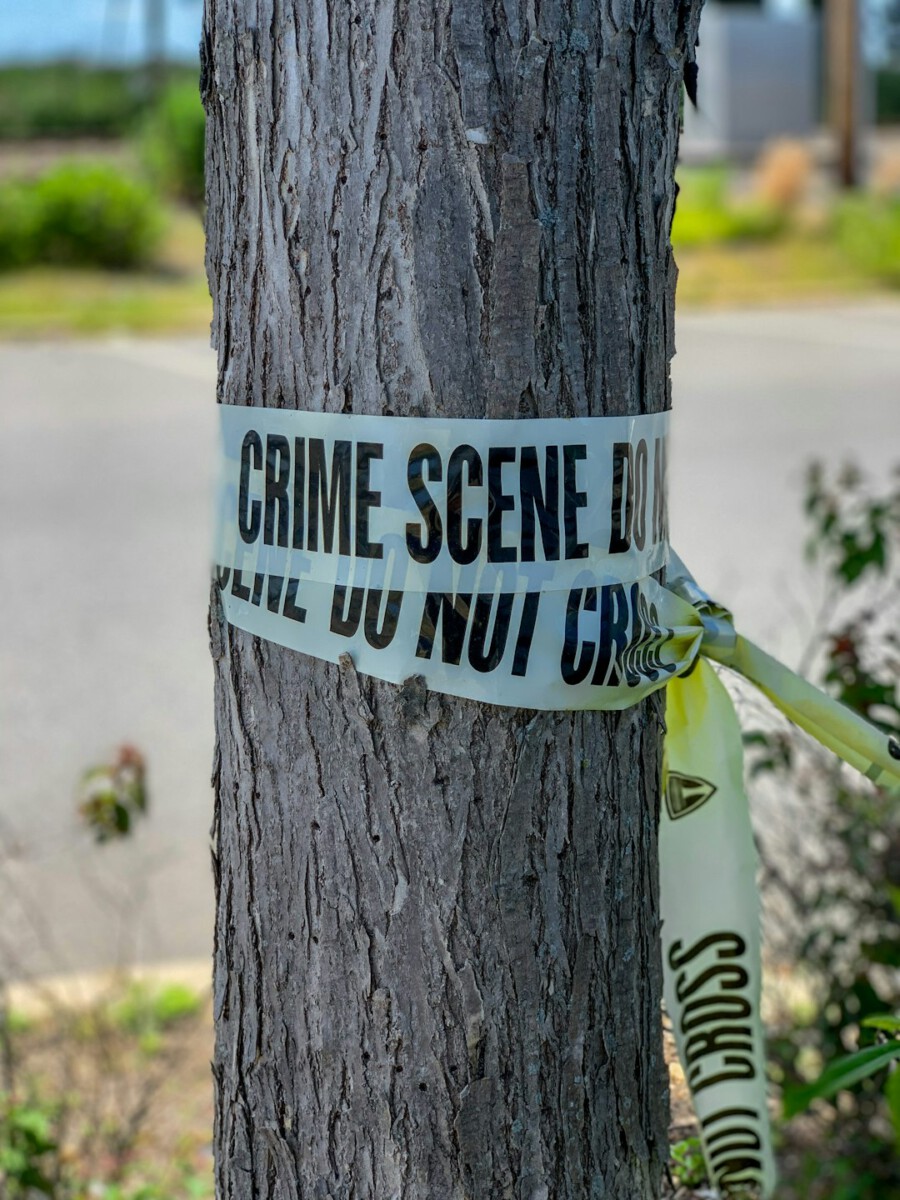


A Shocking Shift in the Suspect’s Account (Image Credits: Unsplash)
Sandpoint, Idaho – Authorities arrested a local man on murder charges after he admitted to fatally striking his grandfather with a hatchet, shifting his explanation from self-protection to an act intended to end the elder’s suffering.
A Shocking Shift in the Suspect’s Account
The confession emerged quickly following the incident, catching investigators off guard with its evolving details. Jeremiah Kiley, 29, initially described the attack as a response to an immediate threat from his grandfather, Robert Reyes. According to police reports, Kiley stated that Reyes, who suffered from schizophrenia, experienced an episode the previous night and had pointed a gun at him. This claim positioned the act as self-defense, a narrative that authorities scrutinized during initial questioning.
However, as the interrogation progressed, Kiley altered his story. He revealed that he bludgeoned Reyes with the hatchet not just out of fear, but to “stop his suffering.” Police noted that Kiley referred to his grandfather as “crazy,” suggesting a perception of unrelenting torment tied to the mental illness. The rapid change in Kiley’s statements complicated the investigation, prompting detectives to delve deeper into the family dynamics and the events leading up to the fatal encounter.
Responders arrived at the scene after a distress call, where they found Reyes deceased from severe head trauma. Kiley remained at the residence, cooperative yet distraught, which facilitated his swift apprehension. Court documents highlighted how the confession unfolded in real time, providing a window into the suspect’s mindset during one of the most harrowing family tragedies in recent local history.
Family Ties and the Shadow of Mental Illness
The relationship between Kiley and Reyes appeared strained by the grandfather’s long-standing battle with schizophrenia. Relatives had reportedly witnessed prior episodes where Reyes’s condition escalated, creating tension within the household. While no prior violence between the two surfaced in records, the unpredictable nature of the illness likely amplified underlying stresses.
Experts in mental health often emphasize how untreated or poorly managed schizophrenia can lead to crises that affect entire families. In this case, the episode Kiley described involved Reyes arming himself, a detail that underscored the potential dangers. Yet, the transition to a mercy-killing rationale raised questions about Kiley’s own emotional state and whether he felt overwhelmed by caregiving responsibilities.
Local authorities coordinated with mental health professionals early in the probe to assess these factors. The incident served as a stark reminder of the challenges faced by families navigating severe psychiatric conditions without adequate support systems. Community members expressed shock, noting the quiet neighborhood where such violence seemed out of place.
Legal Ramifications and Investigation Details
Kiley faced first-degree murder charges shortly after his arrest, with bail set at a substantial amount to reflect the gravity of the allegations. Prosecutors prepared to argue that the attack constituted premeditation, despite the self-defense angle. Defense attorneys, meanwhile, might explore diminished capacity linked to the family circumstances.
The investigation included forensic analysis of the hatchet and the scene, confirming the cause of death as blunt force trauma. Police recovered no firearm in Reyes’s possession at the time of the attack, though they verified the prior night’s episode through witness statements. Kiley’s confession, documented in affidavits, became central evidence, illustrating the fine line between protection and aggression.
As the case advances through the courts, it could highlight gaps in mental health resources for rural areas like northern Idaho. Preliminary hearings focused on procedural matters, with the full trial expected to unpack the conflicting motives in depth.
Broader Implications for Mental Health and Family Violence
Cases involving mental illness and intra-family harm often expose systemic shortcomings. In Idaho, access to psychiatric care remains limited, particularly for chronic conditions like schizophrenia. This tragedy prompted discussions among local officials about bolstering support services to prevent escalations.
Statistics from national health organizations indicate that individuals with severe mental disorders are more likely to be victims than perpetrators of violence. Still, when episodes involve perceived threats, outcomes can turn devastating. Kiley’s dual claims – self-defense followed by mercy – mirrored patterns seen in other high-profile incidents, where caregivers grapple with impossible choices.
Advocacy groups called for increased funding and awareness, urging families to seek intervention before crises peak. The event in Sandpoint underscored the urgent need for comprehensive strategies that address both the afflicted individual and their support network.
Key Takeaways
- Mental health episodes can strain family bonds, sometimes leading to tragic outcomes without proper intervention.
- Conflicting confessions complicate legal proceedings, requiring thorough evidence gathering.
- Communities must prioritize accessible psychiatric resources to mitigate risks in vulnerable households.
This case leaves a community grappling with loss and reflection on how mental illness intersects with personal safety. What steps can society take to better support families in crisis? Share your thoughts in the comments below.