
After years deploying to disaster zones across the country, I learned to spot patterns others miss. Some places bounce back quick. Others just keep getting hammered. One state tops my avoid list for 2026, and it might surprise sun-seekers dreaming of beaches.
Here’s the thing. Climate shifts and bad luck collide there constantly. Let’s break down why Florida feels like a ticking clock.[1][2]
1. Hurricane Central
Florida faces hurricanes like clockwork every season. In 2024 alone, the state endured four major hits: Idalia, Debby, Helene, and Milton, triggering multiple FEMA declarations.[3][4] Recovery dragged on into 2025, straining resources everywhere. Honestly, no other state matches that barrage lately. Projections show warmer waters fueling even fiercer storms ahead.[5]
2. Floods That Never Quit
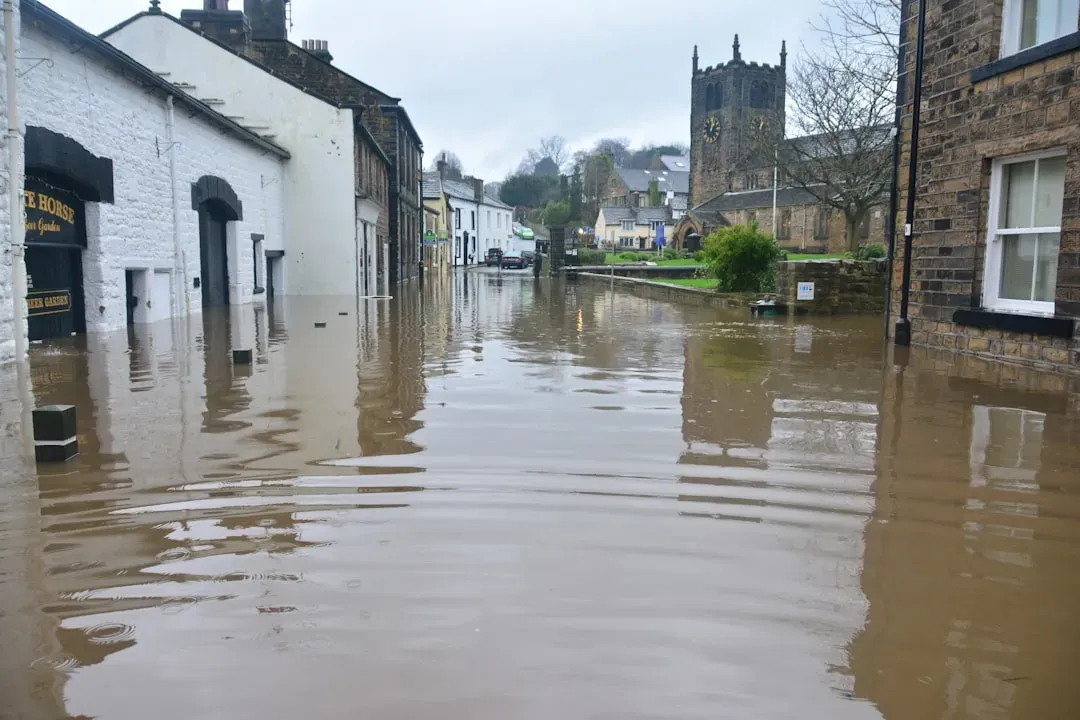
Storms dump insane rain, turning streets into rivers. Hurricane Milton alone soaked the state from October into November 2024, leading to DR-4834-FL.[4] Coastal areas see king tides worsening with sea rise. FEMA’s National Risk Index flags Florida high for coastal flooding risks. It’s not just storms; everyday rains overwhelm outdated drains now.
Communities rebuild, only to flood again. That cycle wears everyone down fast.[6]
3. Tornadoes in the Mix
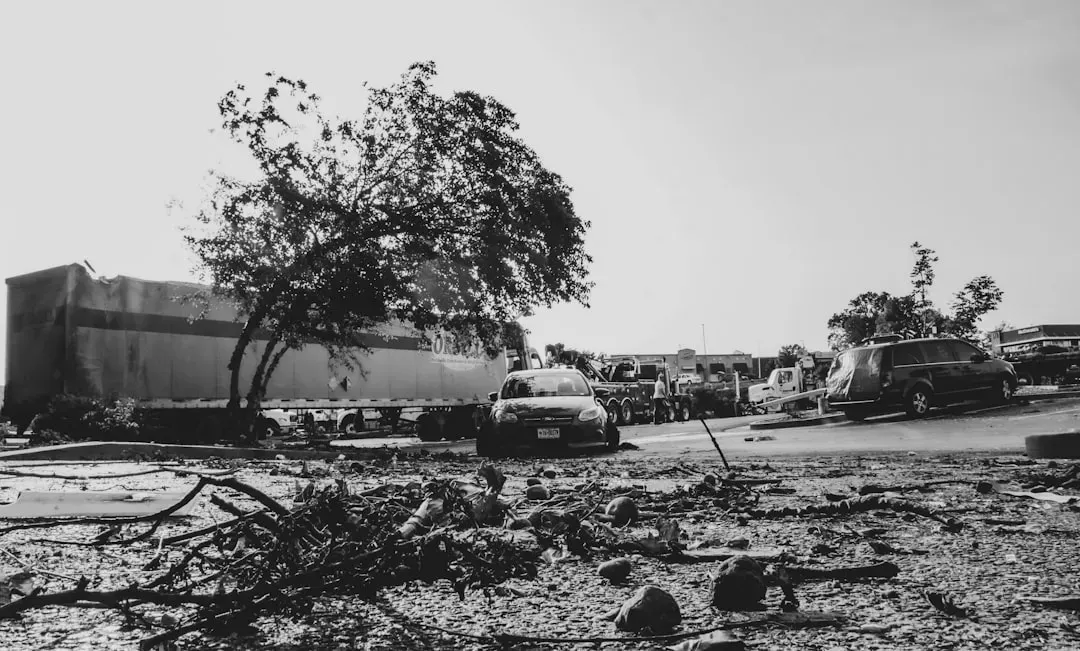
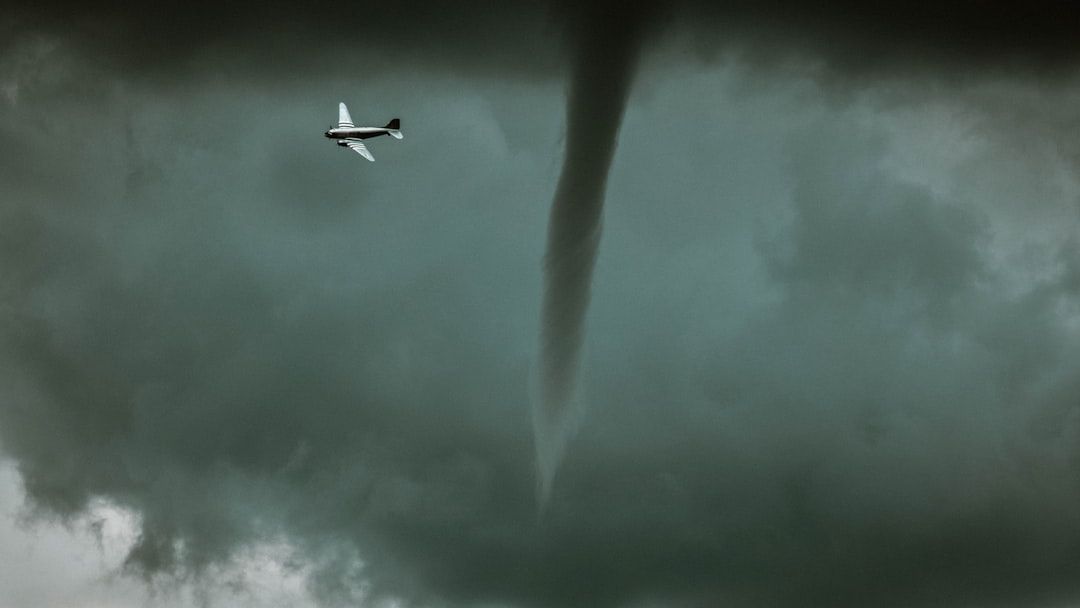
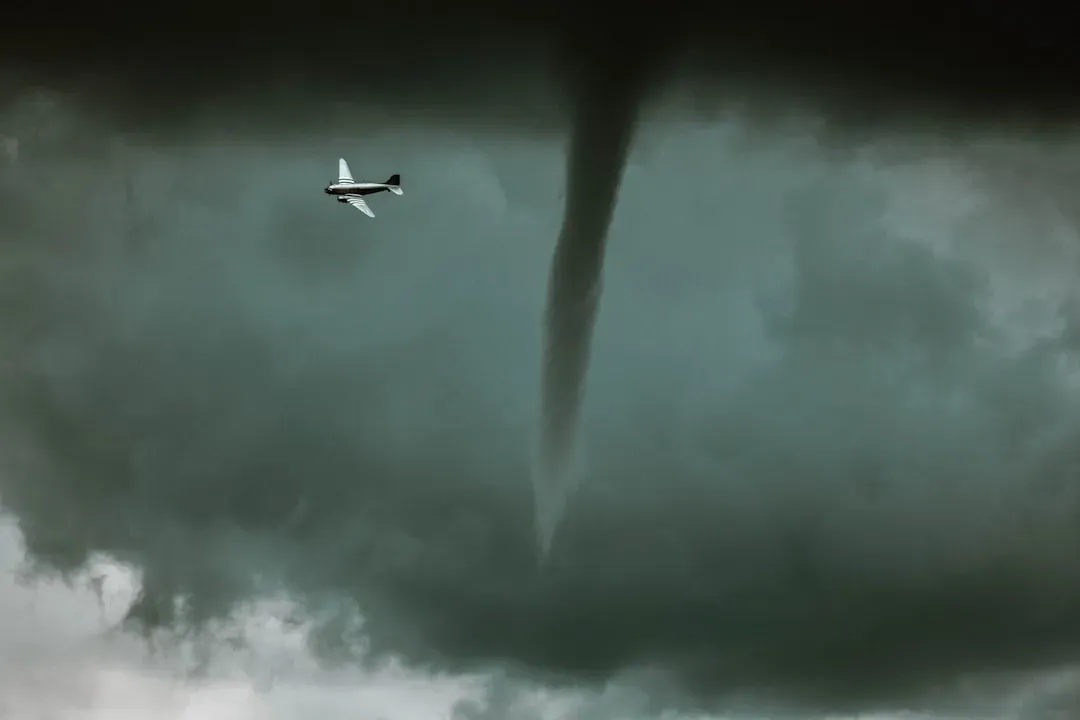
Hurricanes spawn tornadoes that rip through unexpectedly. Helene and Milton tore paths across the peninsula in 2024. Straight-line winds added to the mess, prompting more aid requests. FEMA teams juggled multiple threats at once.
Florida ranks high in severe storm declarations too. It’s like dodging one bullet just to catch another.[7]
4. Insurance Market Meltdown

Home insurance averages $8,292 yearly in 2025, up 18% from before.[8] Carriers fled after back-to-back storms, leaving Citizens as last resort. Reforms brought some rate cuts for 2026, but premiums stay brutal. Buyers face gaps in coverage that leave them exposed.
Let’s be real. No one wants that financial gut punch after a storm.[9]
5. Evacuation Nightmares
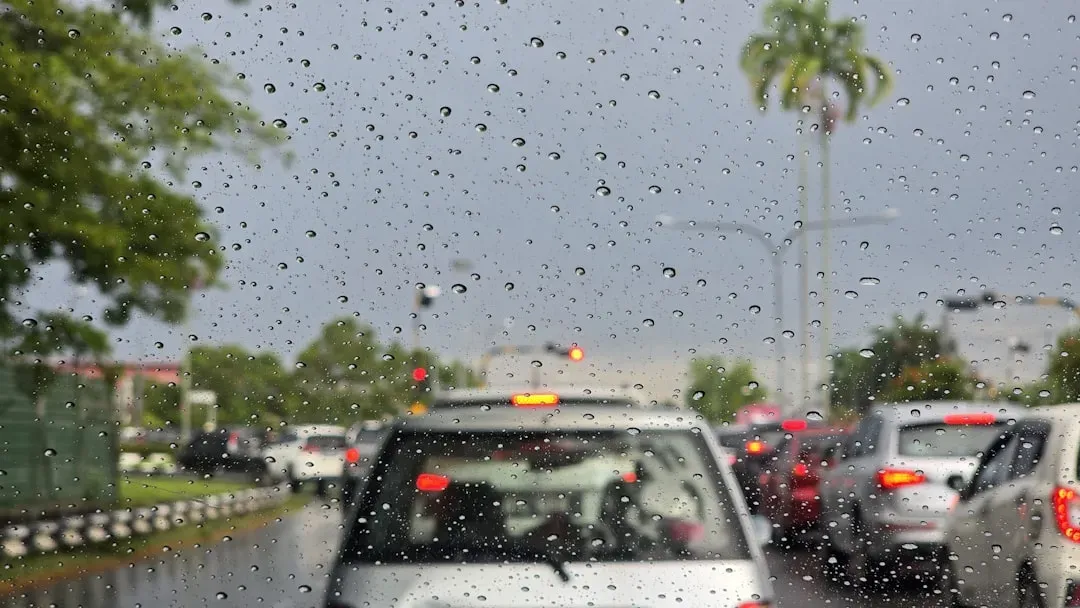
Millions evacuate yearly, clogging I-95 and I-75. Traffic jams stretch hundreds of miles during peaks. Fuel shortages hit hard, stranding folks. State preps improved post-2024, yet gridlock persists.
I saw families stuck mid-evac from Milton. Timing matters, and Florida’s geography fights back every time.[10]
6. Aging Infrastructure Buckles
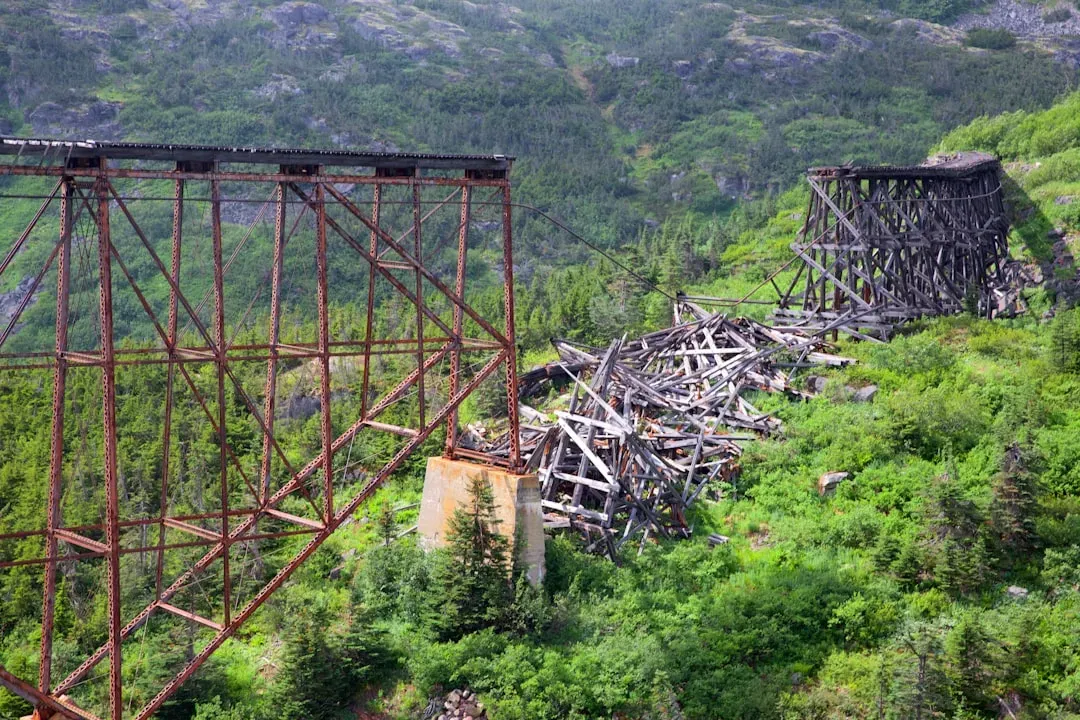
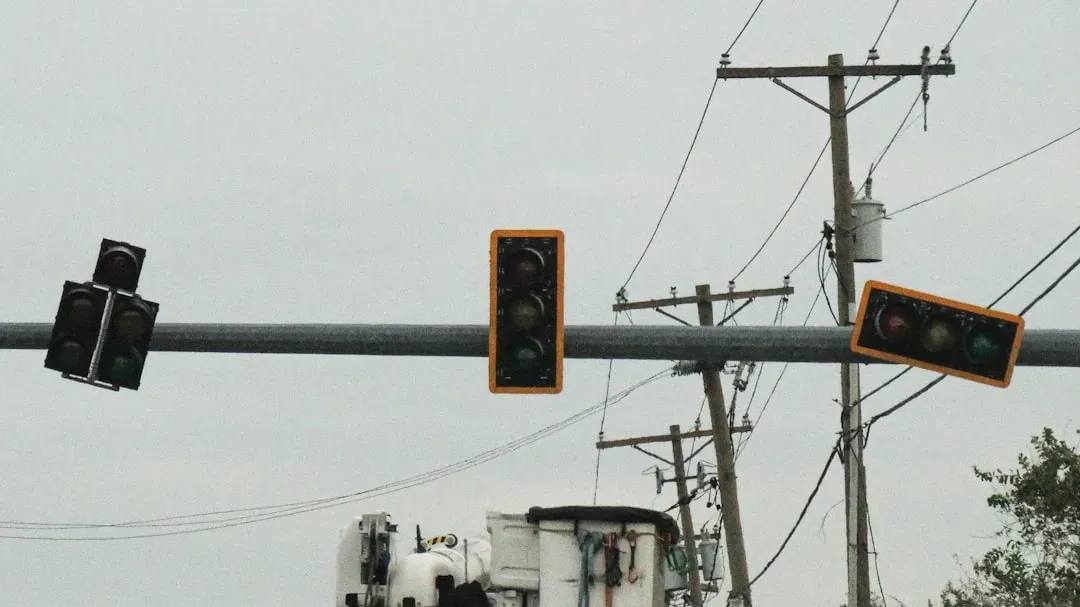
Bridges, roads, power grids fail under storm surges. 2023-2024 storms caused over $38 billion in damages.[11] Outages last weeks, hitting hospitals and homes. Billions flow from FEMA yearly, but fixes lag.
Texas and California top total declarations, but Florida’s hits feel personal and repeated.[1] Rebuilds use temp fixes too often.
7. FEMA’s Constant Presence

Florida logs 155+ declarations since 1953, sixth overall but rising fast.[1] 2024 saw historic aid after four hurricanes. Teams deploy non-stop for recovery. Between 100-300 since 1980 per USAFacts.[2]
That frequency signals deep vulnerability. No breather between calls.
8. Climate Change Turbocharge
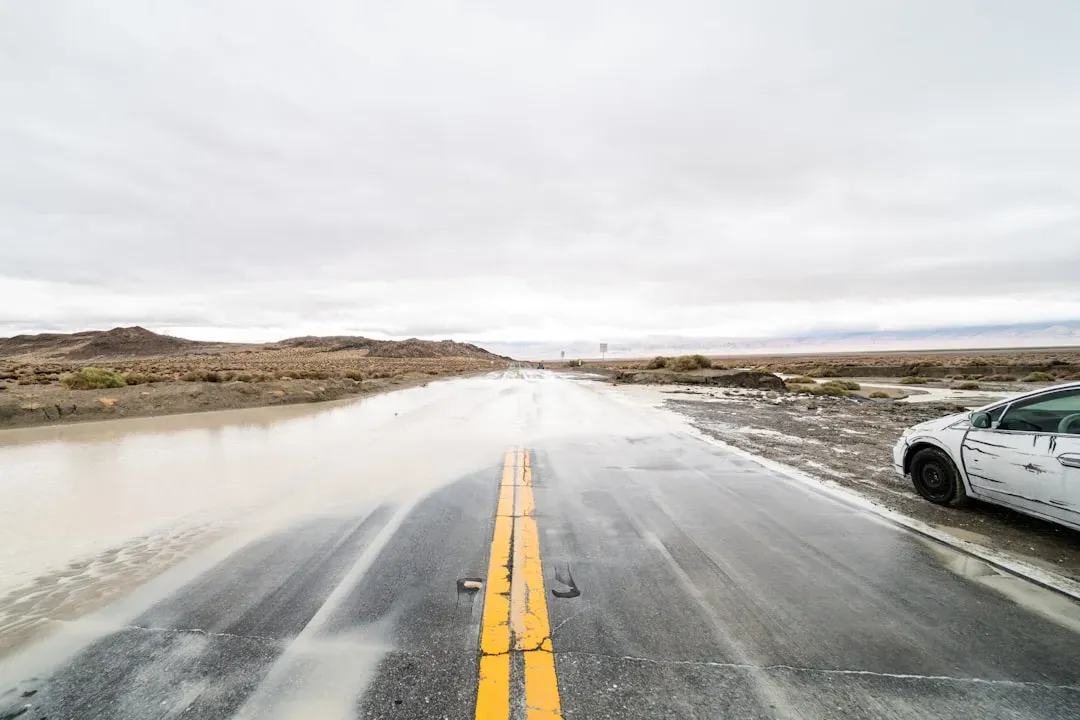
Warming Gulf waters supercharge storms. Nine southern states top climate impact lists, Florida front and center.[12] Sea levels creep up, flooding lowlands permanent. Risk Index highlights hurricane and flood dangers high.[6]
2026 looks no better. Trends point steeper losses ahead.
9. Economic Drain Hits Hard
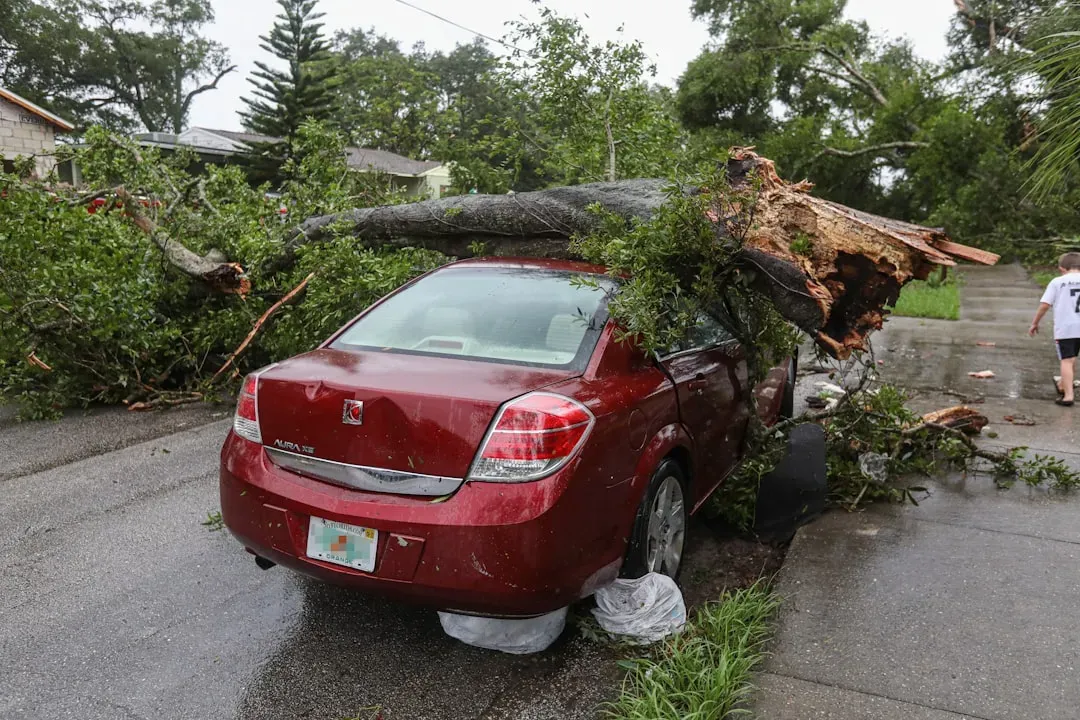
Storms wipe billions yearly, slowing growth. Tourism dips post-hit, jobs vanish. Home values swing wild with risks. State budgets stretch for matching FEMA funds.
Florida spent $850 million on 2024 response alone.[13] Recovery eats future plans.
10. No Safe Haven Inside
Even inland spots flood from storm paths. Panhandle to Keys, all exposed. Wildfires rare, but heat waves build. National Risk puts many counties top-tier risky.[14]
Pick any zip code, risks lurk. That’s the harsh truth from the front lines.[6]