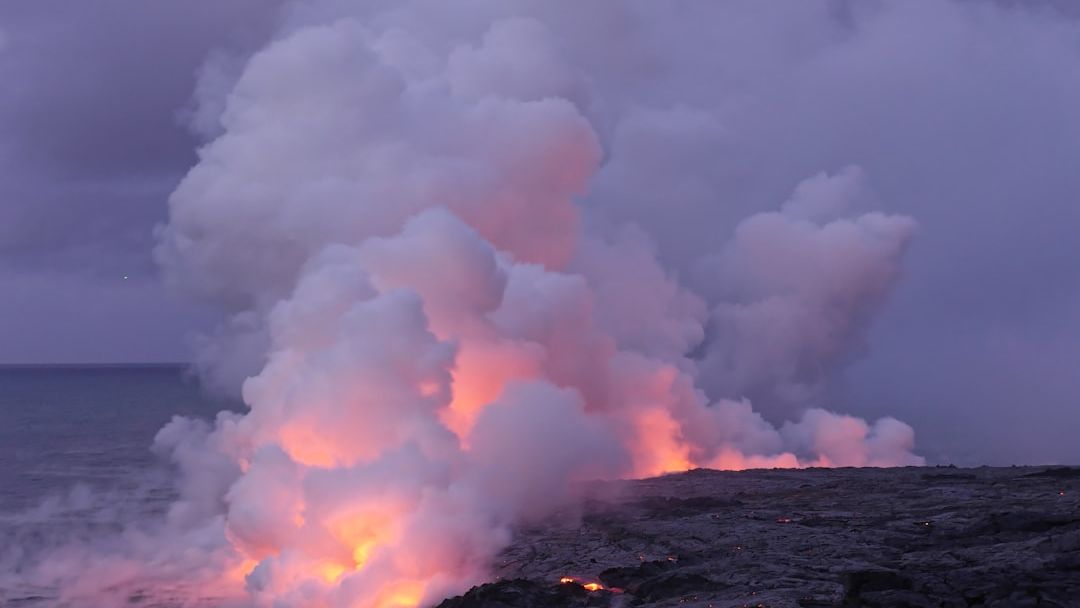

Living in Hilo, you get used to the idea that this island plays by its own rules. The sky darkens sometimes not from rain clouds, but from volcanic ash drifting overhead. The roads you drove yesterday can be buried in tephra or swallowed by floodwater by morning. It is spectacular and terrifying and deeply, deeply real in a way that no travel brochure will ever prepare you for.
Right now, in March 2026, the Big Island is caught between two forces simultaneously. Kilauea won’t stop erupting, and back-to-back Kona storms have just hammered the entire island chain. If you had a Hawaii trip planned for this month, I honestly feel for you. Let’s dive in.
Kilauea Is on a Run That Nobody Saw Coming
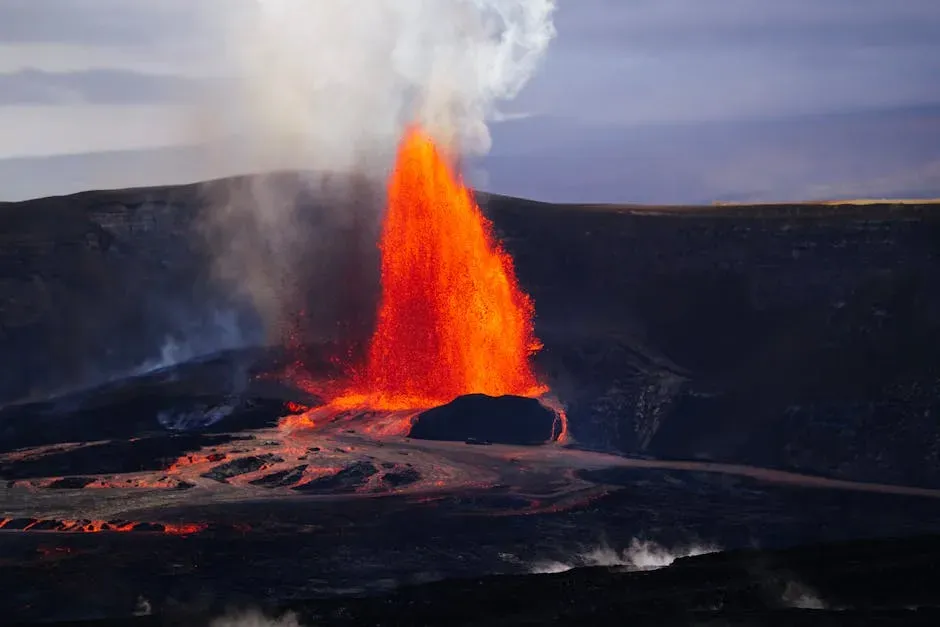
Kilauea has been erupting episodically since December 23, 2024, from two vents in Halema’uma’u. That means this volcano has been at it for well over a year now, lighting up the sky in short, dramatic bursts. During 2025, eruptions were happening roughly every one to two weeks. So far in 2026, the pattern has slowed to roughly once per month.
Kilauea has entered its second year of episodic activity after reawakening in December 2024, going through dozens of bouts of lava fountaining, each lasting several hours to several days. There is something almost mesmerizing about it, honestly. Still, “mesmerizing” is not the word you use when you are trying to catch a flight out of Hilo.
Episode 43: The One That Really Broke Things
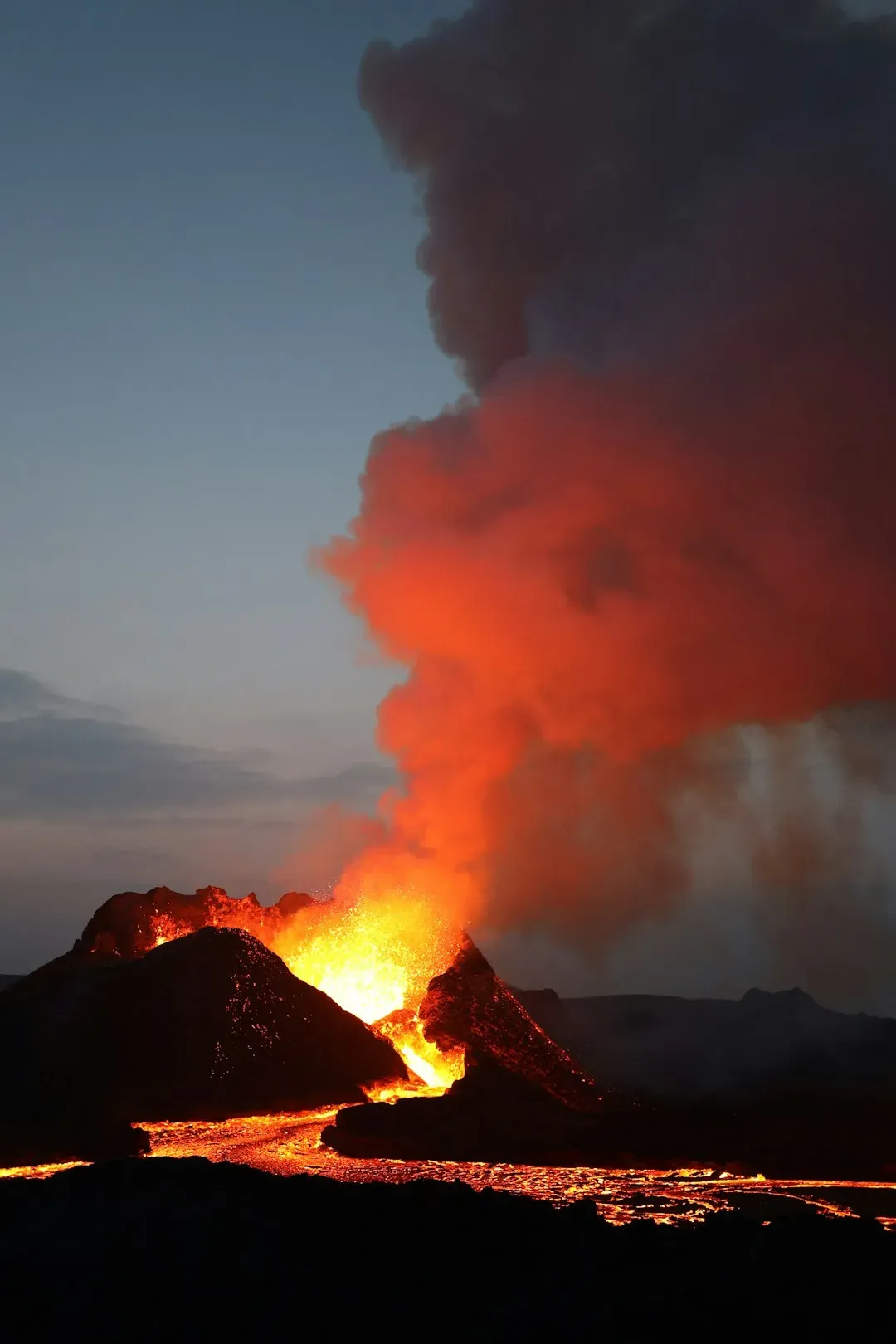
Activity ramped up on March 10, 2026, for Episode 43 of the eruption. From approximately 9 a.m. to 6 p.m. local time, lava spewed from two active vents, and the flareup featured the highest lava fountains of the current eruption, estimated at 1,770 feet. To put that in perspective, that is taller than the Empire State Building by a significant margin.
Ash and other airborne debris fell on communities up to 50 miles away. That is not a small radius. An estimated 16 million cubic yards of lava erupted during the episode, bringing the total volume erupted across all episodes since December 2024 to close to 325 million cubic yards. That is an almost incomprehensible amount of material.
Ash in the Sky Means Planes on the Ground
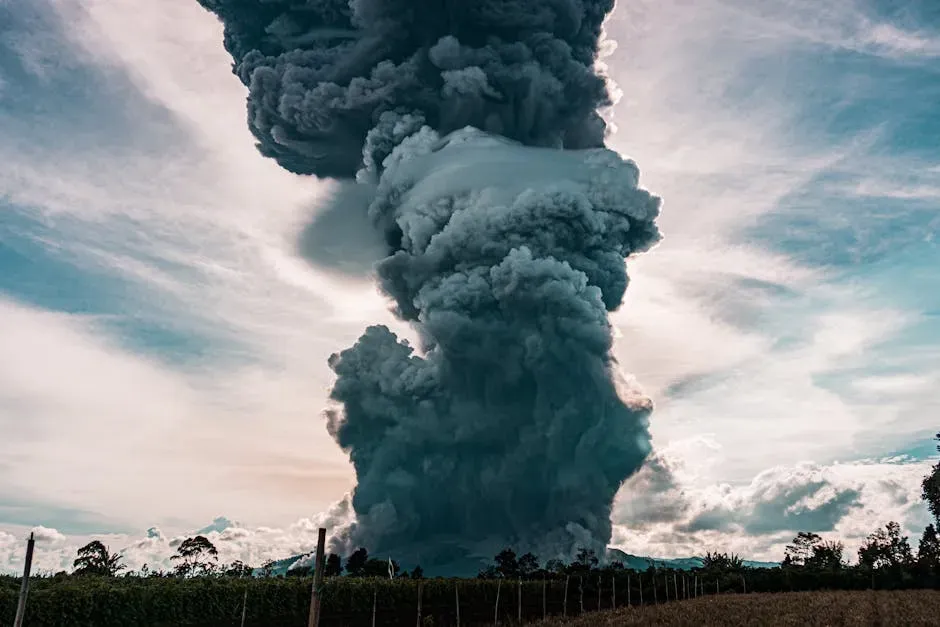
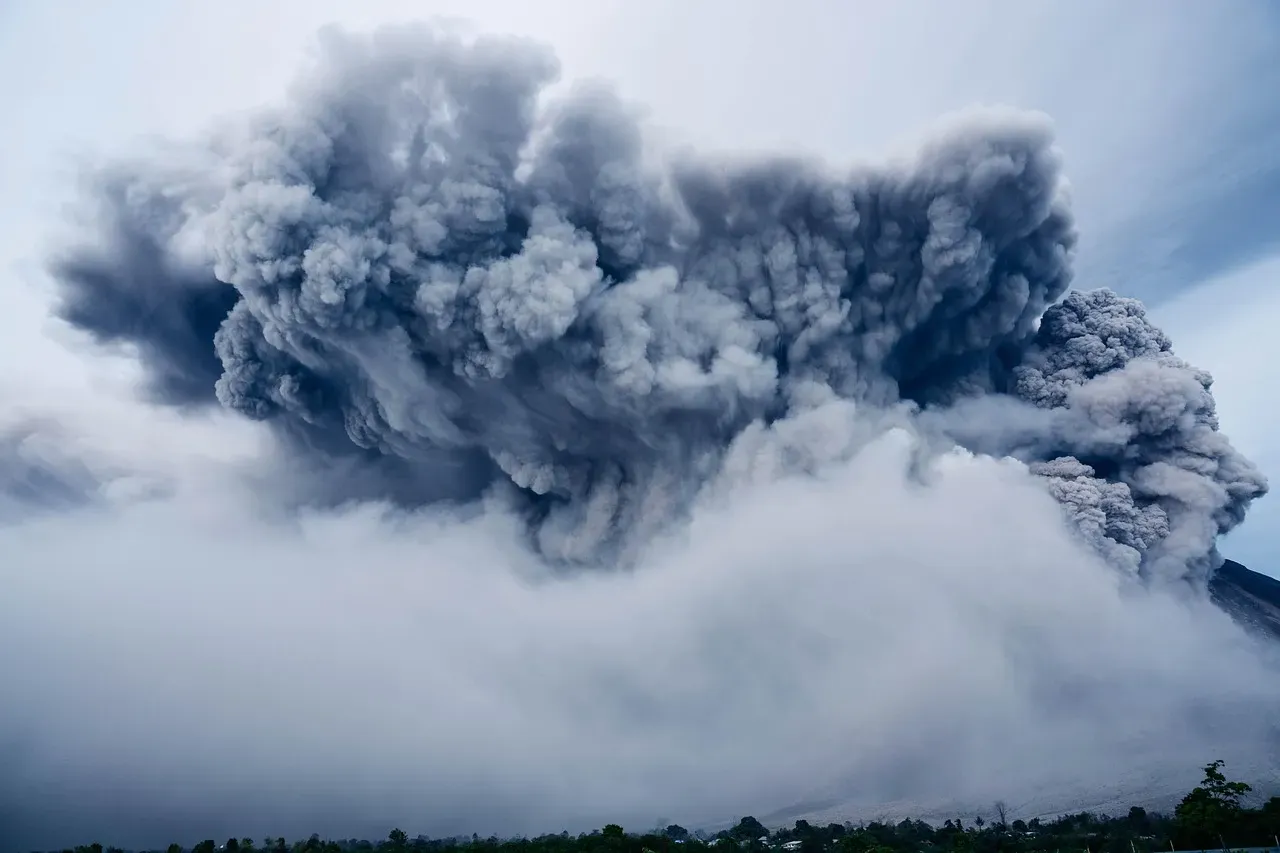
Volcanic gas and ash reached a maximum height of more than 30,000 feet above sea level. The aviation color code was elevated to red during the eruption, and several flights at the airport in Hilo were canceled. Red is the highest aviation alert level. When you see that code, planes simply do not go.
Hawaiian Airlines announced it had canceled five round-trip flights between Honolulu and Hilo, and diverted two flights to Kona due to volcanic ash from the ongoing eruption. Southwest also canceled Hilo flights, while the FAA and Hawaii DOT suspended Hilo operations. The obvious concern was the potential for wind-driven volcanic ash to cause serious damage to airliner engines. It is not dramatic caution. It is just physics.
The Roads Disappeared Too
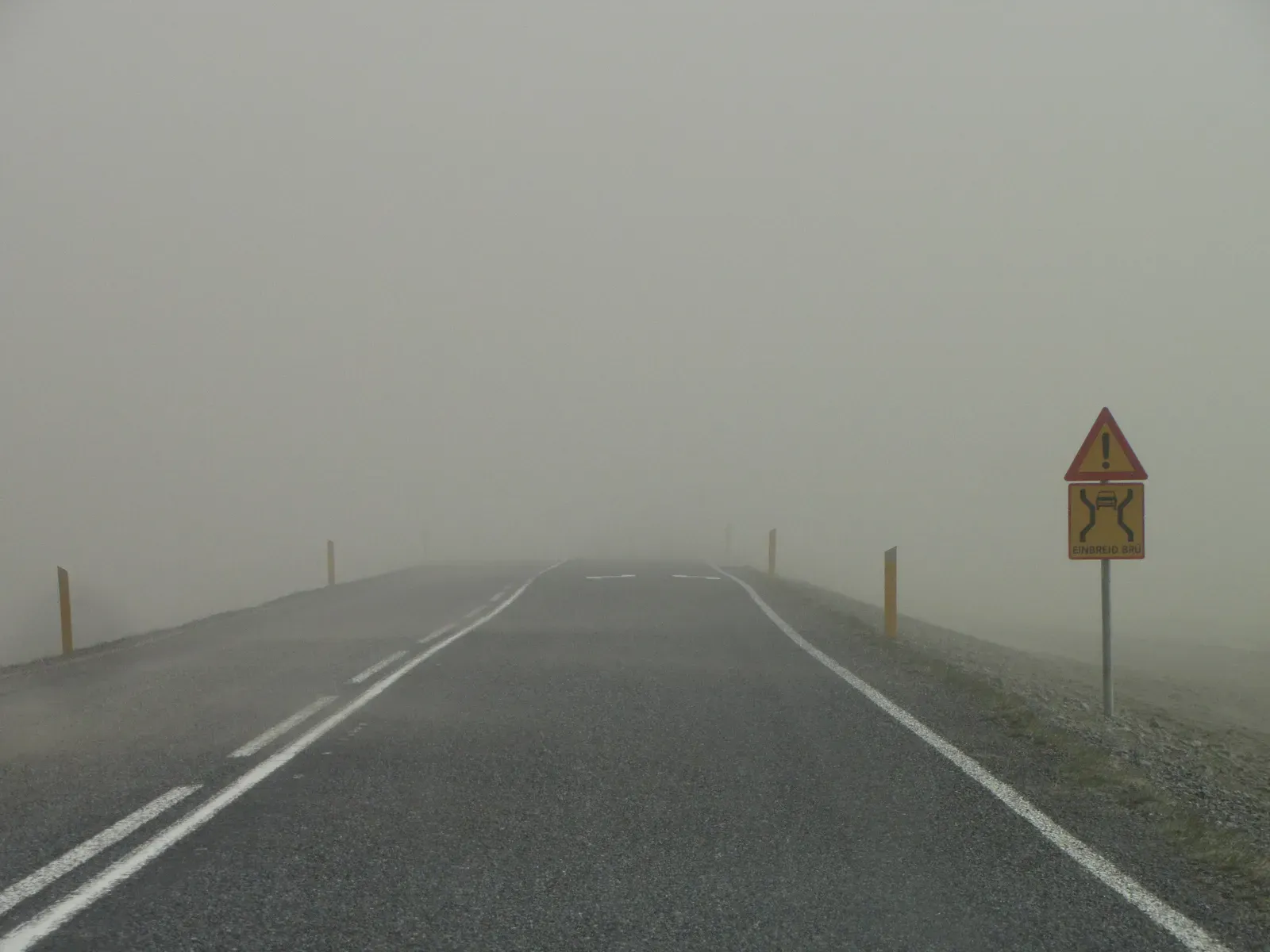
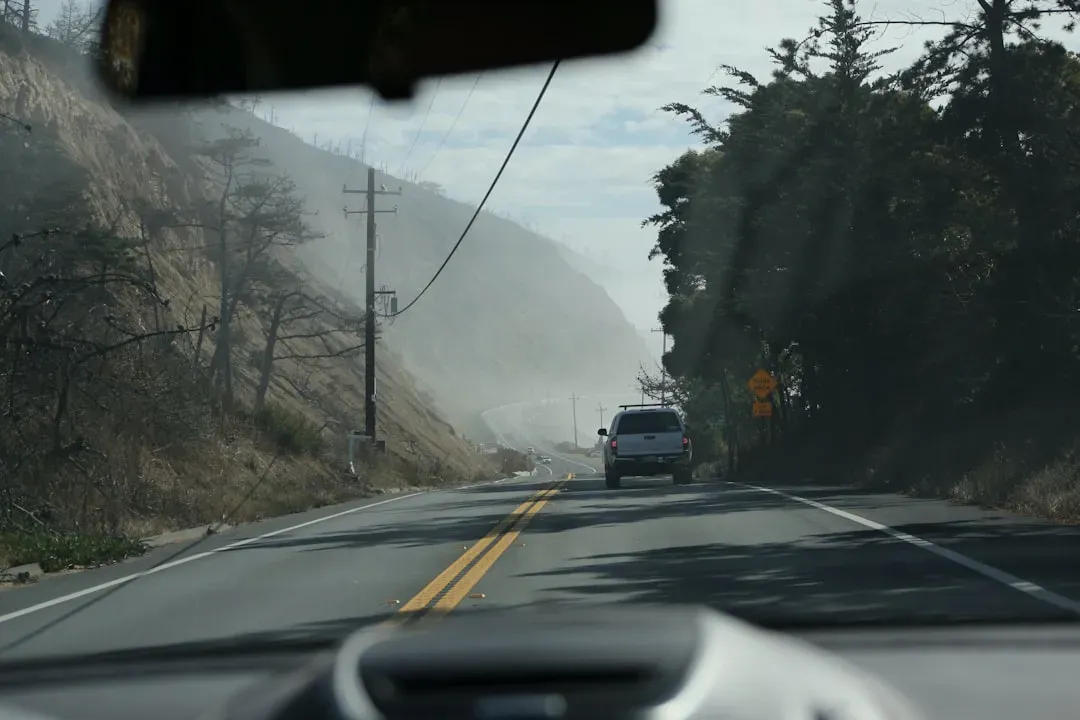
Highway 11 between mile markers 24 and 40 was closed due to dangerous conditions, including football-sized tephra pieces falling onto the roadway. Let that image land for a moment. Football-sized rocks raining onto a public highway. The National Weather Service issued an ashfall warning for Hawaii Volcanoes National Park and surrounding areas, with more than a quarter-inch of ashfall accumulation expected, causing possible disruptions of services and utilities.
Getting diverted to Kona instead of Hilo may not sound like a big deal to people who do not know the island, but that drive is no joke after a long travel day with luggage, kids, and dark roads. Here’s the thing: Kona is on the other side of the island. That’s a multi-hour drive on winding mountain roads. It sounds minor on a map. It is not minor in real life.
Then the Kona Storm Arrived and Made Everything Worse
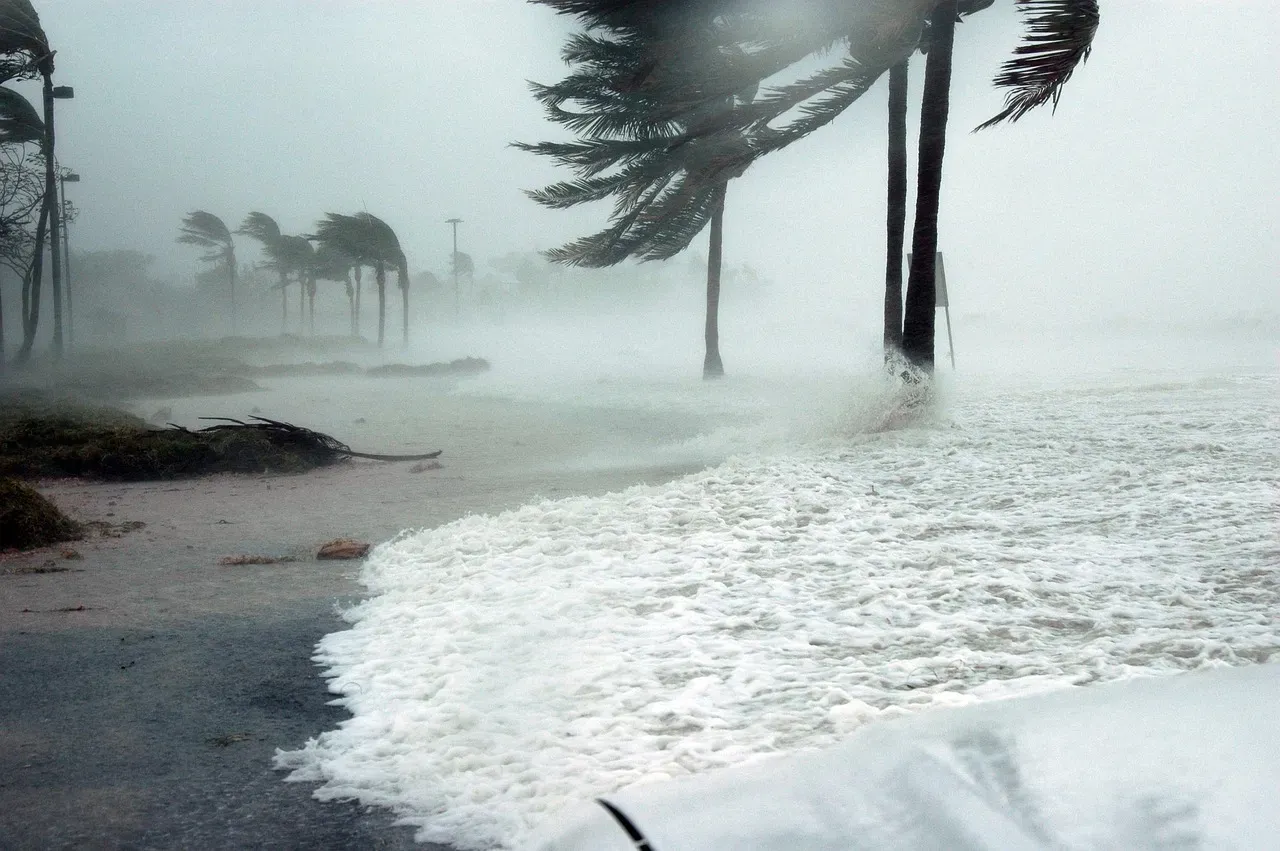
A Kona storm, or Kona low, is an area of low pressure that forms west to northwest of Hawaii during the cool season and often taps into subtropical moisture. On average, one to two Kona storms affect Hawaii each season. This March, Hawaii got hit twice in the same week. Twice. Back to back.
The major Kona storm brought flooding rain, damaging winds, power outages, road closures, flight disruptions, shelters, and emergency declarations across the state. The storm dumped a staggering 46 inches of rain on parts of Maui over a five-day period, while Honolulu broke a single-day rainfall record that had stood since 1951. Decades-old records, broken. That is not normal weather. That is something different.
Power Out, Roads Gone, Travelers Stranded
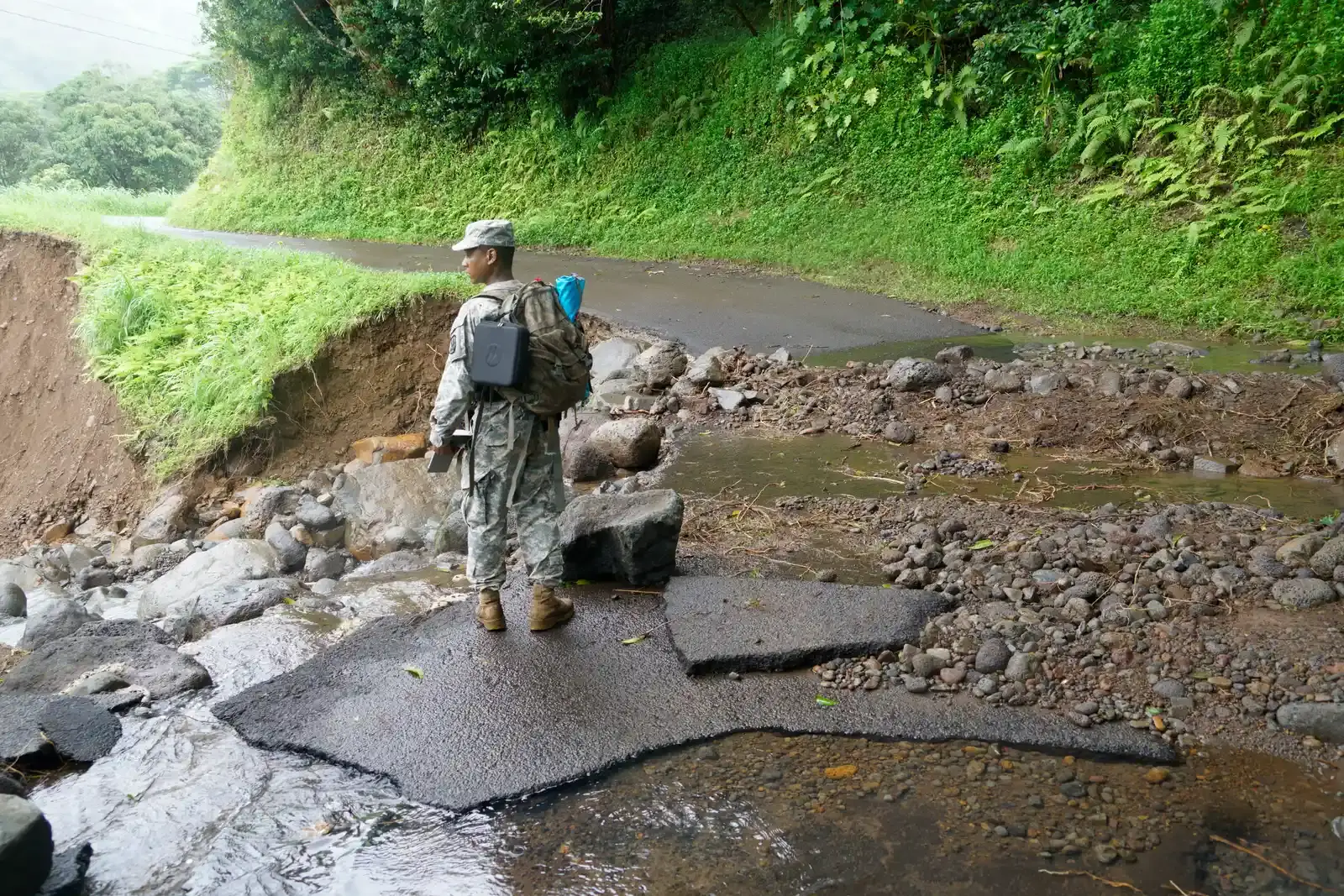
Heavy rain slammed Hawaii’s islands with cracked and flooded roads and power outages for more than 130,000 customers over the weekend. Imagine planning a honeymoon or a family vacation and arriving to a state of emergency. Governor Josh Green declared a State of Emergency as the storm caused widespread landslides with significant debris blocking major arteries, including parts of the Hana Highway on Maui and Highway 11 on the Big Island.
Hundreds of flights were delayed or canceled at Kahului and Daniel K. Inouye International Airports. Several mountain locations saw between 20 and 40 inches of rain across the island chain during what became Hawaii’s heaviest rainstorm in 20 years. Twenty years. This was not a routine inconvenience. This was a genuine crisis layered on top of another crisis.
Hawaii’s Tourism Machine Feels Every Tremor
Hawaii welcomed nearly 9.69 million visitors in 2024, and visitors spend around $17 billion to $20 billion annually in the state. That is an industry with almost no tolerance for prolonged disruption. Tourism typically accounts for roughly a quarter of Hawaii’s Gross Domestic Product, making it a crucial part of the state’s economy.
The disruption is something bigger than the volcano. Hawaii trips are now so expensive and so tightly planned that even a disruption that sounds minor can wreck the entire experience. Think about the reality of that. You saved for two years, booked a non-refundable package, flew across the Pacific, and the ash is falling, the roads are closed, and your rental car cannot move. The March Kona low storms have left damage across Hawaii that will take weeks or longer to fix, especially on Maui.
Living With the Uncertainty Is Part of Life Here
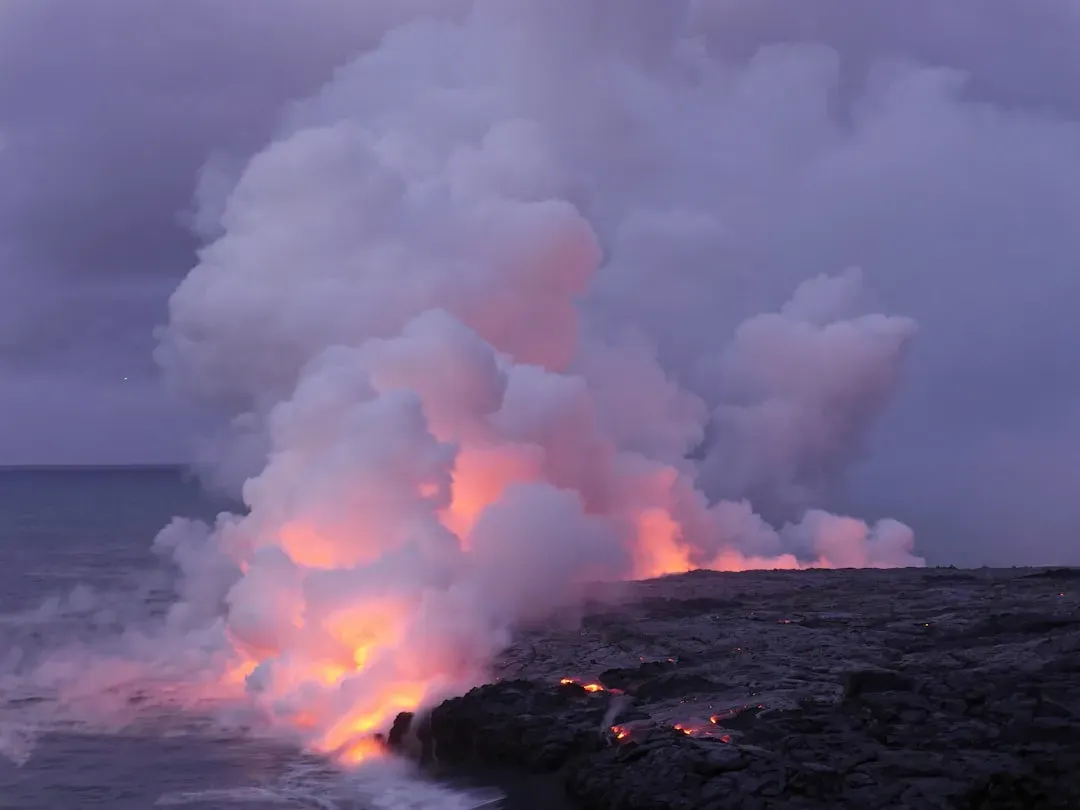
Since December 23, 2024, Kilauea has continued to erupt intermittently within Hawaii Volcanoes National Park. While eruptions pause between episodes, volcanic gas emissions remain elevated. Locals here are used to checking vog forecasts the same way people on the mainland check rain forecasts. It becomes routine. High levels of volcanic gas create vog conditions that can have far-reaching effects downwind of the summit. Additional eruption hazards include Pele’s hair and other volcanic fragments that may impact nearby communities.
While Hawaii vacations are still marketed like a finished consumable product, in reality that is only true until the islands decide otherwise. A Kona storm is not some weird fluke. It is a known cool-season weather pattern that can stall over the islands for days and drag in heavy rain, thunderstorms, flooding, and strong winds. I know it sounds harsh for someone who loves this place to say it so plainly. Still, visitors deserve honesty more than they deserve a sales pitch.
What This Means If You Are Planning to Come
The preliminary forecast window for the onset of Episode 44 lava fountaining is April 1 to April 10. That means another eruption episode is likely just around the corner. Power outages and storm effects continue to hamper monitoring networks, and another storm is expected over the weekend with issues anticipated to continue until conditions stabilize.
Governor Josh Green said the cost of the storm could top $1 billion, including damage to airports, schools, roads, homes, and a Maui hospital. Recovery at that scale takes months, sometimes longer. Crews must repair roads, bridges, power lines, and water systems while stabilizing hillsides and shorelines, with many communities facing weeks of disruption as homes, utilities, and infrastructure are rebuilt. This is not a destination right now that will deliver a predictable, smooth experience for travelers without flexibility.
Conclusion: Paradise Has a Wild Side Nobody Advertises
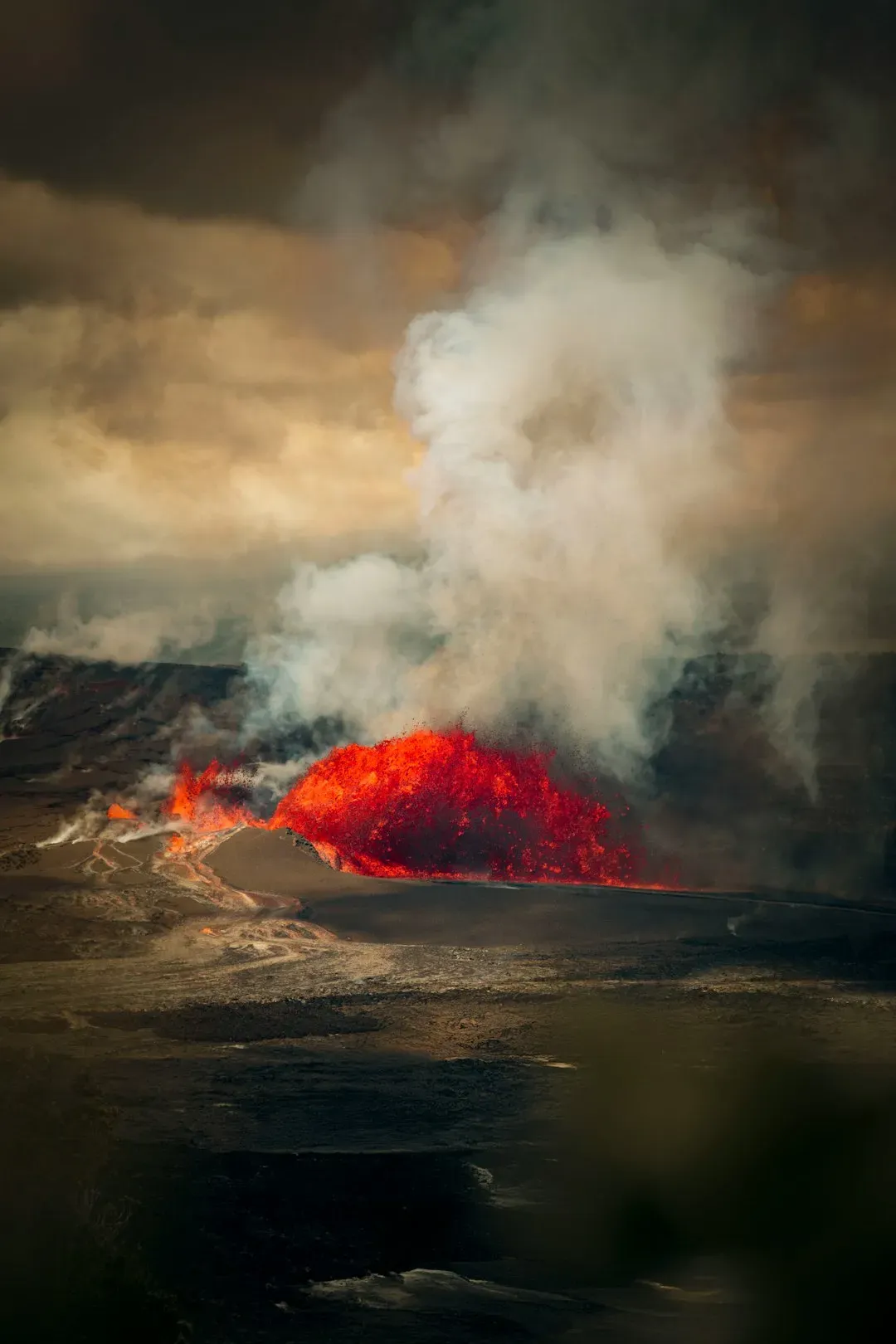
Hawaii is real. That is what makes it extraordinary and, right now, genuinely difficult. The lava fountains are the tallest ever recorded in this eruption cycle, ash is falling on communities dozens of miles away, and back-to-back Kona storms have left the state with a billion-dollar repair bill. This is not a reason to never come here. It is a reason to come here with wide-open eyes.
Hilo locals will tell you the same thing: the island is not a theme park. It is alive, in the most literal sense of the word. If you plan to visit, build flexibility into every day, buy travel insurance that actually covers natural disasters, and listen to the emergency alerts. The beauty here is real. So are the risks.
Would you still get on the plane knowing what is happening out here right now? Tell us in the comments.