
Buying a used car can feel like a gamble – and honestly, sometimes it is. You’re essentially inheriting someone else’s headaches, and the last thing you want is to drive off the lot with a good-looking vehicle that quietly destroys your savings over the next two years.
I’ve spent enough time under hoods and on creeper boards to know which brands tend to reward their owners and which ones punish them. So let’s skip the marketing fluff and talk about the names I’d personally walk away from at any used car lot in 2026. Let’s dive in.
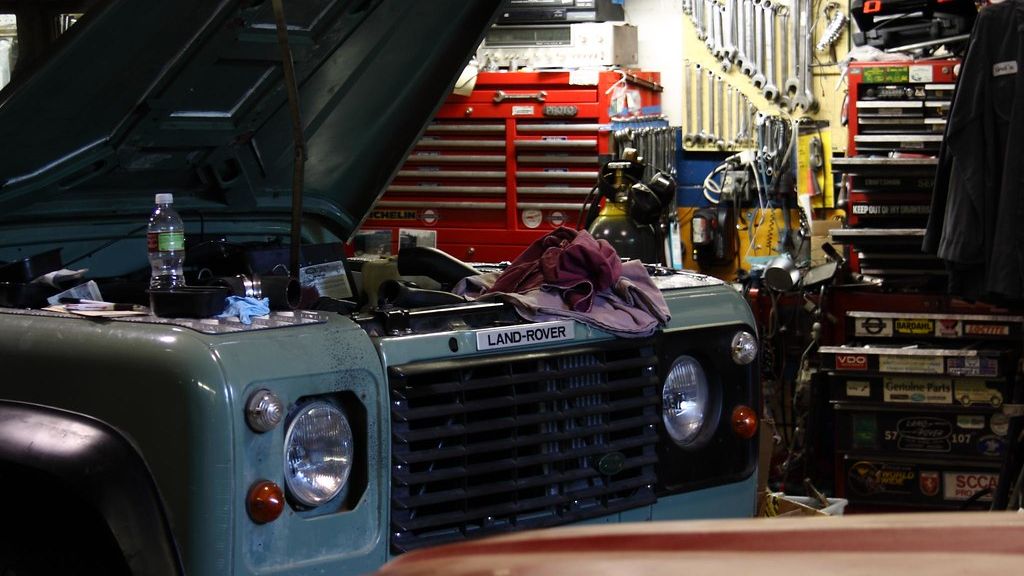
1. Land Rover: The Most Beautiful Money Pit You Can Drive
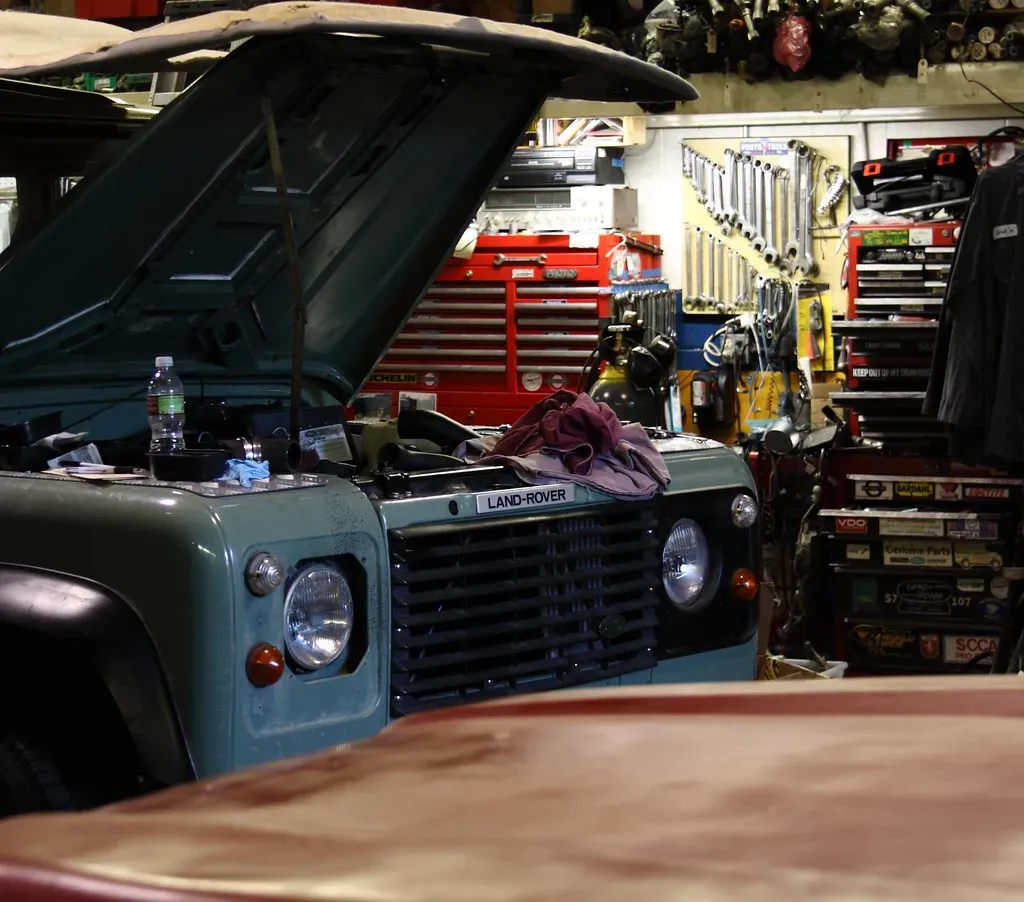
There’s something undeniably seductive about a Range Rover sitting on a dealership lot. But here’s the thing – beauty and reliability are very different qualities, and Land Rover consistently proves that point. The annual cost of Land Rover maintenance and repairs is nearly double the industry average, and Land Rovers also visit the repair shop almost twice as often as other vehicles.
Think about what that means in practical terms. It’s like buying a house that needs a plumber every other month. Even newer models like the 2023 Range Rover received only a 2 out of 5 predicted reliability rating from Consumer Reports, while upkeep costs sit at roughly $1,822 annually. That is not pocket change for a used vehicle.
The J.D. Power 2024 U.S. Vehicle Dependability Study placed Land Rover near the very bottom of all surveyed brands. When two of the most respected automotive research bodies in the country independently say the same thing about a brand, it’s time to listen. Honestly, unless you have a fully stocked emergency fund and a trusted specialist mechanic on speed dial, a used Land Rover is a risk I’d never take.
2. Jeep: The Off-Road Fantasy That Becomes an On-Road Nightmare
![2. Jeep: The Off-Road Fantasy That Becomes an On-Road Nightmare (Fire At Will [Photography], Flickr, CC BY-SA 2.0)](https://nvmwebsites-budwg5g9avh3epea.z03.azurefd.net/everydaystates/a2eeb9c88a28656cdbd44e07fc2b1681.webp)
Jeeps look incredible. The adventure lifestyle they sell is genuinely appealing. But the moment that warranty expires, things can get ugly fast. According to Consumer Reports’ most recent reliability rankings, Jeep is among the five lowest-scoring brands in the entire survey. That’s a pattern that has repeated itself year after year.
In the J.D. Power 2024 U.S. Vehicle Dependability Study, three Jeep models were named among the ten least reliable vehicles in the entire study. Three models. From one brand. That is not a coincidence – it’s a pattern. Problems with in-car electronics, electrical systems, and transmissions were among the most common defect areas reported across the least reliable vehicles listed.
I’ve personally seen Jeep Wranglers and Grand Cherokees come through the shop with recurring electrical gremlins that take hours to diagnose and even longer to fix. The parts aren’t cheap either. If someone is shopping for a capable used SUV and Jeep is on the list, I’d strongly encourage them to keep scrolling.
3. Volkswagen: European Charm, American Repair Bills
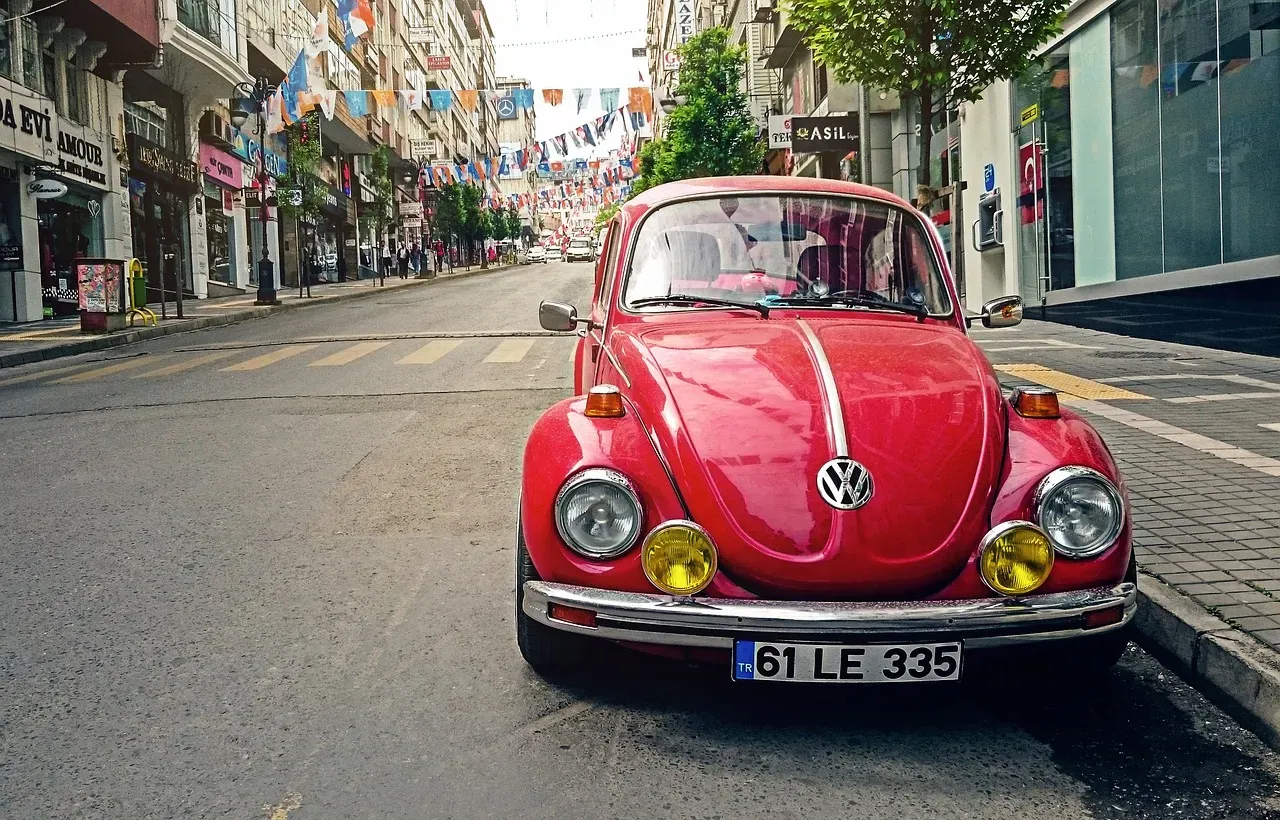
Volkswagen has always had this reputation for being the “sophisticated” choice among non-luxury European brands. And in some ways, a VW feels like a premium car at a normal price. The problem is what comes after. In the J.D. Power Vehicle Dependability Study, Volkswagen ranked at the very bottom of all brands, with an average of 285 problems across 100 vehicles. That’s a stunning number.
In 2024 alone, VW recalled more than 261,000 vehicles over fuel pump seals that could leak, followed by a separate recall query covering 420,000 vehicles for potential fuel leaks, and nearly 100,000 ID.4 EVs were recalled after electrical failures caused doors to pop open unexpectedly. That’s a lot of issues concentrated into a single model year.
In early 2025, the company also recalled 177,000 Atlas and Atlas Cross Sport vehicles over improperly installed engine covers that posed fire hazards. It’s hard to say for sure whether every VW will give you grief, because some models like the Jetta do perform better. But compared to the most dependable brands, Volkswagen cars remain a riskier bet. For a used purchase especially, that risk stacks up fast.
4. Rivian: The EV Dream That Hasn’t Aged Well Yet
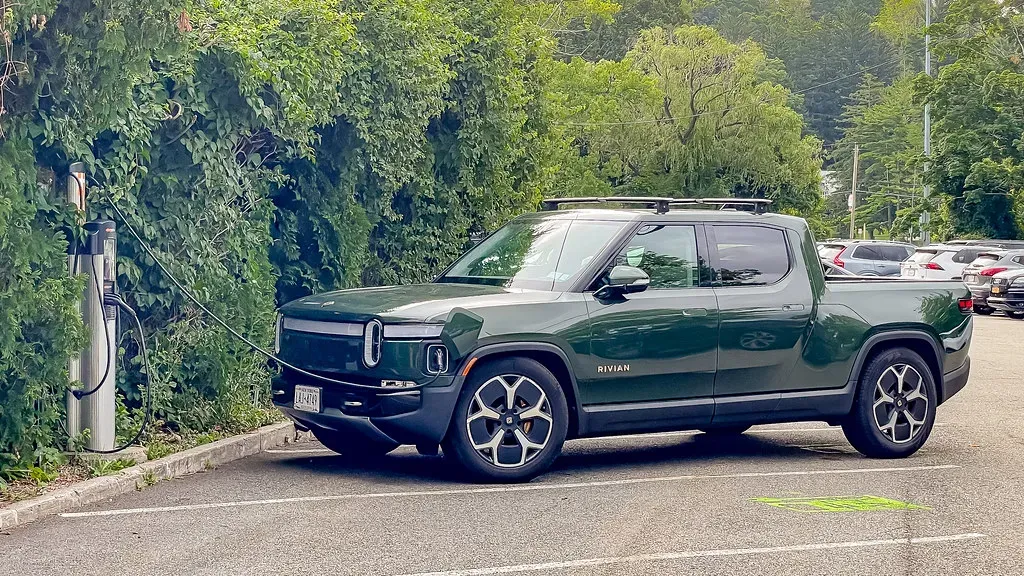
Look, I want Rivian to succeed. The R1T and R1S are genuinely exciting vehicles, and I get the appeal of being an early adopter of something this bold. Yet despite billions of dollars of backing and advanced production facilities, Rivian vehicles have earned a reputation in three short years for being among the most unreliable cars you can buy, with Consumer Reports ranking Rivian second from the bottom among the 32 companies it reviewed in 2024.
The Rivian R1S, evaluated across model years 2023 through 2025, demonstrates mixed reliability with an average score of 58 out of 100, with owners reporting recurring issues with the airbag system, electrical components, and exterior lighting, contributing to a low reliability rating of 2 out of 5 and higher-than-average repair costs.
The 2025 Rivian R1S alone has been recalled nine times by NHTSA. Buying a used Rivian right now means inheriting a young company’s growing pains with no factory warranty cushion. And given that battery replacement for aging EVs can run well into the tens of thousands of dollars, the financial exposure here is significant. It’s not a bad vehicle. It’s just a bad used vehicle – at least for now.
5. Chrysler: A Legacy Brand With a Reliability Problem It Can’t Shake

Chrysler has been a staple of American roads for generations. There’s nostalgia attached to the name, and in the minivan segment especially, they’ve had genuine success. But when it comes to reliability data, the story is consistently concerning. The Chrysler Pacifica Hybrid was rated the least reliable vehicle in its class by Consumer Reports, scoring only 14 out of 100, with problems in in-car electronics, the electrical system, and the transmission cited as the most common defect areas.
According to Consumer Reports’ most recent reliability survey, Chrysler is among the five lowest-scoring brands across all domestic automakers. That is a consistently low position to hold, and it reflects deep structural issues rather than a single bad model year. The J.D. Power 2024 Vehicle Dependability Study also showed that the industry average had increased to 190 problems per 100 vehicles, with nearly two thirds of brands experiencing rising problem rates year over year.
Chrysler sits well below that already-troubled average. A used Chrysler can look like a bargain on paper, but once the repairs start stacking up, that “deal” evaporates fast. It’s a brand that demands extra caution – and in my experience, extra caution usually means walking away entirely.
What You Should Do Instead
The used car market in 2026 is still challenging. Industry analysts have noted that car owners are keeping their vehicles longer than ever, making long-term reliability more critical than it has been in previous decades. That means competition for dependable used vehicles is fierce, but they’re absolutely out there.
Brands like Toyota, Lexus, Honda, and Subaru have consistently earned top reliability marks across multiple studies. In the J.D. Power 2024 U.S. Vehicle Dependability Study, Lexus retained the top overall spot in the industry with a score of 135 PP100, while Toyota moved up to second overall with a score of 147 PP100. Those are the kinds of numbers that translate directly into fewer shop visits and more money staying in your pocket.
Before purchasing any used vehicle, always check the full recall history through NHTSA’s database, request a vehicle history report, and have an independent mechanic inspect it. The five brands listed here aren’t impossible to own – but going in with eyes wide open is the least you can do. Your wallet will thank you. What brand would you never buy used? Tell us in the comments.