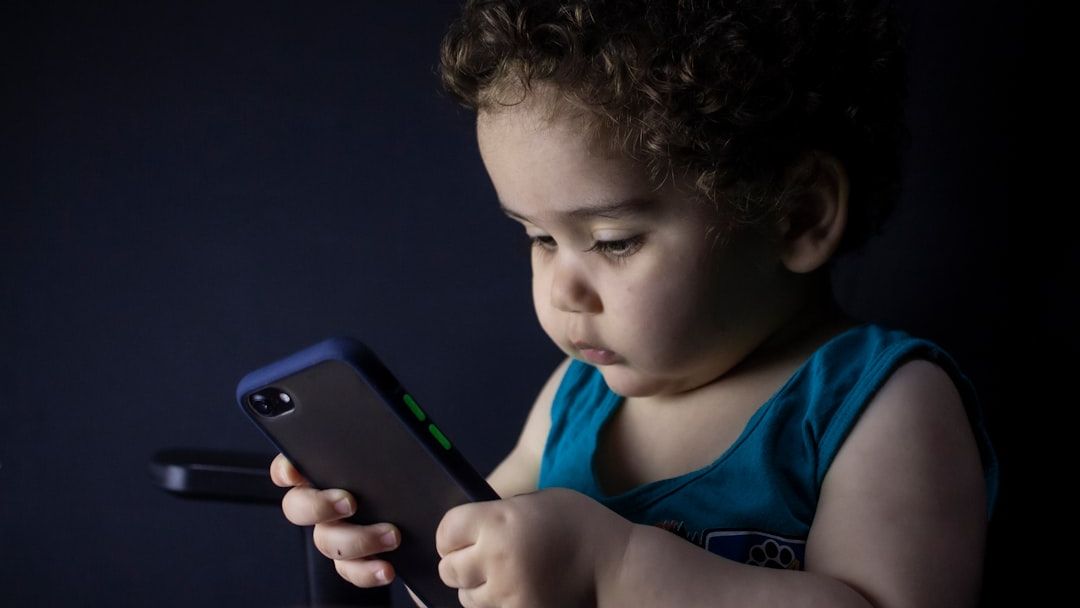

Every shift in the pediatric ER brings surprises. Lately, though, I’ve noticed a pattern with kids showing up for injuries straight out of TikTok videos. These aren’t just scrapes; we’re talking burns that need surgery and recovery times stretching months.
What worries me most is how fast these trends spread among tweens and teens. A quick scroll turns into real harm, and parents often have no clue until it’s too late. Let’s look at three that keep filling our beds.[1][2]
The Microwave Stress Toy Challenge

Kids see videos showing how to zap gel-filled stress toys like NeeDoh in the microwave to make them squishier. The toys explode from the heat, spraying scorching gel that sticks to skin and causes deep second-degree burns. I’ve treated young patients with facial burns after just seconds in the microwave; temperatures hit over 200 degrees Fahrenheit.[3]
Burn centers across the country, including Shriners Children’s in multiple states, reported cases in early 2026 alone. One teen got hit so bad she needed intensive care. Parents, these toys aren’t food; microwaving them turns playtime into an ER nightmare.[3]
The Jam Jar Jet Engine

This one involves pouring alcohol into a glass jar, lighting it, and creating a makeshift flame-thrower for propulsion. Teens in Tampa Bay have landed in the hospital with life-threatening burns from the backfire. Dr. Alexandra Farish at a local children’s hospital noted multiple versions over years, each sending kids our way with scars that last a lifetime.[4]
Emergency rooms see these as preventable disasters. The flames spread fast, igniting clothes and skin before anyone reacts. We’ve had to stabilize breathing and fight infections from these homemade experiments gone wrong.[4]
The DIY Tanghulu Candied Fruit Trend

Videos push heating sugar and water in plastic containers in the microwave to coat fruit, but it superheats and erupts with boiling syrup. Children end up with severe scald burns requiring skin grafts. Hospitals have seen a spike, with case reports detailing kids as young as preteens in agony from the sticky, 200-plus degree liquid.[5]
Studies link these challenges to doubled ER visits for burns among youth. Plastic melts, sugar hardens on wounds, making treatment tougher. It’s a simple recipe turned hazard, pulling families into weeks of wound care.[1]
Why These Trends Hit Kids Hardest

Tweens and early teens chase likes without grasping risks; their brains prioritize thrills over danger. Algorithms feed more extreme content, creating echo chambers of recklessness. ER data shows injuries cluster after virality, with costs hitting tens of thousands per case.[1]
We’ve lost kids to similar past trends, and these echo that pattern. Hospitals brace for waves, but prevention starts at home. Talk openly about what you see online.[5]
Tips for Parents to Stay Ahead
Monitor devices during peak trend times, like after school. Discuss consequences using real ER stories, not just lectures. Set app limits and follow kid-safe creators together.
Report dangerous videos directly on TikTok. Encourage offline fun that builds skills, not stunts. Your involvement cuts the risk sharply.
The Bigger Picture in 2026
Social media evolves, but kid safety shouldn’t. Platforms remove some content, yet gaps remain. Doctors push for better algorithms and education.
One conversation can steer a child clear. Stay vigilant; their futures depend on it.
Final Takeaway

These trends promise fun but deliver pain. As a pediatrician, I see the aftermath daily. Guide your kids toward safer scrolls.[2]