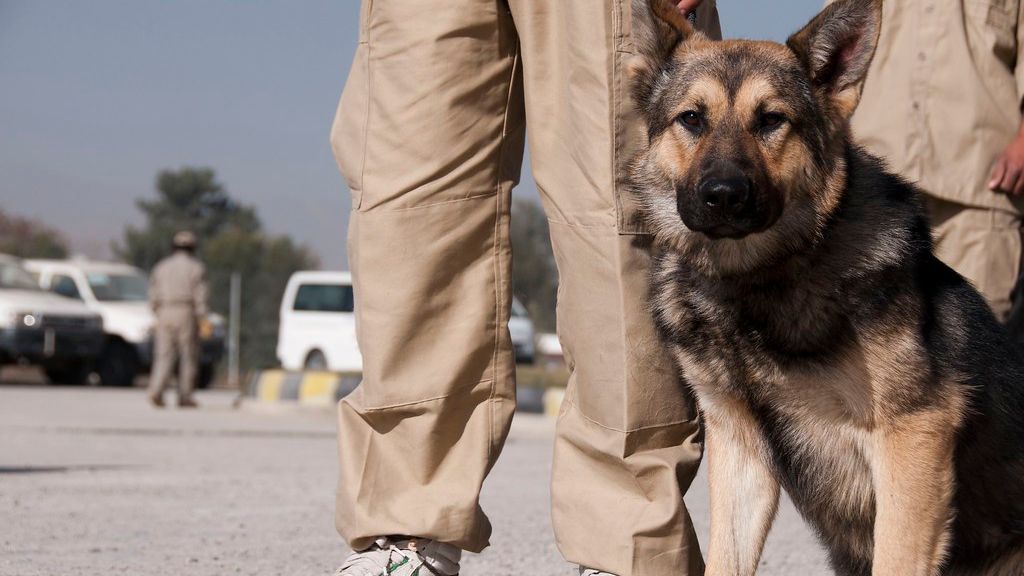

Picture this: crowds rushing through the airport checkpoint, and there I am with my four-legged partner, nose twitching in the air. Folks often shoot us curious glances, assuming we’re hunting for drugs hidden in suitcases. Truth is, that’s a common mix-up, but our mission runs deeper, focused on threats that could change everything in seconds. Stick around as I pull back the curtain on what my dog really sniffs out every shift.[1][2]
Explosives Vapors in the Air
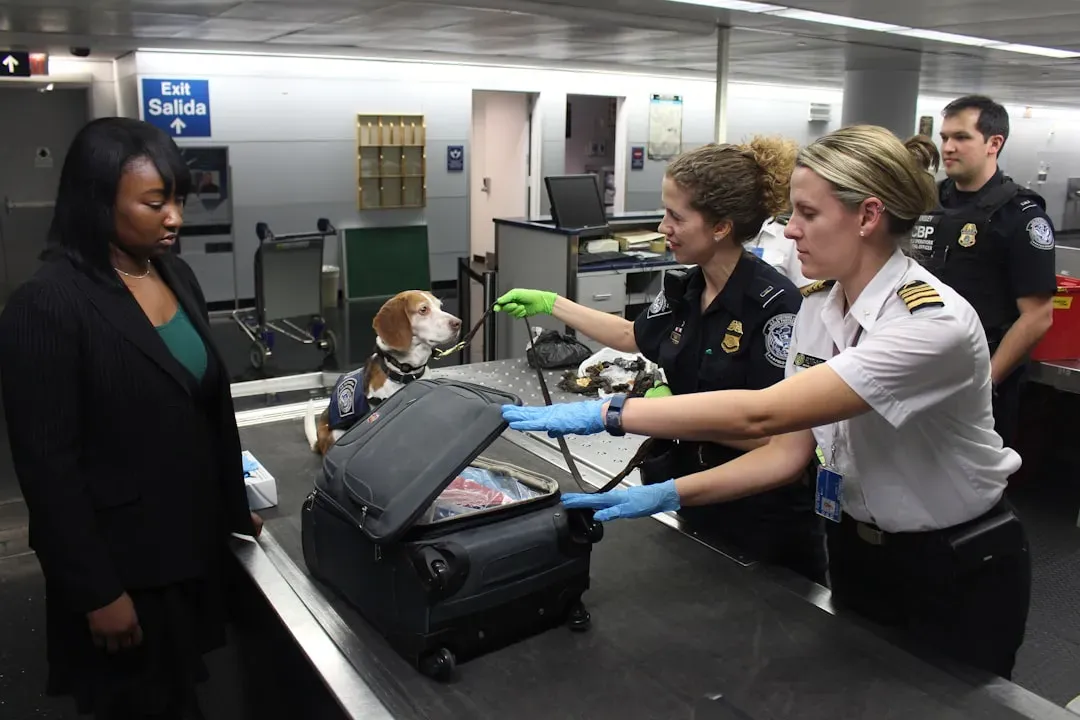
My dog doesn’t dig through bags like you might think; instead, she catches faint explosive vapors drifting in air currents around passengers and their stuff. These trace scents are all it takes for her to alert, even from tiny amounts someone might carry. It’s incredibly precise work, honed over intense training sessions.[2][3] We cover crowds quickly this way, keeping lines moving while scanning effectively.
Single-Purpose Training Only
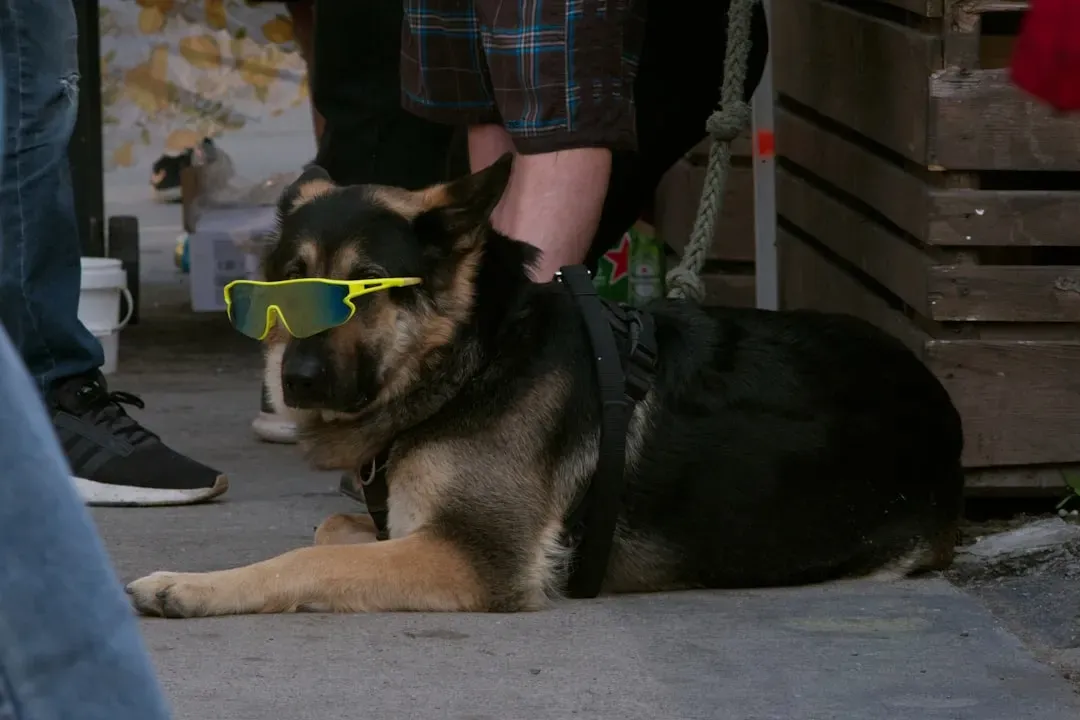
TSA canines like mine are trained for one thing alone: explosives detection, nothing else enters the picture. No drugs, no other contraband; that’s for other agencies. This focus makes us super reliable in our niche.[1][4] I’ve seen the confusion firsthand, but it keeps our edge sharp.
Passenger Screening Canines Explained
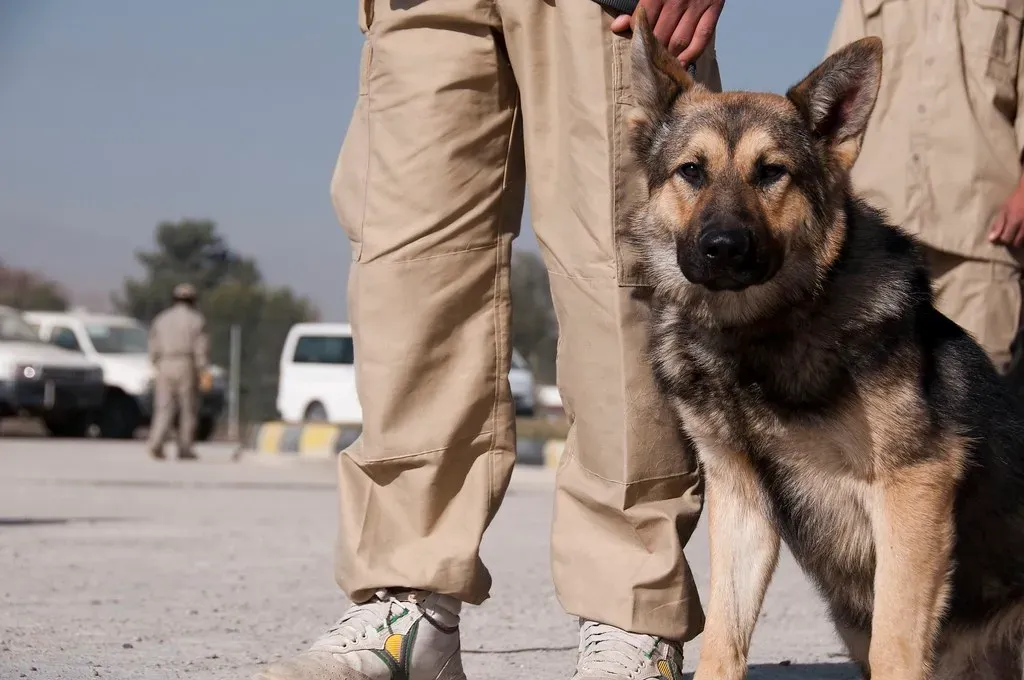
Many of us handle Passenger Screening Canines, or PSCs, built to weave through moving crowds and pinpoint explosive odors on people. They ignore distractions in busy terminals, zeroing in on that critical scent. It’s mobile detection at its best.[5] My partner thrives in this chaos, alerting only when it counts.
Conventional Explosives Detection Dogs
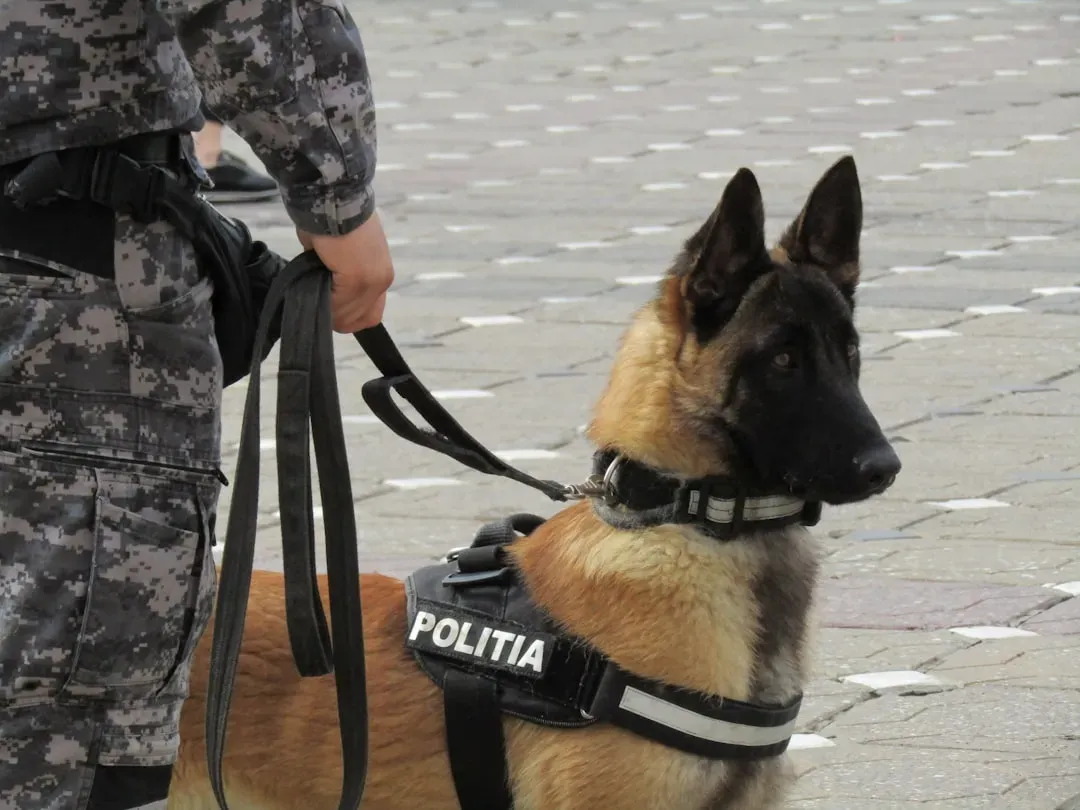
Others work as conventional teams, sweeping objects like luggage or vehicles for hidden explosives. These dogs get a solid 10-week course to master it. They complement PSCs perfectly in layered security.[6] We’ve got both types deployed nationwide.
Training at the Canine Center
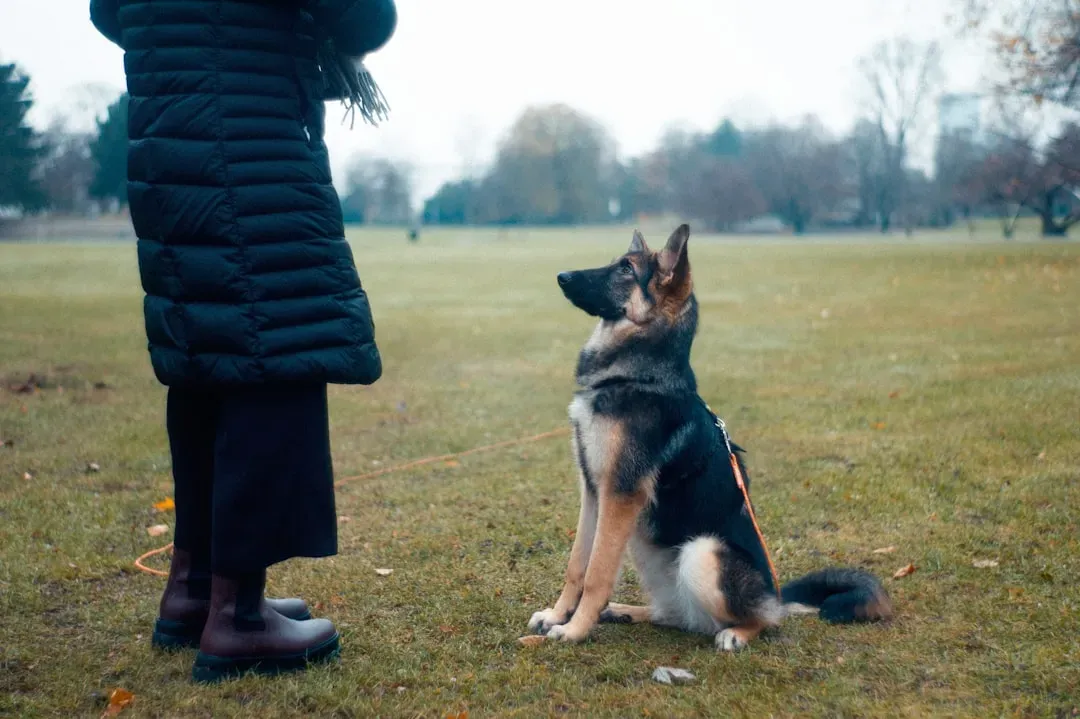
All starts at TSA’s Canine Training Center, where pups learn from real intelligence on threats. They drill on a range of explosives, traditional and new ones popping up. By graduation, teams pass tough certifications.[7] It’s grueling, but that’s why we’re top-tier.
The Explosives Odor List
Our curriculum pulls from an updated Explosives Odor List, tied to current intel on potential dangers. Dogs train on vapors from those specific compounds. This keeps us ahead of evolving risks.[8] Handlers like me stay in the loop too.
Breeds That Make the Cut
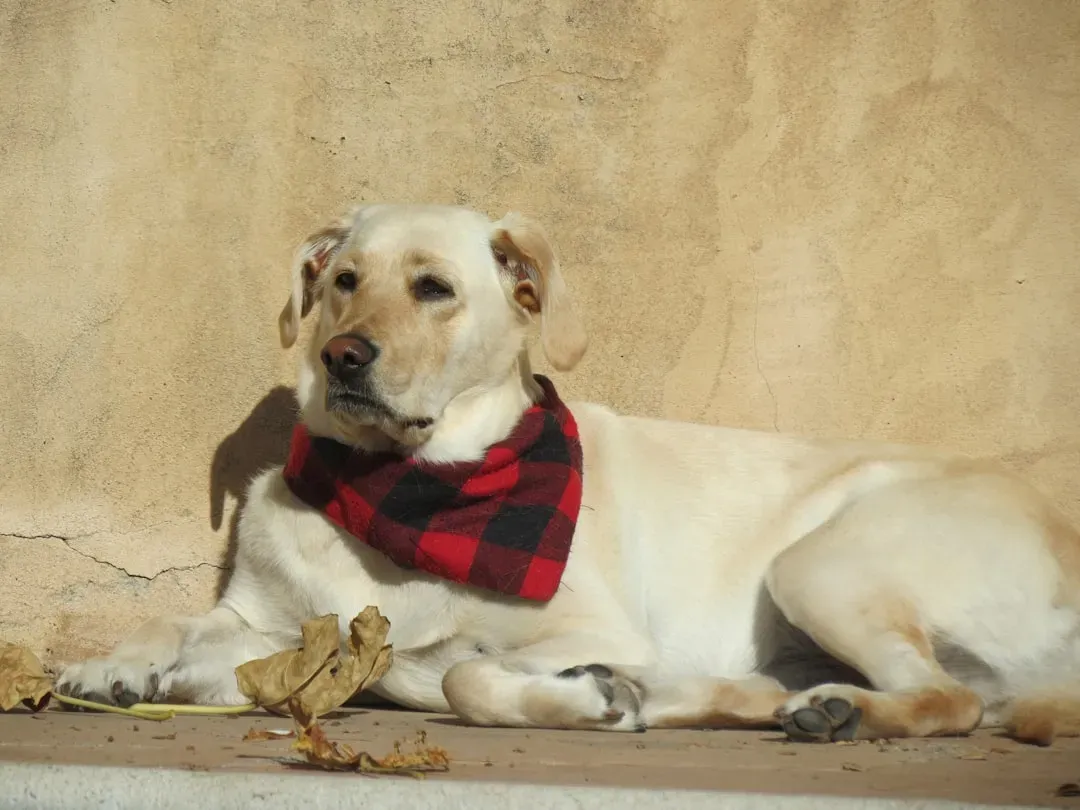
We use breeds like Labrador Retrievers, Belgian Malinois, and pointers for their scent drive and stamina. Labs shine in calendars, like the 2026 one featuring over a dozen stars.[9][10] My dog’s a Lab mix, perfect for the job.
Nationwide Deployment Scale
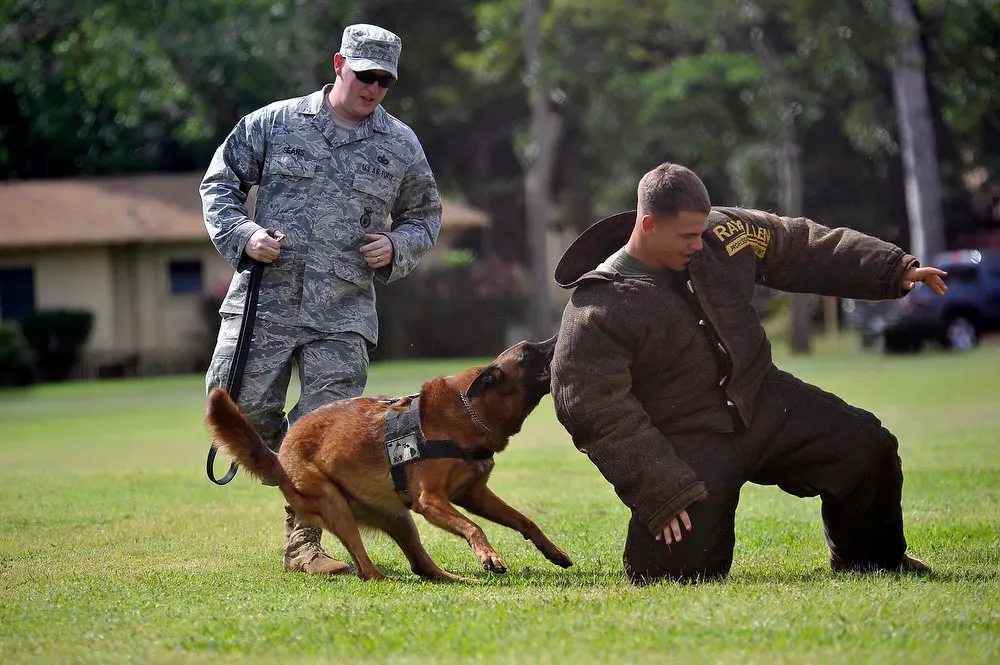
TSA runs more than 1,000 such teams across U.S. airports, with about 300 new dogs trained yearly. They’re mobile, responding to threats anywhere needed. This network deters trouble before it starts.[10]
Handler and Dog Teamwork
This tag does not indicate the copyright status of the attached work. A normal copyright tag is still required. See Commons:Licensing.
العربية ∙ বাংলা ∙
Bahaso Jambi ∙
Deutsch ∙ Deutsch (Sie-Form) ∙ English ∙ español ∙ euskara ∙ فارسی ∙ français ∙ italiano ∙ 日本語 ∙ 한국어 ∙ македонски ∙ മലയാളം ∙ Plattdüütsch ∙ Nederlands ∙ polski ∙ پښتو ∙ português ∙ русский ∙ slovenščina ∙ svenska ∙ Türkçe ∙ українська ∙ 简体中文 ∙ 繁體中文 ∙ +/−, Public domain)
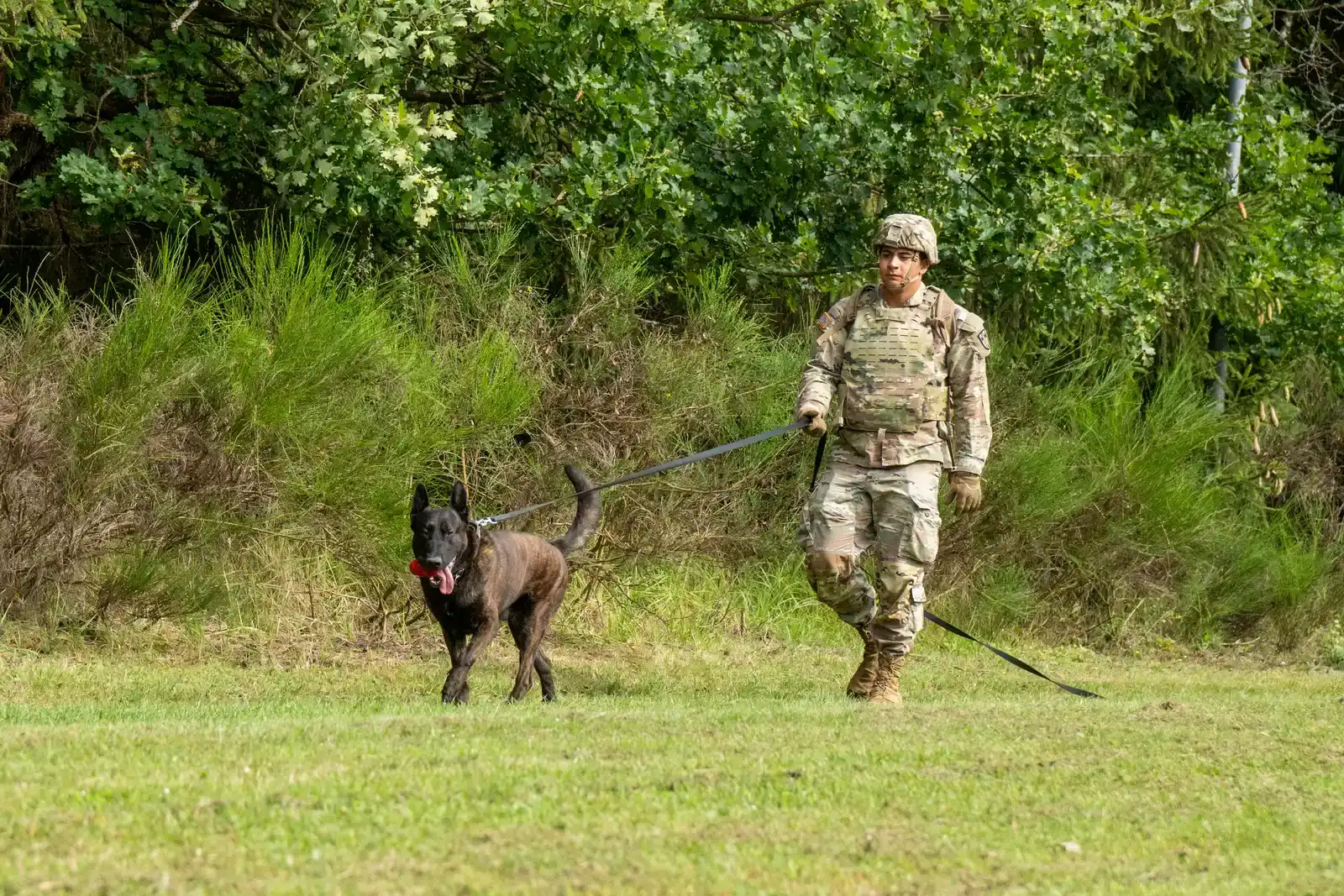
Success hinges on reading my dog’s subtle behavior changes during a sniff. We train together constantly to sync perfectly. It’s a bond built on trust and reps.[3] Days can be long, but that connection saves lives.
Real-World Impact Today
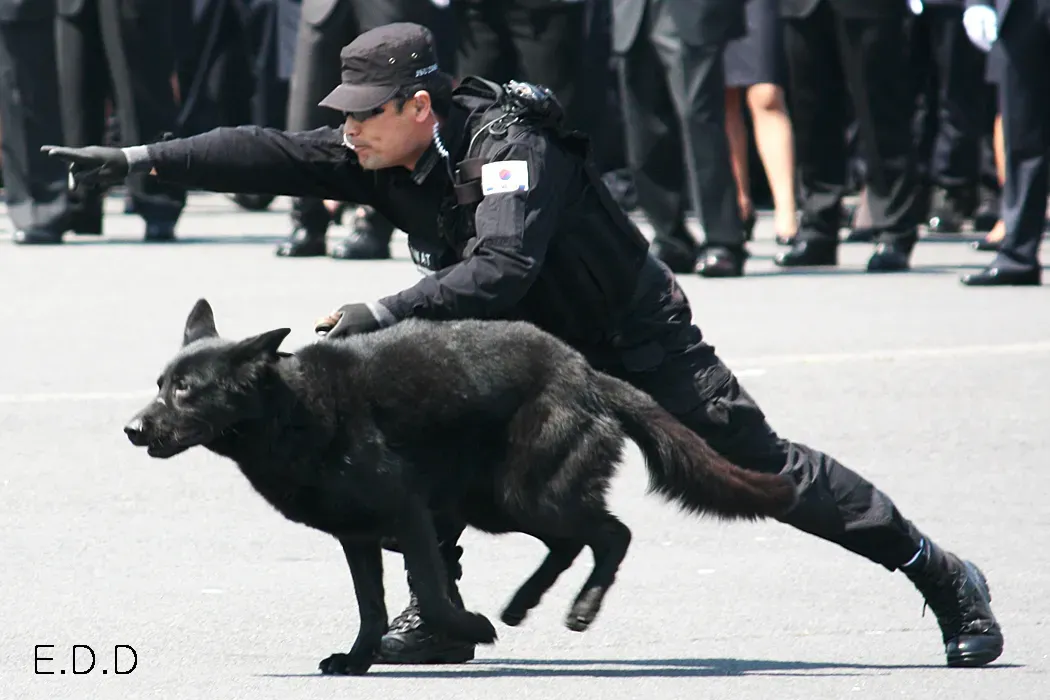
In 2026, we’re still the go-to for explosive threats, featured in fresh calendars highlighting our work. Teams screen millions safely each year. No drugs in our world, just pure threat detection keeping flights secure.[11][12]