Workers Endure Daily Humiliations (Image Credits: Unsplash)
New Delhi, India – Domestic workers across the country pressed their case for fair pay and basic rights, only to encounter a setback from the Supreme Court last month.
Workers Endure Daily Humiliations
Meenakshi, a 37-year-old domestic helper in Chennai, arrived at work 30 minutes late one January morning after preparing meals for her family and assisting her daughter with her attire. Her employer greeted her with insults, calling her “fatty” and questioning her delay. She held back tears despite 18 years in the profession, including eight with that family on a monthly salary of just 3,000 rupees, about $33.[1]
When she requested a modest 1,000-rupee annual bonus around Diwali last year, the IT-professional couple fired her. They rehired her a week later after failing to find a replacement at the same rate. Such experiences highlight the vulnerability workers face without legal safeguards. Meenakshi described the job as enduring “thousands of pinpricks in my heart.”[1]
Vijay, 58 and working in Chennai homes since 2007, supported her three sons’ education through long shifts starting at 6 a.m. and lasting 10 to 12 hours across multiple households. Employers often ignored her meals, leaving her to eat at 4 p.m. after returning home exhausted. Caste discrimination compounded the indignities; one employer forced her to use the back door.[1]
Court Rejects Unions’ Urgent Plea
On January 29, Pen Thozhilalar Sangam (PTS), a union for women domestic workers founded in 2001, joined nine other labor groups in filing a Public Interest Litigation before the Supreme Court. They sought recognition of domestic work as formal labor, a national minimum wage, inclusion in recent labor codes, social security, safe conditions, and mechanisms to address harassment and discrimination. Sujata Mody, PTS president, noted that new codes from November 2025 repealed protections built over 70 years under laws like the 1948 Minimum Wages Act.[1]
A bench led by Chief Justice Surya Kant and Justice Joymalya Bagchi dismissed the petition outright. The justices worried that enforced minimum wages would ensnare households in union-led lawsuits and prompt employers to forgo hiring help altogether. Prabha Kotiswaran, a law professor at King’s College London who aided the filing, argued that domestic tasks underpin countless homes yet evade labor protections as “private arrangements.”[1]
Labor Reforms Overlook Essential Workforce
India consolidated 29 labor laws into four codes last year to match global standards with improved wages, insurance, and safety. Domestic workers, mostly women, fell through the cracks. The nation lacks a uniform minimum wage; it differs by sector and state.
| State | Unskilled Minimum Wage (Monthly, USD approx.) |
|---|---|
| Karnataka | $213 |
| Arunachal Pradesh | $66 |
Workers demand clear time tracking, paid days off, annual leave, and remedies for abuses like caste bias and sexual advances. Meenakshi avoided single-male households after facing lewd comments and intimidation, yet anxiety persists in new jobs.[1]
Protests Signal Unyielding Campaign
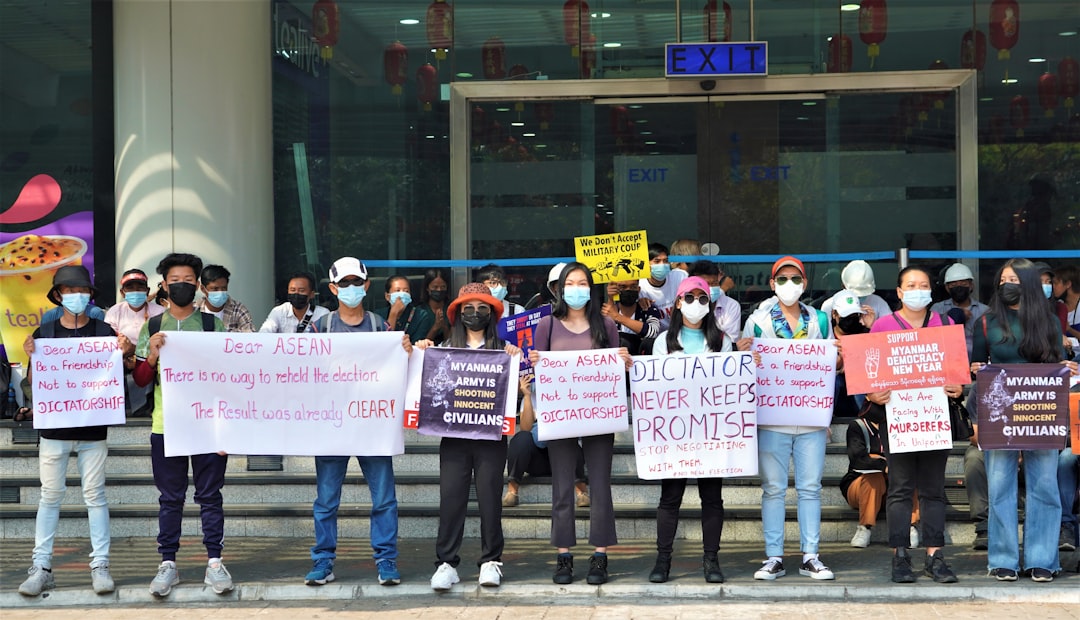
February protests erupted in New Delhi and Chennai, where Vijay joined crowds on February 4 urging the court to reconsider. Participants voiced frustration: “Don’t we matter at all?” one asked, decrying reliance on employer goodwill. Meenakshi posted rights posters near her employers’ area despite risks.[1]
Mody affirmed the unions’ resolve: “We won’t give up on our fight.” Their effort drew from 18 months of collaboration among workers, leaders, and lawyers, rooted in real hardships.
Key Takeaways
- Supreme Court dismissal highlights tensions between worker protections and household burdens.
- New labor codes exclude domestic staff, reversing decades of advocacy gains.
- Protests persist as unions push for wages, respect, and safety nets.
The rejection underscores a persistent divide in valuing informal labor, but sustained activism offers hope for change. What steps should India take next for its domestic workforce? Share your thoughts in the comments.