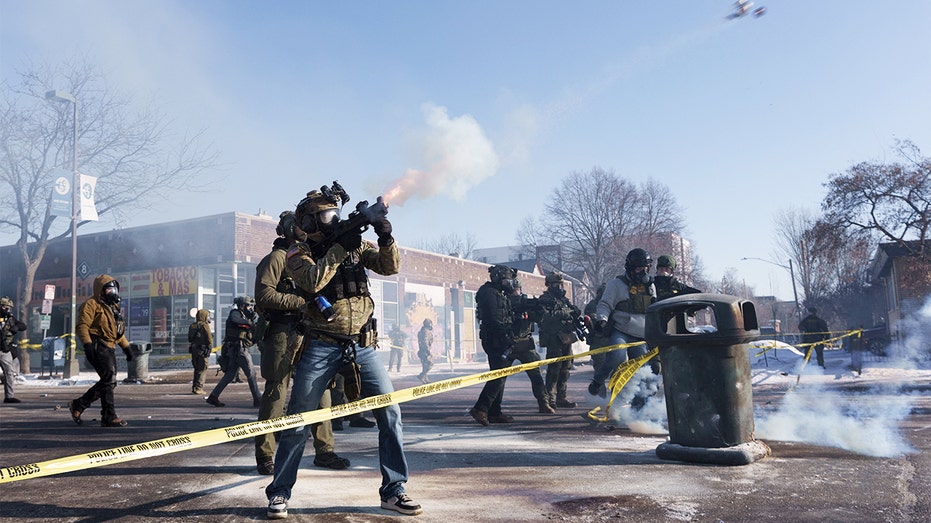

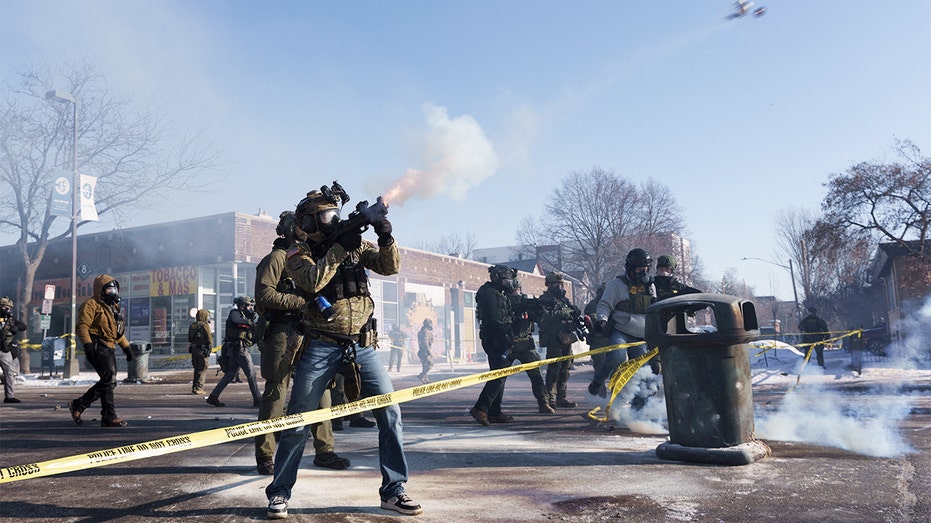
A Border Patrol Agent Faces Deadly Threat (Image Credits: A57.foxnews.com)
Minneapolis – Tensions simmered within federal immigration agencies after the Department of Homeland Security issued strong public statements following a deadly confrontation during an enforcement operation in the city.[1][2]
A Border Patrol Agent Faces Deadly Threat
Officers encountered immediate danger when Alex Pretti, a 37-year-old Veterans Affairs intensive care unit nurse and Minneapolis resident, approached them armed with a handgun and two loaded magazines.[1] A Border Patrol agent shot Pretti during the Saturday morning incident, which stemmed from a targeted immigration operation.[3]
Pretti resisted attempts to disarm him, prompting the agent to fire in fear for his life and those of colleagues.[2] Videos later surfaced that complicated the initial accounts, while Pretti’s family disputed claims he posed an armed threat, describing him as protecting another individual.[2] Protests erupted soon after, with federal agents deploying tear gas amid crowds on January 24.[1]
DHS Deploys Fiery ‘Domestic Terrorism’ Label
DHS Secretary Kristi Noem quickly characterized Pretti’s actions as domestic terrorism, stating he sought to inflict maximum damage or execute a massacre against agents.[1] The department defended its rapid response in a statement to Fox News, noting a coordinated campaign of violence against law enforcement and commitment to swift, accurate updates.[1]
Noem reiterated the narrative during a press event that day. Deputy Attorney General Todd Blanche later supported the agents, emphasizing humane conduct amid thousands of arrests in Minnesota without prior incidents.[2] Attorney General Pam Bondi pointed fingers at local leaders for sanctuary policies that necessitated such operations.[3]
Federal Enforcers Voice Private Outrage
More than half a dozen immigration enforcement officials privately lambasted the DHS approach, calling it a mishandled crisis communication that eroded credibility and morale.[1] They argued senior leaders rushed to frame the event before facts solidified, intensifying scrutiny.
One official described the response as a case study in poor public relations. Others expressed exhaustion, with sentiments that DHS worsened the situation and lost public and internal support.[1] Frustration mounted over ICE bearing blame for separate Border Patrol actions. Officials backed the administration’s mass deportation goals yet questioned the aggressive tactics and rhetoric.
- DHS characterized the suspect too hastily, before video evidence emerged.
- Messaging damaged agent morale and public trust in enforcement efforts.
- Aggressive language risked broader backlash against deportation operations.
- Internal debates highlighted splits over strategy in politically charged cases.
- Separate agencies like ICE and Border Patrol faced conflated criticism.
Strains Emerge in Mass Deportation Campaign
The episode exposed deeper rifts within DHS, where competing views on enforcement aggressiveness clashed amid President Trump’s push for widespread deportations.[1] Local resistance in Minnesota, including from Governor Tim Walz and Mayor Jacob Frey, fueled federal operations targeting serious offenders.
Federal subpoenas went out to state and city officials as investigations proceeded. A judge blocked evidence tampering in the case, underscoring legal tensions.[2] Bondi warned of federal intervention if local support faltered.[3]
Key Takeaways
- Public messaging must align with emerging facts to preserve credibility.
- Internal unity remains vital for high-stakes immigration enforcement.
- Local-federal clashes complicate national deportation strategies.
This incident serves as a stark reminder that effective communication can make or break public support for tough policies. What do you think about the balance between security and messaging? Tell us in the comments.