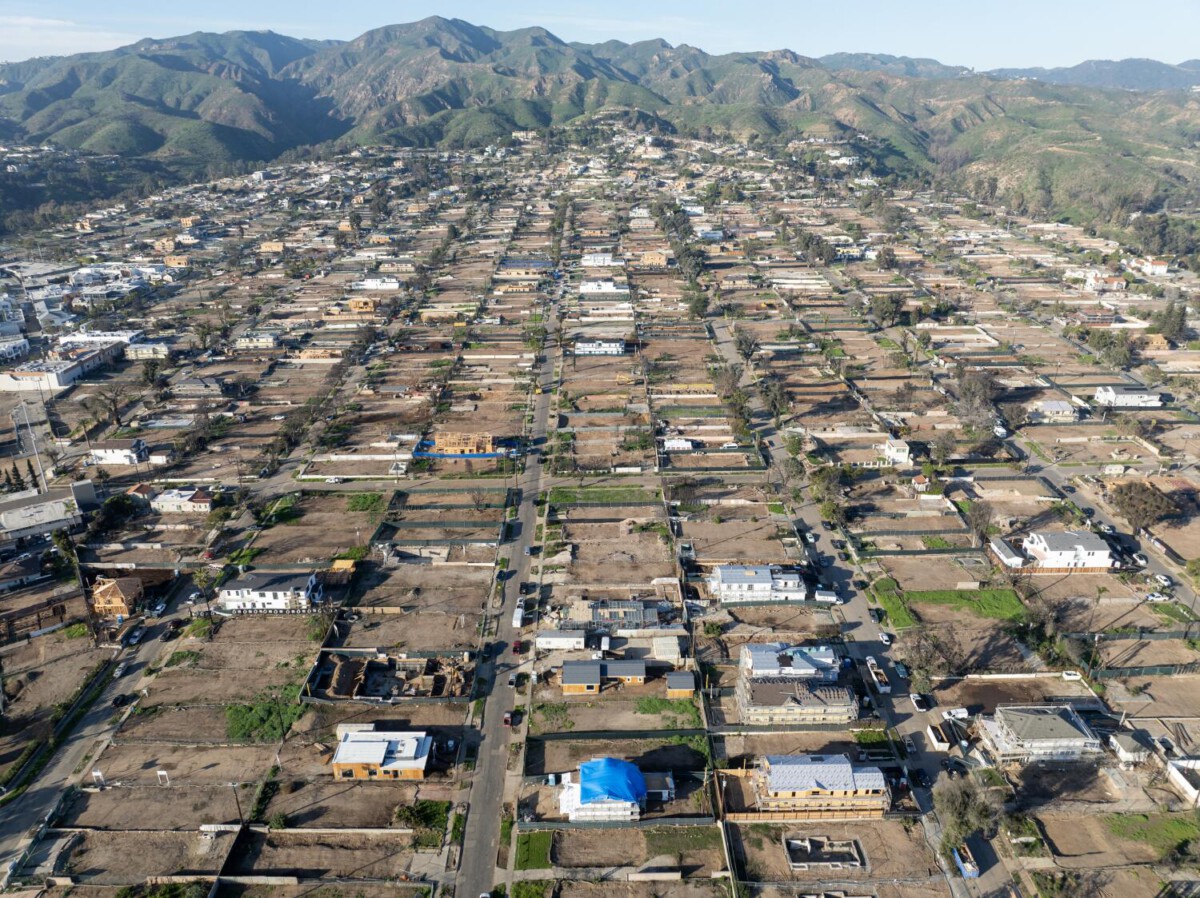


A Year of Ashes and Ambition (Image Credits: Ca-times.brightspotcdn.com)
Los Angeles – In the wake of devastating wildfires that razed thousands of homes in Pacific Palisades and Altadena, a surge of big-money investors has transformed the recovery landscape, raising concerns about prolonged vacancies and rising crime.
A Year of Ashes and Ambition
One year after the Palisades and Eaton fires tore through these affluent Los Angeles communities, the scars remain deeply etched into the terrain. Survivors marked the anniversary with vigils and calls for faster action, yet progress has been uneven. Local residents initially rallied to reclaim their neighborhoods, envisioning a grassroots revival. However, the influx of institutional buyers has shifted the dynamics dramatically.
According to data from real estate firm Redfin, investors snapped up 40% of available lots in fire-damaged zones during the third quarter of 2025 alone. This trend accelerated as insurance payouts trickled in and displaced families weighed their options. In Altadena, where the Eaton fire claimed dozens of lives and structures, empty parcels now dot the hillsides, a stark reminder of the blaze’s fury. Pacific Palisades, with its ocean views and celebrity residents, faces similar challenges, though rebuilding there has picked up slightly more steam.
The Investor Takeover Unfolds
Early hopes for community-led reconstruction faded as deep-pocketed entities entered the fray. Developers and investment groups, drawn by plummeting lot prices – down as much as 40% in some areas – began acquiring properties en masse. Realtors reported a flood of offers from out-of-state firms and international players, turning what was once a local market into a speculative arena.
This shift has left many original owners feeling sidelined. Some sold out of necessity, unable to navigate the bureaucratic hurdles of permitting and construction amid soaring costs. Others held firm, only to watch neighbors’ lots sit idle. The Los Angeles Times detailed how this pattern echoes past disasters, where investor dominance delayed neighborhood revitalization. In both communities, the result is a patchwork of cleared debris and untouched foundations, stalling the return of daily life.
Crime Waves in the Void
As vacancies multiply, so do reports of opportunistic crime, particularly in Altadena. Residential burglaries there surged by 450% in the months following the fires, according to local law enforcement insights shared on social media by former officials. Vacant homes and lots provide easy cover for break-ins, with intruders targeting tools, copper wiring, and any remnants left behind. Pacific Palisades has seen relative stability in crime rates, thanks to robust private security and quicker partial rebuilds.
Experts attribute the disparity to resource allocation: fewer patrols in Altadena’s sprawling, less-policed expanses. Empty properties not only invite theft but also erode community vigilance, as fewer eyes watch the streets. Residents express frustration over delayed sheriff department responses, exacerbating fears in an already traumatized area. This crime uptick underscores a broader issue – investors’ focus on long-term flips over immediate habitation leaves gaps that criminals exploit.
Navigating Rebuilding Hurdles
Permitting processes have bogged down efforts across both areas, though momentum is building. In Pacific Palisades, a handful of new homes have risen, signaling cautious optimism. Altadena lags further, with fewer than a dozen structures completed citywide after the blazes. Factors like stringent fire codes, supply chain delays, and insurance disputes compound the delays.
To address these, local groups have pushed for streamlined approvals and incentives for owner-occupiers. Yet investor purchases continue, with some lots flipping multiple times without construction starting. A preliminary analysis by The Times compared this to past fires: slower than Santa Rosa’s post-Tubbs recovery but faster than Paradise after the Camp fire. Key challenges include:
- High rebuilding costs exceeding insurance coverage for many families.
- Bureaucratic red tape in obtaining environmental clearances.
- Market saturation from investor hoarding, which drives up prices for locals.
- Limited access to affordable labor and materials amid statewide shortages.
- Ongoing debates over zoning changes to prevent low-income housing mandates.
Key Takeaways
- Investors now control nearly half of recent lot sales, altering community character.
- Altadena’s burglary spike highlights risks of prolonged emptiness.
- Local advocacy seeks policies to prioritize residents over speculators.
The path forward demands balance: honoring the spirit of those who lost everything while curbing the speculative frenzy that threatens to redefine these neighborhoods forever. As reconstruction inches along, communities must weigh economic opportunities against the preservation of their unique identities. What steps should leaders take to ensure rebuilding benefits locals first? Share your thoughts in the comments.