A Defiant Stand Ends in Heartbreak (Image Credits: Images.fastcompany.com)
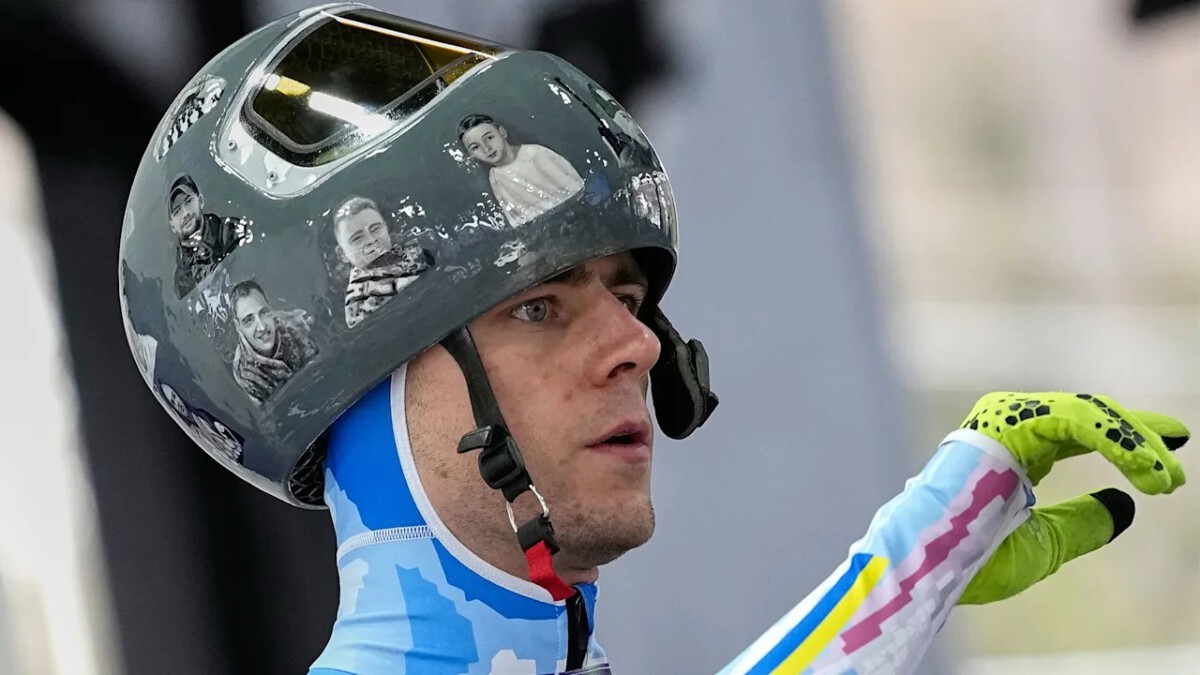
Cortina d’Ampezzo, Italy – Ukrainian skeleton athlete Vladyslav Heraskevych forfeited his shot at a medal in the Milan Cortina Winter Olympics after officials disqualified him for refusing to remove a helmet inscribed with the names of more than 20 compatriots killed in the war with Russia.
A Defiant Stand Ends in Heartbreak
Heraskevych arrived at the track knowing the risks, yet he persisted with the helmet during training runs earlier in the week. Just 45 minutes before Thursday’s opening races, the International Olympic Committee delivered its ultimatum. The athlete, ranked fourth at last year’s world championships and quick in practice, chose principle over participation.
The International Bobsleigh and Skeleton Federation declared the helmet violated Olympic guidelines on athlete expression during competition. Officials proposed alternatives, including a black armband or displaying the helmet off the ice after runs. Heraskevych rejected them all, insisting his tribute broke no rules.
“I believe, deeply, the IBSF and IOC understand that I’m not violating any rules,” he stated. His coach and father, Mykhailo Heraskevych, called the outcome devastating. “The International Olympic Committee destroyed our dreams. It’s not fair.”
IOC President’s Emotional Plea Falls Short
IOC President Kirsty Coventry rerouted from Alpine skiing events to intervene personally at the sliding center. She met Heraskevych privately around 8:15 a.m., hoping to broker a deal. Tears streamed down her face afterward, signaling the meeting’s intensity.
Coventry acknowledged the helmet’s message as powerful remembrance. Still, she emphasized restrictions applied only on the field of play, where sliders reach speeds of 120 kilometers per hour. Visibility proved no compromise for the athlete. “We didn’t find common ground,” Heraskevych reported.
“No one–especially me–is disagreeing with the messaging,” Coventry said. “Sadly, we’ve not been able to come to that solution. I really wanted to see him race today.”
Rules, Neutrality, and Simmering Tensions
The disqualification unfolded amid complex geopolitics at the Games. About a dozen Russians and seven Belarusians competed as neutrals, barred from national symbols. Heraskevych had criticized their presence repeatedly, accusing the IOC of aiding Russian narratives.
IOC spokesman Mark Adams defended the stance on expression. Without boundaries on the field of play, he warned, chaos would ensue. “Sport without rules cannot function. If we have no rules, we have no sport.”
Heraskevych plans an appeal to the Court of Arbitration for Sport. Yet with Thursday’s first two runs complete and Friday’s finale approaching, his racing days here ended. He retains his credential to stay as a non-competing athlete.
Outrage and Questions of Consistency
Ukraine’s leadership reacted swiftly. President Volodymyr Zelenskyy posted on social media: “Sport shouldn’t mean amnesia, and the Olympic movement should help stop wars, not play into the hands of aggressors.” Ukrainian skier Kateryna Kotsar deemed the IOC a disgrace to Olympic ideals.
Heraskevych highlighted perceived double standards. He pointed to U.S. figure skater Maxim Naumov displaying a photo of his late parents in the kiss-and-cry area and Israeli slider Jared Firestone wearing a kippah listing victims of the 1972 Munich attack. Firestone praised Heraskevych’s values regardless.
In 2022 Beijing, the IOC cleared Ukraine’s top slider for a “No war in Ukraine” sign as a peace call. Heraskevych questioned why his case differed.
Key Takeaways
- The helmet honored over 20 Ukrainian athletes and coaches killed since Russia’s invasion.
- IOC permitted training use but enforced race-time rules strictly.
- Decision sparked backlash over athlete expression amid ongoing conflict.
This saga underscores the fragile balance between personal tribute and Olympic neutrality. As the Milan Cortina Games continue, debates on remembrance in sport linger. What boundaries should govern athlete expression at the highest levels? Share your thoughts in the comments.