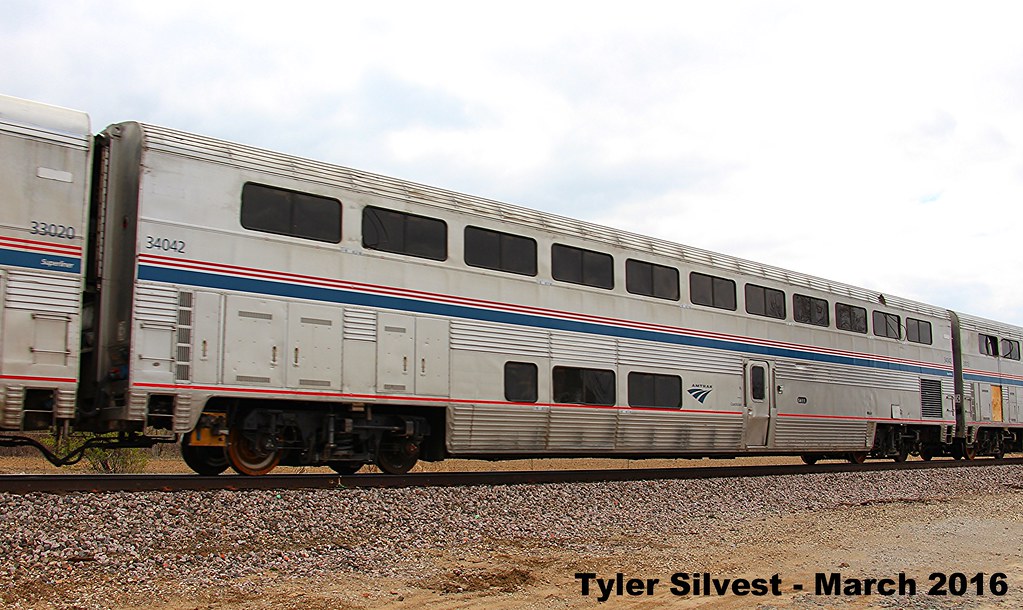


A Split-Second Decision Gone Wrong (Image Credits: Flickr)
Iowa’s rural roads can turn treacherous in an instant, especially when heavy rains from distant storm systems soak the ground and blur the lines between safety and disaster.
A Split-Second Decision Gone Wrong
Picture this: a driver misjudges the timing at a railroad crossing, and suddenly, the rumble of an oncoming freight train fills the air. That’s exactly what unfolded recently in a small Iowa town, where a massive locomotive plowed straight into a vehicle. The impact was captured on video, showing the sheer force as metal meets metal in a chaotic burst.
Local authorities responded quickly, but the driver walked away with minor injuries, a testament to quick reflexes and perhaps a bit of luck. These crossings see thousands of trains daily across the Midwest, yet incidents like this remind everyone of the dangers lurking just beyond the tracks. It’s a wake-up call for better awareness, especially when weather plays a role.
The Role of Recent Storms in Rail Incidents
Storms sweeping through the region, remnants of larger weather events far to the south, have left roads slick and visibility low. In Iowa, where agriculture relies heavily on rail transport, these conditions amplify risks at every crossing. One recent crash in Wilton saw a similar scene, with a train colliding with a car and the driver escaping serious harm.
Experts point out that wet conditions from prolonged rain can delay signals or obscure warning lights. Over the past week, multiple collisions have dotted the state, from Pleasant Hill to Sioux City, highlighting a pattern tied to the unpredictable weather. Still, human error often seals the deal in these close calls.
Safety Measures That Could Prevent the Next One
Railroad companies and state officials are ramping up efforts to educate drivers. Simple steps, like always stopping at active crossings, can make all the difference. Iowa’s Department of Transportation tracks these events closely through tools like the Crash Analysis system, which reveals common pitfalls such as ignoring gates or speeding through.
Communities are pushing for upgrades too, including brighter lights and automated alerts. Yet, with trains weighing thousands of tons and taking nearly a mile to stop, prevention starts with the person behind the wheel. It’s not just about rules; it’s about respecting the power on those rails.
Impacts Beyond the Tracks
These crashes disrupt more than just the moment – they halt freight lines carrying everything from grain to fuel. In a state like Iowa, where farming drives the economy, delays can ripple through supply chains, affecting prices at the local store. The recent Pleasant Hill incident, for instance, tied up traffic for hours while crews cleared the scene.
Environmentally, there’s concern too, as derailed cars sometimes spill cargo. Though no major leaks occurred in this case, past events have led to cleanups costing thousands. It’s a reminder that one driver’s choice echoes far wider than the crossing itself.
Lessons from Iowa’s Railroad History
Iowa’s rails have a storied past, from early 20th-century wrecks that shaped safety laws to modern derailments linked to severe weather. The 1910 Green Mountain tragedy, where a passenger train derailed, killed dozens and spurred nationwide reforms. Today, similar forces – high winds or flooding from storm systems – pose ongoing threats.
Historical accounts show how weather has always been a wildcard. Tornadoes and heavy rains have toppled cars off tracks, much like the wind-blown incidents reported in nearby states. Learning from these helps build resilience, ensuring the network stays vital without the heartbreak.
Looking Ahead: Bracing for Winter Woes
As winter approaches, combining cold snaps with leftover moisture from autumn storms, experts urge extra caution. Iowa’s flat terrain makes rails vulnerable to ice, potentially worsening collision risks. Statewide initiatives aim to install more cameras and sensors at high-risk spots.
Drivers, meanwhile, can prepare by checking weather apps before routes near tracks. It’s about staying one step ahead in a landscape where nature doesn’t pull punches.
Key Takeaways
- Always obey crossing signals, no matter the hurry – trains can’t swerve.
- Weather from distant hurricanes can indirectly heighten local dangers through rain and fog.
- Report hazards to local authorities to help prevent future scares.
In the end, these incidents underscore a simple truth: respect the rails, and they’ll carry us forward safely. What steps do you take at railroad crossings? Share your thoughts in the comments below.