The Scope of the Disruption (Image Credits: Pixabay)
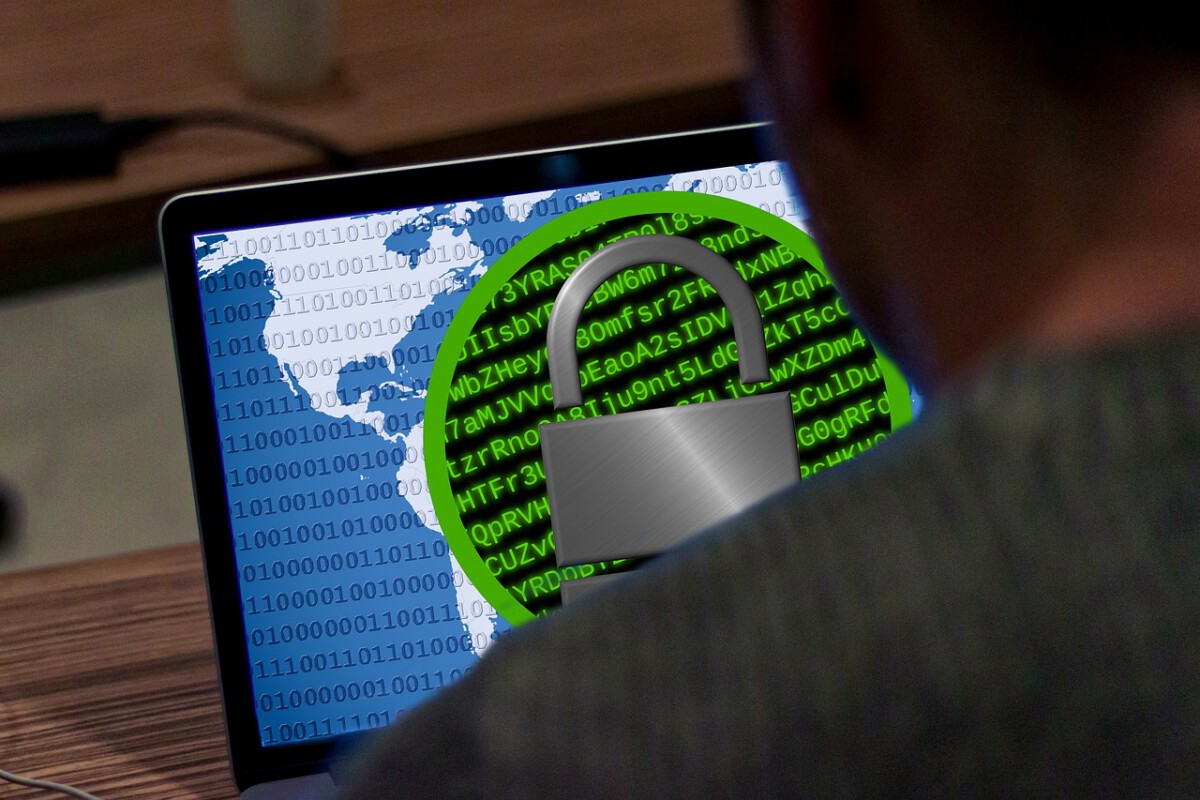
Michigan-based medical technology firm Stryker Corporation encountered a significant cyber disruption early Wednesday, when pro-Iran hackers allegedly defaced its login systems and erased data from employee devices worldwide.
The Scope of the Disruption
Employees and contractors awoke to a harsh reality around 3:30 a.m. EDT, discovering that their Windows-based laptops, cellphones, and other Microsoft-managed devices had been completely wiped.
The incident stemmed from an attack that struck just after midnight Eastern Time, leading to a global outage across Stryker’s technology infrastructure. Login pages displayed the logo of Handala, a hacking group aligned with pro-Iran and pro-Palestinian causes, as reported by The Wall Street Journal. Users on platforms like Reddit shared accounts of the chaos, with some initially mistaking the wipeout for internal terminations. The defacement persisted on certain pages for hours, amplifying concerns over the breach’s reach.
Handala’s Broader Campaign
Handala claimed responsibility for a simultaneous attack on the Academy of the Hebrew Language’s website, posting a provocative message: “There is no need to learn Hebrew anymore. You won’t need it for much longer,” according to The Jerusalem Post.
This strike on Stryker fits into a pattern amid escalating regional tensions. The company maintains offices in Saudi Arabia and the United Arab Emirates, nations that have faced Iranian retaliation following U.S. and Israeli military actions. The conflict entered its 12th day as these events unfolded. Handala’s actions highlight how geopolitical strife increasingly spills into cyberspace, targeting corporate entities with regional footprints.
- Defacement of Stryker’s Entra login pages with group logo.
- Data erasure on Intune-managed Windows devices globally.
- Concurrent breach of a cultural institution in Israel.
Stryker’s Operations and Vulnerabilities
Founded in 1941 by orthopedic surgeon Dr. Homer Stryker in Kalamazoo, Michigan, the company has grown into a global powerhouse in medical, surgical, and neurotechnology products. Its innovations touch the lives of more than 150 million patients annually, with headquarters still in Michigan and facilities across the U.S. states of Minnesota and California, plus international sites.
The cyber incident exposed potential weaknesses in Stryker’s reliance on Microsoft ecosystems for device management. Staff reported disruptions that halted access to critical systems, though the full operational impact remained unclear at the time. Stryker has not yet issued a detailed public response, but the event underscores risks for medtech firms handling sensitive health data.
Financial Fallout and Recent Performance
Investors reacted swiftly, driving Stryker’s shares (NYSE: SYK) down nearly 4% during early afternoon trading on Wednesday.
Despite the setback, the company entered the year on solid footing. In its fourth-quarter 2025 earnings, Stryker surpassed forecasts with adjusted earnings per share of $4.47, topping expectations of $4.39, and revenue of $7.2 billion against anticipated $7.12 billion, as detailed in financial reports. These results had initially boosted confidence, making the cyber hit a stark contrast.
| Metric | Actual | Expected |
|---|---|---|
| Q4 EPS (Adjusted) | $4.47 | $4.39 |
| Q4 Revenue | $7.2B | $7.12B |
Key Takeaways:
- Stryker’s global systems faced a pro-Iran hack, wiping devices and defacing logins.
- Stock dropped 4% amid the outage, despite strong recent earnings.
- Geopolitical motives link the attack to regional conflicts involving U.S. allies.
This cyber assault serves as a wake-up call for the medtech industry, where operational continuity directly affects patient care amid rising state-sponsored threats. How might such incidents reshape cybersecurity priorities for global firms? Share your views in the comments.