Oil Prices Jump, Testing Consumer Wallets (Image Credits: Unsplash)
Recent U.S. and Israeli strikes on Iran have introduced fresh volatility into an American economy strained by intermittent tariffs, subdued hiring, and persistent inflation.
Oil Prices Jump, Testing Consumer Wallets
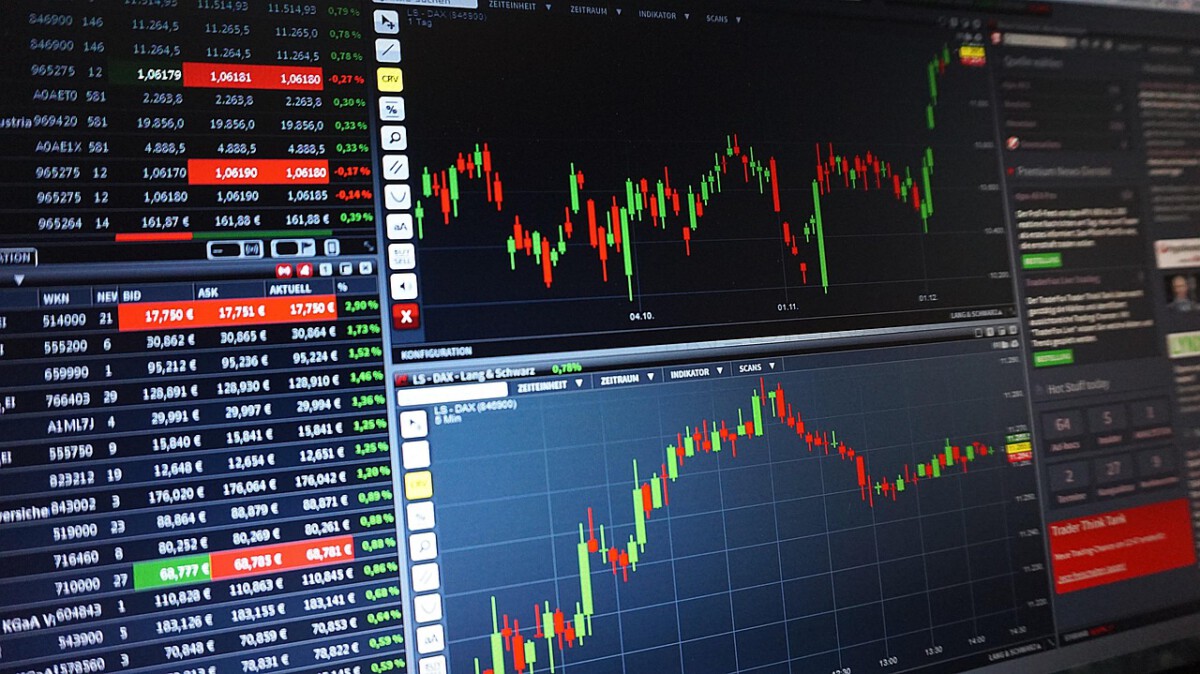
Benchmark U.S. crude surged 6.3% on Monday to close at $71.23 per barrel, while Brent crude rose 6.7% to $77.74, reflecting immediate market reactions to the escalating tensions.
Economists emphasized that such gains, if brief, would exert minimal pressure on growth. “While cost-conscious Americans who are dealing with an affordability crisis will not take this increase lightly, such an increase will not materially affect economic growth,” said Joe Brusuelas, an economist at RSM consulting firm.
However, a prolonged conflict could drive oil beyond $100 per barrel, especially if the Strait of Hormuz – handling about 25% of global oil flows – faces disruptions. Nationwide gas prices, averaging just under $3 per gallon on Monday, might then climb to $3.50.
Stock markets initially dipped but recovered with modest gains, signaling hopes for a quick resolution.
Inflation Pressures Persist Despite Recent Easing
The Federal Reserve’s preferred inflation gauge has hovered around 3% for about a year, exceeding the 2% target even as gas prices declined through 2025.
Higher fuel costs could ripple outward, elevating airfares, shipping expenses, and grocery bills. Natural gas prices also climbed Monday after a Qatar facility shutdown, given that 20% of global gas transits the Strait of Hormuz.
U.S. heating costs might rise further, compounded by a 10% yearly increase tied to data center demands for AI operations. Yet the economy’s shift toward services has reduced overall oil dependence compared to past decades.
High pre-conflict oil inventories provided a buffer, unlike the sharp spikes following Russia’s 2022 Ukraine invasion. Rory Johnston, founder of Commodity Context, described Monday’s rise as “a very minor spike relative to” that earlier event.
Business Confidence and Hiring Face Headwinds
Extended uncertainty from the Iran conflict could erode business sentiment, prompting firms to curb investments and hiring, much like the chilling effect of recent tariffs.
Hiring in 2025 marked the weakest pace outside a recession since 2002. “When there is an injection of new uncertainty into the business environment … that’s a hit to confidence,” noted Kathy Bostjancic, chief economist at Nationwide Financial.
Markets currently downplay the chances of a drawn-out engagement, according to Alex Jacquez, chief of policy at Groundwork Collaborative and former Biden economic adviser. He warned that underestimating sustained disruptions, including Strait closures, overlooks significant tail risks.
Consumer Mood Sours Amid Affordability Strains
Americans already view the economy pessimistically due to years of elevated prices, undermining efforts to frame recent years as prosperous.
Further gas price hikes would amplify frustrations over essentials like groceries. Surveys reflect widespread gloom, with affordability concerns influencing political support.
“People generally don’t think that President Trump is focused on the things that they are focused on,” Jacquez observed, “and what they want him to be focused on is the price of groceries. What they think he’s focused on are things like tariffs and foreign policy.”
Key Takeaways
- Short-term oil spikes like Monday’s pose limited threats to growth but test household budgets.
- Prolonged conflict risks $100+ oil, inflating costs across fuel, shipping, and food.
- Business pullback and souring sentiment could deepen hiring weakness and political pressures.
The true scope of economic fallout hinges on the conflict’s duration: a swift de-escalation limits damage, while persistence amplifies existing vulnerabilities. What impacts do you foresee for your finances? Share in the comments.