A Controversial Hereditary Succession Takes Hold (Image Credits: Images.fastcompany.com)
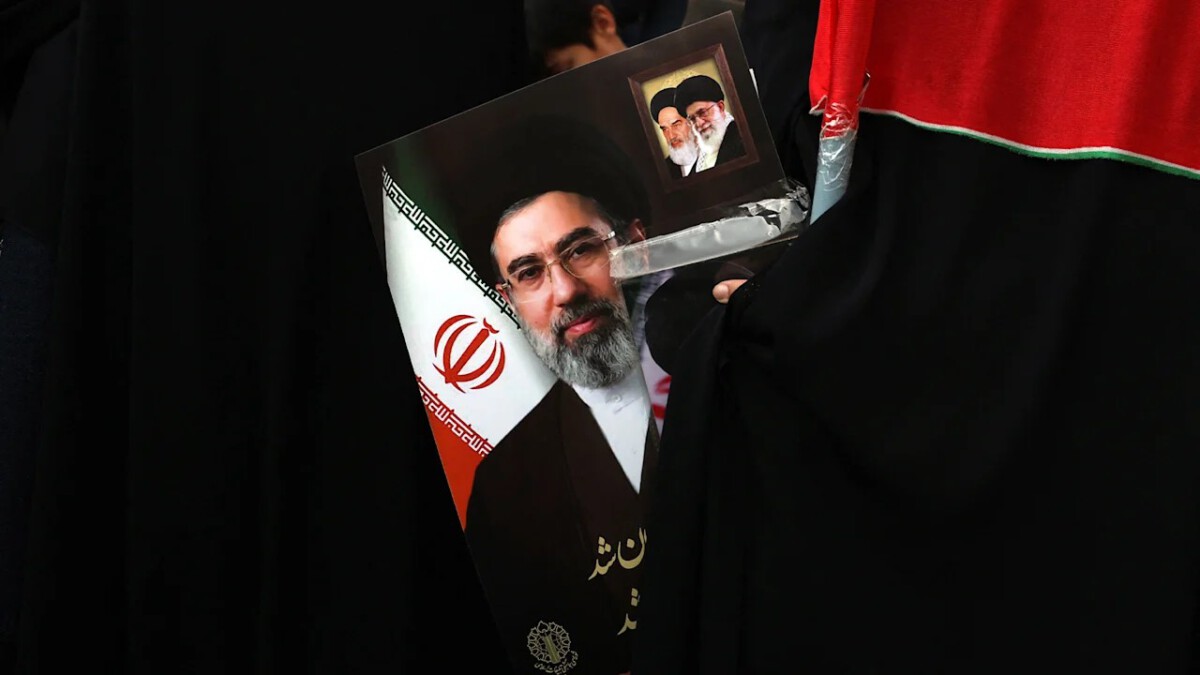
Iran – The Assembly of Experts selected Mojtaba Khamenei, son of the late Ayatollah Ali Khamenei, as the nation’s new supreme leader on Monday, even as Iranian forces targeted key infrastructure in neighboring states.
A Controversial Hereditary Succession Takes Hold
The 56-year-old cleric, who shuns public appearances, stepped into one of the world’s most powerful religious-political roles despite lacking any elected office. His father died on February 28 in an Israeli strike that ignited the current conflict. Close links to the Revolutionary Guard positioned him as a leading candidate long before the announcement. Critics inside Iran decried the move as echoing the shah’s dynastic rule, overthrown in 1979. Yet top Assembly members prioritized continuity during wartime. Mojtaba now oversees the military and nuclear decisions.
Harder-line than his father, he inherits a volatile arsenal, including drones and missiles launched at Israel and Gulf nations. Nuclear facilities suffered heavy damage from U.S. strikes in a prior June clash, but stockpiles of near-weapons-grade uranium persist. Israel labeled him a potential target, while U.S. President Donald Trump voiced strong opposition. “Khamenei’s son is unacceptable to me,” Trump stated. “We want someone that will bring harmony and peace to Iran.”
Energy Markets Reel from Widening Attacks
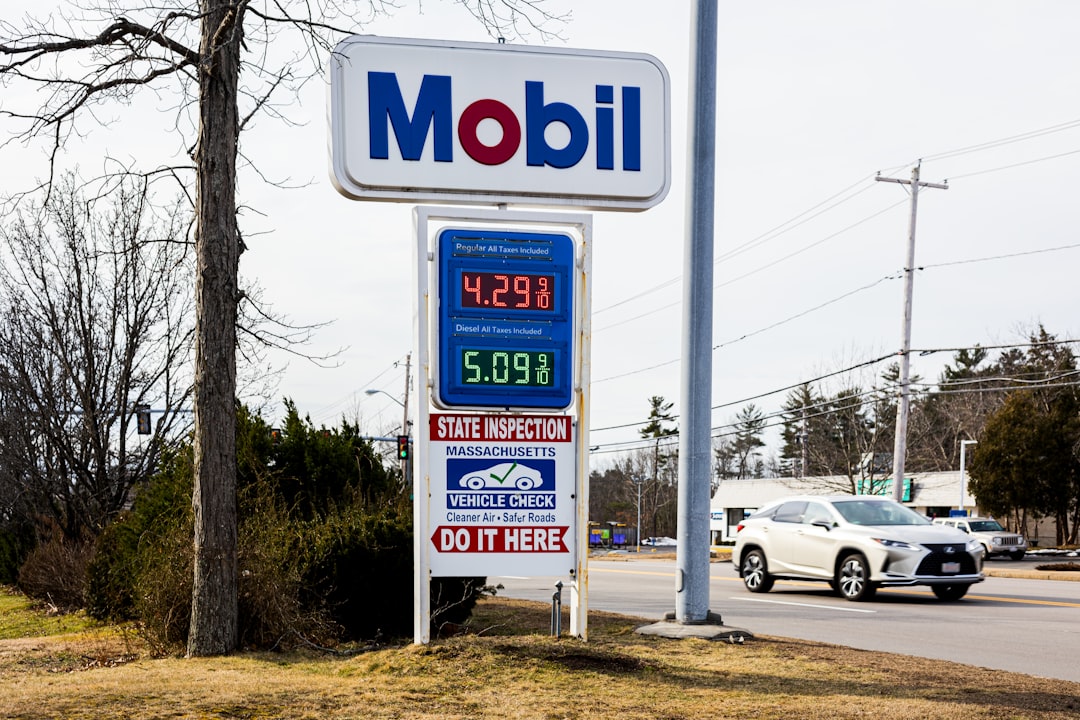
Global oil prices climbed above $100 a barrel as Iran’s strikes disrupted supplies, with Qatar halting natural gas output. Tehran hit oil depots and water plants vital to desert economies. Saudi Arabia intercepted a drone near its Shaybah field and warned of severe retaliation. The kingdom rejected Iranian claims of pausing assaults, citing ongoing aggression. Bahrain reported damage to a desalination facility, essential for millions.
U.S. forces confirmed a service member’s death from an Iranian attack in Saudi Arabia, bringing American fatalities to seven. The State Department prepared evacuations for nonessential staff across multiple missions, including Bahrain and the UAE. Arab League leaders condemned Iran’s “reckless policy” toward hosts of U.S. troops. Top Iranian official Ali Larijani praised the Assembly’s resolve amid airstrikes, saying the new leader “can handle this situation.”
Humanitarian Toll Mounts in Lebanon and Beyond
Lebanon registered over 517,000 displaced residents from Israel-Hezbollah clashes, with the true figure likely higher. Israeli evacuation orders covered southern villages and Beirut’s southern suburbs. Families sought refuge in schools, cars, and seaside spots. Hezbollah, backed by Iran, fired rockets early in the war. Casualties mounted: at least 1,230 in Iran, 397 in Lebanon, and 11 in Israel, plus two Israeli soldiers in southern Lebanon.
- Tehran oil depots burned after Israeli strikes, prompting warnings of toxic pollution and acid rain.
- Iran claimed U.S. hits damaged a Qeshm Island desalination plant, affecting 30 villages.
- The Iranian Red Crescent reported 10,000 damaged civilian structures, including schools and health centers.
- Revolutionary Guard and Hezbollah endorsed the leadership change.
Global Ripples and Uncertain Path Ahead
The Revolutionary Guard pledged loyalty, signaling unified command for ongoing operations. Trump indicated U.S. influence over Iran’s post-war leadership, predicting instability without approval. Regional powers braced for escalation, with Saudi statements highlighting risks to ties. Desalination threats amplified fears in water-scarce areas.
Key Takeaways
- Mojtaba Khamenei’s rise ensures hardline continuity amid war.
- Oil surges and facility strikes threaten energy security.
- Displacement and casualties underscore humanitarian crisis.
This leadership shift locks in Iran’s defiant stance, but at what cost to stability? Regional powers and markets watch closely as the conflict evolves. What implications do you see for global energy? Share in the comments.