Iran Vows to Press On Amid Leadership Losses (Image Credits: Pexels)
The Gulf region braced for further turmoil Friday as Iran launched drone attacks on a key Kuwaiti oil refinery, one of the largest in the Middle East. This escalation came nearly three weeks into intense U.S. and Israeli airstrikes that have targeted Iran’s leadership, military assets, and energy sector. The conflict, which erupted on February 28, continues to disrupt oil flows and send shockwaves through global markets.
Iran Vows to Press On Amid Leadership Losses
Israeli Prime Minister Benjamin Netanyahu declared Thursday that Iran’s navy lay in ruins and its ballistic missile production crippled. Yet Iranian officials pushed back forcefully. A spokesman for the paramilitary Revolutionary Guard asserted that missile manufacturing persisted even under wartime conditions.
“We are producing missiles even during war conditions, which is amazing, and there is no particular problem in stockpiling,” Gen. Ali Mohammad Naeini stated in Iran’s state-run IRAN newspaper. He indicated no rush to end hostilities, suggesting the fight would drag on until adversaries weakened. Hours later, state television reported Naeini’s death in an airstrike. Iran’s new Supreme Leader, Ayatollah Mojtaba Khamenei, echoed the defiance, urging the denial of security to enemies. Khamenei assumed the role after his father, Ayatollah Ali Khamenei, perished in an early Israeli strike.
Energy Targets in Crosshairs Across the Gulf
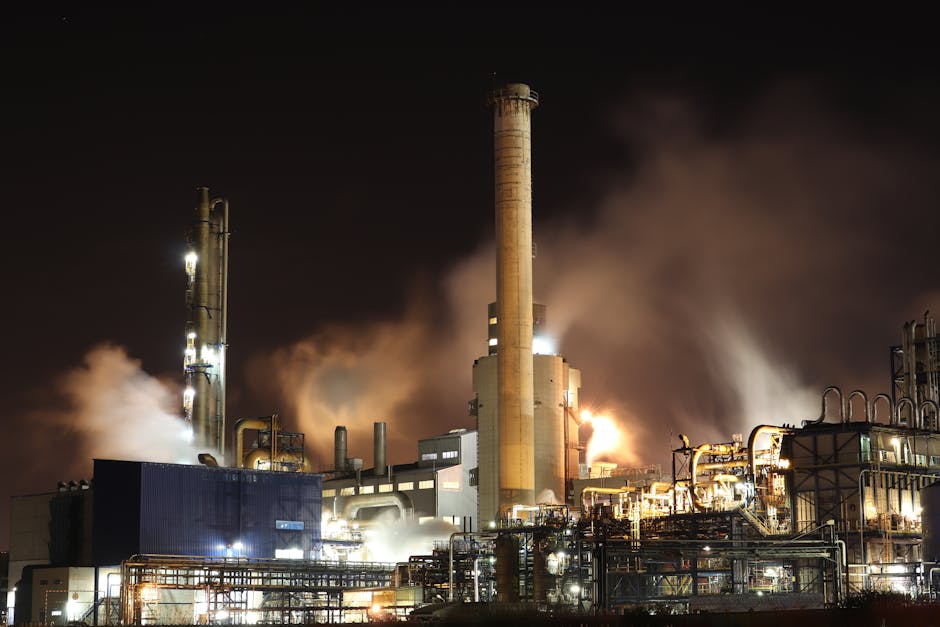
Iran intensified assaults on neighboring energy facilities following Israel’s strike on its South Pars natural gas field. Drones hit Kuwait’s Mina Al-Ahmadi refinery twice early Friday, igniting a blaze at the site that processes 730,000 barrels daily. The facility had sustained prior damage Thursday.
Explosions rattled Dubai during Eid al-Fitr celebrations, with air defenses downing threats overhead. Bahrain noted a warehouse fire from intercepted shrapnel, while Saudi Arabia repelled drones aimed at its Eastern Province. In Iran, Nowruz festivities unfolded amid fresh Israeli strikes over Tehran. Jerusalem heard blasts after warnings of incoming Iranian missiles. Israel extended operations to Syria, striking infrastructure in response to alleged attacks on Druze communities.
Casualties Mount as Conflict Spreads
The war has exacted a steep human cost. More than 1,300 deaths occurred in Iran from strikes. Lebanon’s government reported over 1,000 killed and 1 million displaced by Israeli actions against Hezbollah.
- Israel recorded 15 fatalities from Iranian missiles.
- Four died in the West Bank from a similar strike.
- At least 13 U.S. military personnel lost their lives.
- Israel claimed over 500 Hezbollah fighters eliminated.
These figures underscore the broadening scope, from direct Iran-Israel exchanges to proxy battles in Lebanon and Syria.
Global Economy Reels from Oil Disruptions
Attacks on Gulf infrastructure, coupled with Iran’s grip on the Strait of Hormuz, threaten a worldwide energy crunch. This chokepoint handles one-fifth of global oil and vital goods. Brent crude climbed above $107 Friday, a 47% jump since hostilities began.
Fuel costs exacerbate pressures on food and consumer prices. Asia bears the brunt, as most exports from the strait head eastward. Shortages loom for materials like helium for chips and sulfur for fertilizers, rippling through supply chains everywhere.
Key Takeaways
- Iran’s missile production endures despite heavy losses.
- Gulf refineries face repeated hits, hiking oil prices sharply.
- Casualties surpass thousands, with displacement in Lebanon.
As the war grinds on without clear resolution, questions linger over Iran’s remaining strength and the path to de-escalation. The stakes extend far beyond the battlefield, touching every pump and pantry worldwide. What steps might end this spiral? Share your views in the comments.