

You know that feeling when you’re caught mid-snack, hand buried in a bag of something crunchy, and you wonder if you’re making a terrible nutritional choice? We’ve all been there. The thing is, your favorite munchies might not be the guilty pleasures you think they are. Some of these everyday snacks you reach for without much thought could actually be working overtime for your health.
The word superfood gets thrown around a lot these days, mostly on expensive supplements and trendy smoothie bowls. Yet some of the most nutrient-packed options are probably sitting in your pantry right now. Let’s be honest, it sounds almost too good to be true. Still, science has been quietly proving that certain common snacks offer real health benefits you definitely shouldn’t ignore. So let’s dive in and see which of your go-to treats might actually deserve a health halo.
Nuts Pack a Serious Cardiovascular Punch
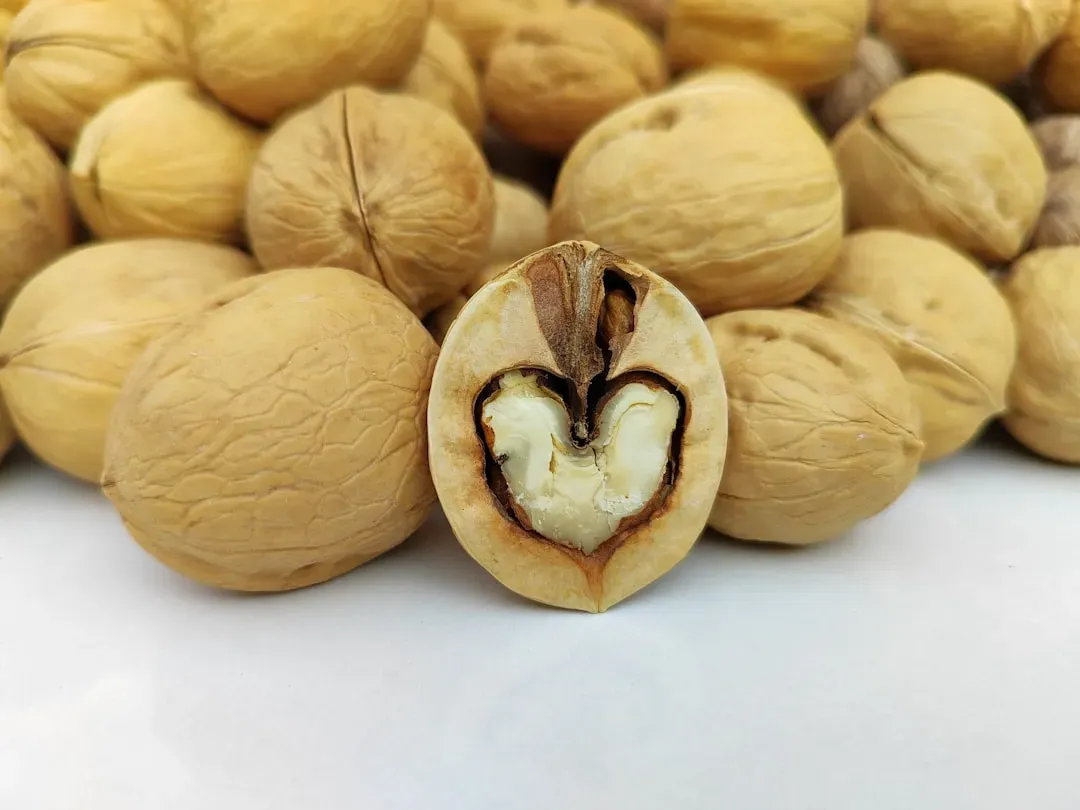
Let’s start with something you’ve probably heard is good for you but maybe didn’t realize just how good. Nuts have been associated with a reduced risk of several cardiovascular diseases in prospective cohort studies, including a 19% and 25% lower risk of CVD incidence and mortality, respectively, and a 24% and 27% lower risk of coronary heart disease incidence and mortality. Those are some pretty compelling numbers when you think about it.
Almonds and walnuts especially stand out here. Research has found that frequently eating nuts lowers levels of swelling, called inflammation, related to heart disease and diabetes. What makes them work so well? These little powerhouses are loaded with healthy fats, fiber, and plant compounds that seem to do wonders for your blood vessels. A cause-and-effect relationship was also found between walnut consumption and endothelium-dependent vasodilation (for which ultrasound measurements of brachial artery vasomotor function were taken), which characterizes healthy vascular function.
Here’s what I find really interesting: The WAHA study is the largest and longest nut trial to date, overcoming the limitations of prior smaller and shorter nut studies. This was a two-year study that actually showed meaningful improvements in heart health markers. That kind of long-term data is pretty rare and valuable in nutrition research.
Dark Chocolate Isn’t Just a Treat for Your Taste Buds
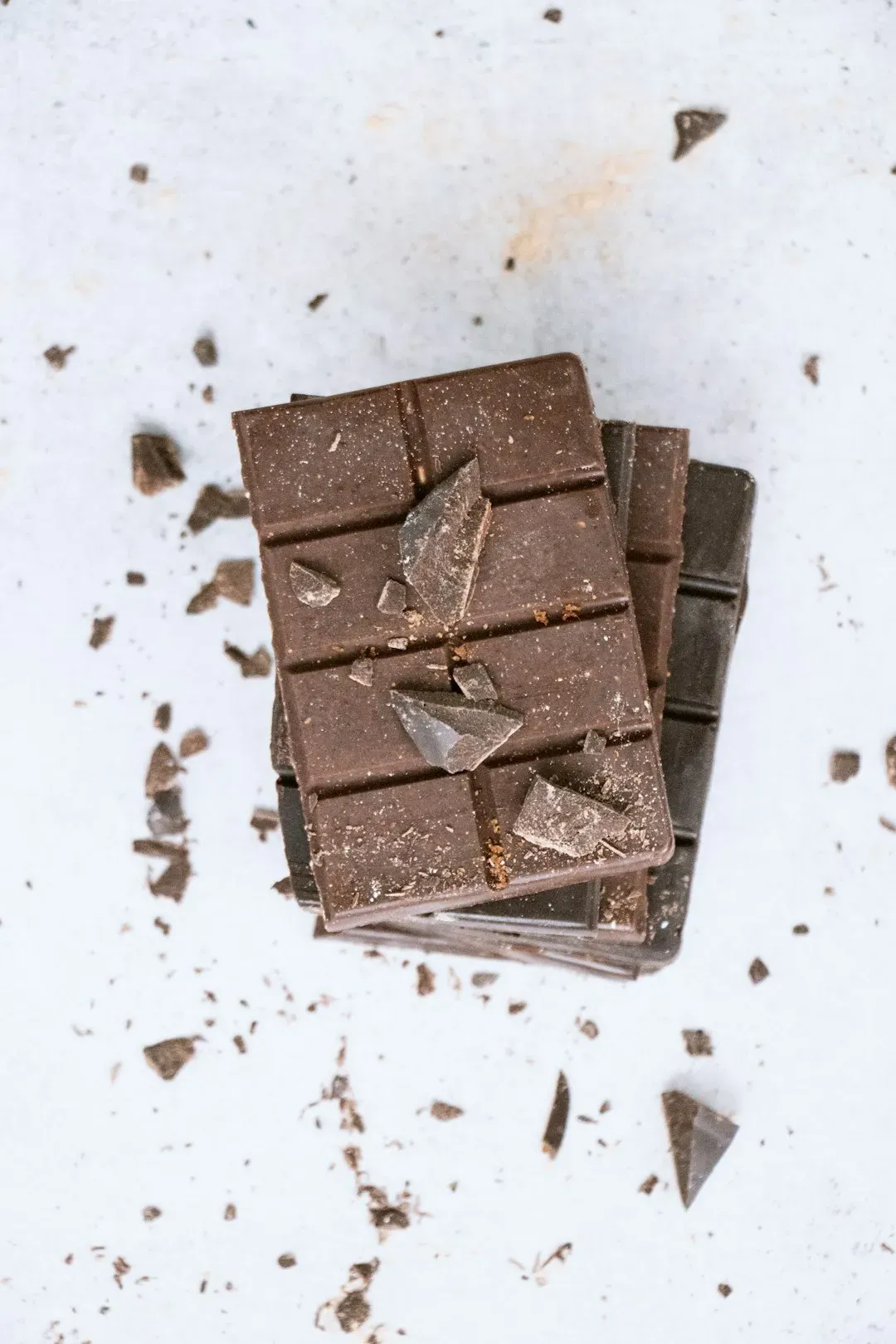
If you’re a chocolate lover, prepare to feel validated. Dark chocolate with high cocoa content is genuinely beneficial for your brain and blood vessels. I know that sounds like wishful thinking, but stick with me here.
There is good evidence that cocoa flavonoids can acutely improve cognitive function in humans, possibly via mechanisms such as increased cerebral blood flow. Translation? The compounds in quality dark chocolate help get more oxygen and nutrients flowing to your brain. Consumption of dark chocolate contributes to the maintenance of performance and concentration in a continuously and effortfully cognitive task.
Let’s be real though, we’re talking about dark chocolate here, not your average candy bar. A clinical trial conducted by researchers in Japan has shown that eating dark chocolate can not only help fight physical and mental fatigue but also potentially serve as an enhancing supplement for cognitive health. In that study, participants ate dark chocolate with roughly three-quarters cocoa content daily for four weeks and showed measurable improvements in memory and executive functioning.
The key ingredient seems to be flavonoids, particularly a type found abundantly in cocoa. Flavanols may help cognition only when there is a substantial demand for information processing at the neuronal level, which, in turn, requires appropriate levels of blood oxygenation. So dark chocolate might be most helpful when you’re really putting your brain to work.
Berries Are Brain Food in Disguise
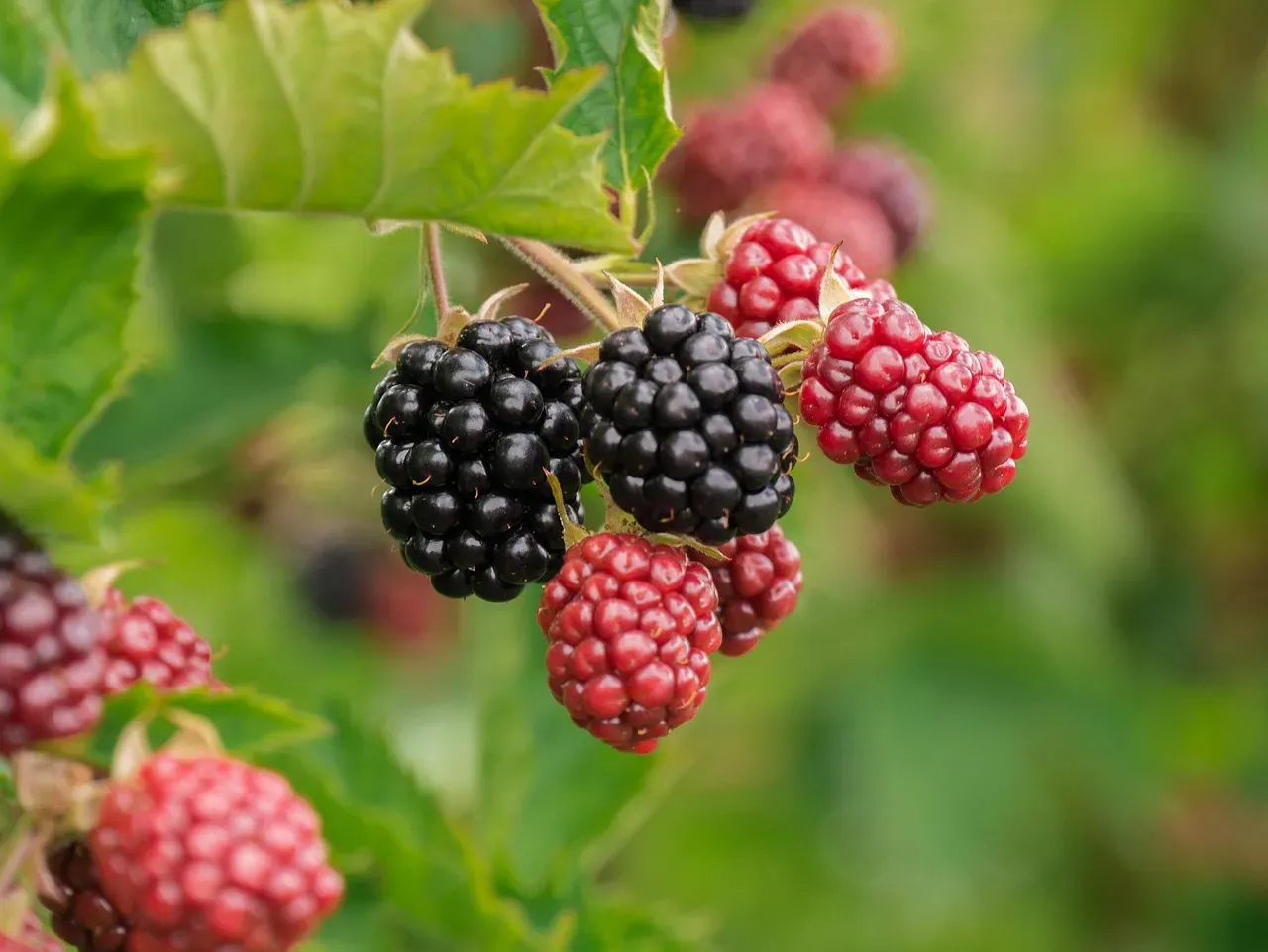
Blueberries, strawberries, blackberries – honestly, any berry you can think of deserves more credit than it gets. These little fruits are absolutely packed with antioxidants called anthocyanins, which give them those rich, vibrant colors.
Anthocyanin intervention significantly improved global cognition (standardized mean difference (SMD) = 0.46, 95% CI = 0.30 to 0.63, I2 = 0.0%) compared with controls. That comes from a comprehensive 2025 meta-analysis that looked at dozens of studies. The evidence keeps stacking up that these compounds support memory and thinking skills as we age.
What’s happening behind the scenes? Wild blueberry (poly)phenols can improve vascular function and cognitive performance in healthy older individuals. Similar to dark chocolate, berries seem to work their magic partly through improving blood flow. Enhanced neural response during working memory challenge in blueberry-treated older adults with cognitive decline has been demonstrated using brain imaging technology.
Honestly, it’s hard to overstate just how protective berries might be for aging brains. When 33 older adults between the ages of 50 and 65 with subjective cognitive decline ate a half cup of blueberries for 12 weeks, and no other berries, they had better executive function. Half a cup isn’t even that much when you think about it.
Your Morning Yogurt Is More Powerful Than You Think
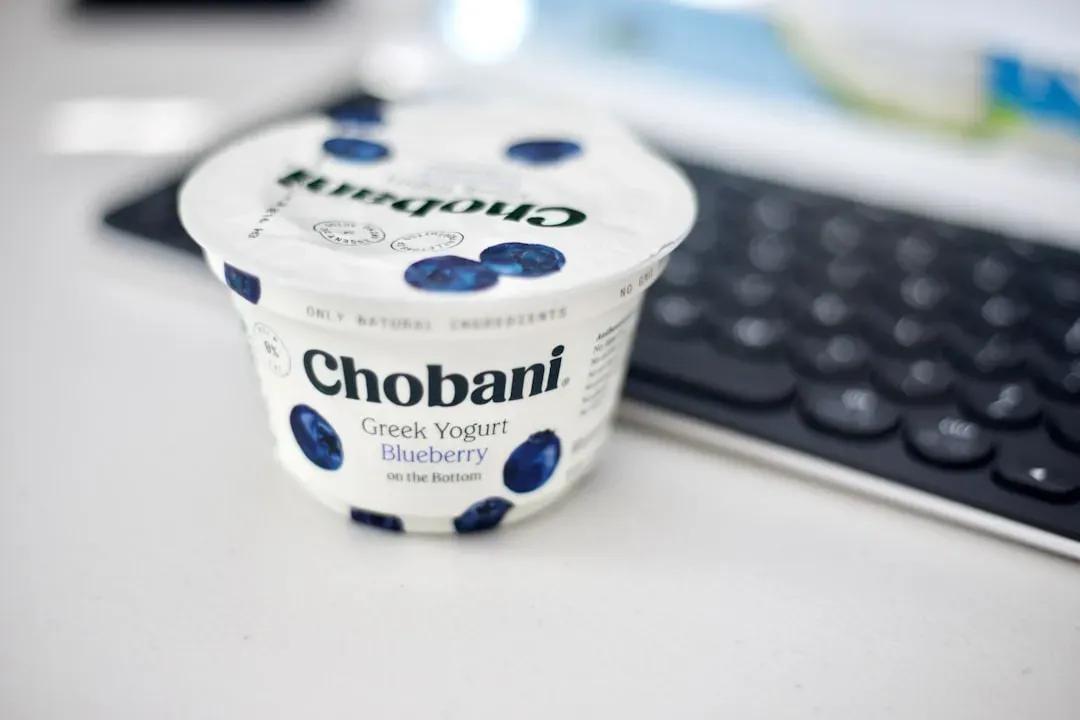
Yogurt often gets dismissed as just another dairy product, but varieties with live cultures are doing some serious work for your immune system. Here’s the thing: your gut health is intimately connected to your overall immunity, and yogurt is a proven way to support that connection.
There is accumulating evidence suggesting that yoghurt and fermented milk consumption is related to a number of health advantages, including the prevention of osteoporosis, diabetes, and cardiovascular diseases, as well as the promotion of gut health and immune system modulation. The probiotics, or beneficial bacteria, in yogurt help maintain the delicate balance of your gut microbiome.
Probiotic bacteria can interact and stimulate intestinal immune cells and commensal microflora to modulate specific immune functions and immune homeostasis. Growing evidence shows that probiotic bacteria present important health-promoting and immunomodulatory properties. In simpler terms, the live cultures in yogurt actually communicate with your immune system, helping it function more effectively.
One study found particularly interesting results. Yoghurt eating was linked to a reduction in allergy symptoms in both age groups, notably for the live-culture groups. Seniors in the control group had a rise in total and LDL cholesterol throughout the duration of the trial, whereas those in the yoghurt groups experienced no change. So not only immune benefits, but cardiovascular protection too.
Popcorn Is a Whole Grain Superstar

This might surprise you, but air-popped popcorn is actually one of the healthiest snack options out there. The catch? I’m talking about plain popcorn, not the movie theater version drowning in butter and salt.
Popcorn is a whole grain, an important food group that may reduce the risk of diabetes, heart disease, and hypertension in humans. Think about it: popcorn is literally an unprocessed whole grain. Popcorn eaten plain and air popped is the only food that is 100% whole grain by weight. That’s actually pretty remarkable when you consider how rare truly whole, unprocessed foods are in our modern diet.
The fiber content is impressive too. One serving of air-popped popcorn contains about 15 percent of the amount of fiber most people need every day. And we’re talking about three whole cups for around 100 calories. High-fiber whole grains have been linked to a lower risk of heart disease, diabetes, some cancers and other health problems.
Popcorn also contains phenolic acids, which are antioxidants that help fight cellular damage. Popcorn has been found to contain a substantial quantity of polyphenols. Furthermore, our in vitro digestion study indicates up to 50% of the total polyphenols in popcorn that is ingested has the potential to be bioavailable. The key is keeping your toppings light and healthy.
Avocados Bring the Good Fats
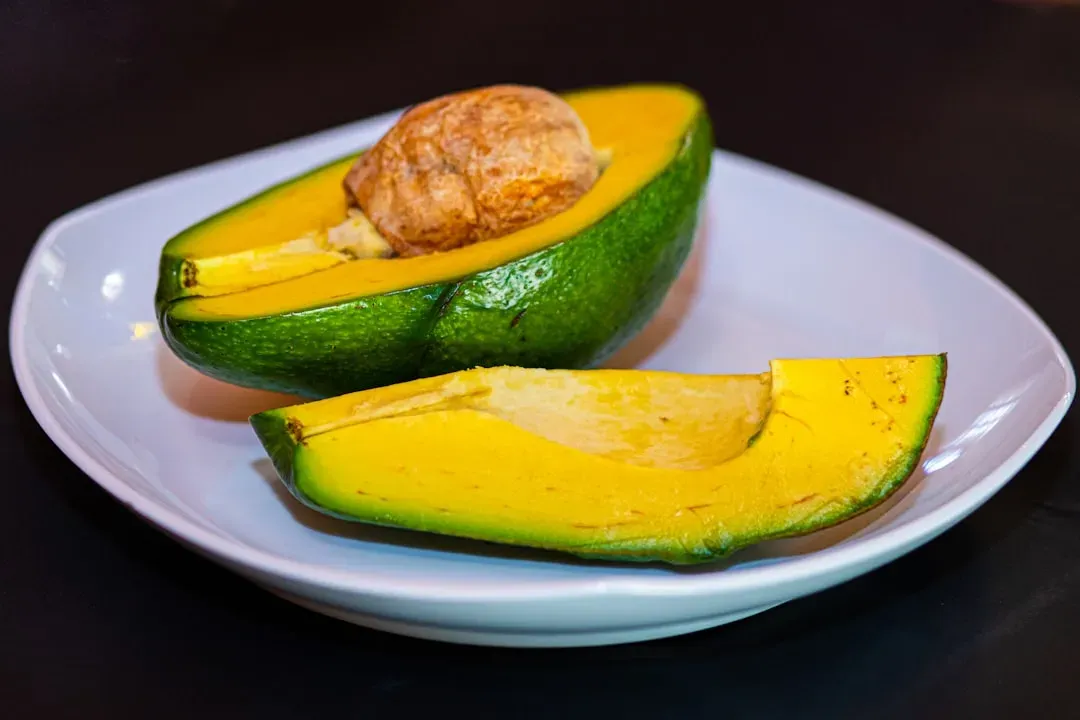
Avocados might seem trendy, but there’s solid science backing up why they’ve become so popular. These green fruits are loaded with monounsaturated fats, the kind your heart actually needs.
Monounsaturated fats have been consistently associated with better cardiovascular outcomes in population studies. Avocados also provide significant fiber, which most people don’t get enough of in their diets. The combination of healthy fats and fiber makes avocados incredibly satiating, meaning they actually help you feel full and satisfied.
Beyond just fats and fiber, avocados contain potassium, which plays a crucial role in blood pressure regulation. They also provide various vitamins and plant compounds that support overall health. The creamy texture and mild flavor make them easy to incorporate into meals or eat on their own.
What’s particularly interesting is how avocados can help your body absorb nutrients from other foods. The healthy fats in avocados enhance the absorption of fat-soluble vitamins and antioxidants from vegetables eaten at the same meal. That’s a bonus benefit you don’t get from every food.
Hummus and Legumes Deserve More Love

Hummus has moved beyond just a dip for vegetables – it’s actually a nutritional powerhouse that more people should be snacking on regularly. Made primarily from chickpeas, hummus provides plant-based protein and substantial fiber.
Legumes in general, including chickpeas, lentils, and beans, are consistently linked with improved metabolic health in large-scale studies. They help stabilize blood sugar levels and can support healthy cholesterol levels. The fiber in legumes also feeds beneficial gut bacteria, supporting digestive health.
What makes hummus particularly appealing as a snack is its versatility. You can pair it with raw vegetables for extra nutrients, spread it on whole grain crackers, or use it as a sandwich filling. The tahini in traditional hummus adds calcium and additional healthy fats.
Plant protein sources like legumes are increasingly recognized as important alternatives to animal proteins. They provide protein without the saturated fat found in many animal products. For people trying to eat more plant-based meals, hummus and other legume-based snacks offer an accessible entry point.
Cheese Isn’t the Villain It’s Made Out to Be

Cheese often gets a bad rap, but in moderation, it can be part of a healthy diet. It’s a concentrated source of several important nutrients, particularly calcium and protein.
Dietary guidelines recognize dairy products, including cheese, as contributors to bone health when consumed in appropriate amounts. Calcium is essential throughout life for maintaining strong bones, and cheese provides it in a highly bioavailable form. The protein in cheese also supports muscle maintenance and overall body function.
Certain cheeses, particularly fermented varieties, may also provide probiotic benefits similar to yogurt. The fermentation process involved in cheesemaking can create beneficial compounds that support gut health. Harder, aged cheeses tend to be lower in lactose, making them easier to digest for people with mild lactose sensitivity.
The key with cheese is portion control and choosing higher-quality varieties when possible. A small serving can provide significant nutritional value without excessive calories or saturated fat. Pairing cheese with fruits, nuts, or whole grain crackers creates a balanced snack.
Green Tea Snacks and Beverages Pack Catechins

Green tea and foods containing green tea extract have been studied extensively for their health properties. The active compounds, called catechins, are powerful antioxidants that have been linked to various health benefits.
Green tea catechins have been studied for their potential effects on metabolism and weight management. While the effects are modest, regular consumption may support overall metabolic health. The antioxidant properties of these compounds also help combat oxidative stress in the body.
Beyond just the catechins, green tea contains a unique amino acid called L-theanine, which can promote relaxation without drowsiness. Combined with the moderate caffeine content in green tea, this creates a state of calm alertness that many people find beneficial for focus and productivity.
Green tea snacks, such as matcha-flavored items or green tea-infused chocolates, can provide these beneficial compounds in different formats. Matcha, in particular, is a concentrated form of green tea where you consume the whole leaf, providing higher levels of these beneficial compounds. The key is finding products that contain real green tea rather than just artificial flavoring.
The Superfood Label Doesn’t Mean Much
Here’s the truth that the health food industry doesn’t want you to dwell on: there’s no scientific definition of a superfood. It’s mostly a marketing term used to make certain foods seem more special than others. Yet that doesn’t mean the foods we’ve discussed aren’t legitimately healthy.
Nutrition experts consistently emphasize that overall dietary patterns matter far more than any single miracle food. You can eat all the berries and nuts in the world, but if the rest of your diet consists of highly processed junk, you’re not doing yourself many favors. Context matters tremendously.
What makes foods like the ones we’ve covered valuable is that they’re nutrient-dense – meaning they pack a lot of beneficial nutrients relative to their calorie content. They provide vitamins, minerals, fiber, healthy fats, antioxidants, and other compounds your body needs to function optimally. That’s genuinely useful, even if calling them superfoods is a bit hyperbolic.
The real takeaway is that many common, accessible foods offer significant health benefits supported by solid research. You don’t need expensive supplements or exotic ingredients shipped from halfway around the world. Some of the best nutritional choices are probably already in your kitchen, just waiting for you to recognize their value.
So next time you’re reaching for a snack, maybe skip the chips and grab a handful of nuts instead. Swap that sugary dessert for a square of dark chocolate or a bowl of berries. Choose popcorn over pretzels. Small changes like these add up over time, and honestly, these healthier options taste pretty great too. Did you expect that your regular snacks could be doing so much good? What changes might you make to your snacking habits now?