
Picture this: you’re chatting in your living room, and somewhere in the corner, a little black cylinder perks up at your words. Smart speakers like Amazon Echo and Google Nest have made our homes feel alive, but that constant hum of readiness? It’s got folks uneasy. With privacy scares spiking in 2026, more homeowners are hitting mute than ever before.[1]
Let’s dive into why this always-listening tech, once a convenience king, is now facing backlash. You’ll be shocked at the numbers piling up.
The Always-Listening Menace
Smart speakers sit idle until their wake word hits, like “Alexa” or “Hey Google,” but they’re processing audio snippets nonstop. This feature promises hands-free magic, yet it fuels fears of eavesdropping. Homeowners worry every whisper gets beamed to the cloud.[2]
Honestly, it’s like having a nosy neighbor in your wall. Recent surveys show nearly half of owners cringe at the thought.[2] No wonder mics are getting silenced left and right.
Smart Speakers Everywhere
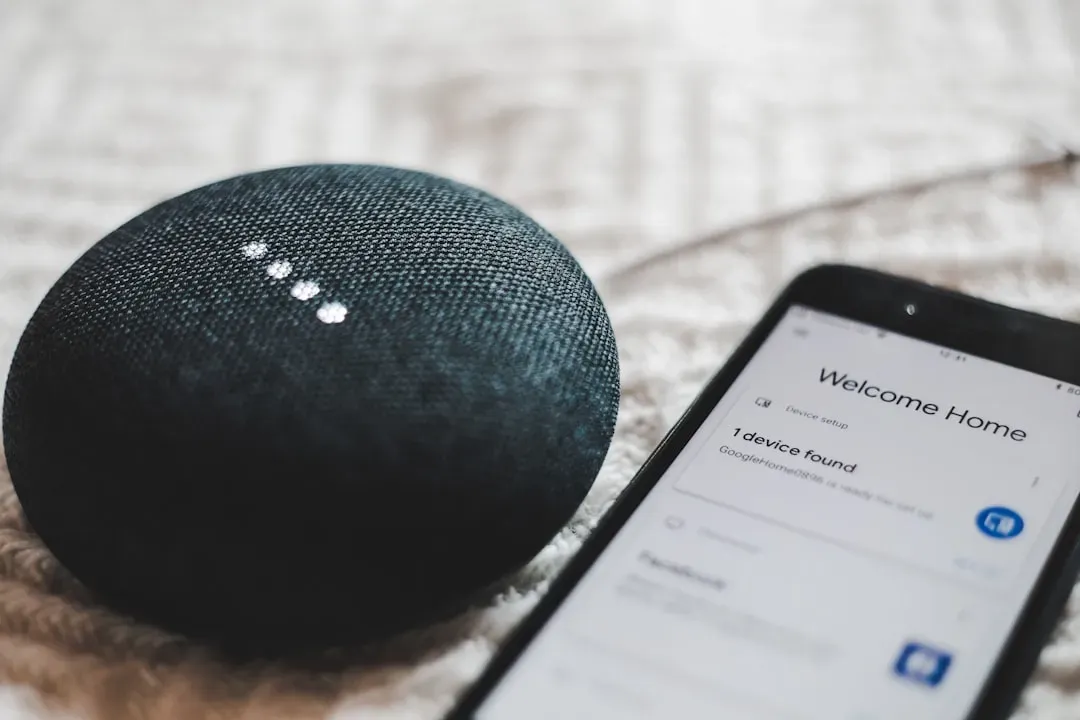
By 2026, tens of millions of U.S. homes boast these gadgets, up hugely since 2020. They control lights, play tunes, even order pizza. But that ubiquity amps up the risk if something goes wrong.
Think about it, your thermostat or TV might join the party too. Families love the ease, until privacy hits home.[1]
Privacy Panic Peaks in 2026
A fresh Copeland study nails it: 29% of all homeowners fret over data protection, up from 26% in 2022. Surveillance worries climbed to 19% too. Smart thermostat owners? A whopping 37% now sweat their data habits.[1]
Over half don’t grasp how makers use their info. Trust? It’s crumbling fast. Here’s the kicker, 59% would ditch a device sharing data without okay.[3]
Amazon’s Bold 2025 Shift
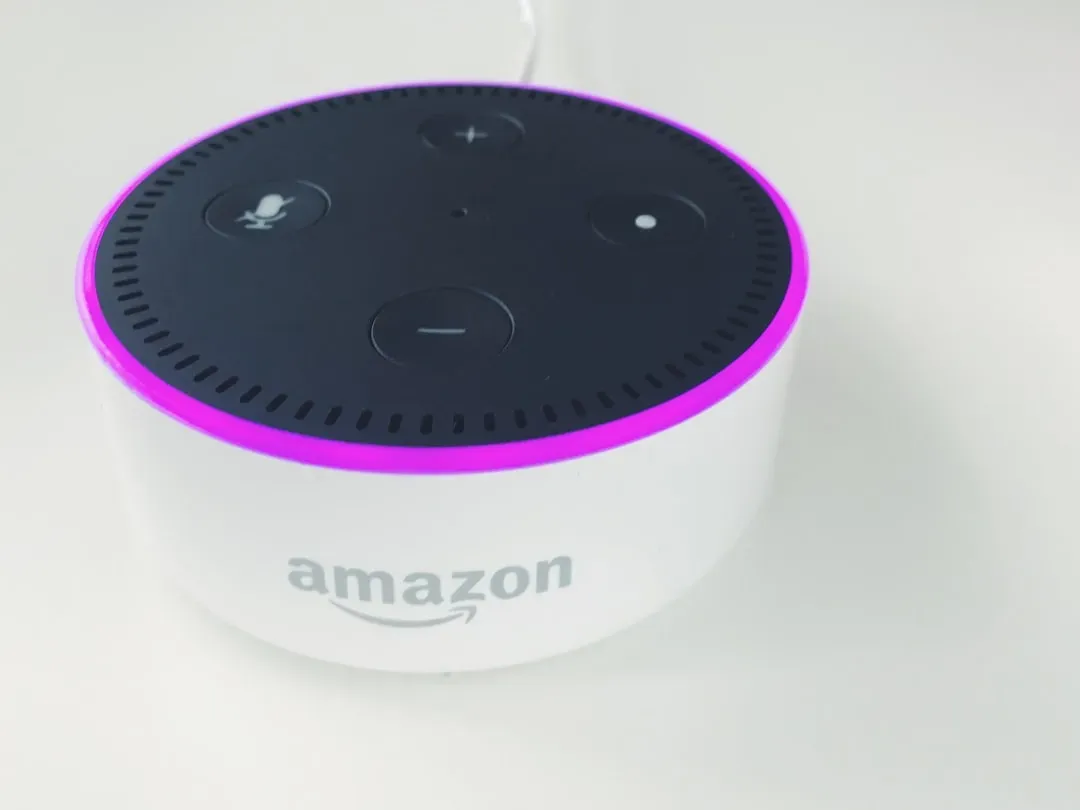
Last year, Amazon axed the “Do Not Send Voice Recordings” option on Echo devices come March 28. No more local processing, everything heads to the cloud for fancy AI tricks. Privacy buffs called foul, saying it strips control.[4]
This tweak ties into Alexa+, their chatty new AI. Encrypted or not, folks question if Big Tech deserves their voices. Muting surged post-announce, anecdotally at least.
Low usage killed the old setting, but now everyone’s rethinking reliance.
Hard Numbers on Muting Mics
Back in 2019, 40% of parents already powered down mics to block listening.[5] Fast-forward, 47% of owners say the constant ear bugs them, per 2022 data.[2] Studies hint only a fraction act, but trends point higher now.
It’s not droves yet, but with concerns boiling, expect more. Unplugging joins muting as go-to moves.
Parents Draw the Line First
Moms and dads lead, with 58% fearing hacks could spy on kids’ chats.[5] Nearly all want say over recordings and ad targeting. A third crave data limits but feel lost.
Turning off mics? That’s their shield. Kids make homes test labs for trust issues.
Surveillance Scares Spread
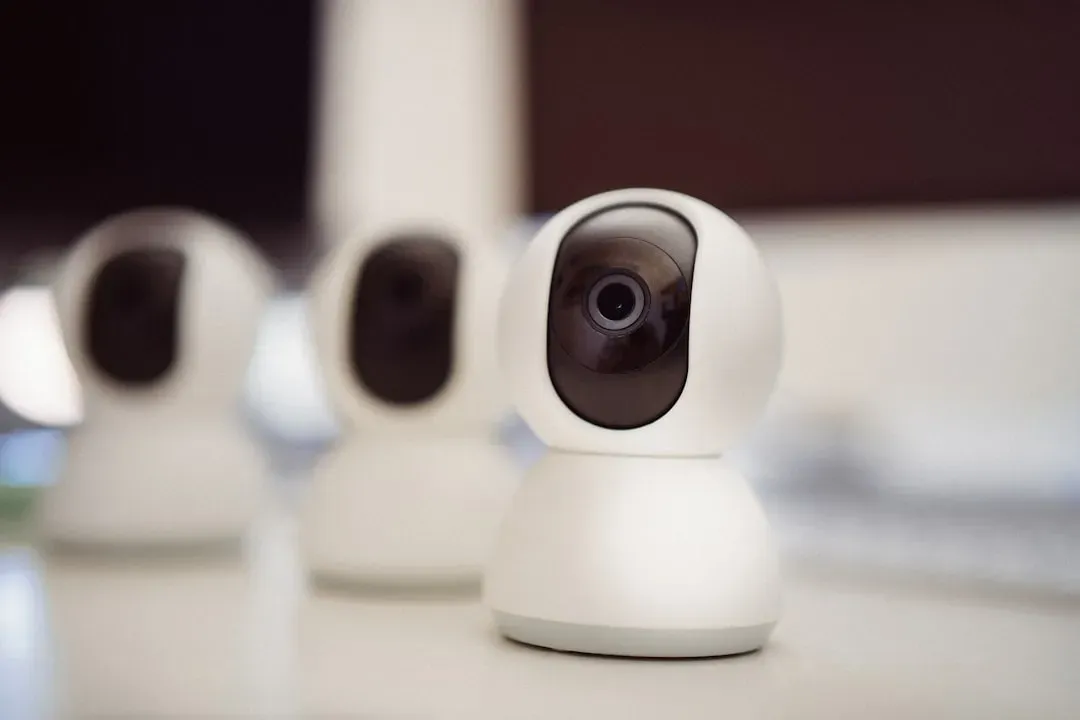
From thermostats to speakers, 19% fear Big Brother vibes in 2026.[1] Hackers eyeing home access? Over half worry there. Government ears? Still a chunk.
It’s like your fridge knows too much. This paranoia pushes buttons, literally.
Homeowners Hit Back Hard
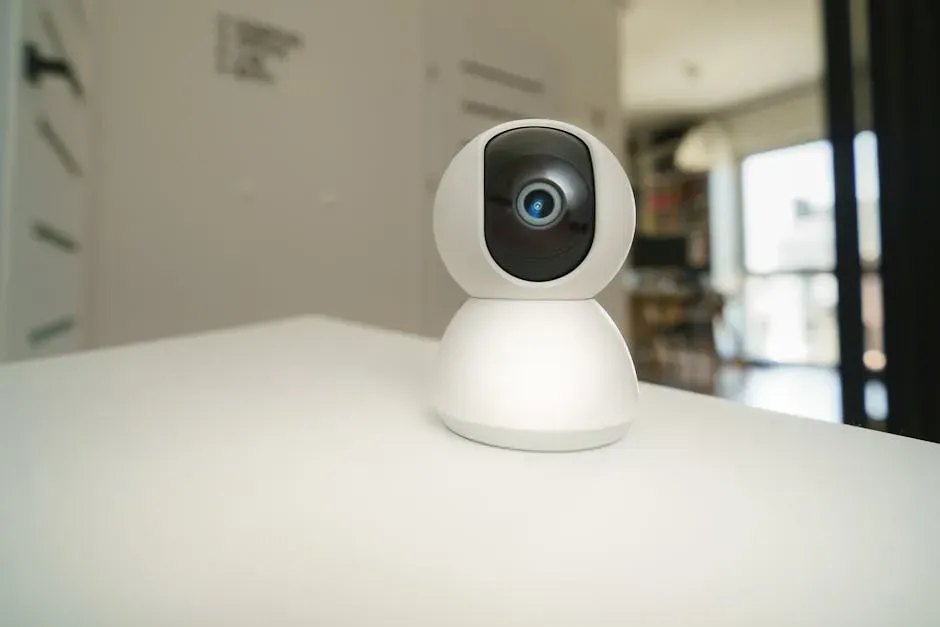
70% would swap gear for privacy champs.[1] Fewer check policies pre-buy, down to 8%. Actions? Mute, delete logs, even relocate devices.
Some go nuclear, unplugging for sensitive talks. Convenience bows to calm.
Experts Sound Alarms
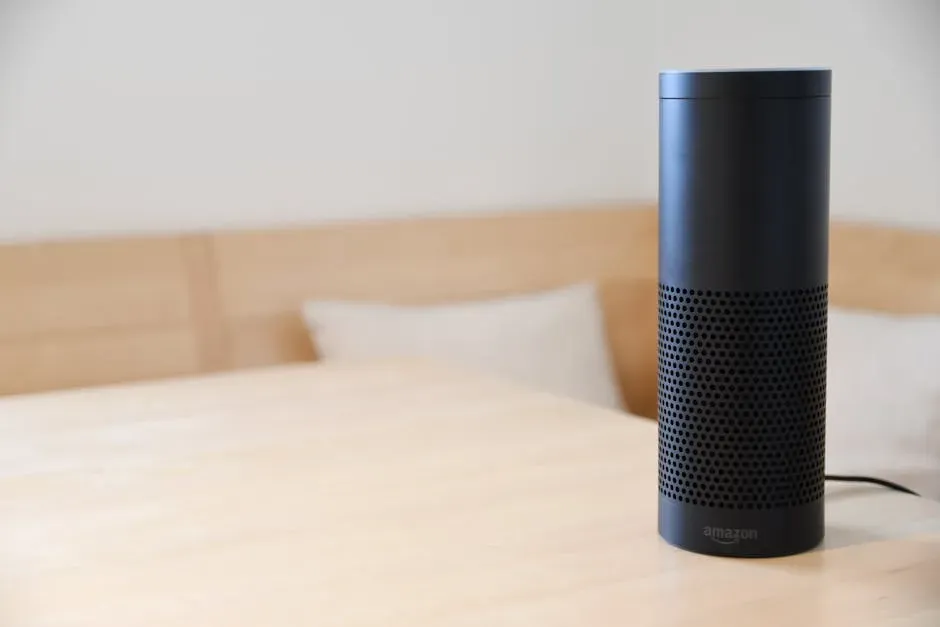
Tech voices like The Verge lament lost local options.[4] NIST probes user actions by gadget type. Patterns scream caution around voice gear.
Low control use shows mismatch. Demand grows for better toggles.
Turning the Tide in Smart Homes
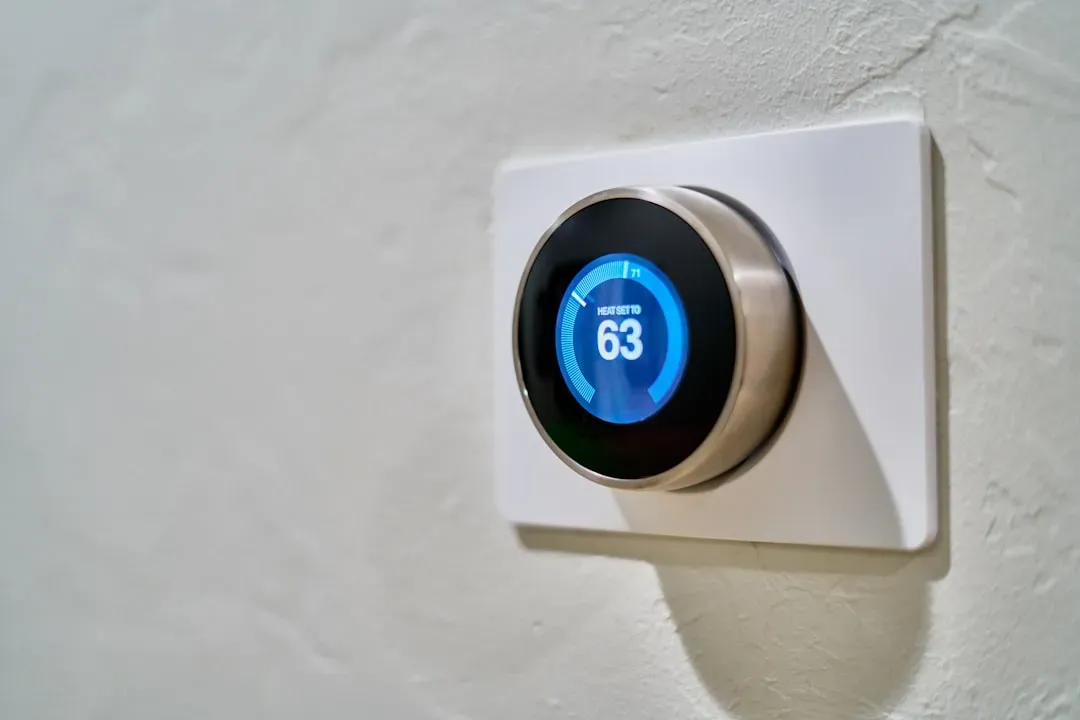
Privacy-first brands eye thermostats sans data grabs. Matter standards promise less lock-in. By late 2026, expect mute-by-default pushes.
70% readiness to switch signals change. Your house might quiet down soon. What step will you take next?[1]