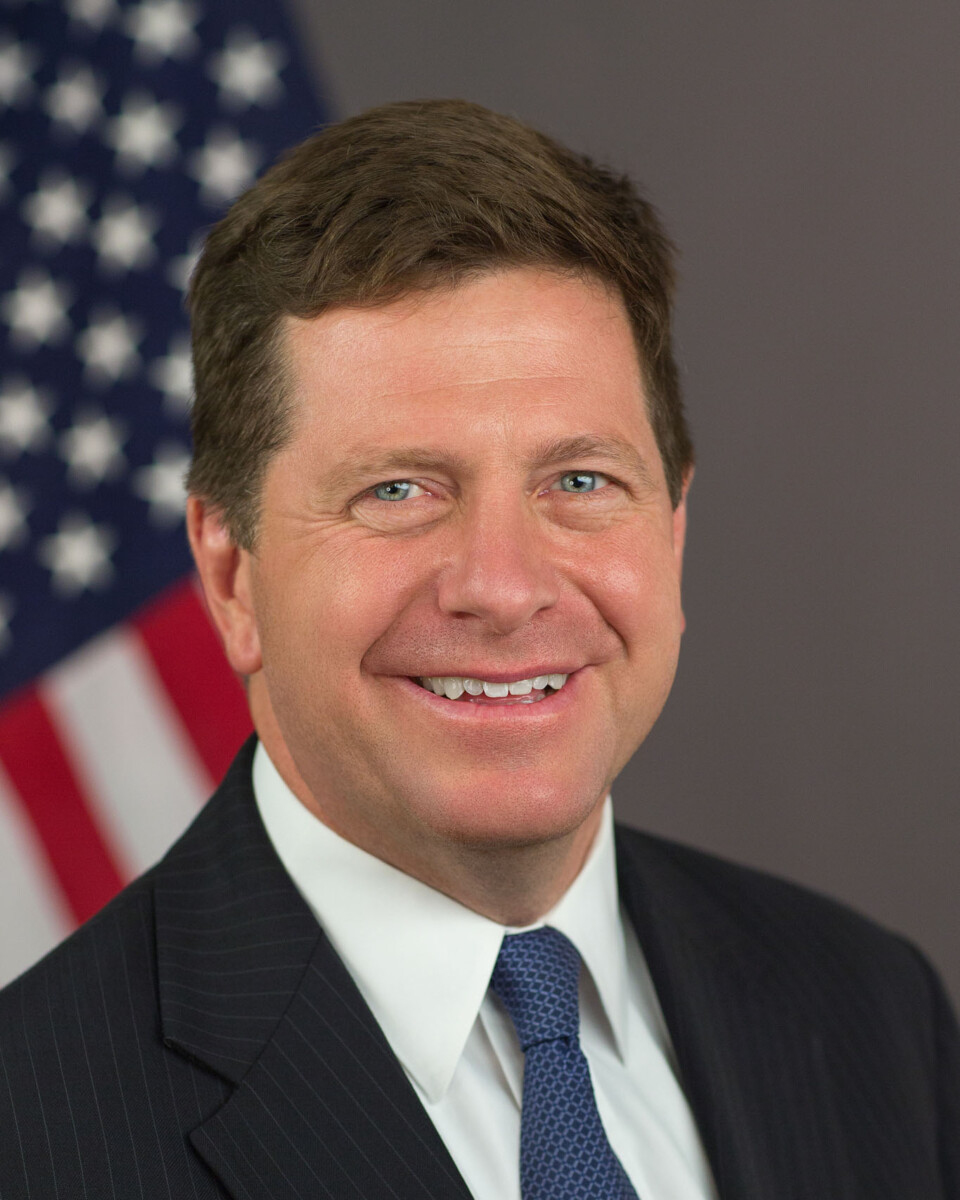


A Fresh Offensive Against Urban Crime (Image Credits: Upload.wikimedia.org)
New York City – Under the glow of city lights that never dim, federal prosecutors are gearing up for a tougher stance on the shadows lurking in public housing corridors.
A Fresh Offensive Against Urban Crime
Imagine waking up in a neighborhood where fear dictates daily routines. That’s the reality for too many in New York City’s public housing, but change is on the horizon. Jay Clayton, the Manhattan US Attorney, just laid out his plan to hit gang activity head-on, vowing to make these communities safer through federal muscle.
This isn’t just talk. Clayton’s office is shifting focus to local threats like gang violence, using stricter federal laws to prosecute cases that local systems might let slide. It’s a direct response to rising concerns in areas plagued by shootings and intimidation.
Residents have long called for this kind of intervention. With crime stats showing persistent issues despite overall drops citywide, Clayton’s approach feels like a lifeline for those tired of living on edge.
Why Public Housing is Ground Zero
Public housing in NYC isn’t just buildings; it’s home to hundreds of thousands, many families just trying to get by. Yet, these complexes often become breeding grounds for gangs due to understaffing and limited resources. Clayton zeroed in on them because that’s where federal help can make the biggest dent.
Gangs exploit these spaces for drug ops and turf wars, turning safe havens into danger zones. By targeting these spots, prosecutors aim to dismantle networks that spill violence onto broader streets. It’s about breaking cycles that trap young people before they start.
Clayton’s Warning to Local Leaders
In a pointed message, Clayton called out efforts that could weaken law enforcement. He specifically urged figures like Zohran Mamdani to back the NYPD instead of sidelining it. Undermining police, he argued, only emboldens criminals and slows progress.
This comes at a time when debates rage over policing tactics. Clayton’s stance underscores a united front: federal and local forces need to align for real results. Without that synergy, gang problems fester unchecked.
Federal Tools in the Fight
What sets this apart is the firepower of federal charges. Unlike state-level penalties, these carry heavier sentences and broader reach. Clayton’s team plans to apply them to gun crimes, drug trafficking, and corruption tied to gangs in housing projects.
Here’s how it breaks down:
- Stricter gun laws to snag traffickers early.
- Corruption probes to root out enablers within communities.
- Partnerships with NYPD for intel sharing on gang movements.
- Community outreach to prevent recruitment of at-risk youth.
- Swift prosecutions to deter would-be offenders.
These steps build on recent approvals for Clayton’s role, ensuring continuity in this push.
Challenges Ahead for the Initiative
No plan rolls out smoothly in a city as complex as New York. Budget strains and legal hurdles could slow things down. Plus, gaining trust in communities wary of over-policing will take careful navigation.
Still, early signs point to momentum. Clayton’s emphasis on collaboration might bridge gaps between feds and locals. If executed well, this could set a model for other cities grappling with similar woes.
Voices from the Streets
People in affected neighborhoods are watching closely. Some applaud the focus on safety without overreach, hoping it means fewer nights hearing sirens. Others worry about balance, wanting justice that heals rather than just punishes.
The real test will be in the outcomes. Will arrest numbers drop alongside fear levels? Clayton’s war aims for both, promising a safer tomorrow built on today’s resolve.
In the end, Jay Clayton’s initiative reminds us that fighting crime in NYC’s heart means protecting its most vulnerable corners. It’s a step toward reclaiming public spaces for everyone. What changes would you like to see in your community? Share in the comments below.
Key Takeaways
- Clayton’s focus on public housing targets gang roots directly.
- Federal laws provide tougher tools than local ones alone.
- Unity between agencies is crucial to avoid setbacks.
For more details, check out the New York Post coverage.