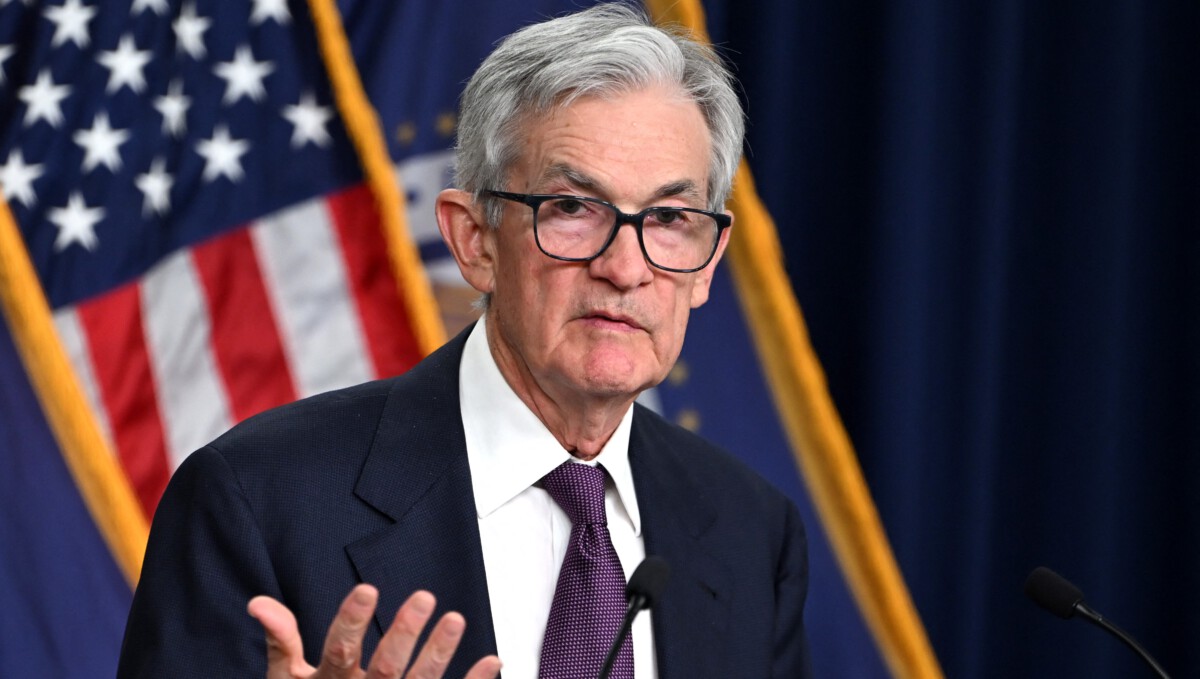
Navigating Crises: Powell’s Unexpected Rise to Prominence (Image Credits: Hollywoodlife.com)
Washington, D.C. – Federal Reserve Chair Jerome Powell’s leadership of the central bank draws to a close on May 15, 2026, marking the end of a pivotal era in U.S. monetary policy.[1][2]
Navigating Crises: Powell’s Unexpected Rise to Prominence
Jerome Powell first joined the Federal Reserve Board in 2012 as a governor. President Donald Trump nominated him as chair in 2017, and the Senate confirmed him the following year. He assumed the role amid steady economic growth but soon faced unprecedented challenges.
The COVID-19 pandemic tested his resolve early in his tenure. Powell steered the Fed through massive interest rate cuts and expansive asset purchases. Later, persistent inflation prompted aggressive rate hikes, actions that shaped global markets.
His steady communication style earned praise from some quarters, even as critics debated the pace of policy shifts. Powell’s reappointment by President Joe Biden in 2022 extended his chairmanship for another four years.[3]
Key Milestones in Powell’s Fed Tenure
Powell’s time at the Fed spans more than a decade, with distinct phases marked by economic turning points.
- 2012: Sworn in as a Board governor for a term ending in 2018.
- February 2018: Took office as the 16th Fed Chair, succeeding Janet Yellen.
- 2020: Led emergency responses to the coronavirus recession, slashing rates to near zero.
- May 2022: Sworn in for second chair term after Biden’s nomination.
- 2022–2023: Implemented the fastest rate-hiking cycle in decades to combat inflation.
- January 2026: Conducted his third-to-last policy meeting as chair.[1]
These steps highlight a tenure defined by adaptability amid volatility.
Chair Term vs. Governor Role: The Important Difference
The Federal Reserve distinguishes between the chair position and individual governor terms. Powell’s chairmanship, a four-year post, expires May 15, 2026. However, his service as a Board governor continues until January 31, 2028.[4][5]
This separation allows chairs to remain influential post-term unless they choose otherwise. Powell has indicated openness to staying on the Board. Tradition holds that chairs often step down when their leadership term ends, though no rule mandates it.[6]
Observers watch whether Powell retains a voting role on the Federal Open Market Committee beyond May.
Trump’s Nominee Ushers in Potential Policy Shift
President Trump recently nominated former Fed Governor Kevin Warsh to succeed Powell. The announcement came amid speculation about the central bank’s future direction. Warsh, who served on the Board from 2006 to 2011, brings experience from the 2008 financial crisis.[7][8]
Senate confirmation remains pending, a process that could extend into spring. Markets reacted cautiously to the news, balancing hopes for continuity against calls for fresh approaches to inflation and growth.
Key Takeaways
- Powell’s chair term definitively ends May 15, 2026, but his governor role persists until 2028.
- Kevin Warsh emerges as Trump’s choice for the next chair, pending Senate approval.
- The transition arrives as the Fed eyes rate stability amid economic uncertainties.
Powell’s departure caps a transformative period for the Federal Reserve, one that balanced crisis response with inflation control. The incoming leadership will inherit a resilient yet watchful economy. What changes do you anticipate for Fed policy? Share your thoughts in the comments.