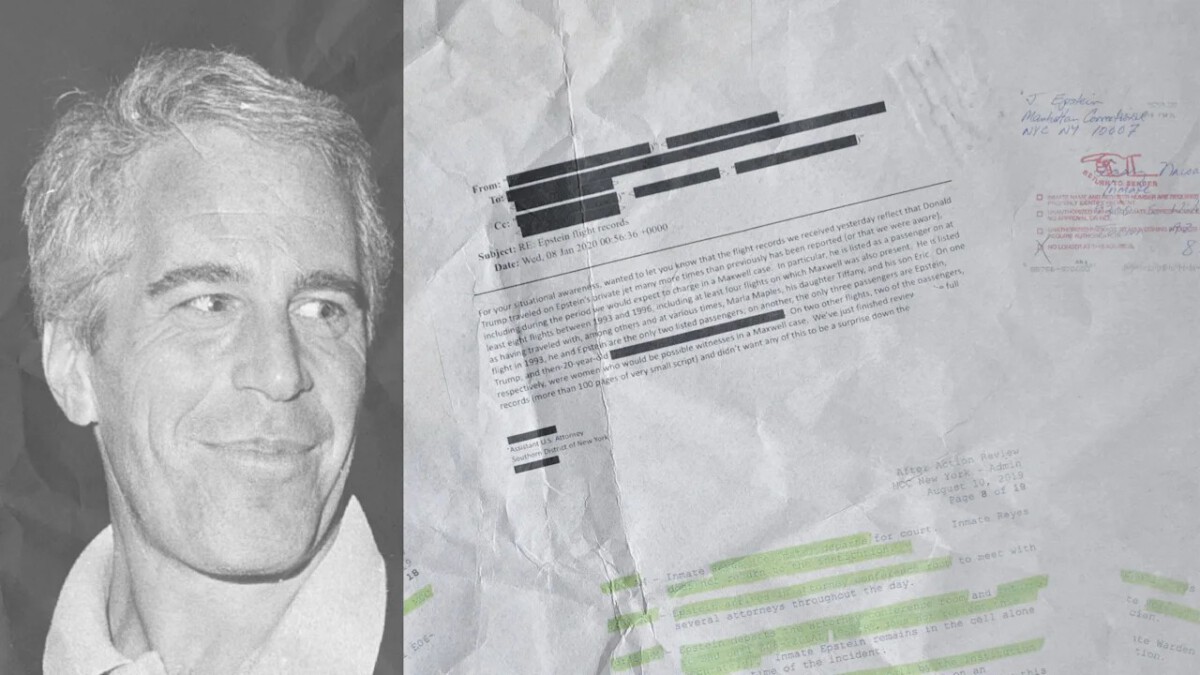

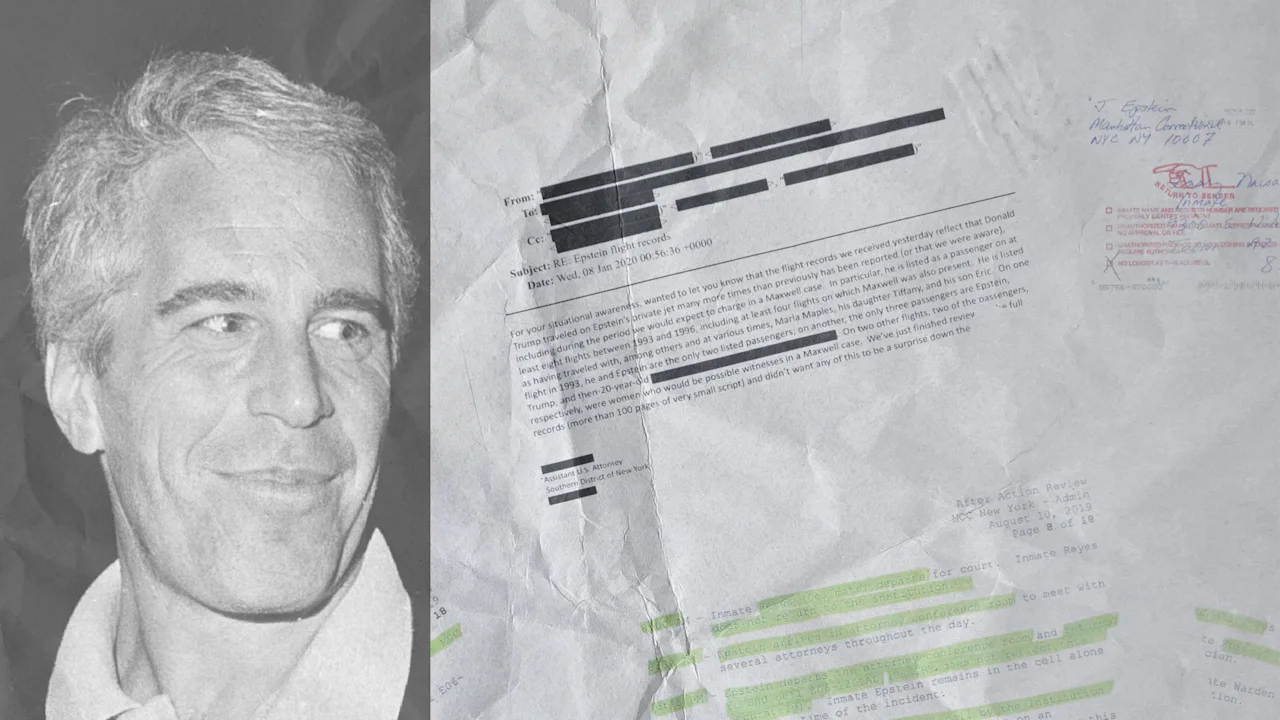
The Rise of an Immersive Archive (Image Credits: Images.fastcompany.com)
A innovative online project has transformed the sprawling, unsealed records of Jeffrey Epstein into an interactive portal that mirrors everyday digital tools, allowing users to navigate the late financier’s communications and artifacts with unsettling familiarity.
The Rise of an Immersive Archive
Developers Riley Walz and Luke Igal launched Jmail.world in recent months, beginning with a simulated Gmail interface populated by thousands of Epstein’s released emails. This setup enables seamless searching and sorting, much like checking personal correspondence. The platform quickly expanded to encompass more elements of Epstein’s digital footprint, drawing from public documents released by the Department of Justice.
By mid-December, the site incorporated JPhotos, a gallery styled after Google Photos featuring publicly available images. Additional features followed, including a Google Drive-like section for files, flight logs under JFlights, an AI chatbot named Jemini, and even a music streaming parody called Jotify. These components weave together a simulated ecosystem that invites deeper exploration of Epstein’s world, complete with government redactions intact.
Blending the Ordinary with the Ominous
At first glance, much of the content on Jmail.world appears disarmingly routine, reflecting the banality of daily online activity. Users encounter forwarded news articles, market updates, and notifications from platforms like Quora and Flipboard. Epstein’s Amazon orders reveal purchases such as back pain relief devices, underwear, and CPAP tubing replacements, painting a picture of mundane personal needs.
Photographs capture Epstein in seemingly innocuous moments: playing piano, riding horses, or petting dogs. Virtual recreations of his properties include everyday spaces like reading nooks and laundry rooms. Yet, this veneer of normalcy crumbles upon closer inspection, as the archive intersperses these elements with stark reminders of Epstein’s crimes, including redacted images of victims and communications hinting at exploitation.
Navigating Emails and Hidden Connections
The email threads stand out as the archive’s core, offering unfiltered glimpses into Epstein’s network of influential figures. Exchanges with associates like Ghislaine Maxwell and Steve Bannon discuss media strategies amid allegations. Reporters sought insights, with one 2015 message noting potential revelations tied to political polling.
Critics and admirers alike filled Epstein’s inbox; some sent threats, while others expressed disturbing support. Self-addressed notes and re-forwarded stories reveal his engagement with politics and finance. To uncover the most damning details, users must sift through volumes of material, a process that echoes investigative techniques employed by authorities.
- Political discussions often veered into speculation about public figures.
- Media outreach highlighted efforts to shape narratives around scandals.
- Personal missives blended affection with enabling tones from contacts.
- Redacted sections obscure sensitive victim information.
- Everyday spam contrasts sharply with high-stakes correspondence.
Broader Implications for Public Access
Jmail.world addresses frustrations with the DOJ’s raw file dumps, which arrived without user-friendly organization in late December. The platform’s familiar interfaces lower barriers, making the Epstein files more accessible to journalists, researchers, and the public. It verifies content against official sources, ensuring transparency while suspending disbelief for an immersive experience.
Critics argue the setup risks sensationalizing tragedy, yet proponents see it as a tool for accountability. The project avoids fabricating details, sticking to verified releases that span emails, photos, and logs. This approach democratizes scrutiny of one of history’s most notorious cases, prompting reflection on digital privacy and elite influence.
Key Takeaways
- Jmail.world reimagines public records as intuitive digital tools, enhancing searchability without altering facts.
- The archive reveals a mix of trivial and troubling elements, underscoring the complexity of probing past crimes.
- By making dense files approachable, it empowers independent verification amid ongoing demands for transparency.
As Jmail.world continues to evolve, it serves as a stark reminder that even the most powerful figures leave trails of digital detritus – mundane, incriminating, or both – that outlast them. This project not only preserves history but challenges users to confront uncomfortable truths. What insights have you uncovered in similar archives, and how might they shape public discourse? Share your thoughts in the comments.