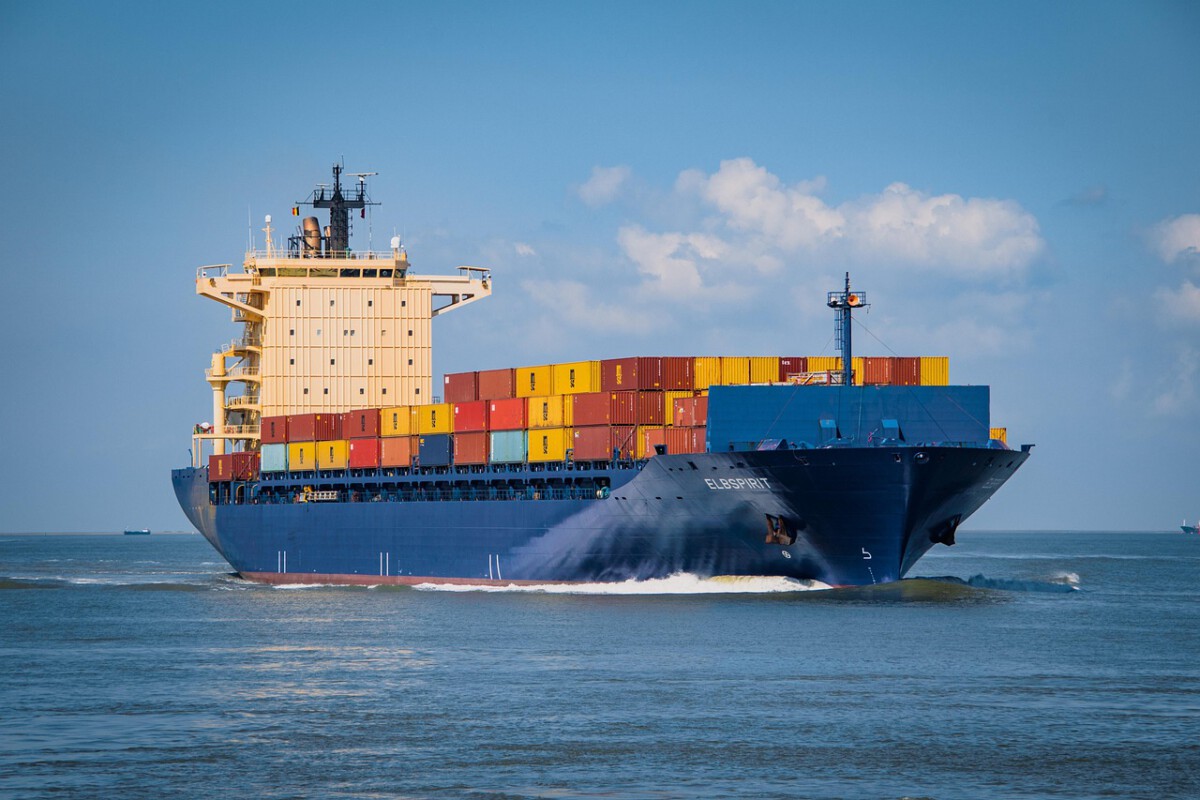
The Jones Act’s Enduring Legacy from World War I (Image Credits: Pixabay)
Washington – The ongoing war between the U.S., Israel, and Iran has triggered widespread disruptions in energy markets and global supply chains. In response, the Trump administration announced a 60-day suspension of the Jones Act on Wednesday. This move seeks to ease shipping constraints for vital commodities like oil and natural gas as prices surge worldwide.
The Jones Act’s Enduring Legacy from World War I
German U-boats nearly wiped out America’s merchant fleet during World War I, prompting Congress to enact the Merchant Marine Act of 1920, commonly known as the Jones Act. Sponsored by Senator Wesley Jones of Washington state, the legislation aimed to rebuild and protect the domestic shipping industry. It mandated that all cargo and passengers transported between U.S. ports travel on American-built, American-owned vessels crewed by U.S. citizens.
Proponents argued the law ensured a ready merchant marine for national defense in future conflicts. Supporters, including shipping firms, labor unions, and security experts, have defended it for over a century. However, the exclusion of foreign vessels has long raised costs, particularly for island states like Hawaii and Puerto Rico that rely heavily on sea transport.
War-Driven Disruptions Spark the Waiver Decision
Tanker traffic through the Strait of Hormuz ground to a near halt, forcing major Middle Eastern producers to slash output. Commercial vessels carrying everything from pharmaceuticals to electronics faced delays or attacks, compounding the chaos. Brent crude climbed to nearly $109 a barrel on Wednesday, up sharply from about $70 before the conflict erupted, while U.S. crude reached roughly $98.
National average gasoline prices hit $3.84 per gallon for regular unleaded, according to AAA, reflecting an increase of about 86 cents since the war began. The White House confirmed last week it was considering the suspension, which President Trump described as restrictive. Press secretary Karoline Leavitt stated the waiver would “mitigate the short-term disruptions to the oil market” and “allow vital resources like oil, natural gas, fertilizer, and coal to flow freely to U.S. ports.”
Will This Lower Gas Prices or Just Shuffle Costs?
Several dynamics influence pump prices, and experts caution that the waiver offers no panacea. The Center for American Progress calculated it might trim East Coast gasoline costs by 3 cents per gallon but could elevate them on the Gulf Coast. Critics warned it would sideline U.S. shipbuilders and workers while letting oil companies pocket savings from cheaper transport.
Other initiatives aim to bolster supply. The Treasury Department eased sanctions to permit U.S. firms to engage with Venezuela’s state oil company. The administration also temporarily lifted restrictions on Russian oil. Meanwhile, the International Energy Agency committed to releasing 400 million barrels from member stockpiles—its largest emergency draw ever—with the U.S. contributing 172 million barrels from its Strategic Petroleum Reserve over 120 days.
- Strait of Hormuz blockade halts most tanker movements.
- Middle East production cuts exacerbate shortages.
- Global commodity trading amplifies U.S. exposure despite net exporter status.
- East/West Coast refineries need imported heavy crude.
- New supplies require time to reach consumers via refineries.
Stakeholder Reactions Highlight Deep Divisions
The American Maritime Partnership, representing vessel owners, unions, and related industries, expressed deep concern. The group feared the waiver could be abused, displacing American workers and companies. It emphasized that the action would provide minimal relief for consumer fuel bills.
Analysts described the measures as a short-term bridge, noting refineries purchase crude months ahead. Prolonged conflict could intensify price pressures further. The U.S. remains vulnerable as a global oil trader, even as a net exporter, because domestic refineries favor heavier imported grades over lighter home production.
Key Takeaways:
- The 60-day waiver targets domestic shipping bottlenecks for energy resources.
- Oil prices have surged amid Hormuz disruptions and production cuts.
- Broader efforts include sanctions relief and massive reserve releases.
This suspension underscores the delicate balance between national security, economic protectionism, and crisis response. While it may unlock some supply flexibility, lasting relief hinges on resolving the Iran conflict. What impact do you foresee on your fuel costs or local economy? Share your thoughts in the comments.