

A Sudden Halt, Now Suddenly Overturned (Image Credits: Unsplash)
In the quiet hum of a federal courtroom, a decision rippled out that could reshape America’s push toward renewables, cutting through the political gusts like a steady breeze.
A Sudden Halt, Now Suddenly Overturned
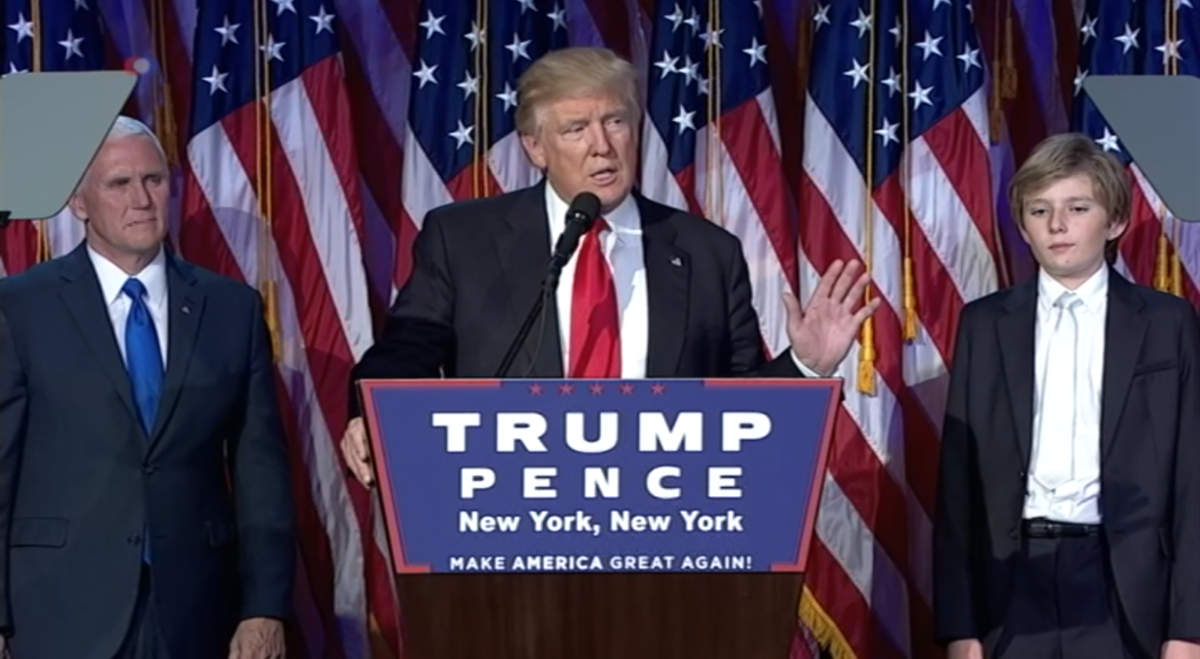
Picture this: just days after taking office, President Trump issues an executive order slamming the brakes on all new wind energy projects on federal lands and waters. It was meant to protect against what he called environmental risks, but critics saw it as a gift to fossil fuels. Fast forward to yesterday, and a federal judge in Massachusetts calls the whole thing illegal.
Judge Patti Saris didn’t mince words. She labeled the order “arbitrary and capricious,” saying it violated key laws like the Administrative Procedure Act. This ruling comes after 17 states, led by New York’s attorney general, sued to keep clean energy moving forward.
The impact? Immediate. Federal agencies must now resume processing wind farm permits, potentially unlocking billions in investments and thousands of jobs.
Why Wind Energy Became a Battleground
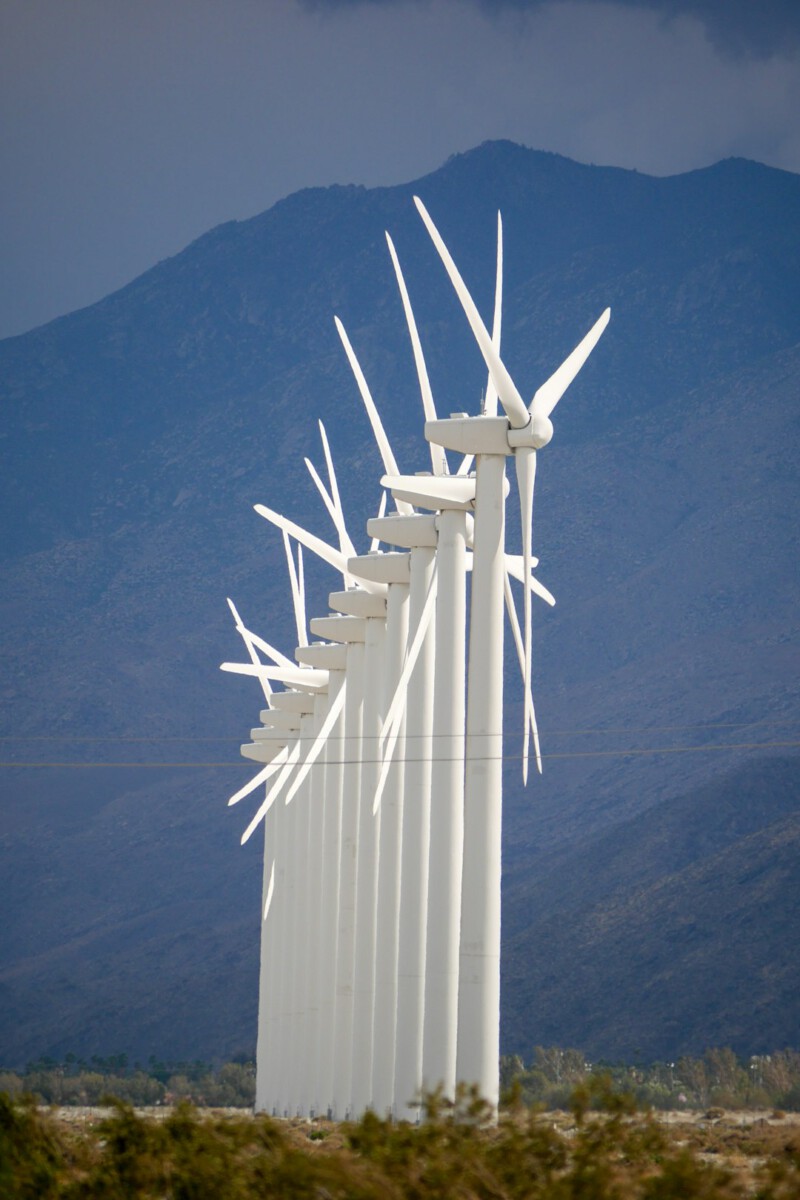
Wind power has been a cornerstone of the U.S. renewable boom, powering homes from coast to coast without the emissions of coal or gas. Offshore projects, in particular, promise massive output – enough to light up cities. Yet Trump’s order froze leasing and development, citing vague concerns over wildlife and construction hazards.
Environmental groups and states argued this was a step backward, especially as climate threats like stronger storms loom larger. The lawsuit highlighted how the ban ignored scientific backing for safe wind tech and could spike energy costs for families.
Now, with the judge’s gavel, the industry breathes easier, but questions linger about long-term stability in a divided Washington.
The States That Stood Up
Leading the charge were attorneys general from blue states like California and New York, but the coalition crossed lines, including some with Republican leanings. They pointed to economic hits: delayed projects mean lost revenue and higher bills from dirtier energy sources.
For instance, East Coast states rely on offshore wind to meet green goals and create blue-collar jobs in manufacturing and installation. The ban threatened to derail deals already in motion, frustrating investors and locals alike.
This united front shows how energy policy can bridge divides when jobs and the environment are at stake.
Trump’s Order: Bold Move or Overreach?
From the start, the executive order faced backlash for bypassing standard reviews. Trump framed it as safeguarding against “unreliable” renewables, but opponents said it was rushed and lacked evidence. No environmental impact studies, no public input – just a blanket stop.
The judge agreed, noting agencies tried to enforce it without proper justification. This echoes past court smackdowns on hasty policies, reminding leaders that even presidents can’t sidestep the law.
Still, supporters cheer the pause, worried about turbine failures in high winds or bird strikes. The debate rages on, blending politics with practical concerns.
What’s at Stake for America’s Energy Future
Wind energy isn’t just about turbines spinning in the breeze; it’s key to hitting net-zero targets and cutting reliance on foreign oil. The U.S. has world-class winds off its shores, ripe for harnessing. Blocking them could mean more blackouts during peak demand or pricier imports.
Post-ruling, expect a flurry of applications. Developers like those in the Vineyard Wind project off Massachusetts could accelerate, bringing power to the grid sooner. Yet hurdles remain, from supply chain snags to local opposition.
One silver lining: this decision reinforces that clean energy isn’t a partisan toy – it’s essential infrastructure.
Broader Ripples in Policy and Power
Beyond wind, this ruling tests how far executive orders can go in reshaping regulations. It might embolden challenges to other Trump initiatives on climate and energy. Meanwhile, the wind sector eyes growth, with projections for 30 gigawatts online by 2030 if red tape clears.
Challenges could arise, like appeals to higher courts, but for now, momentum swings toward renewables. States are already planning next steps, from auctions to infrastructure builds.
- Faster permitting for offshore farms
- Boost to manufacturing hubs in the Midwest
- Potential savings on energy bills through competition
- Steps toward energy independence
- Alignment with global climate pacts
Key Takeaways
- The ruling vacates the order, restoring normal permitting processes.
- 17 states’ lawsuit proves collaborative wins in policy fights.
- Wind power’s role in resilient grids grows amid weather extremes.
As this chapter closes on Trump’s wind ban, the real story is how America balances innovation with caution in the face of changing climates. Clean energy just got a fighting chance – will it deliver? What do you think about this ruling’s long-term effects? Share in the comments below.