

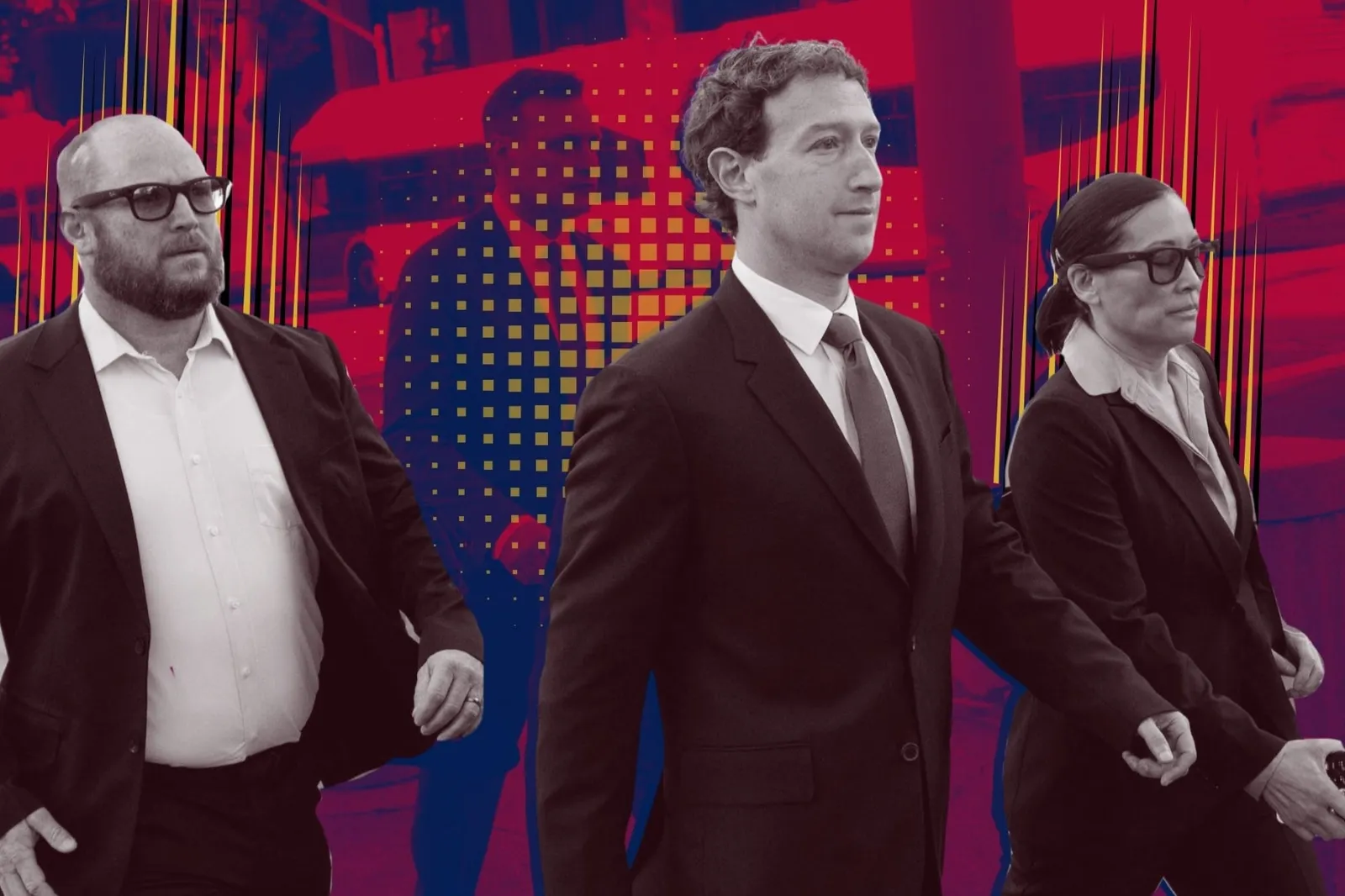
A Bold Accessory Choice Draws Ire (Image Credits: Entrepreneur.com)
Los Angeles – Tension escalated in a high-profile courtroom when members of Mark Zuckerberg’s entourage arrived wearing the company’s AI-equipped smart glasses amid a trial scrutinizing social media’s effects on youth.[1][2]
A Bold Accessory Choice Draws Ire
The incident unfolded as Zuckerberg prepared to testify. Flanking the Meta CEO were his longtime executive assistant Andrea Besmehn and an unidentified man, both sporting Meta Ray-Ban glasses capable of recording video and photos.[1] These devices, priced from $299 to $799, represent Meta’s push into wearable AI technology.[2]
Judge Carolyn Kuhl quickly intervened. She ordered everyone in the courtroom wearing the AI glasses to remove them immediately and warned against using any recording features.[2] The judge emphasized the gravity of the situation, stating it was “very serious” and prohibiting facial recognition to identify jurors.[3]
She further directed that any recordings must be deleted, threatening contempt charges for noncompliance. “If you have done that, you must delete that, or you will be held in contempt of the court,” Kuhl declared, according to reports.[3] Recording devices remain strictly banned in Los Angeles County Superior Court proceedings.[2]
Landmark Case Targets Social Media Giants
The trial centers on allegations that Meta’s Instagram and Facebook, along with Alphabet’s YouTube, intentionally crafted addictive features to hook young users. Plaintiff K.G.M., now 20, claims the platforms exacerbated her depression and suicidal thoughts after she began using them as a child.[1][4]
TikTok and Snap settled their portions of the multidistrict litigation, leaving Meta and Google as primary defendants. The case, now in its second week, could influence nationwide efforts to regulate tech firms’ youth protections and is projected to last at least six weeks.[4]
- Focus on design elements like infinite scrolling and notifications alleged to promote compulsive use.
- Examination of internal documents revealing executive discussions on teen engagement.
- Broader claims of prioritizing growth over mental health safeguards.
- Testimony from former employees expected soon.
- Parents of affected youth attended, observing proceedings closely.
Zuckerberg Faces Tough Questioning
Zuckerberg testified for approximately eight hours in a measured tone. Attorneys pressed him on decisions such as declining to permanently ban Instagram’s AR beauty filters, which some argued promoted harmful body image standards.[4]
He defended Meta’s approach, insisting choices relied on research showing insufficient evidence of harm. The CEO stressed balancing user expression with safety, noting restrictions required “quite clear evidence.”[4] He arrived in a navy suit, navigating past advocates and media without the controversial eyewear himself.[1]
Privacy Concerns Amplify Tech Scrutiny
The glasses episode underscores rising tensions over wearable tech in sensitive settings. Meta’s Ray-Bans, whose sales tripled in 2025, embody the firm’s AI vision but have sparked prior courtroom issues, including a reporter’s reprimand last year.[1]
Critics view the entourage’s choice as tone-deaf amid privacy worries and addiction claims. One observer called it an “extraordinary misstep.”[2] Meta declined comment on the matter.
Key Takeaways
- Judge Kuhl banned AI glasses to protect proceedings and juror anonymity.
- Trial highlights ongoing battles over social media’s role in youth mental health.
- Meta’s wearable push collides with legal and ethical boundaries.
This clash signals deeper challenges for tech leaders defending innovations under public glare. As the trial progresses, will such moments sway jurors toward reform? What do you think about it? Tell us in the comments.