A Striking Celestial Duo Awaits at Dusk (Image Credits: Pixabay)
Skies across the globe clear up after sunset on January 30, 2026, to reveal the near-full moon shining alongside brilliant Jupiter in the constellation Gemini.[1]
A Striking Celestial Duo Awaits at Dusk
The moon, just two days shy of its full phase on February 1, will dominate the eastern horizon as twilight fades. Jupiter, the largest planet in our solar system, appears as a steady, untwinkling point of light less than five degrees to the lower right of the lunar disk – about the span of three fingers held at arm’s length.[1] Nearby, the bright stars Castor and Pollux frame the scene to Jupiter’s left, marking the Twins of Gemini.
This conjunction offers a perfect opportunity for casual skywatchers. The pair rises higher as the night progresses, crossing overhead before setting in the west shortly before dawn on January 31. Clear winter air often sharpens such views, making colors and details pop against the dark backdrop.
Unlock Hidden Details with Binoculars and Telescopes
Grab a pair of 10×50 binoculars to capture both the moon and Jupiter in one field of view. The moon’s surface reveals dark seas, rugged craters, and bright ejecta rays – streaks of reflective material from ancient asteroid impacts that scarred the lunar terrain millions of years ago.[1]
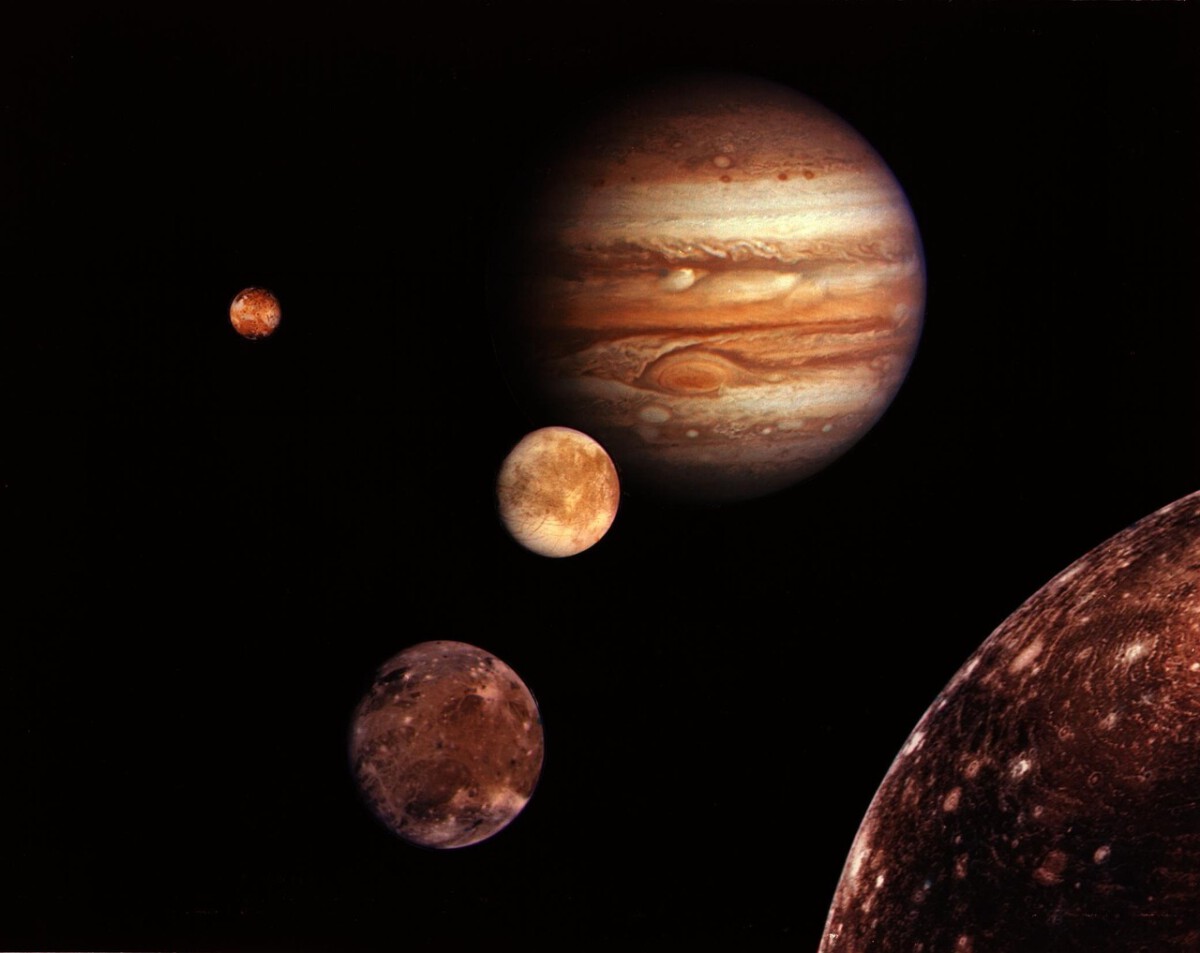
A telescope boasting at least a six-inch aperture dives deeper into Jupiter’s atmosphere. Observers spot swirling cloud bands and the four Galilean moons – Io, Europa, Ganymede, and Callisto – aligned to the right of the planet’s disk on this night. Jupiter reaches opposition this month, placing it opposite the sun for peak brightness and best visibility all evening.[1]
Prime Viewing Tips for Maximum Impact
Head outside right at sunset for the lowest horizon vantage. Even from urban areas, the moon’s glow overcomes light pollution, though rural spots yield sharper stars. Patience pays off as the duo climbs, avoiding early evening haze.
Check local weather for clear skies. Apps like Stellarium or SkySafari simulate the exact positions from your location. Steady your optics on a tripod for prolonged gazes.
- Direction: East at sunset, shifting south then west overnight.
- Separation: Under five degrees between moon and Jupiter.
- Moon phase: 98% illuminated, waxing gibbous.
- Bonus stars: Castor and Pollux nearby in Gemini.
- Duration: Visible until pre-dawn on January 31.
Why This Pairing Captivates Astronomers
Jupiter’s prominence stems from its opposition timing, flooding night skies with reflected sunlight. The moon’s proximity adds scale, highlighting how vast space truly spans. Ejecta rays remind viewers of the moon’s violent past, with debris from basin-forming strikes still catching light.
Such events recur but align uniquely each year. January’s crisp nights enhance contrast, drawing eyes upward amid winter’s chill.
Key Takeaways
- Look east post-sunset for moon-Jupiter less than fist-width apart.[1]
- Binoculars reveal lunar craters and rays; telescopes show Jupiter’s moons and bands.
- Best from dark sites, but moon aids urban viewing.
This fleeting alignment invites everyone to connect with the cosmos. Step outside tonight – what celestial wonders will you discover? Share your sightings in the comments.