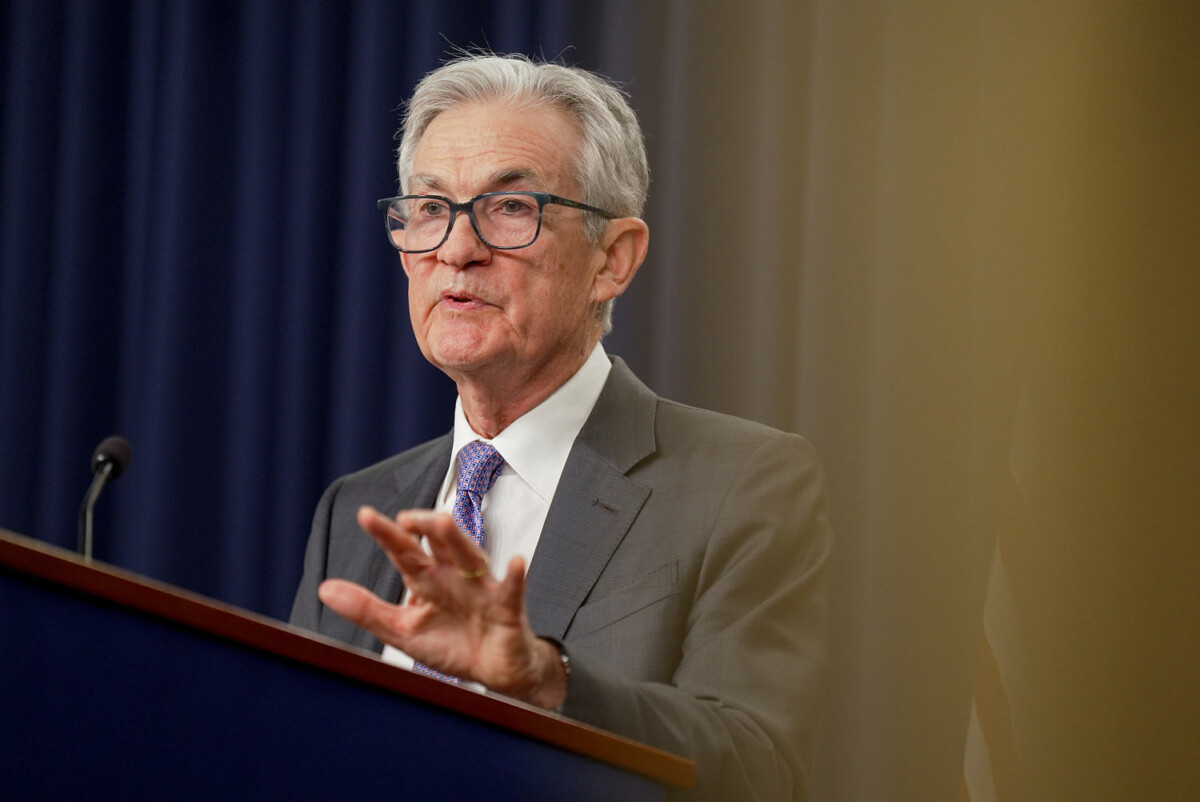

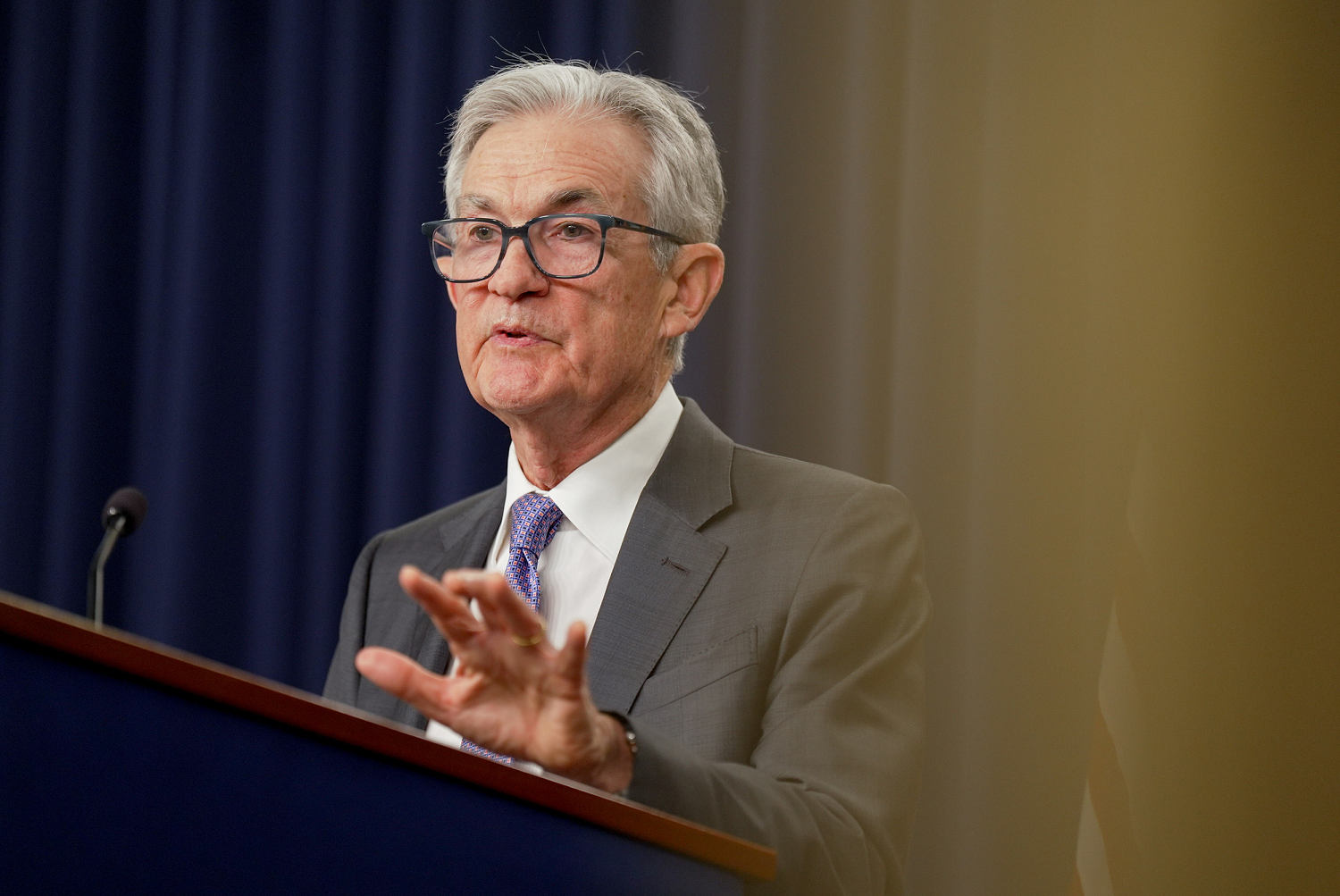
A Dramatic Escalation in Federal Tensions (Image Credits: Media-cldnry.s-nbcnews.com)
The Federal Reserve confirmed it received subpoenas from the Justice Department on Friday, marking a sharp turn in the intensifying standoff between the central bank and the Trump administration.
A Dramatic Escalation in Federal Tensions
In an unprecedented development, the Justice Department served grand jury subpoenas on the Federal Reserve, directly threatening Chair Jerome Powell with a criminal indictment. This action followed Powell’s Senate testimony regarding renovations to the Fed’s headquarters in Washington. Officials described the probe as centered on potential discrepancies in that testimony, though broader motivations appear tied to policy disputes.
Powell addressed the matter publicly on Sunday, emphasizing the central bank’s commitment to its independence. The subpoenas arrived amid a yearlong campaign by the Trump administration to influence monetary policy decisions. Federal Reserve representatives noted that the inquiry could disrupt ongoing operations, raising concerns among economists about the separation of powers.
Roots of the Ongoing Pressure Campaign
The conflict traces back to repeated demands from President Trump for the Federal Reserve to lower interest rates, a move Powell and the board resisted to maintain economic stability. Administration officials viewed this stance as defiance, leading to heightened scrutiny of the Fed’s internal affairs. Renovations to the headquarters, initially estimated at a lower cost, became a focal point after Powell’s congressional appearance.
Throughout the past year, public statements and policy clashes highlighted the friction. Trump criticized the Fed’s approach as hindering growth, while Powell defended the institution’s mandate to prioritize long-term inflation control over short-term political goals. This probe represents the most aggressive step yet, shifting from rhetoric to legal action.
Powell’s Defiant Stance and Fed’s Position
Powell labeled the Justice Department’s move as “unprecedented” during his remarks, underscoring the potential threat to the Federal Reserve’s autonomy. He reiterated that the central bank would cooperate fully while safeguarding its operational integrity. Internal Fed communications, as reported, show preparations to respond without compromising core functions.
The board of governors expressed unified support for Powell, viewing the subpoenas as an attempt to undermine their decision-making authority. Legal experts outside the Fed suggested that such investigations into testimony could set a dangerous precedent for other independent agencies. Powell’s leadership, tested by these events, now faces its sternest challenge since his appointment.
Implications for Markets and Policy
Financial markets reacted cautiously to the news, with initial volatility in bond yields reflecting uncertainty over future rate decisions. Investors worry that prolonged legal battles could erode confidence in the Fed’s impartiality, potentially affecting borrowing costs and economic forecasts. Analysts pointed to the risk of politicized monetary policy, which historically leads to instability.
Beyond immediate market jitters, the probe raises questions about the balance between executive influence and institutional independence. Lawmakers from both parties voiced concerns, with some calling for congressional oversight to prevent further erosion of checks and balances. The situation underscores the delicate interplay between fiscal policy and central banking in times of political division.
In this high-stakes confrontation, the Federal Reserve’s ability to navigate legal and political pressures will shape the trajectory of U.S. economic governance. As the probe unfolds, stakeholders must weigh the costs of interference against the benefits of accountability. What implications do you see for the economy? Share your thoughts in the comments.
Key Takeaways
- The Justice Department subpoenaed the Fed over Powell’s testimony on headquarters renovations, threatening criminal charges.
- This stems from a year of Trump administration efforts to force lower interest rates, which the Fed rejected.
- Powell described the action as unprecedented, vowing to protect the central bank’s independence.