A Poetic Prelude to Deep Space (Image Credits: Pexels)
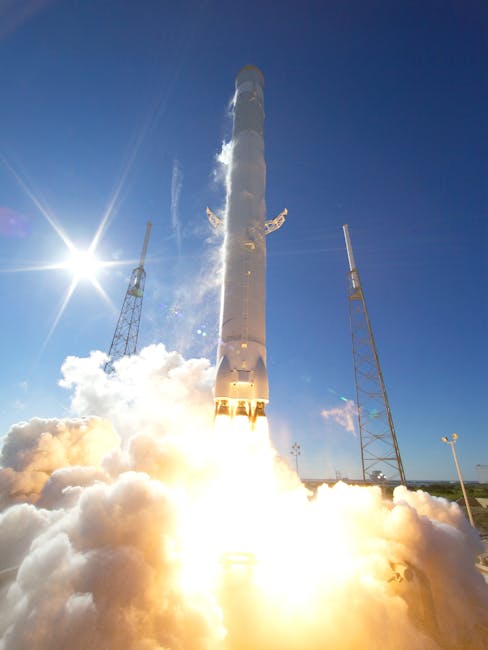
The sun rose over Launch Pad 39B on March 24, casting a long shadow from NASA’s towering Space Launch System rocket stacked with the Orion spacecraft. This evocative scene unfolded just days before the Artemis 2 mission’s targeted launch on April 1, marking the first crewed flight to the Moon in more than five decades.[1][2] Technicians had rolled out the stack to the pad earlier that month following repairs in the Vehicle Assembly Building. The image symbolizes the dawn of a new chapter in human space exploration.
A Poetic Prelude to Deep Space
The photograph, captured by NASA photographer Ben Smegelsky, highlighted the 322-foot SLS rocket standing sentinel against the early morning sky. Teams had secured the mobile launcher and connected critical power and communications systems in preparation for the crew’s arrival.[1] This moment arrived after a series of rigorous tests, including wet dress rehearsals that addressed minor leaks and flow issues.
Engineers installed the emergency egress system and extended the crew access arm, ensuring safe ingress for the astronauts. Such details underscored the meticulous work at Kennedy Space Center leading into the countdown. The rollout on March 20 capped months of stacking and integration that began in late 2024.[3]
Artemis 2: Charting a Lunar Flyby
NASA scheduled Artemis 2 for no earlier than April 1 at 6:24 p.m. EDT, with a series of two-hour launch windows extending through early April.[4][3] The 10-day mission followed a free-return trajectory around the Moon, approaching within about 4,700 miles of its far side. Orion would perform systems checkouts, life support tests, and proximity operations with the Interim Cryogenic Propulsion Stage.
Secondary payloads included CubeSats from international partners to study radiation and space weather. The crew planned optical communications tests achieving up to 260 megabits per second. Reentry targeted speeds near 25,000 miles per hour into the Pacific Ocean off San Diego.[2][3]
- Lunar flyby closest approach: Approximately 4,047 miles from the surface.
- Deep space milestones: First crewed Orion flight and SLS crewed debut.
- Health studies: AVATAR tissue analogs and ARCHAR biomarkers for crew monitoring.
- Reentry profile: Steeper angle to address heat shield concerns from Artemis I.
- Splashdown: Recovered by U.S. Navy vessel.
The Crew Ready for History
Commander Reid Wiseman led the team on his second spaceflight, with Pilot Victor Glover also returning for his second mission. Mission Specialists Christina Koch and Jeremy Hansen rounded out the quartet, the latter representing the Canadian Space Agency on his first flight.[1][3] The astronauts entered quarantine in Houston on March 18 before heading to Florida.
Backups included Andre Douglas for NASA crew members and Jenni Gibbons for Hansen. Glover stood to become the first person of color on a lunar mission, Koch the first woman, and Hansen the first non-U.S. citizen beyond low Earth orbit. Their journey would surpass Apollo-era distance and speed records.
Launch Momentum Builds
Weather forecasters predicted an 80 percent chance of favorable conditions for April 1, though clouds and winds posed potential concerns.[5] NASA planned to initiate the countdown clock on Monday at 4:44 p.m. EDT, following a call to stations. A news conference featured key leaders including the launch director and flight director.
Earlier challenges included a liquid hydrogen leak during a February rehearsal and a helium issue, prompting a rollback for fixes. Technicians confirmed Orion’s heat shield integrity after adjustments. Pad-specific tests covered ordnance and flight termination systems.[3]
| Key Milestone | Date |
|---|---|
| Rocket Rollout to Pad | March 20, 2026 |
| Crew Quarantine Start | March 18, 2026 |
| Target Liftoff | April 1, 2026 |
| Projected Splashdown | April 10, 2026 |
Toward Sustainable Lunar Presence
Artemis 2 paved the way for Artemis III’s planned lunar landing in 2028 and eventual Mars missions. It validated deep space operations for Orion and SLS, building on the uncrewed Artemis I from 2022. International collaboration shone through Hansen’s role and European Service Module contributions.
The mission emphasized crew health beyond the Van Allen belts and advanced communications. Success would certify systems for sustained Moon exploration.
Key Takeaways
- Artemis 2 launches the first humans toward the Moon since 1972 on SLS Block 1 and Orion.
- Four astronauts will flyby the Moon at record distances before Pacific splashdown.
- 80% favorable weather supports April 1 NET liftoff from Pad 39B.
As the SLS rocket awaited its moment under Florida’s skies, Artemis 2 promised to reignite global wonder for space travel. This lunar loop represented not just a technical triumph but a step toward humanity’s multiplanetary future. What are your thoughts on this milestone mission? Share in the comments below.