Gloves as Hidden Culprits in Microplastics Detection (Image Credits: Pexels)
University of Michigan researchers have uncovered a potential flaw in microplastics studies that could explain inflated contamination readings. Their investigation revealed that common lab gloves shed soap-like particles, mimicking microplastics and leading to widespread false positives. While this tempers some alarm, experts stress the persistent environmental challenge these tiny plastics pose.
Gloves as Hidden Culprits in Microplastics Detection
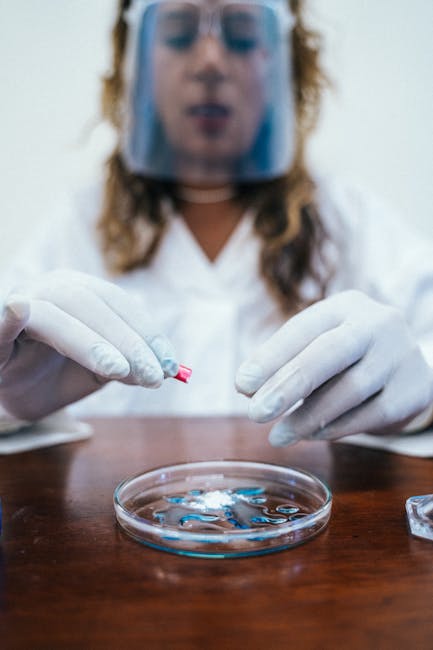
A recent University of Michigan study pinpointed nitrile and latex gloves as a major source of measurement errors. Scientists handling samples noticed thousands of false positives per square millimeter from stearates – non-plastic particles that flake off the gloves onto equipment. This contamination likely skewed numerous prior experiments, painting a more dire picture of microplastic prevalence than reality warranted.
Anne McNeil, the study’s senior author, emphasized the need for cleaner protocols. “We may be overestimating microplastics, but there should be none,” she stated in a university release. The full findings appear in a peer-reviewed journal, urging labs worldwide to adopt glove-free or specialized alternatives. Such adjustments could refine future assessments and guide more accurate policy responses.
Understanding Microplastics and Their Pathways
Microplastics consist of plastic fragments smaller than five millimeters, dominating debris in oceans and lakes. The National Oceanic and Atmospheric Administration identifies them as the leading ocean pollutant, stemming from degraded larger plastics and direct manufacturing. NOAA data highlights their ubiquity in aquatic environments.
Primary microplastics often enter via consumer products. Microbeads in exfoliants, soaps, creams, and toothpaste evade wastewater filters, infiltrating tap water supplies. Larger secondary particles break down from bottles, bags, and fishing gear, amplifying the issue across ecosystems.
- Exfoliating cleansers and washes
- Hair gels and styling products
- Toothpastes with abrasive beads
- Cosmetic creams and lotions
- Industrial abrasives in paints and cleaners
EPA Steps Up Scrutiny Amid Public Health Push
The Environmental Protection Agency added microplastics and pharmaceuticals to its Contaminant Candidate List this week, signaling heightened concern over unregulated water toxins. This draft update under the Safe Drinking Water Act targets emerging threats not yet formally regulated. Reports note growing American unease about plastic ingestion risks.
This development aligns with Health Secretary Robert F. Kennedy Jr.’s Make America Healthy Again initiative, which prioritizes purging toxic chemicals from food, water, and environments. The MAHA agenda amplifies calls for stricter controls on plastics. Though lab errors may soften some fears, the EPA’s action underscores the need for robust monitoring and reduction strategies.
| Factor | Pre-Study View | Post-Study Insight |
|---|---|---|
| Detection Accuracy | High contamination levels reported | Potential false positives from gloves |
| Health Implications | Assumed severe risks | Need for refined data |
| Policy Focus | Urgent bans and filters | Improved lab standards first |
Balancing Caution with Corrected Science
Correcting for glove contamination promises clearer insights into true microplastics levels. The original study calls for procedural overhauls, potentially reshaping environmental research. Industries reliant on plastics, from packaging to cosmetics, face pressure to innovate despite measurement revisions.
Public awareness campaigns continue to drive change, even as numbers adjust. Aquatic life suffers from ingestion and habitat disruption, while human exposure via seafood and water persists as a concern. Researchers now prioritize contamination-free methods to quantify risks accurately.
Key Takeaways:
- Lab gloves shed stearates, inflating microplastics counts.
- EPA lists microplastics for future regulation.
- Zero tolerance remains the goal, per experts.
Microplastics demand vigilant action, armed now with sharper science. As labs adapt, the focus shifts to verifiable threats and practical solutions. What steps should follow to curb plastic pollution? Share your thoughts in the comments.