A Whim That Sparked a Career (Image Credits: Unsplash)
Pretoria, South Africa – In the rolling grasslands of the Cradle of Humankind, Lazarus Kgasi connects the dots between ancient fossils and modern breakthroughs.[1]
A Whim That Sparked a Career
After finishing high school, Kgasi took on odd jobs like clerical work and auto mechanics to support his family of eight siblings. In 2000, he spotted a job listing for a fossil digger at the UNESCO World Heritage site known as the Cradle of Humankind, an hour’s drive from Pretoria. He applied on a lark, unaware it would launch him into paleontology.[1]
Initially, Kgasi joined a long line of Black laborers who unearthed fossils for white researchers from South Africa and abroad. Those scientists often claimed the credit, leaving diggers without recognition. Yet his supervisors quickly spotted his curiosity. They began sharing knowledge, treating him as an equal and assigning greater responsibilities, such as managing dig sites and making preliminary identifications.[1]
Landmark Finds Reshape Ancient Worlds
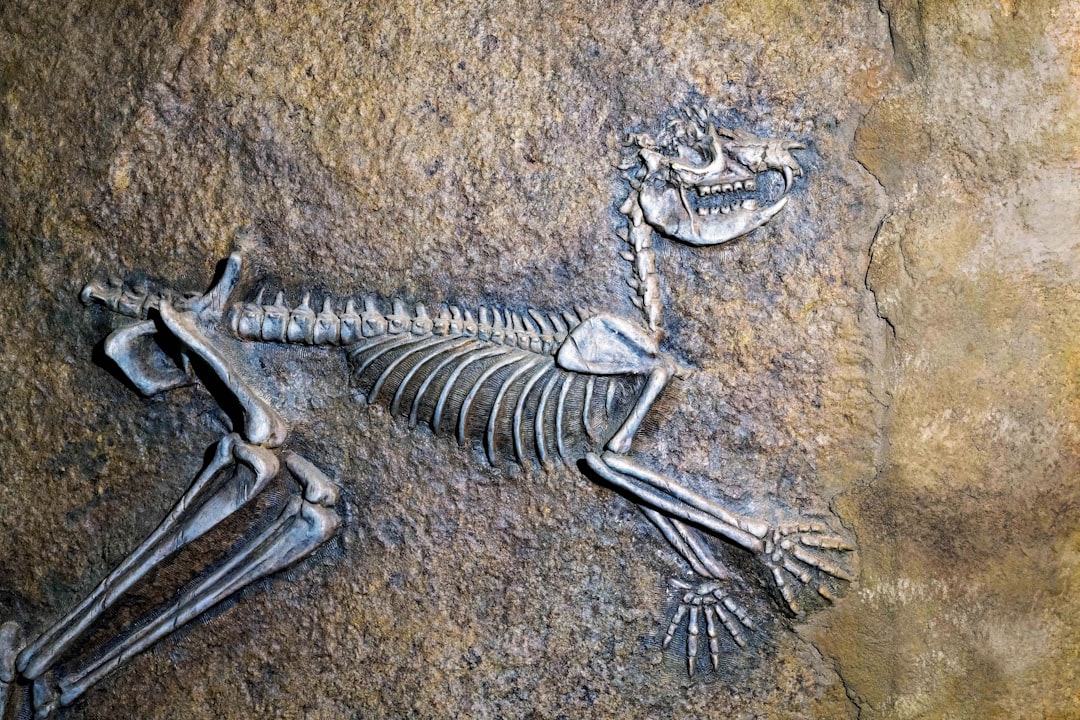
Kgasi’s sharp eye led to transformative discoveries that filled gaps in the prehistoric record. One standout was a nearly complete 1.8-million-year-old skeleton of Panthera shawi, a massive prehistoric cat twice the size of a modern African lion. He spotted it in 2015 while dangling from ropes in a cave, later extracting the skull and bones from fragile rock. Previously, the species was known only from a single tooth found decades earlier.[1]
His portfolio expanded with a 3.5-million-year-old clavicle from a non-human primate, the first fossil snake fang from the Cradle, and bones from frogs, monkeys, birds, and extinct hyenas. Kgasi processed Africa’s first articulated skeleton of an extinct hyena species. These finds help reconstruct the environments early hominids encountered, painting a fuller picture of their world.[1]
- 1.8-million-year-old Panthera shawi skeleton, including later female and cub specimens
- First fossil snake fang in the Cradle of Humankind
- 3.5-million-year-old primate clavicle
- Bones from diverse extinct species like frogs, birds, and hyenas
- Processed articulated hyena skeleton
Mentoring the Next Generation
Today, at 52, Kgasi serves as a junior curator at the Ditsong National Museum of Natural History in Pretoria. Without a formal degree, he mastered the field through hands-on experience. He now mentors young Black South Africans, speaking in Setswana to make science relatable. “It’s so magical… You look like them. You are telling the story of these fossils in their own language,” he said.[1]
Ph.D. student Boitshepo Motsodisa credits his example for her persistence. “I think if he can do it, then no matter the odds, that means that I can have a successful career in this field,” she noted. Representation fuels her drive. Paleontologist Justin Adams calls Kgasi a “genuine paleontologist” who uncovers the hidden history of Black contributions.[1]
A Shared Legacy Endures
Kgasi views fossils as national treasures. “These fossils are not mine. They belong to everybody in South Africa,” he emphasized. His work, post-apartheid, challenges a field long dominated by white researchers and highlights overlooked Black labor.NPR reports on how such stories rewrite both science and society.[1]
Key Takeaways
- Kgasi’s discoveries reveal predators that may have hunted early humans.
- His rise promotes diversity in a historically exclusive discipline.
- Mentoring in local languages inspires the next wave of scientists.
Kgasi’s path proves passion and opportunity can unearth profound change. What inspires you about stories like his? Tell us in the comments.