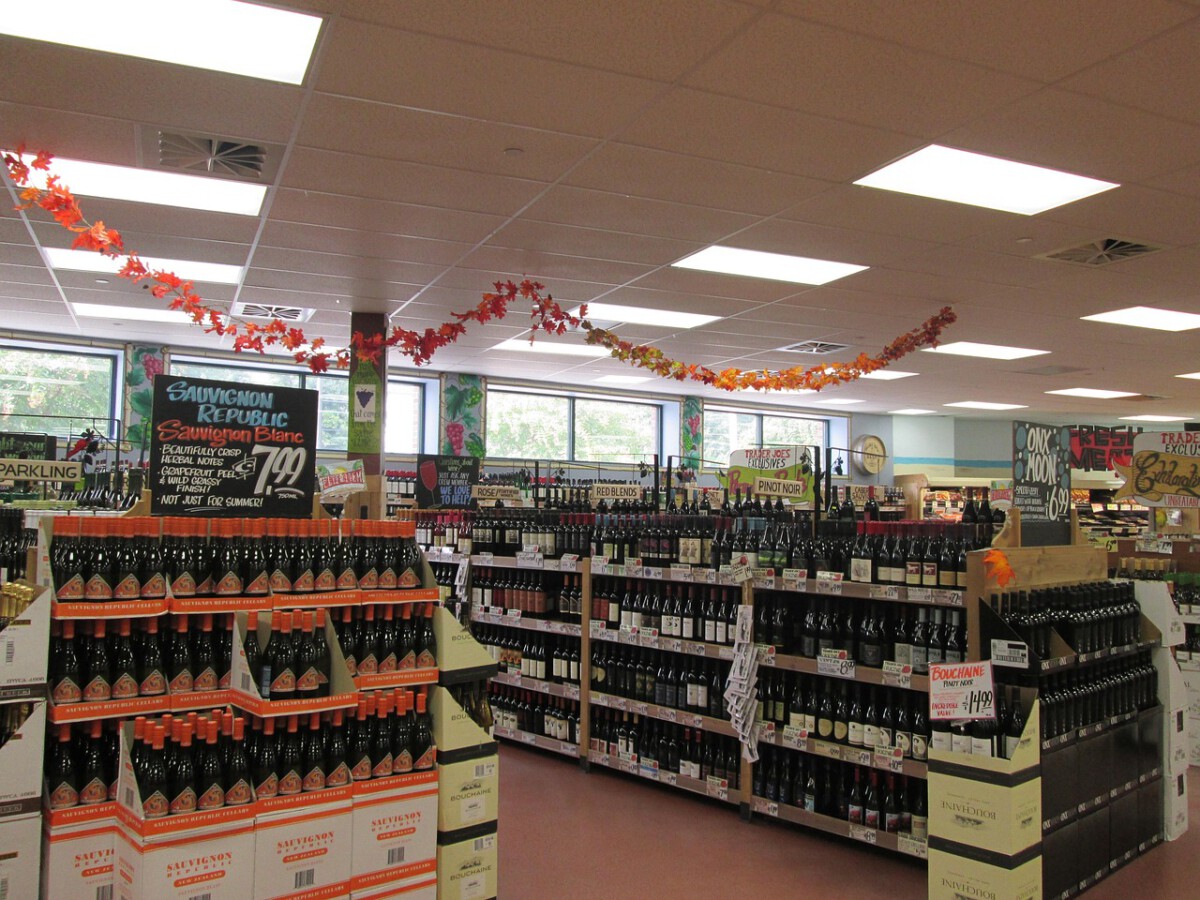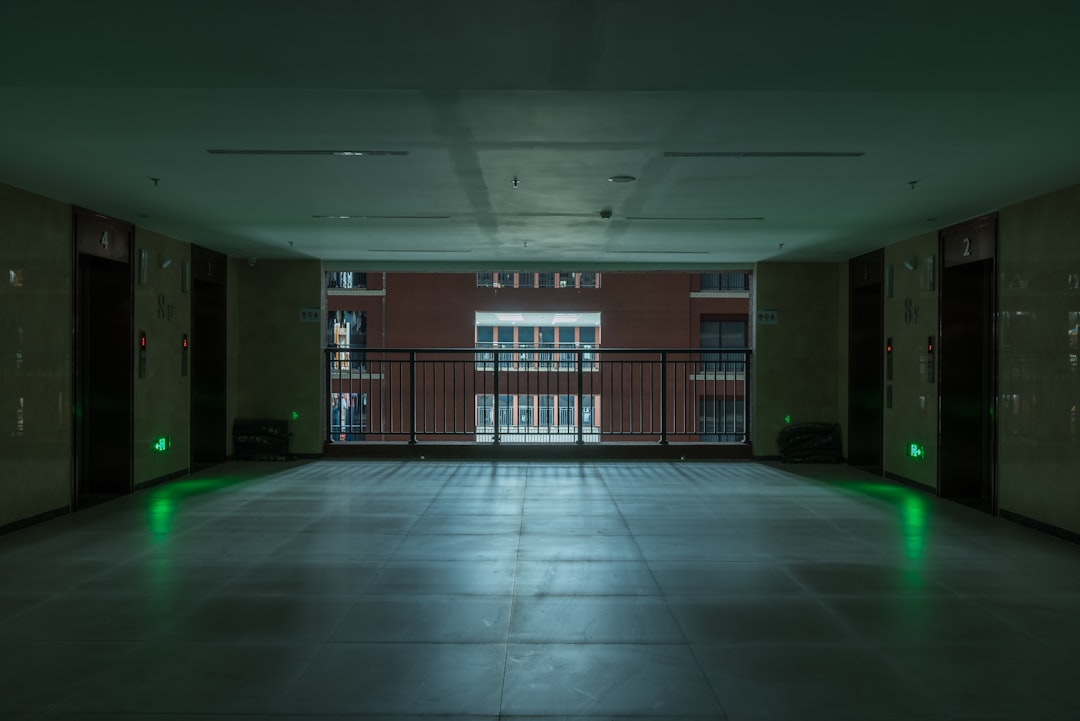
Recent Hits Confined to Single Settings (Image Credits: Unsplash)
Independent studios have found a potent formula in horror films confined to eerie, transitional environments known as liminal spaces. These low-budget productions, from endless subway tunnels to deserted malls, resonate deeply with younger audiences shaped by isolation and uncertainty. As major blockbusters dominate headlines, this niche trend highlights a shift toward intimate, psychologically unsettling stories.
Recent Hits Confined to Single Settings
A24’s acquisition of Undertone marked a breakout success last month. Produced for just $500,000, the film debuted at Fantasia Fest and secured a mid-seven-figure deal before grossing over $18 million at the box office. Set entirely in a modest house, it tracks a woman tending to her ailing mother while co-hosting a horror podcast amid strange events.
Other releases amplify the trend. IFC Films and Shudder released the horror comedy Forbidden Fruits in a sprawling, empty mall, while Markiplier’s Iron Lung adaptation unfolds solely inside a submarine. Neon’s Exit 8, based on a hit Japanese video game, premiered in the U.S. today following showings in Japan and at the Toronto Film Festival. It traps viewers in an infinite subway tunnel as a man searches for escape.
Television echoes this aesthetic too. Apple TV’s Severance employs fluorescent-lit corridors in the enigmatic Lumon Industries to underscore its theme of severed work and personal identities.
Gen Z’s Affinity for the Uncanny
Younger viewers crave horror, with data from insights firm YPulse revealing that 30% of 13- to 17-year-olds consume horror or thriller content weekly. Liminal spaces tap into a unique nostalgia, blending familiarity with dread.
The Backrooms exemplify this viral phenomenon. Images of an abandoned Wisconsin furniture store surfaced in the early 2000s, exploding on 4chan and creepypasta sites by 2019. YouTuber Kane Parsons transformed it into a 2022 YouTube series, now adapting it into an A24 feature starring Renate Reinsve and Chiwetel Ejiofor, set for release next month.
The COVID-19 era accelerated the craze. Subreddits and TikTok tags amassed thousands of posts depicting vacant pools, offices, and schools – spaces evoking pre-pandemic vibrancy now frozen in time.
Nostalgia Tied to Lost Social Hubs
Tori D’Amico, managing content editor for YPulse, links liminal imagery to Gen Z’s childhood landmarks. “Many of the liminal spaces online are connected to places that had a lot of life during their childhood,” she said. Malls and schools dominate these visuals, symbolizing faded hubs of friendship and shopping.
These settings reflect decaying consumerism and isolation. Once bustling centers now stand empty, mirroring broader societal shifts. The appeal lies in this nuance: spaces stripped of purpose yet hauntingly recognizable.
Trauma and the Trap of Confinement
Liminal horror often parallels real-world entrapment. D’Amico connects it to pandemic quarantines and Gen Z’s backdrop of crises. “Not being able to escape a certain space is connected to something like quarantine,” she noted. Economic downturns, job scarcity, and global upheavals compounded by lockdowns fostered a pervasive sense of doom.
Exit 8 director and co-writer Genki Kawamura drew from Dante’s The Divine Comedy and everyday monotony amid world horrors. “These liminal spaces that are on some level familiar to us offer a glimpse into our daily lives, but from a different perspective,” he told Fast Company through a translator. The film blends scares with hope, urging viewers to spot anomalies in routine life.
Key Takeaways
- Low-budget liminal horror thrives via A24, Neon, and Shudder, outpacing expectations at the box office.
- Gen Z nostalgia for malls and schools fuels viral trends like the Backrooms, now hitting theaters.
- Confinement motifs echo COVID isolation and lifelong crises, blending dread with subtle optimism.
Studios like A24 and Neon bridge digital memes to cinema, drawing Gen Z from screens to seats. This trend underscores how shared traumas birth resonant art. What draws you to liminal spaces in horror? Share your thoughts in the comments.