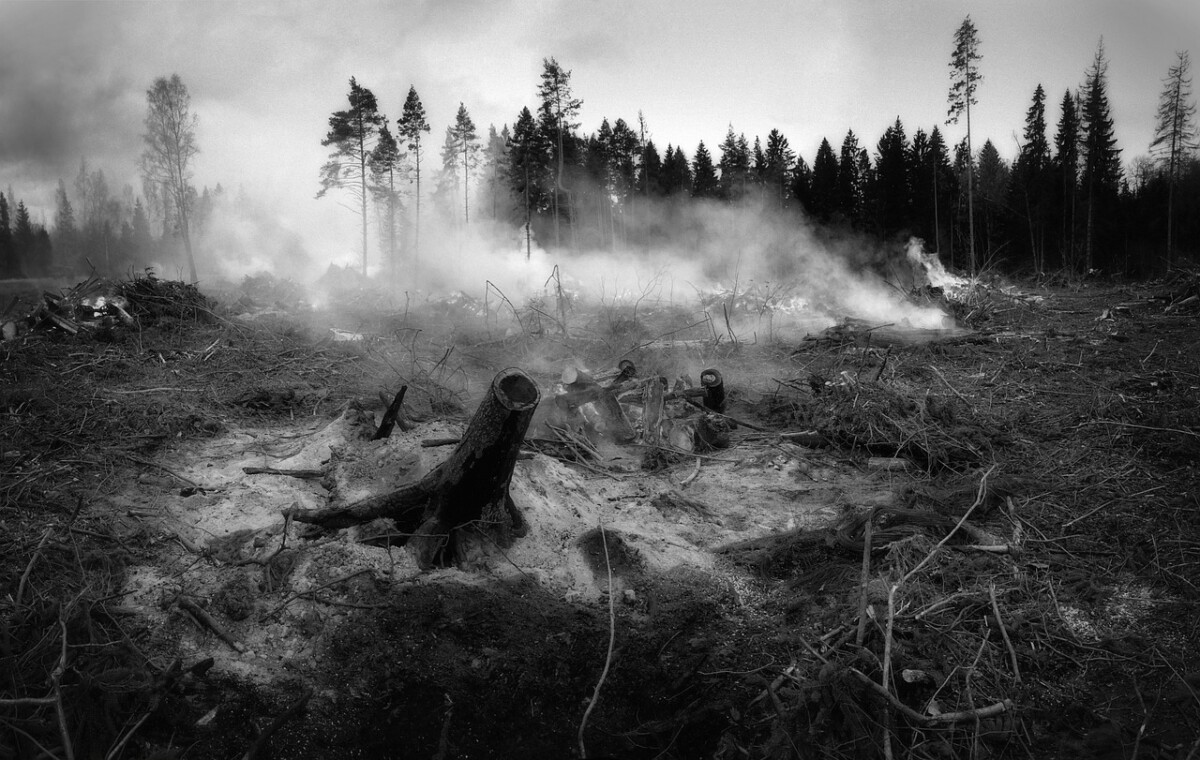


The Fire’s Fierce Onslaught (Image Credits: Pixabay)
Altadena – One year after the Eaton Fire ravaged this foothill community, residents continue to navigate the profound changes left in its wake.
The Fire’s Fierce Onslaught
The Eaton Fire ignited on January 7, 2025, in Eaton Canyon amid ferocious Santa Ana winds that propelled flames into nearby neighborhoods at unprecedented speed. What began as a spark in the San Gabriel Mountains quickly escalated into a catastrophe, claiming 19 lives and reducing over 9,000 structures to ash. Firefighters battled the blaze for 24 days before containing it on January 31, but not before it scorched more than 14,000 acres. The event marked the fifth deadliest wildfire in California history and the second most destructive, occurring alongside the similarly devastating Palisades Fire. Authorities later attributed the ignition to high-tension power lines operated by Southern California Edison, leading to a federal lawsuit for damages.
Communities like Altadena bore the brunt of the destruction, with entire blocks of homes and businesses erased overnight. The winds, reaching hurricane-like intensities, scattered embers far and wide, igniting spot fires that overwhelmed initial response efforts. Survivors recounted harrowing escapes as flames engulfed streets in minutes, forcing many to flee with only what they could carry. The fire’s toll extended beyond immediate losses, displacing thousands and straining local resources for months.
Recovery’s Uneven Path
In the months following the fire, federal and state aid poured into the region, including a major disaster declaration from President Joseph R. Biden Jr. and $2.5 billion in relief funds approved by California legislators. Disaster Recovery Centers opened in Altadena and Pasadena, offering services from 9 a.m. to 8 p.m. daily, though the Pasadena site closed in February 2025 as focus shifted to Altadena’s Woodbury Road location. These hubs provided crucial support for insurance claims, rebuilding permits, and mental health resources. Yet, progress has been slow; many residents still await clearance to return to their properties.
Rebuilding efforts highlight both determination and frustration. The first post-fire home in Altadena received its certificate of occupancy in late 2025, a milestone for a neighborhood that lost nearly 1,000 structures. Small businesses along Lake Avenue have fought to reopen, securing grants amid ongoing challenges like supply chain delays and regulatory hurdles. County supervisors extended emergency powers in early 2026 to streamline contracting for debris removal and infrastructure repairs. Despite these steps, financial barriers persist, with some homeowners finding it uneconomical to reconstruct on their lots.
Community Resilience Amid Grief
Altadena’s spirit has shone through the devastation, with neighbors forming support networks that endured long after the flames subsided. A single mother who lost her home praised the community’s unbreakable bonds in early media accounts, emphasizing how shared aid helped families endure the immediate aftermath. Black families, integral to the area’s history for generations, faced disproportionate displacement, prompting calls for equitable recovery initiatives. Local leaders have pushed for culturally sensitive rebuilding plans to preserve the community’s diverse heritage.
One year on, emotional scars remain vivid. Residents describe a landscape transformed, with charred lots serving as stark reminders of the loss. Then-and-now imagery reveals neighborhoods where vibrant homes once stood, now dotted with temporary structures or empty foundations. Fire safety education has intensified, with CAL FIRE updating protocols based on lessons from the event. These efforts aim to prevent future tragedies, but the human cost lingers in stories of lives upended.
- Key fire statistics: 19 fatalities, 9,000+ structures destroyed, 14,000+ acres burned.
- Federal response: Major disaster declaration and Fire Management Assistance Grant.
- State aid: $2.5 billion in relief, including school reopening funds.
- Rebuilding milestone: First home certified for occupancy in December 2025.
- Ongoing support: Altadena Disaster Resource Center open through at least January 2026.
Key Takeaways
- Recovery remains uneven, with many displaced residents unable to return home yet.
- Legal actions against utilities underscore preventable causes of such disasters.
- Community networks and government aid have fostered resilience in Altadena.
As Altadena stands at this somber anniversary, the Eaton Fire serves as a poignant reminder of nature’s fury and human endurance. The path forward demands sustained investment in prevention and support to heal these wounds fully. What aspects of Altadena’s recovery story resonate most with you? Share in the comments below.