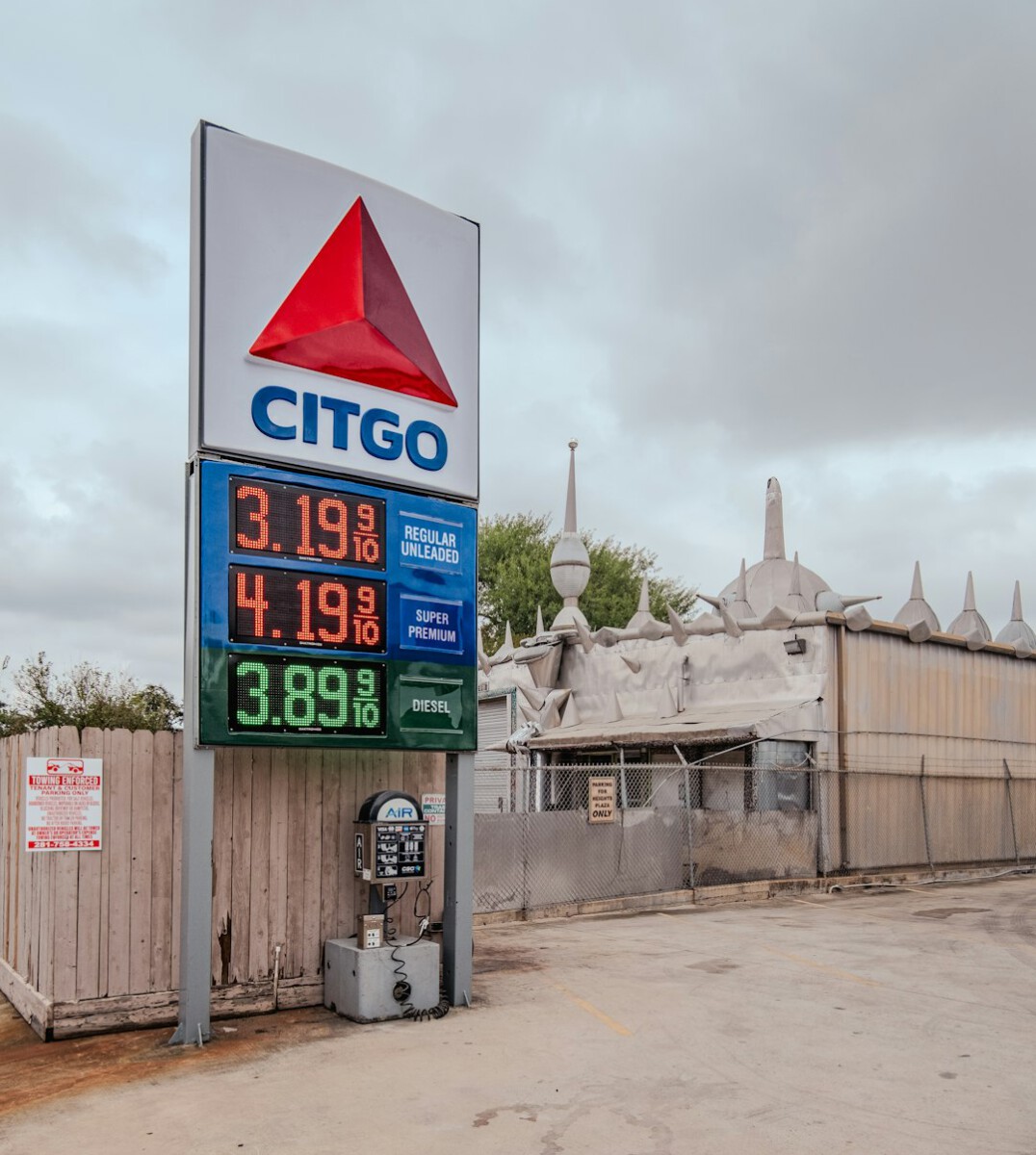
Oil Prices Tumble on De-Escalation Hopes (Image Credits: Unsplash)
Financial markets worldwide experienced a wave of relief on Monday after President Donald Trump revealed discussions with Iran aimed at resolving hostilities in the Middle East. Oil prices dropped sharply from recent highs, while U.S. stock indexes posted strong gains following weeks of volatility tied to the ongoing conflict. Investors welcomed the temporary de-escalation, though uncertainties lingered amid conflicting statements from both sides.
Oil Prices Tumble on De-Escalation Hopes
Brent crude futures plunged 9.4% to $101.62 per barrel, retreating from peaks near $120 last week. The decline accelerated after Trump announced a five-day postponement of planned strikes on Iranian power plants. Benchmark U.S. crude followed suit, dipping toward $84 before stabilizing around $89.30.
This marked a significant pullback from the frenzied highs driven by fears over disruptions in the Strait of Hormuz. The vital shipping lane had restricted oil tanker outflows from the Persian Gulf, fueling supply worries. Trump’s weekend ultimatum demanded its reopening within 48 hours, but talks now offered a brief reprieve.
Wall Street Indexes Post Biggest Gains in Weeks
The S&P 500 climbed 1.2% by midday, erasing much of its war-related losses and nearing within 6% of its early-year record. The Dow Jones Industrial Average advanced 670 points, or 1.5%, after an early surge of nearly 1,135 points. Nasdaq composite rose 1.3%, with four out of five S&P 500 stocks advancing.
Sectors sensitive to fuel costs led the charge. Airlines and cruise operators saw outsized moves despite year-to-date declines. Norwegian Cruise Line Holdings jumped 7.3%, United Airlines gained 3.9%, and American Airlines rose 3.8%.
Global Markets Show Varied Responses
European indexes reversed early losses to close higher following the announcement. France’s CAC 40 increased 0.8%, while Germany’s DAX gained 1.2%. These rebounds contrasted sharply with Asian markets, which closed lower before Trump’s statement emerged.
South Korea’s Kospi tumbled 6.5%, Japan’s Nikkei 225 fell 3.5%, and Hong Kong’s Hang Seng dropped 3.5%. The Russell 2000 index of small-cap U.S. stocks outperformed, surging 2.3% from correction territory – a 10% drop from its peak.
- Dow Jones: +1.5% (670 points)
- S&P 500: +1.2%
- Nasdaq: +1.3%
- Brent crude: -9.4% to $101.62
- Russell 2000: +2.3%
Bonds Ease, But Inflation Fears Persist
Treasury yields dipped slightly, with the 10-year note falling to 4.36% from 4.39% late Friday. Still, levels remained elevated above the pre-war 3.97%, reflecting ongoing caution. High energy prices threatened to stall central bank rate cuts, potentially curbing economic momentum.
Markets drew parallels to last year’s tariff negotiations, where initial threats softened amid volatility. Critics had labeled such retreats as market-driven concessions. Iranian officials, via state media, denied any talks occurred and portrayed Trump’s pause as a response to their warnings.
Key Takeaways:
- Trump’s postponement of strikes sparked immediate oil and stock rallies.
- Volatility persists due to Iran’s denial of discussions.
- Prolonged Strait of Hormuz issues could reignite inflation pressures.
As markets catch their breath from weeks of war-induced swings, the focus shifts to whether diplomacy can sustain this fragile calm. Prolonged disruptions risk broader economic fallout through sustained high energy costs. What do you think lies ahead for oil prices and global stocks? Tell us in the comments.