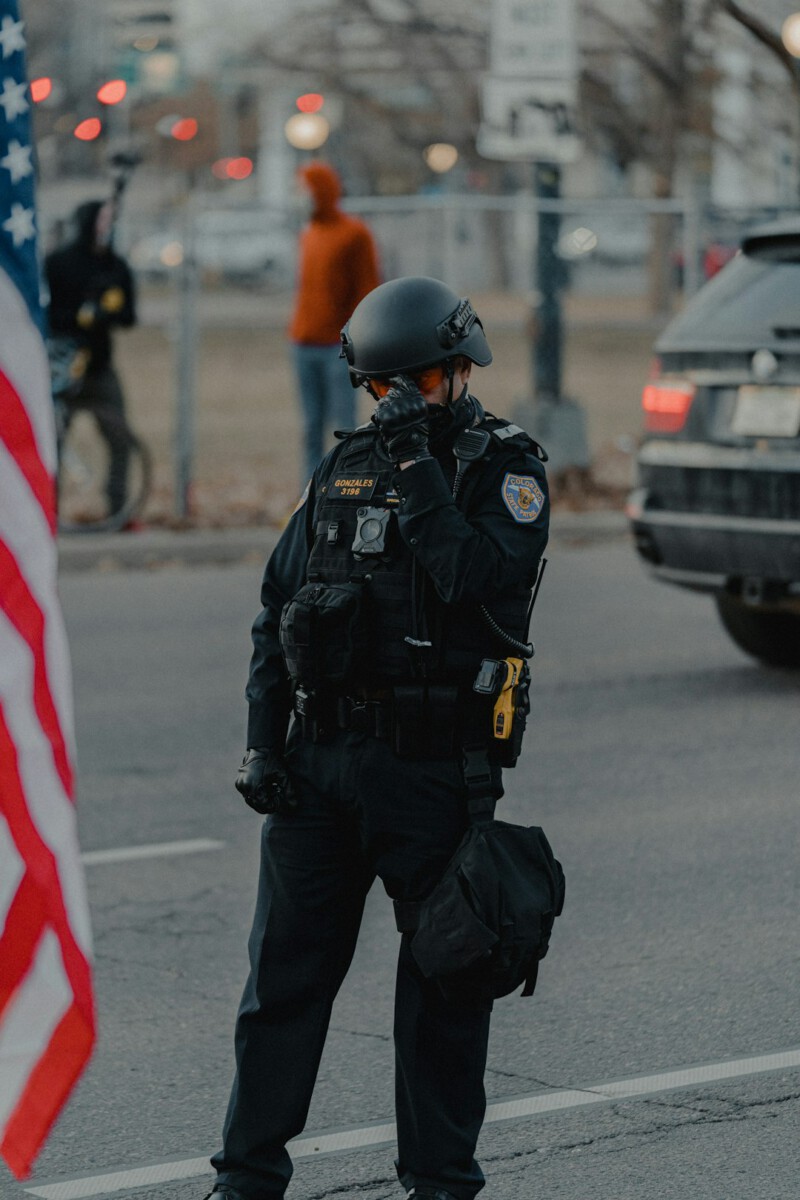
A Direct Challenge to Federal Immigration Priorities (Image Credits: Unsplash)
Maryland – State lawmakers delivered a decisive vote Tuesday to sever formal ties between local law enforcement and federal immigration authorities.[1]
A Direct Challenge to Federal Immigration Priorities
The legislation targets 287(g) agreements, programs that deputize local police and correctional officers to perform certain immigration enforcement duties under ICE supervision.[1] Currently, eight Maryland counties participate: Allegany, Carroll, Cecil, Frederick, Garrett, Harford, St. Mary’s, and Washington.
Three of these employ the “jail model,” where officers screen detainees for immigration status. The others follow the “warrant model,” cooperating on Department of Homeland Security warrants and holding individuals for up to 48 hours. The new bills prohibit both new agreements and require modifications to existing ones, though they permit notifying ICE of releases.[1]
Supporters framed the move as essential for community trust. Del. Nicole Williams, the House bill sponsor from Prince George’s County, argued that such partnerships make residents fear routine police encounters.[1]
Party-Line Votes Signal Deep Divide
The House approved HB 444 by a 99-40 margin, with Democrats in favor and Republicans opposed. In the Senate, the vote stood at 32-12 along similar lines. The measures advanced rapidly and could reach Democratic Gov. Wes Moore’s desk by Friday.[1]
Republicans decried the action as misguided. House Minority Whip Jesse Pippy called it “virtue signaling to your base… at the expense of public safety.” Senate Minority Whip Justin Ready warned that blocking formal channels might prompt more direct federal operations.[1]
- Allegany County: Jail model
- Carroll County: Warrant model
- Cecil County: Jail model
- Frederick County: Warrant model
- Garrett County: Warrant model
- Harford County: Warrant model
- St. Mary’s County: Jail model
- Washington County: Warrant model
National Context Fuels Urgency
The votes come amid heightened ICE activity under the Trump administration, including recent detentions in Annapolis and expanded facilities in Maryland. Incidents elsewhere, such as the fatal shootings of two U.S. citizens by ICE agents in Minnesota, have intensified scrutiny.[2][1]
Del. Jon S. Cardin noted a shift in federal priorities from targeting criminals to broader enforcement, raising concerns over racial profiling. Del. Gabriel Acevero emphasized that public safety requires due process, not local complicity in national policies.[1]
Other States Follow Suit in Resistance Wave
Maryland joins a growing roster of blue states curtailing ICE access. Illinois expanded laws limiting police cooperation and created an Accountability Commission for potential prosecutions of federal agents. New York Gov. Kathy Hochul proposed similar restrictions, while Maine launched a tip line for ICE reports.[2]
Massachusetts Democrats eye “safe zones” around sensitive sites. California and Philadelphia prosecutors weigh charges against agents, and Minnesota advances renter protections post-incidents. These steps reflect a federal-state clash over enforcement amid mass deportation efforts.[2]
Key Takeaways
- Maryland’s bills target 287(g) pacts in eight counties, ending formal local ICE roles.
- Passage highlights partisan split, with Democrats prioritizing community trust.
- Part of nationwide blue-state pushback against intensified federal immigration actions.
As these policies take effect, they underscore deepening tensions between state autonomy and federal mandates. Local leaders must now navigate enforcement without prior partnerships. What impact will this have on Maryland’s communities? Share your thoughts in the comments.