

If you dream about crashing waves on the Pacific Coast or exploring red rock canyons in the Southwest, there’s good news: You don’t need to drain your savings to make those adventures happen. The real magic isn’t found in luxury hotels or pricey restaurants. It’s in knowing exactly when to book that rental car, where to eat like a local instead of a tourist, and how to take advantage of systems most travelers completely overlook.
The key is approaching travel like a strategic game, one where you can stretch every dollar and still create unforgettable memories. Let’s dive in.
The Numbers Game: Why Timing Matters More Than You Think

Expedia says August is the cheapest month to travel, which should immediately change how you think about summer trips. Instead of aiming for peak July vacations when everyone else is competing for flights and hotels, shifting your plans by just a few weeks can save you serious money.
The cheapest days to travel are Monday through Wednesday (about 13% cheaper than flying over the weekend), and flying midweek can save you nearly $100 off your ticket, according to a 2025 Google report. Yet most people still insist on weekend departures because it feels more convenient. That convenience costs you real money.
Domestic flights in January are about 10% cheaper than December prices, while international flights in February offer even steeper discounts, coming in at 15% below holiday rates. Think about that when you’re tempted to travel during the crowded, expensive holiday season.
Book Flights Like a Pro: The Sweet Spot Window

Here’s the thing about flight booking that drives me crazy. People either book way too early or wait until the last minute, both terrible strategies. When you book one-to-three months ahead of a domestic flight, you can save up to 25 percent compared to last-minute bookings, according to Expedia’s 2025 Air Hacks Report.
For international trips, give yourself more breathing room. Plan 2-8 months ahead, with the best deals 3-5 months before travel. The data consistently backs this up across multiple sources.
If you have flexibility on when to book, Sundays are generally best, allowing domestic travelers to save 6% while international travelers can save 17% compared to booking on a Monday or Friday. Don’t fall for the old Tuesday myth either. It’s outdated and simply not true anymore.
The Car Versus Plane Calculation

AAA projected a record 60.6 million people would travel by car over the 2024 Independence Day week, beating the pre-pandemic 2019 level (55.3 million). Road trips remain hugely popular because they often make financial sense.
Let’s break down the math. On July 18, 2024, AAA reported the national average gas price was $3.50 per gallon. More recently, the U.S. Energy Information Administration said U.S. retail gasoline prices had declined about 12 cents per gallon on average since the end of summer 2025, bringing costs down even further.
For a family of four traveling 500 miles, you’re looking at roughly forty to fifty dollars in gas versus several hundred for airfare. The calculation becomes even more favorable when you factor in that car and truck rental fees fell 2.7% year-over-year (Nov 2024 to Nov 2025), based on BLS data. Sometimes renting beats wearing down your own vehicle, especially if you’re planning long distances.
Lodging: Stop Paying Tourist Prices

Lodging ranks right up there with transportation as one of the most expensive parts of an average trip. That makes it your biggest opportunity to save.
Hostels are an affordable alternative to hotels, with prices starting at $15 for a shared room. Don’t write them off just because you’re not twenty anymore. Many hostels now offer private rooms at rates that undercut traditional hotels significantly.
Many destinations offer accommodations with rates that start at around $200 a night, though travel prices rise with demand, so consider vacationing in the offseason to save the most. Honestly, that offseason strategy cannot be emphasized enough.
Eating Smart: The Local Food Advantage

Tourist restaurants are designed to empty your wallet. The secret? Eat where locals eat. Spending time eating at local spots, like hunting for roadside restaurants with multiple hot sauce options, saves money and usually delivers better food.
Skip the hotel breakfast buffet that costs twenty dollars per person when you can grab bagels, fruit, and coffee from a local shop for a fraction of the price. Pack snacks for day trips instead of buying overpriced food at attractions. These small decisions compound quickly over a week-long vacation.
The Consumer Price Index matters here too. The CPI-U rose 2.9% from December 2023 to December 2024, affecting food costs everywhere. Cooking some of your own meals when you have kitchen access becomes even more valuable in this environment.
National Parks: Free Entry Days and Annual Passes
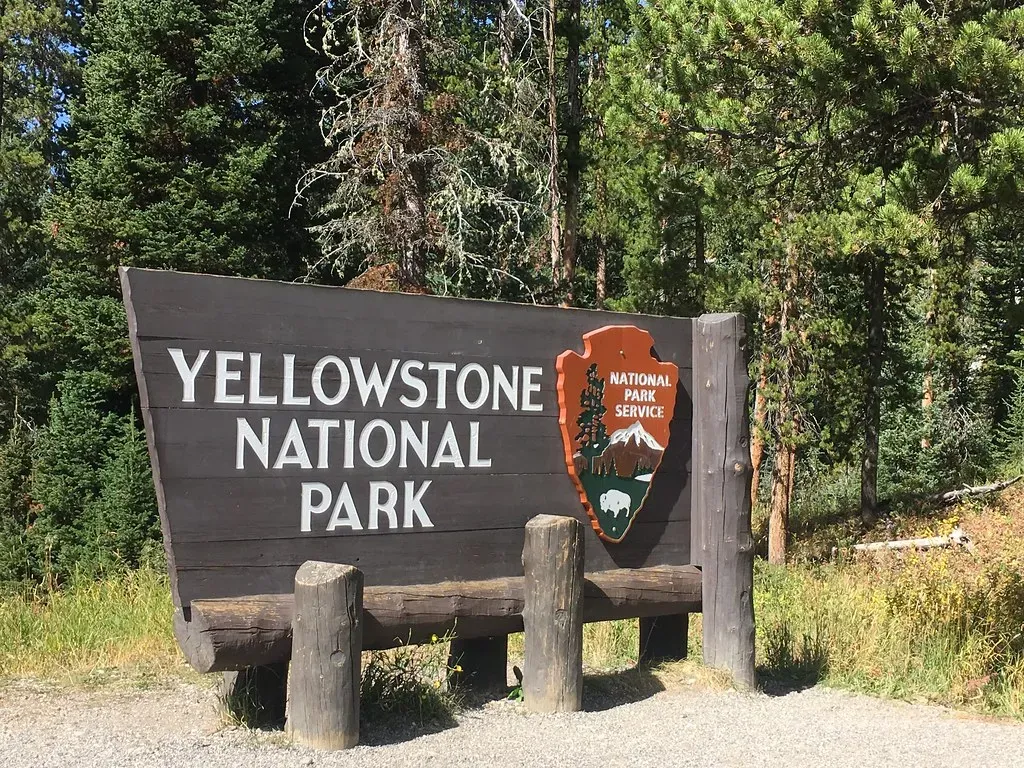
National parks are America’s best bargain for breathtaking experiences. The National Park Service now offers six free days a year, when all National Park Service sites that charge an entrance fee will offer free admission to everyone.
Rangers waive entrance fees on January 20, April 19, June 19, August 4, September 27 and November 11 in 2025. Plan around these dates if you’re visiting multiple parks.
For serious park enthusiasts, the agency suggests purchasing an $80 annual pass that provides access to more than 2,000 federally-managed recreational areas across the country. If you visit three or more parks charging thirty-dollar entrance fees, you’ve already broken even.
Transportation Within Cities: Ditch the Rental When Possible

Public transportation is easier and more accessible in many places around the world, and most places offer functional bus routes. Major US cities like New York, Chicago, Washington DC, and San Francisco have excellent public transit systems that cost a tiny fraction of daily parking fees alone.
Daily parking in downtown areas can easily run thirty to fifty dollars. A week’s worth of public transit passes typically costs less than two days of parking and Uber rides combined. Calculate this before automatically renting a car at your destination airport.
Walking is also underrated. Many city attractions cluster within walkable neighborhoods. You save money, get exercise, and actually see the neighborhoods instead of rushing past them in traffic.
Attraction Strategy: Free Alternatives and City Passes

No-cost activities include driving along scenic Blue Ridge Parkway and hiking past Watkins Glen State Park’s 19 waterfalls ($10 entry fee per vehicle). Nearly every destination has free or extremely low-cost activities if you look beyond the marketed tourist traps.
Major cities offer free museum days, walking tours, outdoor concerts, and festivals throughout the year. Time your visit for summer when the city holds several free music festivals to maximize entertainment value without spending a dime.
Research city attraction passes before you go. If you plan to visit three or four paid attractions, bundled passes often provide significant discounts compared to individual ticket prices.
The Reality of Current Travel Spending

Domestic leisure travel spending hit $876 billion in 2024 in the U.S., according to the U.S. Travel Association, showing massive demand. That demand drives prices up during peak periods, which is exactly why you need to be strategic.
Reuters reported the TSA screened a record 3.13 million airline passengers in a single day (the Sunday after Thanksgiving) in 2025. Those record travel days mean higher prices and more crowds. Avoid them when possible.
The good news? Airline fares decreased 5.4% over the year ending November 2025, based on BLS consumer price data. The overall trend has been moving in travelers’ favor recently, though it won’t last forever.
Shoulder Season: The Underrated Secret Weapon

The cheapest months to both book and fly are typically January, February, September, and October, which fall within the shoulder seasons or off-peak travel periods, meaning less demand and lower fares. These months offer ideal weather in many destinations without summer’s oppressive heat or winter’s crowds.
Travel prices, particularly for airfare and accommodations, rise with demand, so consider vacationing in the offseason to save the most. I know it sounds obvious, yet people consistently ignore this advice and then complain about expensive travel.
Think about visiting beach destinations in May or September instead of July. Ski towns in summer offer hiking and mountain biking at drastically reduced accommodation rates. Flip the script on traditional tourism patterns.
Make Budget Travel Your New Normal
Budget travel isn’t about deprivation or missing out. It’s about smart allocation of resources to maximize experiences. Domestic leisure travel spending hit $876 billion in 2024, proving Americans love to travel. The question is whether you’re spending that money wisely or throwing it away on convenience that doesn’t actually improve your trip.
The strategies outlined here work because they’re based on real data, not hunches or outdated travel myths. Flight prices fluctuate with demand, so flexibility and timing are your best tools for finding deals. Apply that same principle to every aspect of your trip.
Start small if this approach feels overwhelming. Pick one strategy for your next trip: book flights on a Sunday instead of Friday, or choose a shoulder season destination. Track how much you save. Then add another strategy next time. Before long, these habits become automatic, and you’ll wonder how you ever traveled any other way.
What’s your biggest travel expense that you’d most like to cut? Once you identify it, you can build your entire trip strategy around optimizing that one element.