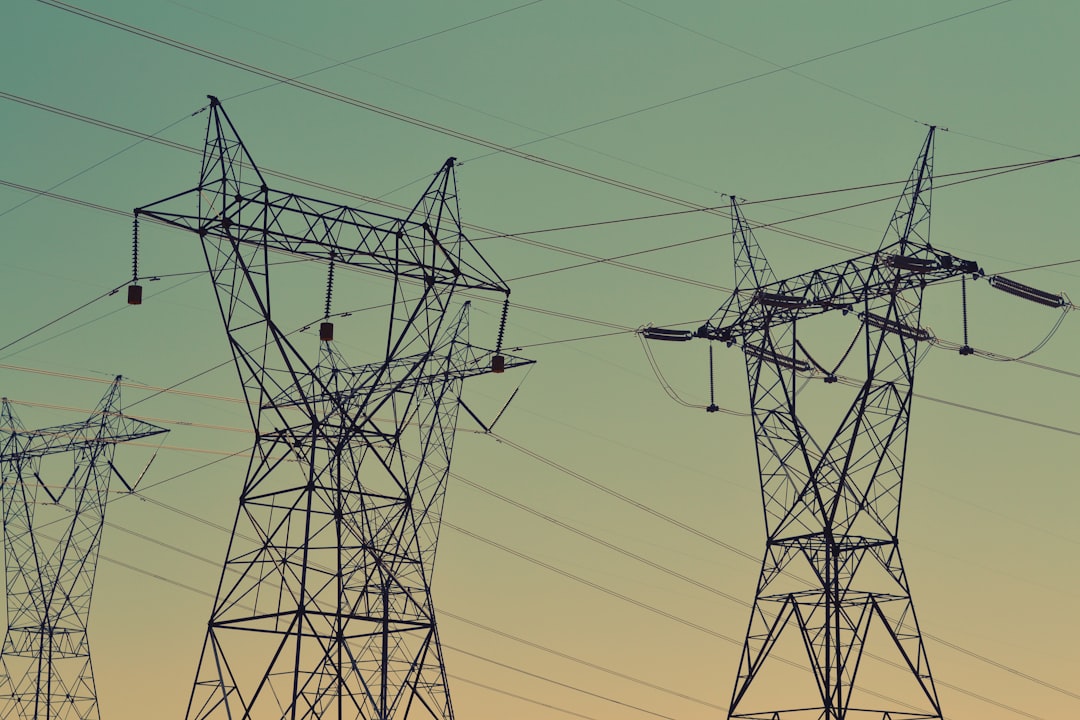
Half the Grid Sits Idle – Here’s Why That Changes Everything (Image Credits: Unsplash)
Electricity demand across the United States faces unprecedented pressure from expanding data centers, electric vehicle adoption, and industrial growth. Utilities have long relied on constructing costly new power plants and infrastructure to handle peak loads. A recent report from the Utilize coalition highlights a smarter alternative: tapping into the grid’s vast unused capacity to meet these needs efficiently. This approach promises lower bills for consumers and greater system reliability.
Half the Grid Sits Idle – Here’s Why That Changes Everything
The electric grid in the U.S. operates far below its full potential. Engineers designed it to accommodate rare demand spikes, leaving roughly 50% of capacity unused during normal periods. As demand surges intensify, sticking to old habits means billions in unnecessary spending.
A cross-industry analysis modeled the impact on a typical midsized utility and extrapolated nationwide benefits. Increasing utilization by just 10% amid rising demand could deliver savings of $110 billion to $170 billion on electric bills over the next decade. These figures exclude additional incentives from utility programs that reward off-peak usage.
Smart Technologies Unlocking Excess Capacity
Advancements in consumer and industrial tech now make flexible power management feasible at scale. Devices like smart thermostats adjust home cooling during low-demand windows, preserving comfort without straining the system. Electric vehicles charge during optimal hours and, in innovative setups, discharge stored energy back to the grid when needed most.
Networks of residential batteries, deployed by companies such as Base Power, store surplus power for later release. Large users like data centers shift operations to quieter periods through load flexibility. Enhanced sensors and software even boost transmission line efficiency, allowing more electricity to flow without upgrades. These tools combine to form virtual power plants that aggregate small contributions into major resources.
- Smart thermostats for pre-cooling homes.
- EVs as bidirectional energy storage.
- Home battery fleets selling power to utilities.
- Data center demand shifting.
- Upgraded lines for higher throughput.
Proven Models Paving the Way Forward
Virtual power plant initiatives already operate in communities nationwide, demonstrating scalability. Base Power installs and owns home batteries, providing owners with bill reductions and outage protection while monetizing stored energy through utility sales. Utilities oversee similar programs, often compensating participants for timed usage.
Hyperscalers like Google explore “bring your own distributed capacity” strategies. In this model, they fund expansions in energy efficiency and demand response ahead of utility plans, then claim the resulting capacity for their data centers. Ryan Hledik, a principal at the Brattle Group consultancy that co-authored the report, described it as a practical way for tech giants to secure power reliably.
Policy Momentum Builds Across Party Lines
The Utilize coalition, comprising firms like Google, Carrier, and Tesla, pushes for supportive regulations. Virginia recently enacted a bill mandating utilities to track and report grid utilization metrics to regulators, integrating them into future planning. Ian Magruder, executive director of Utilize, called this a pivotal step at a recent press event.
Interest spans political divides, with inquiries from red, blue, and swing states. Magruder noted a shift in urgency: stable demand for decades masked the issue, but recent growth in electricity needs has sparked action. The U.S. lags peers in adoption, yet economic pressures now accelerate change.
Key Takeaways:
- 10% better utilization yields $110-170B in decade-long savings.
- Tech like batteries and smart devices creates virtual power plants today.
- New policies in states like Virginia set precedents for national scale-up.
Optimizing the grid stands out as a swift, scalable path to affordability and resilience amid booming demand. Utilities, tech firms, and policymakers align on its potential to share fixed costs equitably. How might these strategies impact your energy bills? Share your thoughts in the comments.