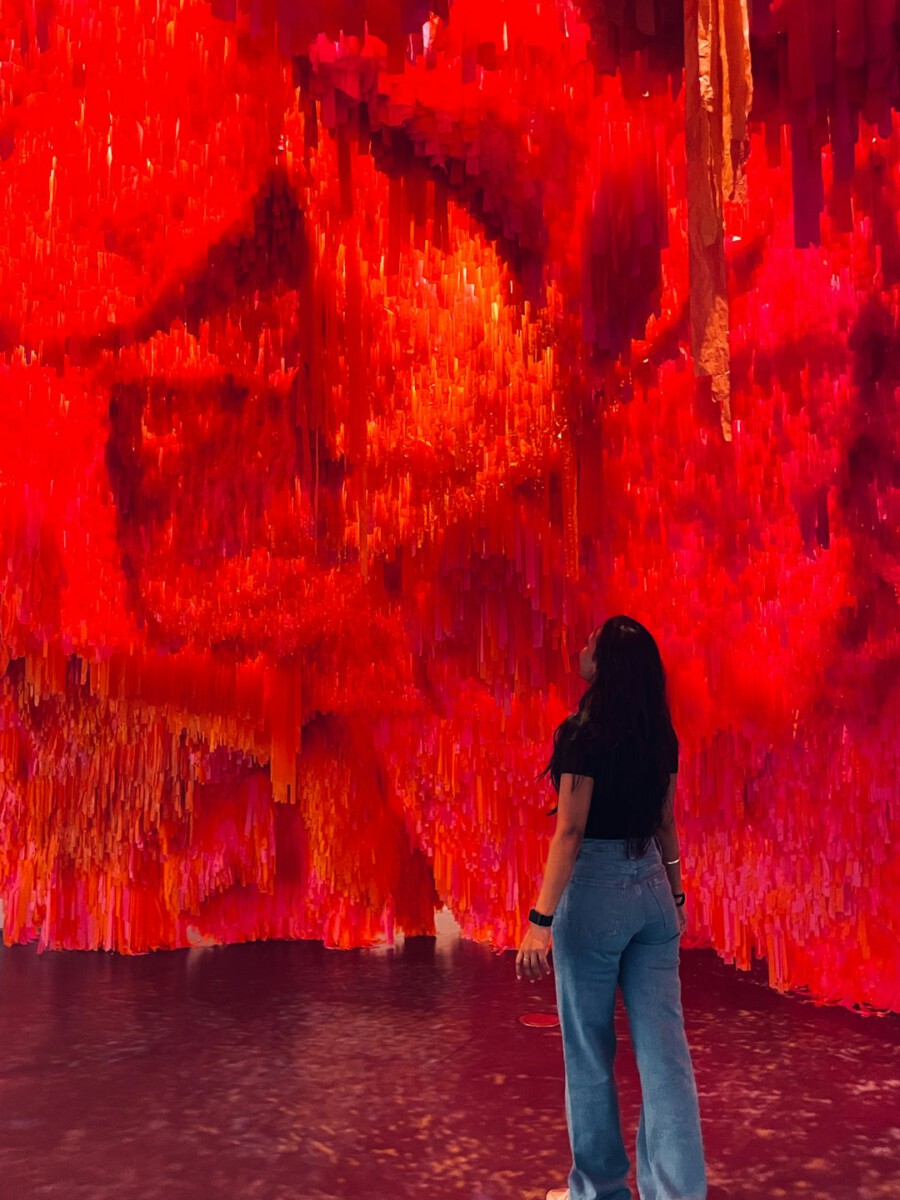
From Humble Beginnings to Industry Trailblazer (Image Credits: Unsplash)
A decade after launching its flagship exhibition in Santa Fe, Meow Wolf has grown from a scrappy artist collective into a powerhouse with over 1,000 employees and five permanent sites that have drawn 13 million visitors. The company, known for its psychedelic, narrative-driven installations, played a key role in popularizing the experience economy. Now, leaders see signs of an even deeper shift toward what they call the transformation economy, where audiences seek lasting personal impact rather than fleeting thrills. This evolution comes amid booming industry valuations and strategic expansions.
From Humble Beginnings to Industry Trailblazer
Meow Wolf’s journey began in 2008 when New Mexico artists rebelled against the local scene, organizing events that evolved into immersive exhibitions. The breakthrough arrived in 2016 with House of Eternal Return, backed by George R.R. Martin, despite a nearly empty bank account. That site quickly captured imaginations, blending art, storytelling, and interactivity into surreal worlds.
Expansion followed rapidly. By 2022, investments topped $200 million, fueling new locations. Visitors flocked to themed spaces like haunted mansions and bizarre supermarkets. Even after layoffs in April and December 2024, the company pressed ahead with plans for Los Angeles in late 2026 and New York in late 2027 or early 2028. The immersive sector, valued at $138 billion in 2025, underscores this momentum, with projections reaching $1 trillion by 2033.
Younger Visitors Crave Deeper Engagement
Generations Z and Alpha approach Meow Wolf differently than earlier crowds. They dive into lore, chasing Easter eggs and unraveling multiverse connections across sites. At Denver’s Convergence Station, fans track clues from a mutant rat character named Plotzo to unlock hidden vaults, turning visits into detective missions.
This sleuthing stems from digital upbringings filled with online rabbit holes and forums. Vince Kadlubek, a founder and chief vision officer, noted that these natives treat questing as innate. Unlike past visitors who snapped photos, younger ones map stories via Reddit, YouTube, and official sites. Meow Wolf now builds on this by layering narratives that span exhibitions.
Questing and Lore Drive the Physical Experience
To meet this demand, Meow Wolf developed “questing” apps at Denver, Dallas, and Houston venues. Users solve 10 linked puzzles – decoding notes, making calls, fixing kiosks – all tied to physical spaces. Completing quests unlocks rewards like secret rooms, keeping phones as mere guides.
Kadlubek emphasized directing attention back to the installations. “The phone is there as a pause screen,” he explained, akin to a video game’s map. Future sites integrate quests from day one, with Los Angeles exploring a multiverse traveler. Expansions include a board game and graphic novel, plus Niantic collaboration for precise AR that enhances, not replaces, reality. These steps weave fans into the story as active players.
Physical Realms Thrive Amid AI Disruption
In an AI-saturated landscape, Meow Wolf doubles down on tangibility. Digital content risks devaluation from endless generation, Kadlubek argued, while physical novelty endures. Initiatives like “Beyond the Walls” extend magic outdoors through art objects.
This stance positions the company uniquely. Traditional media struggles, but Meow Wolf’s installations offer irreplaceable awe. Guests emerge changed, not just entertained, aligning with broader trends.
Arrival of the Transformation Economy
Kadlubek views these changes as harbingers of the transformation economy, the next phase after experiences. Audiences now pursue emotional or spiritual shifts. Business strategist Joseph Pine echoed this in his February book, declaring transformations as the new focus – from memories to aspirations.
Meow Wolf aims to lead with premium, lore-rich offerings amid pop-up saturation. “We want experiences that are truly awe-inspiring,” Kadlubek said, setting them apart. “I think we’re on the precipice of a next-generation storytelling ecosystem.”
Key Takeaways:
- Meow Wolf grew from 100 employees in 2016 to over 1,000 today, with 13 million visitors.
- Questing apps turn passive viewers into lore-hunting players, emphasizing physical interaction.
- In the AI era, tangible experiences hold premium value over infinite digital content.
Meow Wolf’s pivot signals a maturing immersive landscape where depth trumps novelty. As transformations redefine consumer desires, the company stands ready to deliver lasting impact. What role will physical storytelling play in your next adventure? Share your thoughts in the comments.