

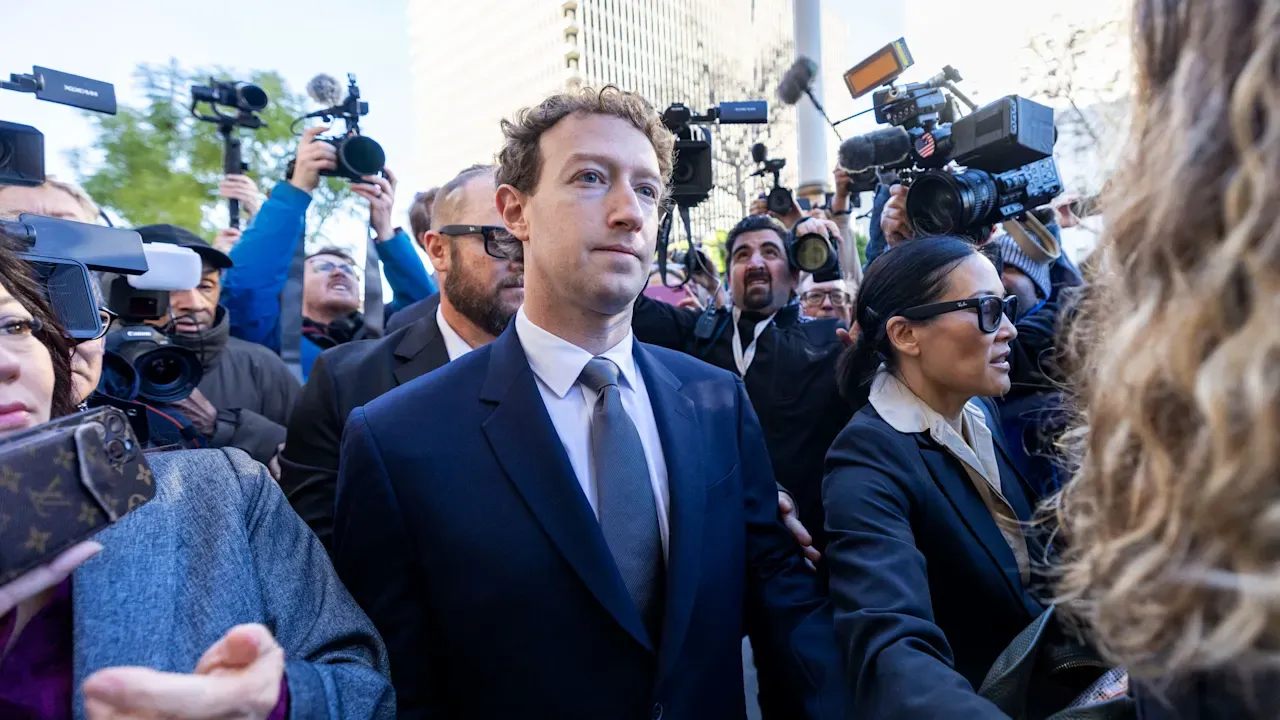
Zuckerberg Faces Scrutiny in High-Stakes Defense (Image Credits: Images.fastcompany.com)
Mark Zuckerberg’s recent testimony in a pivotal lawsuit against Meta highlighted defenses against claims that its platforms harm young users, with outcomes that could reshape liability standards across multiple sectors.
Zuckerberg Faces Scrutiny in High-Stakes Defense
Over 1,500 similar cases await resolution, positioning this trial as a critical benchmark for social media accountability. Plaintiffs argued that features on Instagram and YouTube deliberately foster prolonged engagement among children, potentially fueling mental health issues like addiction.
Meta and Google rejected these allegations throughout proceedings. Zuckerberg emphasized during his Wednesday appearance his commitment to young users’ welfare. He stated, “I care about the well-being of teens and kids who are using our services.” Such testimony underscored the companies’ stance amid intense legal pressure.
A defeat here might erode protections under Section 230, the law that currently shields platforms from user-generated content liability. This shift would demand reevaluation of algorithmic designs industry-wide.
Insurance Industry Braces for Addiction Claims Surge
Insurers currently cover treatments for conditions like anxiety or depression linked to social media, but not digital addiction itself, absent from the DSM-5-TR. A plaintiff win could elevate social media addiction’s legitimacy, prompting more claims and policy adjustments.
David Schweidel, marketing professor and chair of Business Technology at Emory University’s Goizueta Business School, noted that the trial’s result might lend credibility to digital addiction concepts. He warned of an extreme where social media draws Big Tobacco parallels. Some carriers already pursued legal protections; Hartford Casualty and others sued in Delaware last year to avoid covering Meta’s defenses in related California litigation.
Streaming, Gaming, and Devices Enter the Crosshairs
Beyond social platforms, autoplay in streaming services or notification tactics in mobile games could face new vulnerabilities if algorithms lose Section 230 safeguards. Smartphone manufacturers might need to enhance user controls over alerts to mitigate risks.
Regulators elsewhere signaled similar concerns; the European Union launched a probe into Shein’s gamified shopping incentives. These developments suggest a broadening scrutiny of engagement-driven designs. Companies in varied fields would adapt to preempt litigation.
- Streaming platforms with binge-encouraging autoplay features.
- Mobile games using dopamine-boosting notifications.
- Smartphone makers reliant on persistent alerts.
- E-commerce sites with reward-based shopping loops.
Workplaces Confront Rising Treatment Absences
Employers might encounter increased absences as digital addiction treatments gain acceptance. Schweidel highlighted this potential, observing that normalized care for such issues could lead to more employee time off.
Businesses would navigate productivity dips alongside evolving norms around tech use. Firms outside tech, from retail to manufacturing, could implement wellness programs or policies addressing screen time.
Key Takeaways
- A Meta loss could validate digital addiction claims, boosting insurance payouts.
- Section 230 changes might expose streaming, gaming, and device firms to suits.
- Employers face potential absenteeism from addiction-related treatments.
The trial’s resolution promises to redefine boundaries between innovation and responsibility in the digital economy. Stakeholders from boardrooms to courtrooms watch closely as precedents form. What implications do you foresee for your industry? Share your thoughts in the comments.