


U.S. Raises the Alarm: What the 2025 Advisory Says
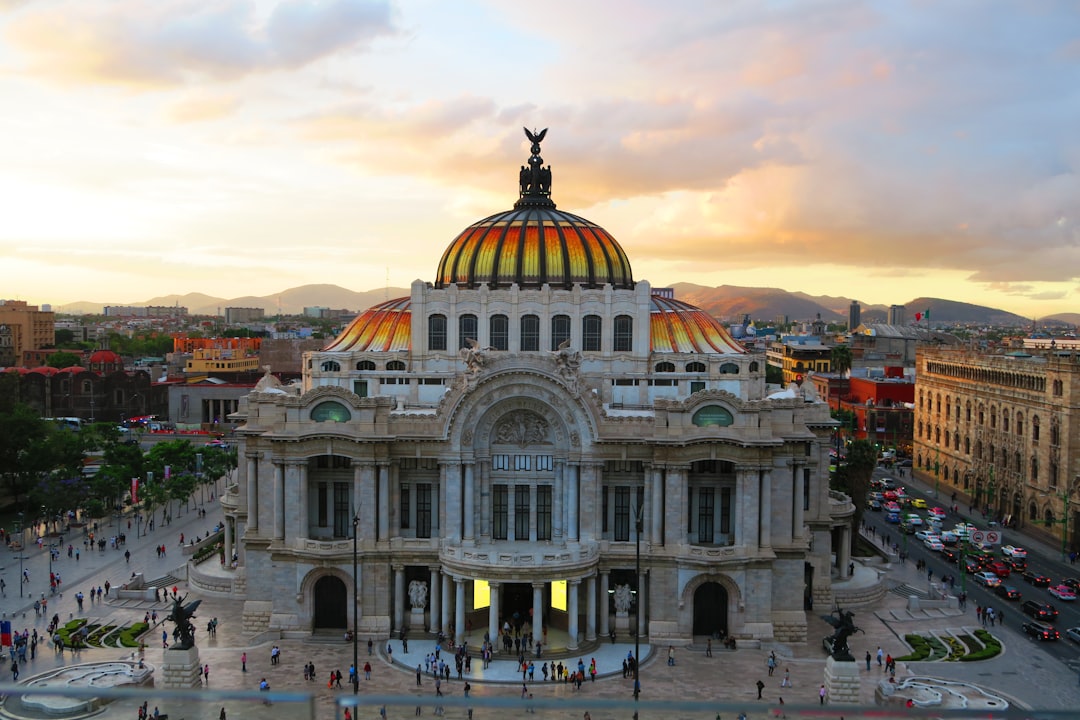
It’s not every day that the U.S. State Department updates its travel warnings, but in January 2025, a bold new advisory put Mexico in the spotlight. The advisory doesn’t mince words—certain regions are now firmly on the “Do Not Travel” list. The main reasons? Surging violence, especially tied to organized crime, and a spike in incidents targeting both locals and foreigners. This warning isn’t just a routine update; it’s a direct response to a surge in crime that’s made headlines and stirred up real anxiety. The State Department urges travelers to think twice, stay alert, and keep their plans flexible. American citizens are also encouraged to enroll in the Smart Traveler Enrollment Program for up-to-the-minute alerts. This advisory is already being shared widely on social media, sparking worried conversations and urgent calls to travel agents.
Hotspots Under Scrutiny: Which States Are Affected?
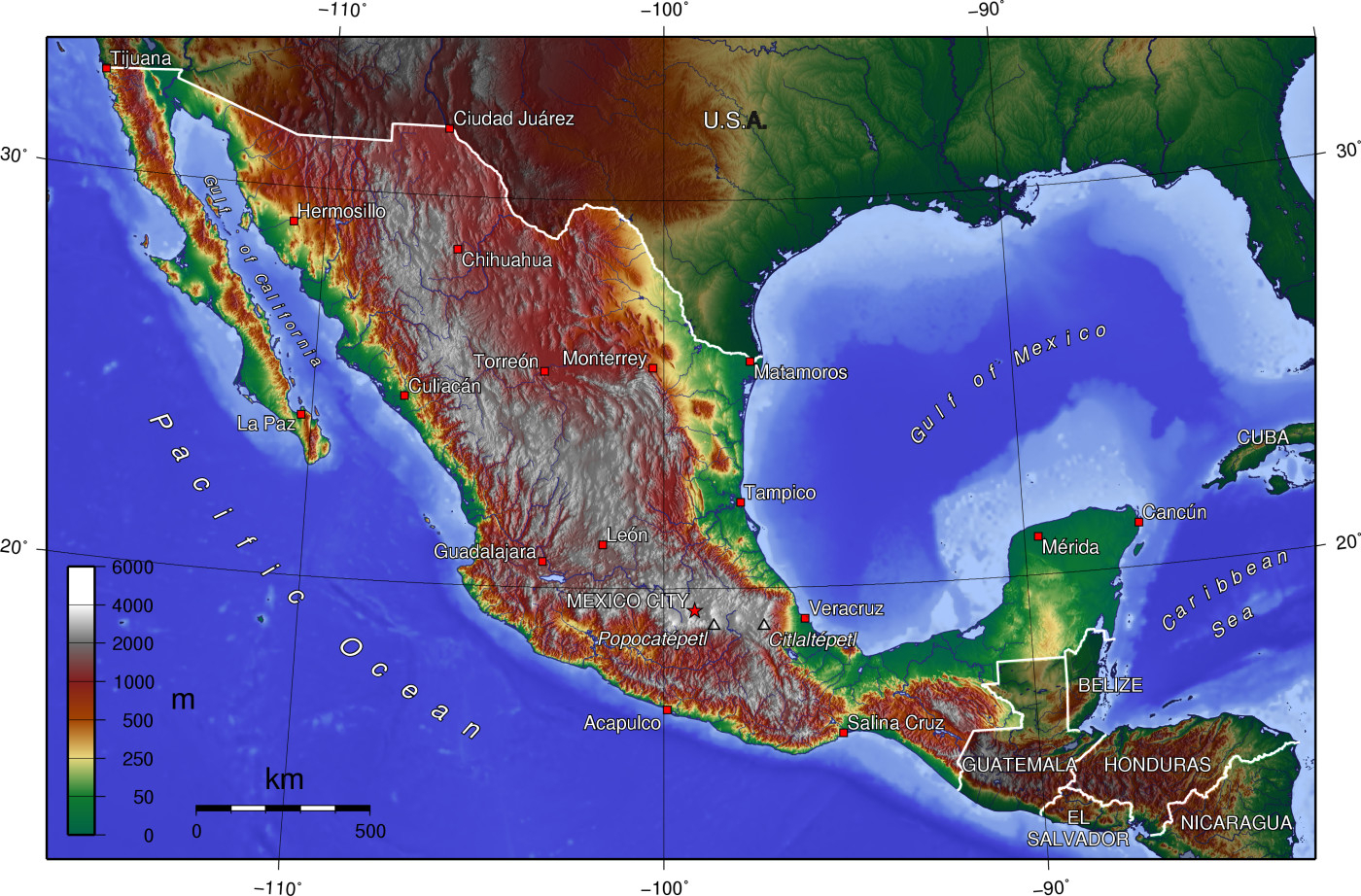
If you’re dreaming of Mexico’s sun-soaked beaches or vibrant cities, you’ll want to check the map first. The 2025 advisory singles out Guerrero, Michoacán, Sinaloa, Colima, and Tamaulipas as the riskiest states. These areas have reported alarming rates of violence, with incidents of homicide, kidnapping, and extortion on the rise. Guerrero, home to Acapulco, has seen clashes between rival cartels spill into tourist zones. Michoacán and Sinaloa, long known for cartel activity, have experienced attacks even on highways used by tourists. In contrast, Yucatán and Baja California Sur are still considered relatively safe, but caution is advised everywhere. The advisory’s detailed breakdown by state helps travelers make informed choices, but it also reveals just how complex Mexico’s security situation has become.
Numbers Don’t Lie: Recent Crime Statistics

The numbers tell a stark story. According to Mexico’s National Institute of Statistics and Geography (INEGI), there were more than 30,100 homicides in 2024—an increase from the previous year, when the figure hovered around 29,800. Sinaloa alone saw a 15% jump in violent incidents from 2023 to 2024. Kidnappings also rose, with Tamaulipas reporting over 1,200 cases last year. The uptick in crime hasn’t just affected locals; there have been several high-profile cases involving foreign tourists, including robberies and assaults in previously safe-seeming neighborhoods. These statistics are echoed in the U.S. State Department’s warnings, which cite both official Mexican data and reports from U.S. citizens abroad. The evidence is clear: violent crime remains a very real risk in several Mexican states.
Tourism Takes a Hit: The Economic Fallout
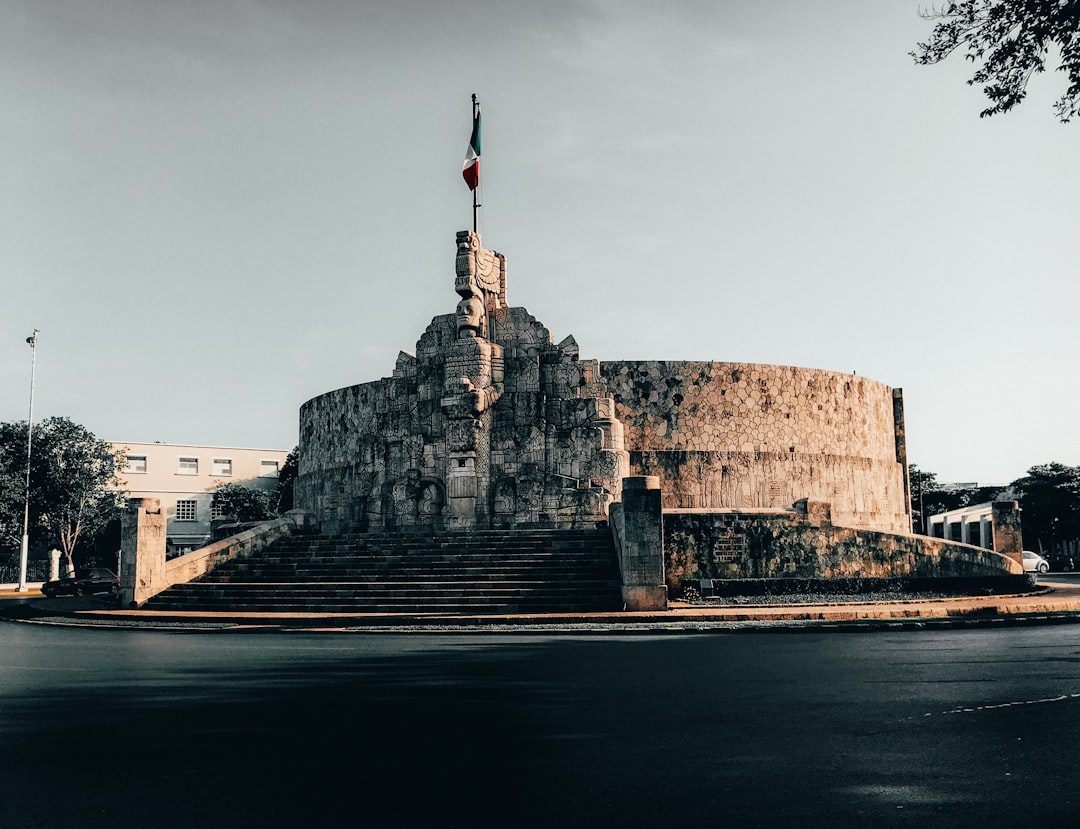
Mexico’s tourism industry is a powerhouse, raking in more than $28 billion in 2023 and welcoming over 40 million visitors. But the new travel advisory has already sent shockwaves through the sector. Airlines are reporting a slight dip in bookings to the most affected regions, and some hotel chains have begun offering discounts to reassure nervous travelers. Tourism officials are scrambling to spotlight safer destinations like Cancún and Mérida, emphasizing new security measures and private transportation options. Despite these efforts, many local businesses are bracing for a tough season. The potential loss of even a fraction of international visitors could mean millions of dollars in lost revenue for families and small enterprises who depend on tourism. The uncertainty is palpable, with some workers comparing the situation to “a sudden storm that no one saw coming.”
Government Response: Security on the Streets
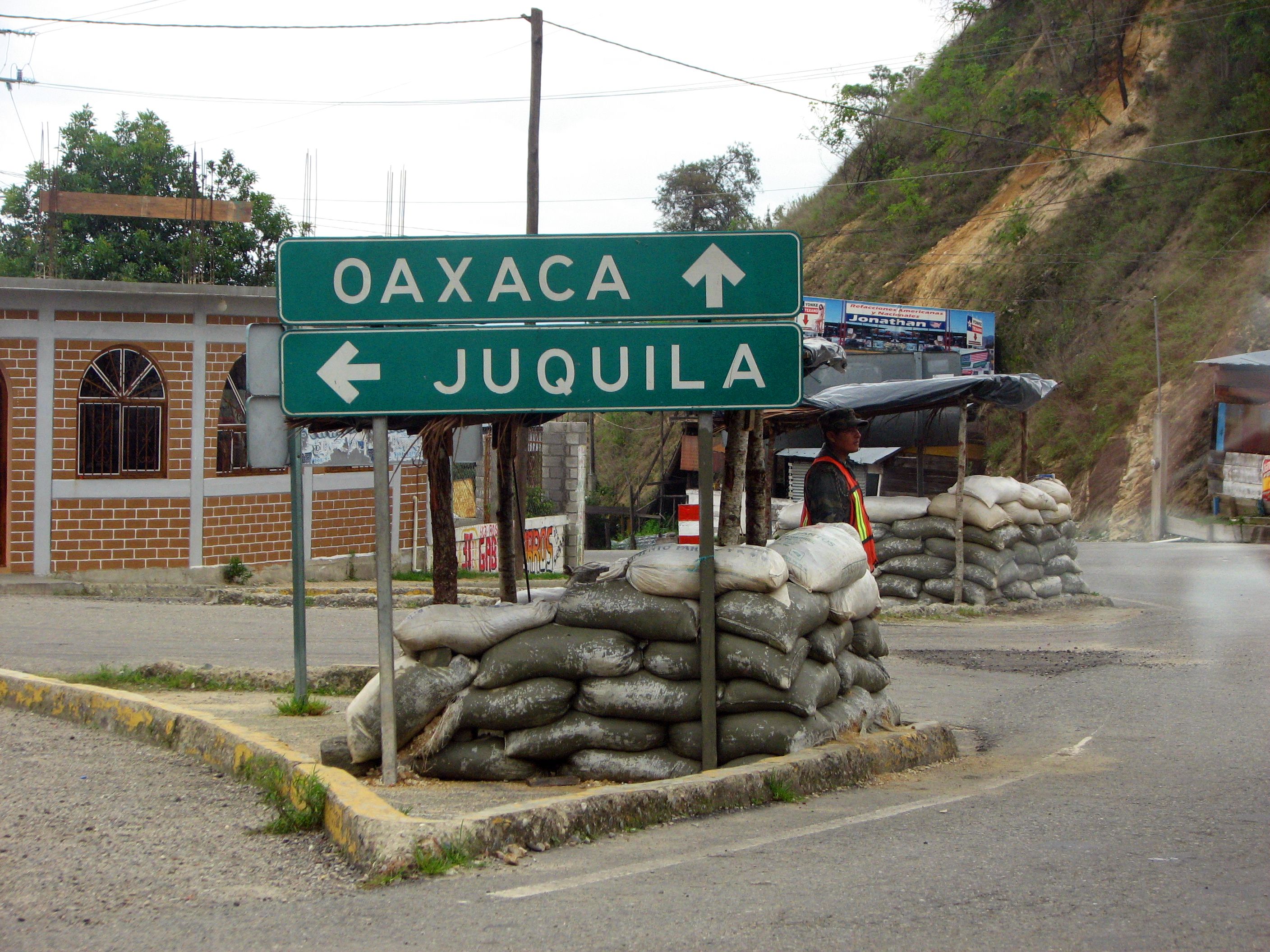
In response to the new advisory and growing public outcry, the Mexican government has taken visible action. Thousands of National Guard troops have been deployed to hotspots like Acapulco, Mazatlán, and Morelia. Military checkpoints have become more common on major highways, and police patrols are a regular sight in tourist zones. Authorities have also launched targeted operations against criminal groups, resulting in several high-profile arrests in early 2025. Community outreach programs are expanding, aiming to build trust between residents and law enforcement. Yet, many locals remain skeptical, remembering past crackdowns that brought only temporary relief. The government insists that these measures are different—more coordinated and better resourced—but only time will tell if the tide will turn.
Advice for Travelers: Staying Safe in 2025
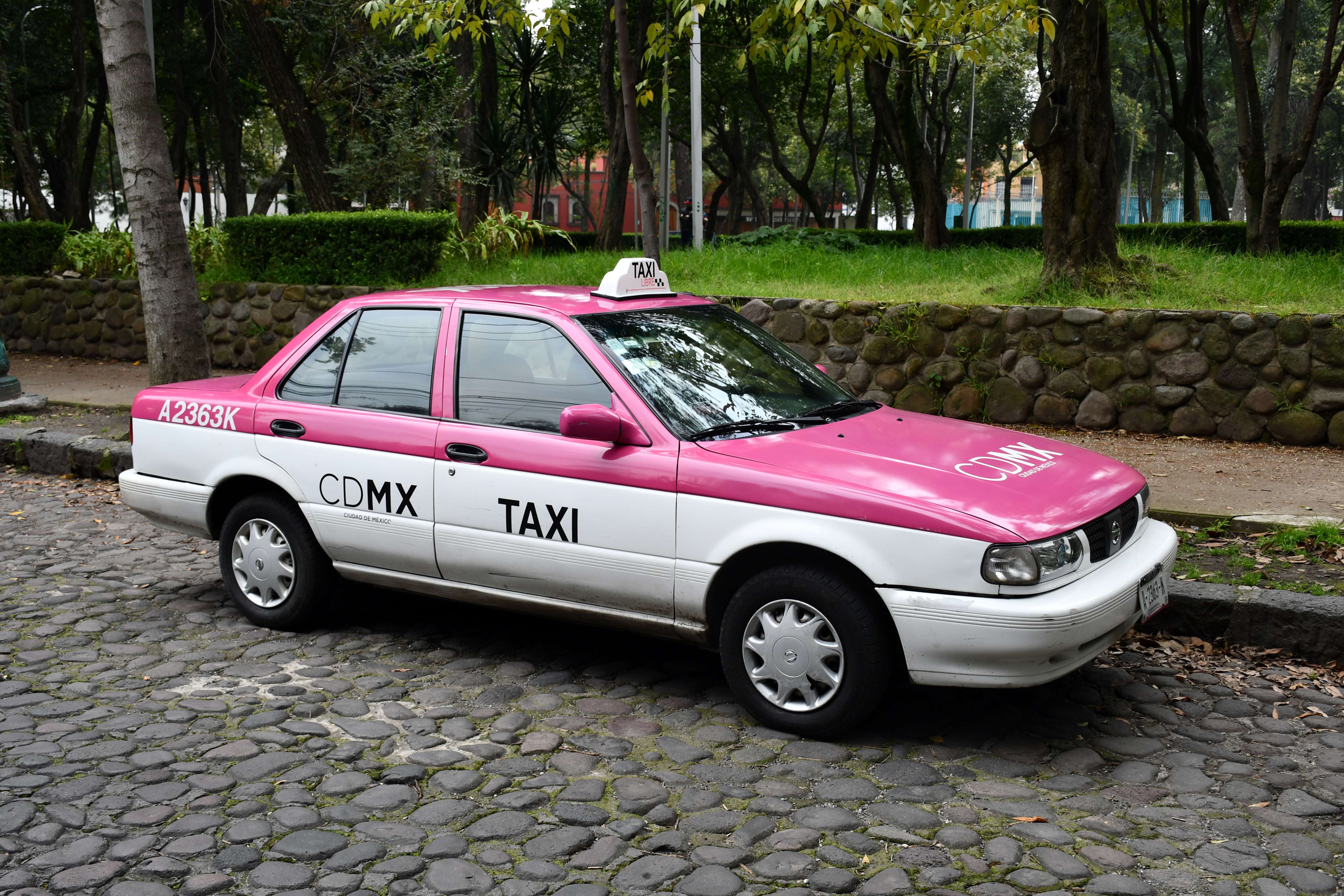
For those still planning a trip south of the border, the State Department has practical advice. Stick to well-traveled tourist areas and avoid venturing out after dark. Don’t display expensive jewelry or electronics, and always keep your travel documents secure. Consider using authorized taxis or ride-sharing apps instead of hailing cabs on the street. Register with the nearest U.S. embassy or consulate, so you can receive emergency updates and assistance if needed. Travel insurance that includes coverage for theft, medical emergencies, and trip cancellations is highly recommended. If you find yourself in trouble, the U.S. Embassy has a 24/7 emergency line for citizens abroad. These recommendations are echoed by travel experts and local authorities alike, all stressing the importance of vigilance and planning.
Voices from the Ground: How Locals Are Coping
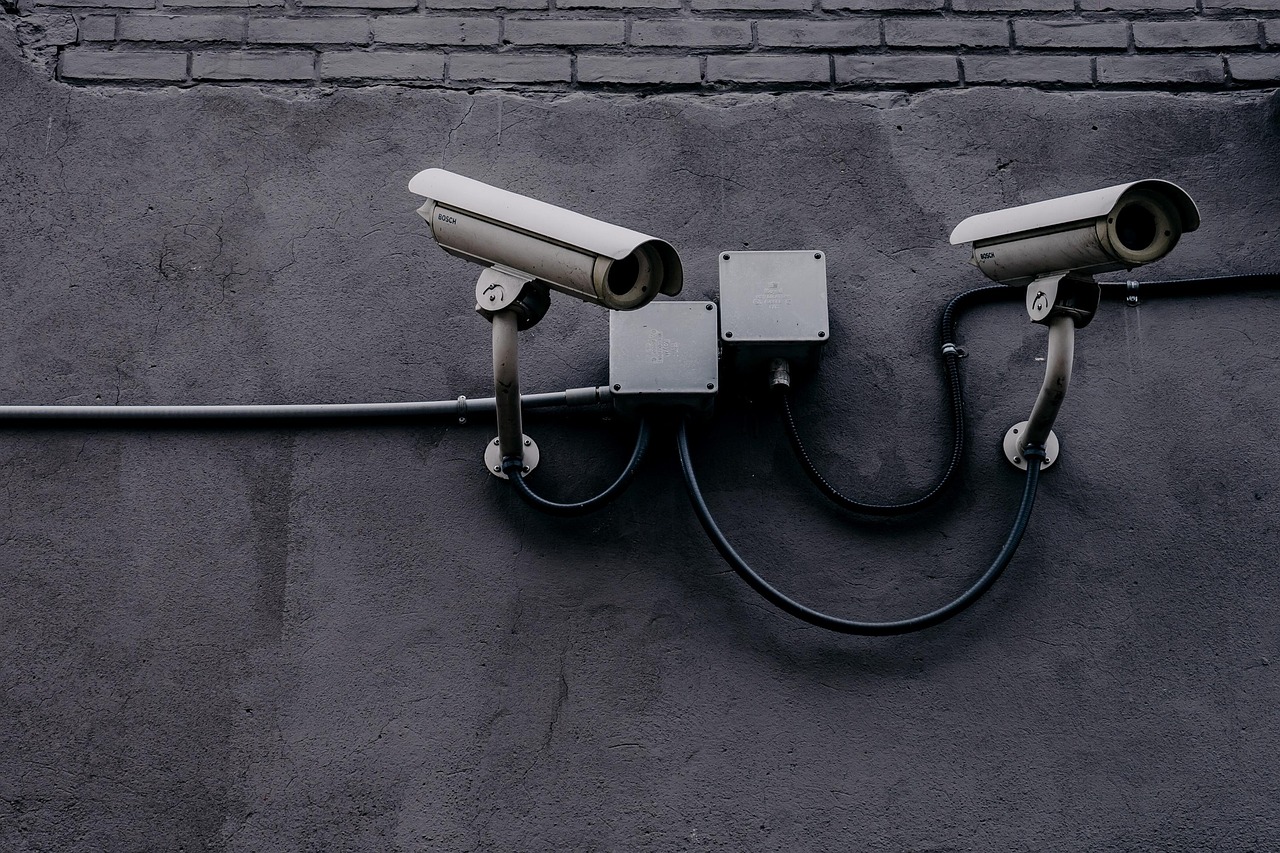
People living and working in tourist hotspots are feeling the impact firsthand. Many business owners worry that the new advisory will scare away visitors, just as tourism was beginning to fully recover from previous downturns. Some have seen bookings drop overnight, while others are redoubling efforts to reassure guests with visible security, multilingual staff, and organized tours. Local leaders are meeting regularly with law enforcement to discuss new safety initiatives, from improved lighting to expanded surveillance camera networks. Residents express a mix of frustration and resilience, with some saying that “the real Mexico” is safer than the headlines suggest. Still, there is a palpable sense of urgency—everyone wants to see conditions improve, not just for tourists, but for their own families.
Social Media’s Impact: Information and Misinformation

Social media is playing a bigger role than ever in shaping perceptions—and decisions—about travel to Mexico. Platforms like X (formerly Twitter), Facebook, and Instagram are flooded with firsthand accounts, videos, and travel tips. Some posts highlight the beauty and friendliness of local communities, while others warn of dangers or share viral stories of crime. Misinformation can spread quickly, sometimes causing unnecessary panic. Savvy travelers are encouraged to cross-check what they see online with official advisories and reputable news outlets. Travel groups and forums also help connect visitors with locals who can offer real-time advice. The constant flow of information can be overwhelming, but it’s become an essential part of planning a safe and enjoyable trip.
Safer Havens: Regions Still Welcoming Tourists
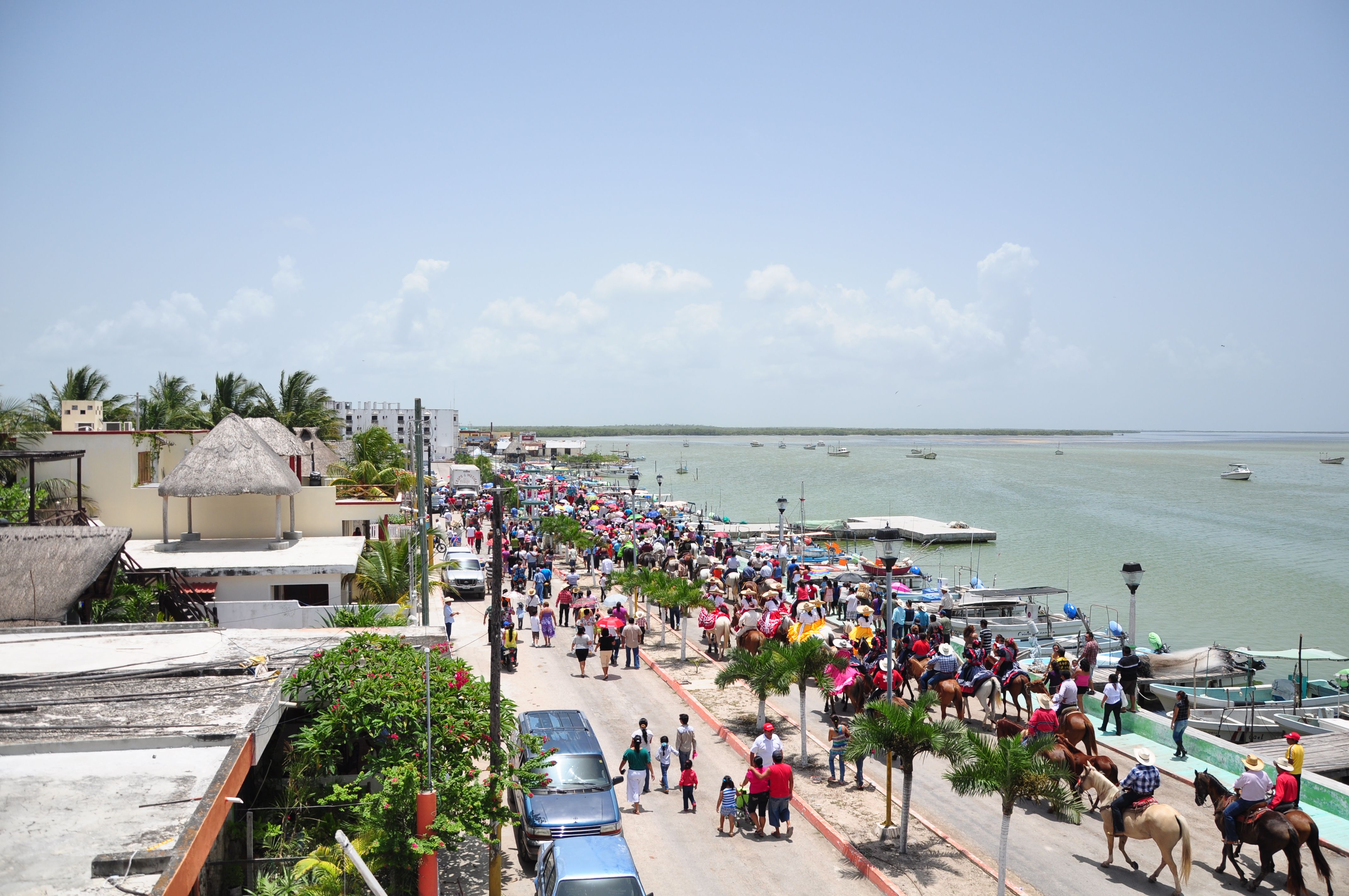
Despite the challenges, not all of Mexico is under red alert. The advisory points out that states like Yucatán, Baja California Sur, and Quintana Roo continue to report low crime rates and are considered relatively safe. Cities such as Mérida, La Paz, and Cancún have ramped up security and introduced tourist police patrols. Many resorts offer private transportation and on-site medical services as extra layers of protection. Travel agencies are promoting these areas as ideal alternatives for travelers seeking sun, culture, and peace of mind. Some visitors have even reported feeling safer in these destinations than in big U.S. cities. These “safe zones” offer hope that tourism can continue, even as other regions grapple with ongoing challenges.
What’s Next: The Road Ahead for Mexican Tourism
Looking forward, the fate of Mexico’s tourism industry hinges on how quickly and effectively authorities can improve security. Continued collaboration between federal and state governments, as well as private sector investment in safety infrastructure, will be critical. The U.S. embassy has signaled its willingness to work closely with Mexican officials to keep travelers informed and protected. Industry experts predict that travel patterns may shift, with more visitors opting for package tours or group travel over solo adventures. Mexico’s ability to adapt and reassure the world will determine whether it can weather this storm and restore its reputation as a top destination.
Staying Alert: Key Takeaways for Travelers
Travelers considering Mexico in 2025 should keep a few key points in mind. Check the latest U.S. State Department advisory before booking and monitor updates throughout your trip. Choose your destinations carefully, prioritizing regions with strong safety records. Follow practical safety tips, such as staying in busy areas, using reputable transportation, and keeping valuables out of sight. Register with the U.S. embassy and stay connected to local news. By taking these precautions, you can reduce your risk and make the most of your travels, even in uncertain times.


