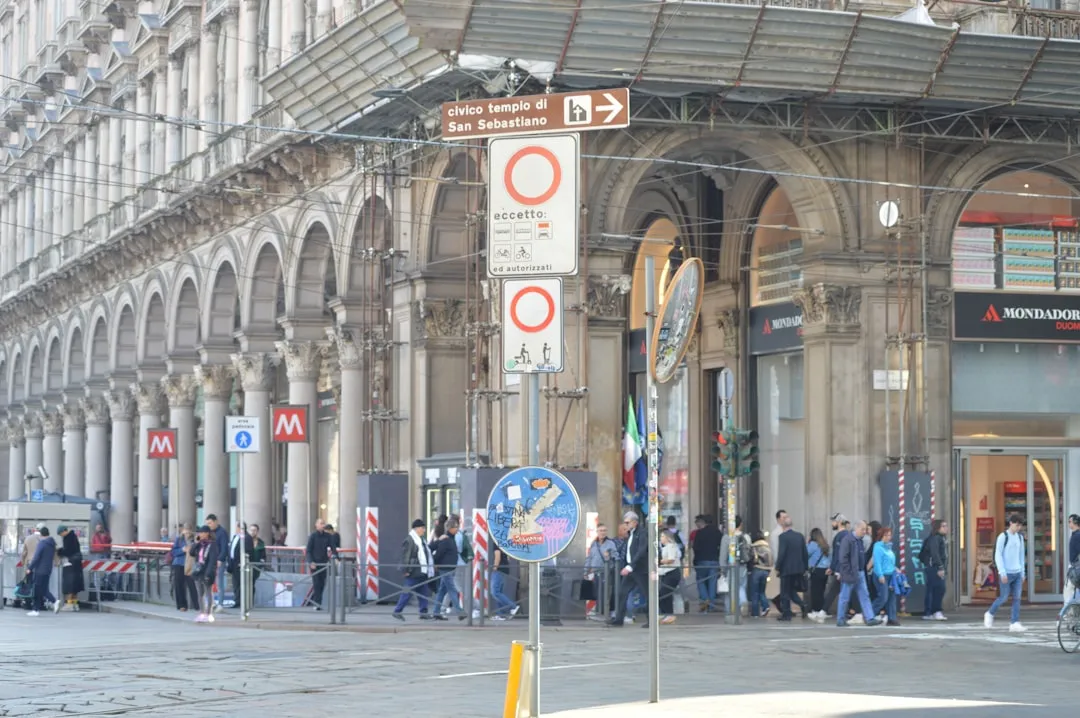
Foggy Nights, Fresh Arrivals (Image Credits: Unsplash)
Milan – Even as the Winter Olympics conclude after nearly three weeks in the spotlight, the city’s central train station serves as a gateway for exhausted migrants seeking refuge from harrowing journeys.[1][2]
Foggy Nights, Fresh Arrivals
Three Afghan men huddled in freezing fog marked their first steps on Italian soil recently, capping a year-long odyssey of smuggler vans and border crossings. Protection officers from the International Rescue Committee distributed hot tea, gloves, and directions to nearby welcome centers. These outposts offer a lifeline after perilous treks across Balkan mountains or Mediterranean waters from Africa.[1]
One man had relocated from Germany, where he learned the language over three years before stricter deportation rules targeted Afghans and Syrians. Such encounters highlight Milan’s proactive stance. City officials view these interventions as essential steps toward stability for newcomers.
National Crackdown Versus Local Openness
Italy’s government under Prime Minister Giorgia Meloni allocated tens of millions of euros to Libyan and Tunisian coast guards last year, curbing sea arrivals to 66,316 despite documented abuses in detention centers.[2] Restrictions on rescue charities compounded the measures. Yet Lamberto Bertolé, Milan’s health and welfare commissioner, called border closures myopic, arguing they foster clandestine work and lost tax revenue from potential contributors.
Bertolé described a vicious cycle: marginalization breeds societal strain and fear, prompting tighter policies. Milan countered by housing nearly 1,000 extra unaccompanied minors beyond state quotas. Foreign nationals, 9% of the population, comprised 38% of the homeless in a 2021 national survey.[2]
| Approach | National Policy | Milan’s Response |
|---|---|---|
| Funding | Coast guard patrols abroad | Local shelters and programs |
| Arrivals Handling | Deterrence and limits | Integration services |
| Impact | Reduced sea entries | Extra care for minors |
Shelter and Cultural Bridges
Casa dell’Accoglienza Enzo Jannacci, a city-funded facility housing over 500 residents including migrants and locals, buzzed with activity. Director Anna Pepe emphasized aiding asylum bureaucracy, healthcare access, and school enrollment to foster independence. Art classes drew participants from Peru, El Salvador, Afghanistan, and Nigeria, blending global tunes for respite.
Nine-year-old Yacob from Tunisia rapped fluently in Italian, while others envisioned careers in photography, law, and nursing. These sessions provided emotional relief amid uncertainty. The center’s model reflected Milan’s commitment to weaving newcomers into the social fabric.
Resilient Personal Paths
Leila, a Nigerian mother, crossed the Mediterranean from Libya pregnant, with her toddler son aboard a smuggler’s boat. After five years in Germany pursuing nursing amid integration efforts, policy shifts led to friends’ deportations and her relocation to Milan. She praised the center’s support for her children, ages 8 and 5.
“Everyone has a vision to have a better life,” Leila said, underscoring universal aspirations.[1] Fears of publicity affecting claims kept details sparse, yet hope persisted. Milan’s efforts offered a fresh start, contrasting the national pushback.
Key Takeaways
- Milan funds shelters and outreach, filling gaps left by reduced national support.
- Integration programs like art classes build skills and community ties.
- Personal stories reveal determination amid policy contrasts.
Milan’s approach demonstrates that inclusive policies can break cycles of exclusion, even under national pressure and Olympic fanfare. As the Games end, the city’s resolve invites reflection on balancing security with humanity. What steps could other cities take? Share your thoughts in the comments.