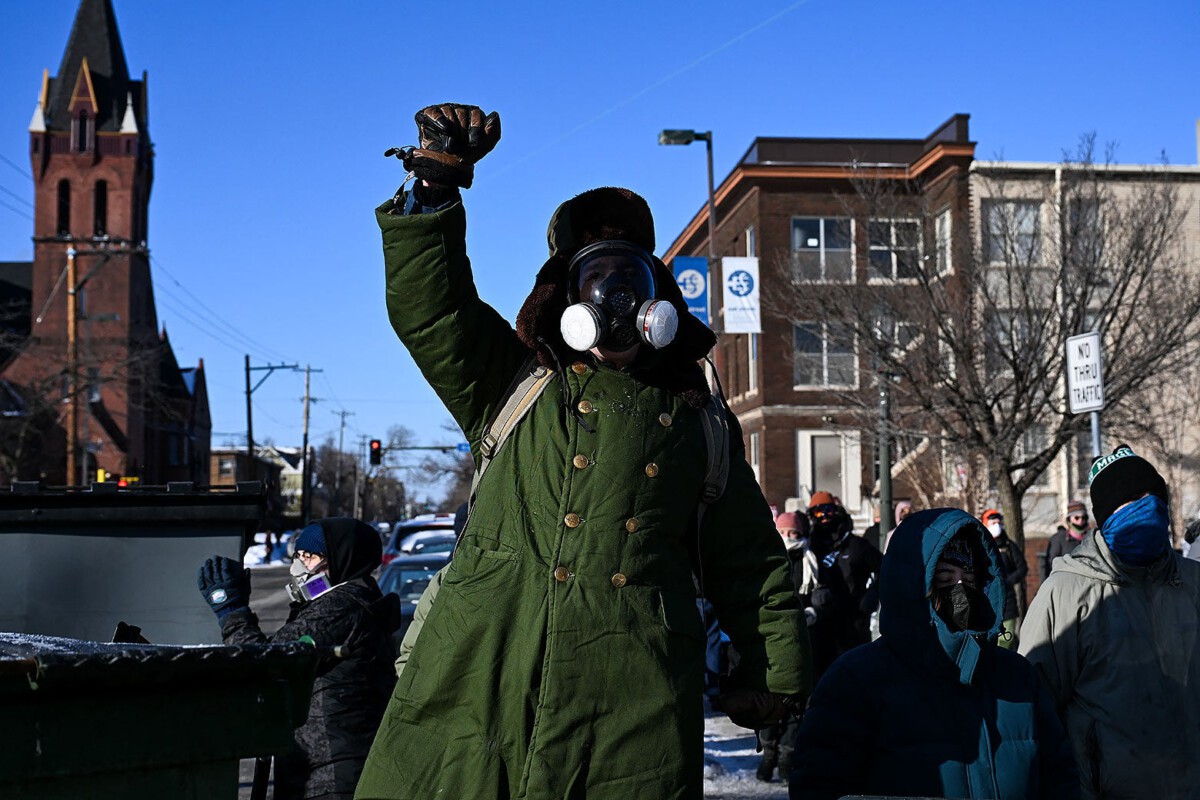
Heightened Clashes in a Sanctuary City (Image Credits: Compote.slate.com)
Minneapolis – A group of determined locals continues to monitor and challenge federal immigration enforcement operations amid escalating tensions.
Heightened Clashes in a Sanctuary City
Recent incidents highlighted the volatile standoff between community activists and Immigration and Customs Enforcement agents. Protesters gathered outside federal buildings to voice opposition following reports of shootings linked to law enforcement activities in the area. Agents responded in provocative ways, including gestures that further inflamed the situation.
These confrontations stem from broader efforts by ICE to intensify operations in Minneapolis, a city with strong sanctuary policies. Local groups track ICE vehicles as they move through neighborhoods, aiming to alert community members and disrupt routine enforcement actions. Such tactics have persisted even as federal authorities warn against close following of their convoys.
The Personal Stakes for Those on the Front Lines
Participants acknowledge the dangers involved, with armed agents present during many encounters. One activist expressed readiness to proceed, stating a sense of obligation outweighed the peril. This mindset drives a small but committed network that operates daily.
Efforts focus on nonviolent interference, such as documenting movements and providing real-time information to those potentially targeted. Organizers describe their role as creating friction, potentially delaying operations or offering individuals extra time to seek assistance. Despite limited resources, they view each action as contributing to wider resistance.
Background of ICE’s Push in Minnesota
Federal immigration enforcement ramped up in the region amid national policy shifts. Journalists have revealed vulnerabilities in ICE’s hiring process, underscoring rapid expansion of personnel. Incidents like agents mocking demonstrators from windows underscore the friction between local values and federal mandates.
Minneapolis leaders have long resisted cooperation with ICE, fostering an environment where community watch groups thrive. These volunteers coordinate through informal channels, sharing updates on sightings and planned routes. Their persistence challenges the narrative of unchecked authority.
Strategies and Community Impact
Activists employ simple yet effective methods to stay informed:
- Monitoring public scanners for activity alerts.
- Using vehicles to safely observe from a distance.
- Sharing locations via group chats for rapid response.
- Documenting encounters for public awareness.
- Liaising with legal aid networks.
These approaches have slowed some operations, according to participants. While federal reports criticize the monitoring as harassment, locals argue it protects vulnerable residents.
Key Takeaways
- Minneapolis groups prioritize community safety over personal risk.
- ICE faces ongoing local pushback in sanctuary jurisdictions.
- Nonviolent tactics amplify voices without direct confrontation.
The resolve of these activists tests the boundaries of federal power in urban centers. As operations continue, their actions raise questions about accountability and resistance. What do you think about this ongoing struggle? Share in the comments.